Ask An Expert
Frequently Asked Questions
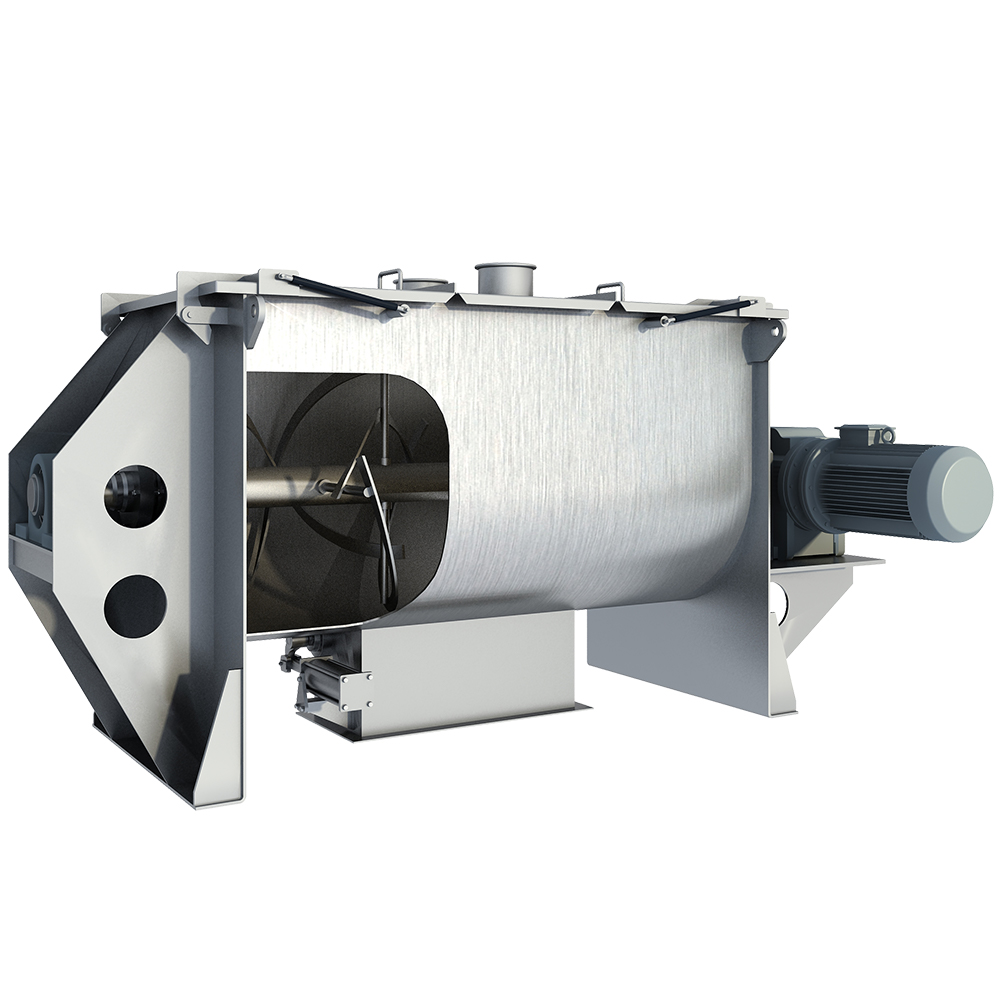
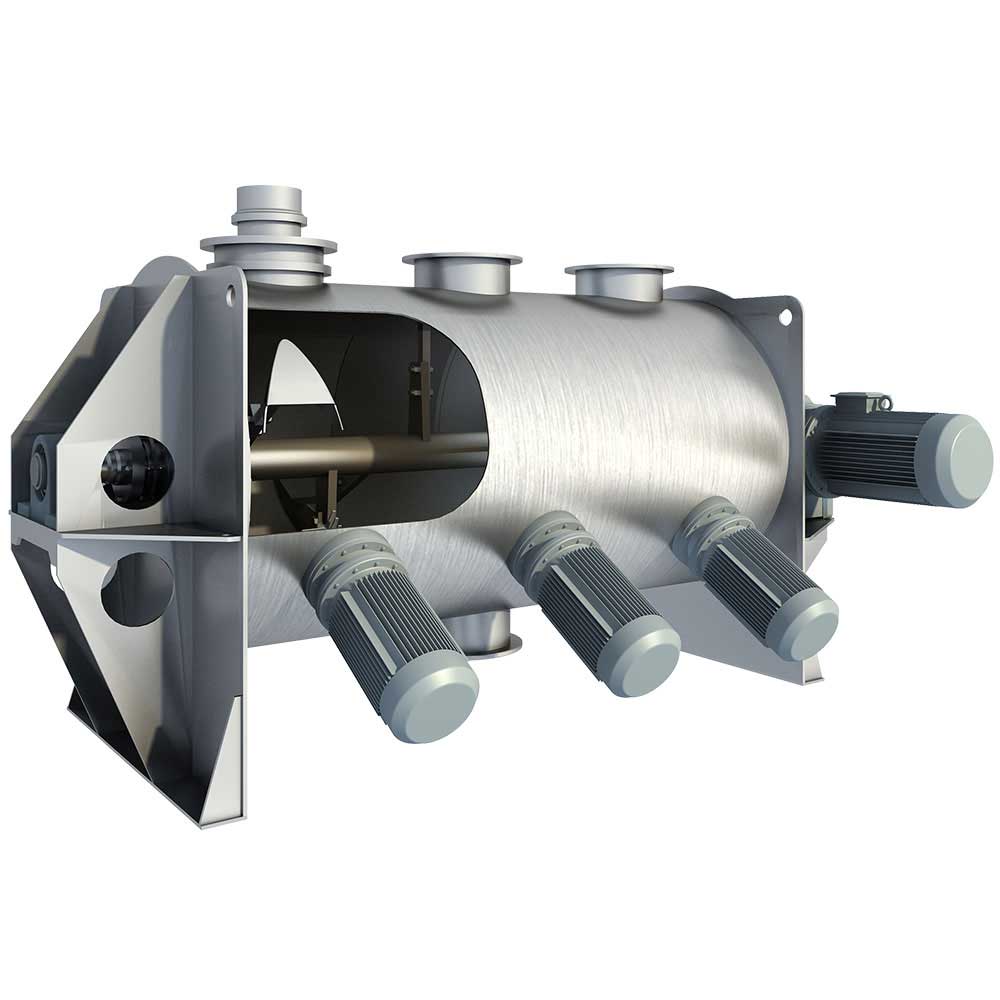
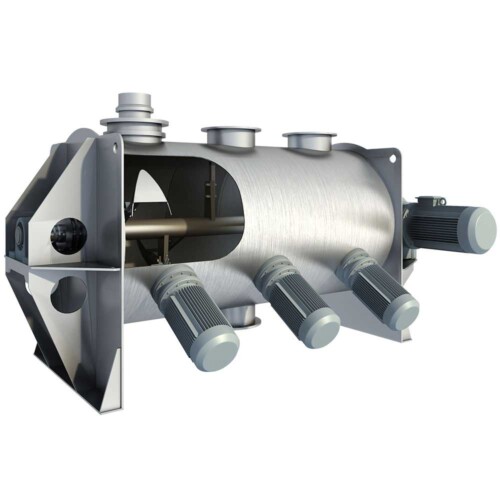
A Ploughshare Mixer is often suitable for materials that tend to agglomerate.
Its plough-shaped mixing tools generate intensive circulation of the material, while optional high-speed choppers can break up lumps and agglomerates during mixing.
The final selection should be based on the material characteristics and process requirements.
Vortex mixers are designed for a wide variety of powders, granules, and powder-liquid mixtures.
Typical applications include chemical powders, food ingredients, pharmaceutical powders, animal feed, dry mortar, ceramics, battery materials, fertilizers, pesticides, minerals, refractory materials, and other bulk solids. The actual mixer configuration should be selected according to the physical and chemical properties of the material.
Vortex manufacture a wide range of industrial powder and bulk solids mixing equipment, including:
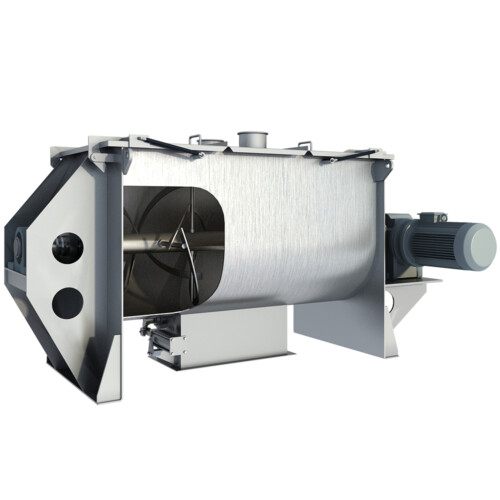
- Horizontal Ribbon Mixers
- Ploughshare Mixers
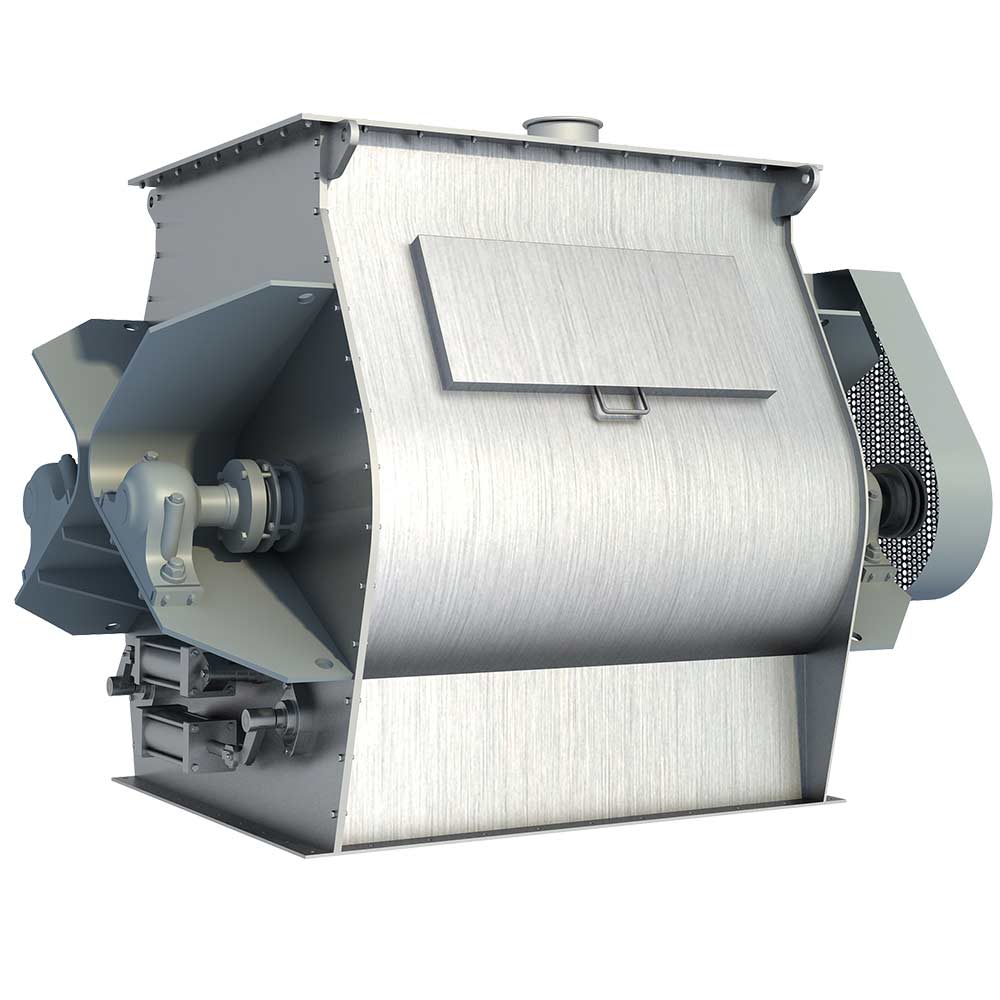
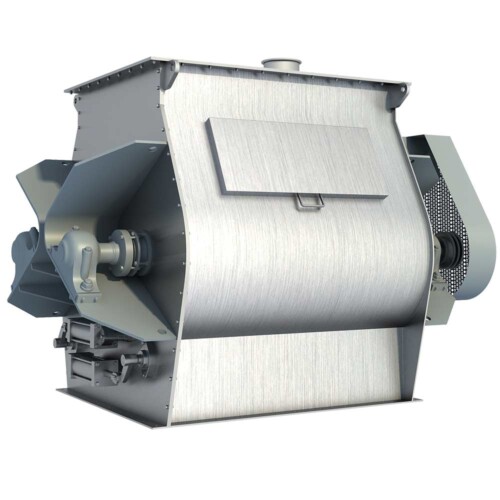
- Double Shaft Paddle Mixers (Paddle Mixers / “No-Gravity” Mixers)
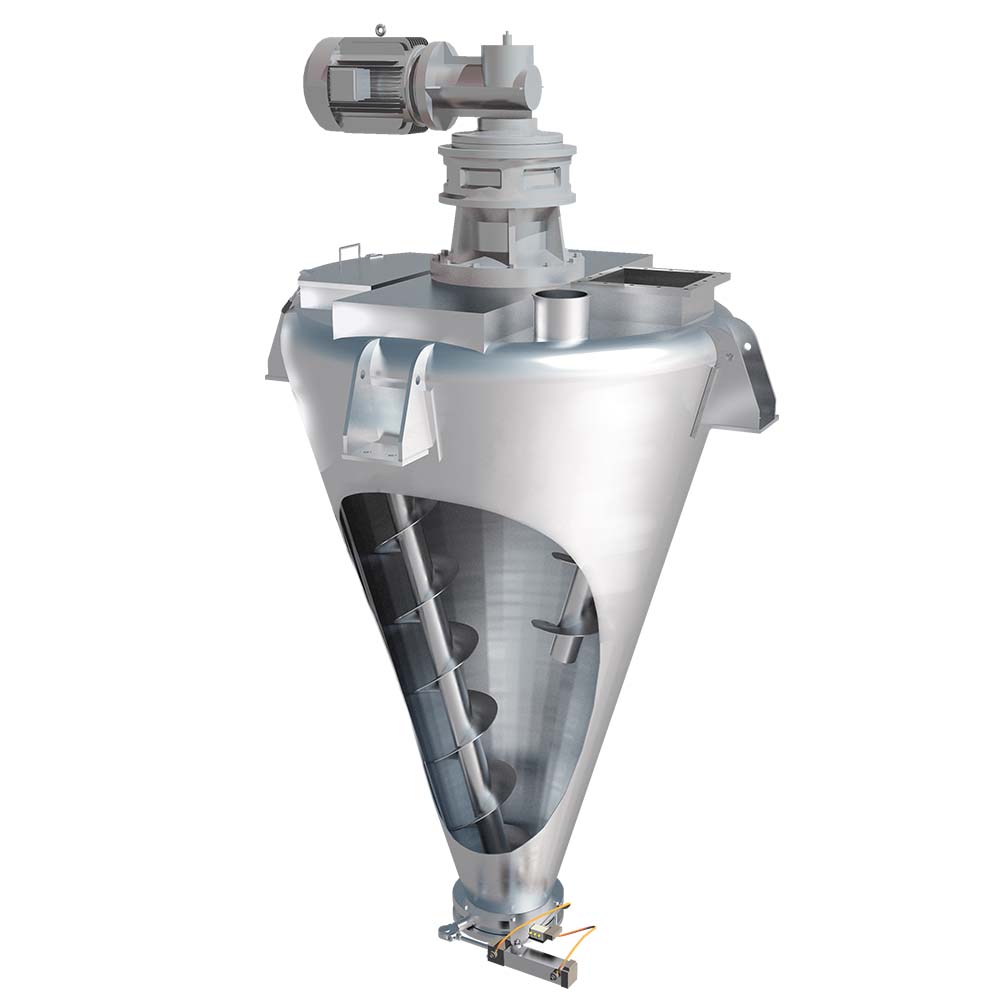
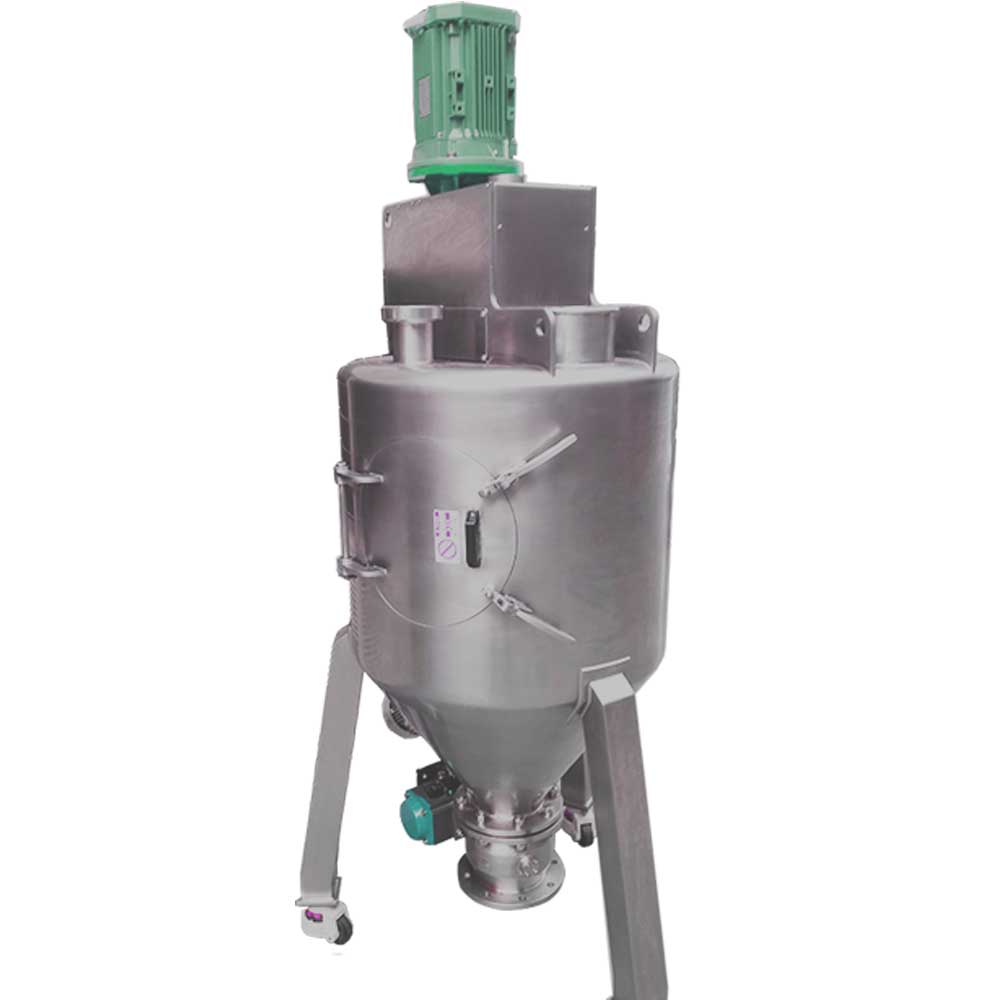
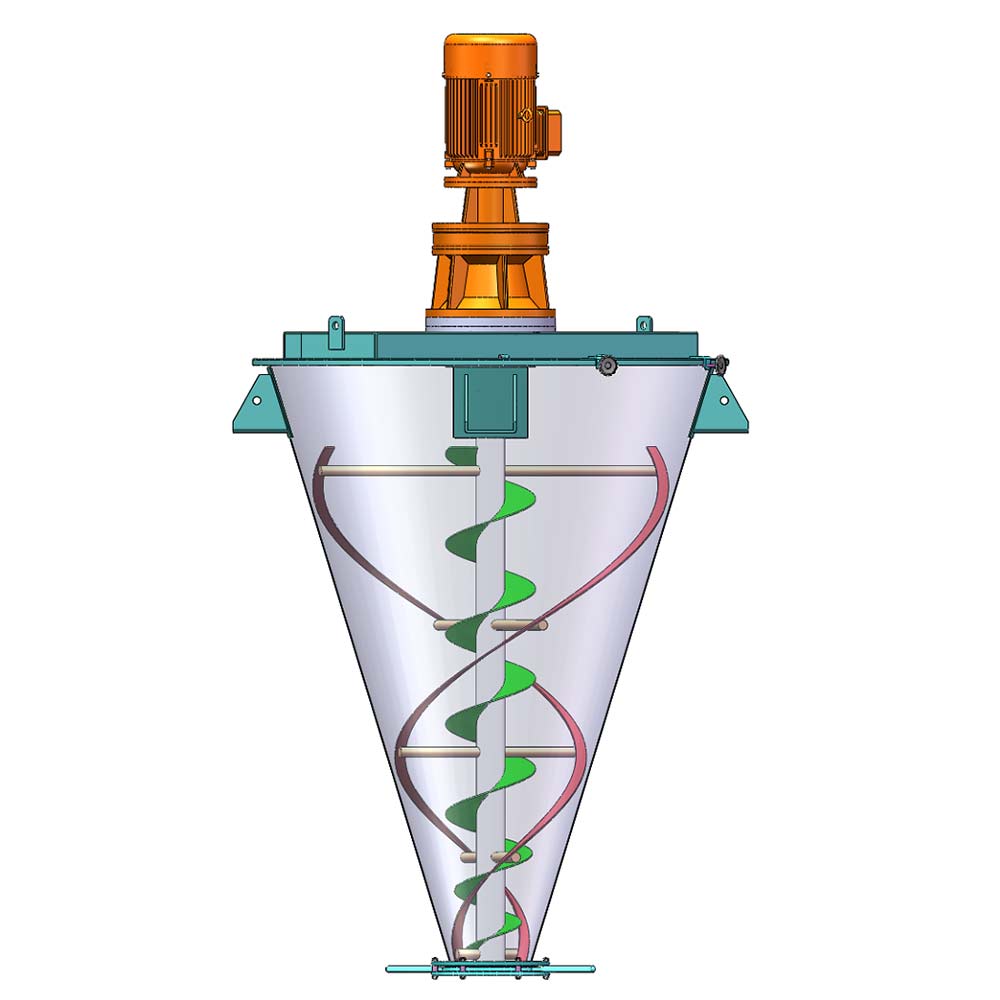
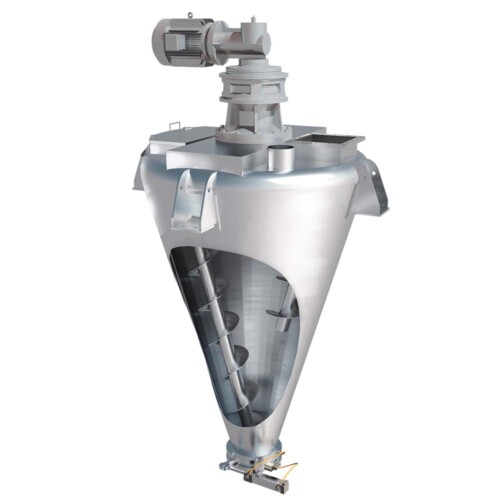
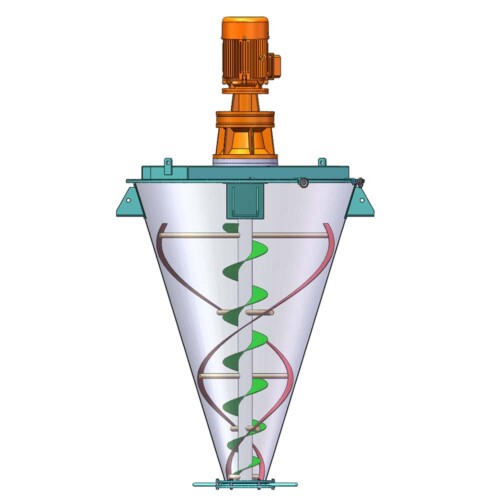
- Conical Twin-Screw Mixers
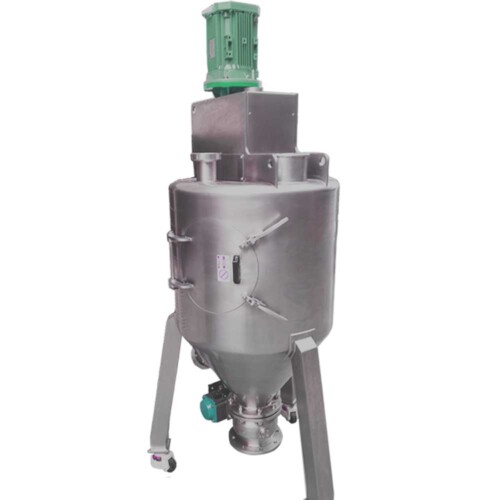
- Vertical Screw Ribbon Mixers
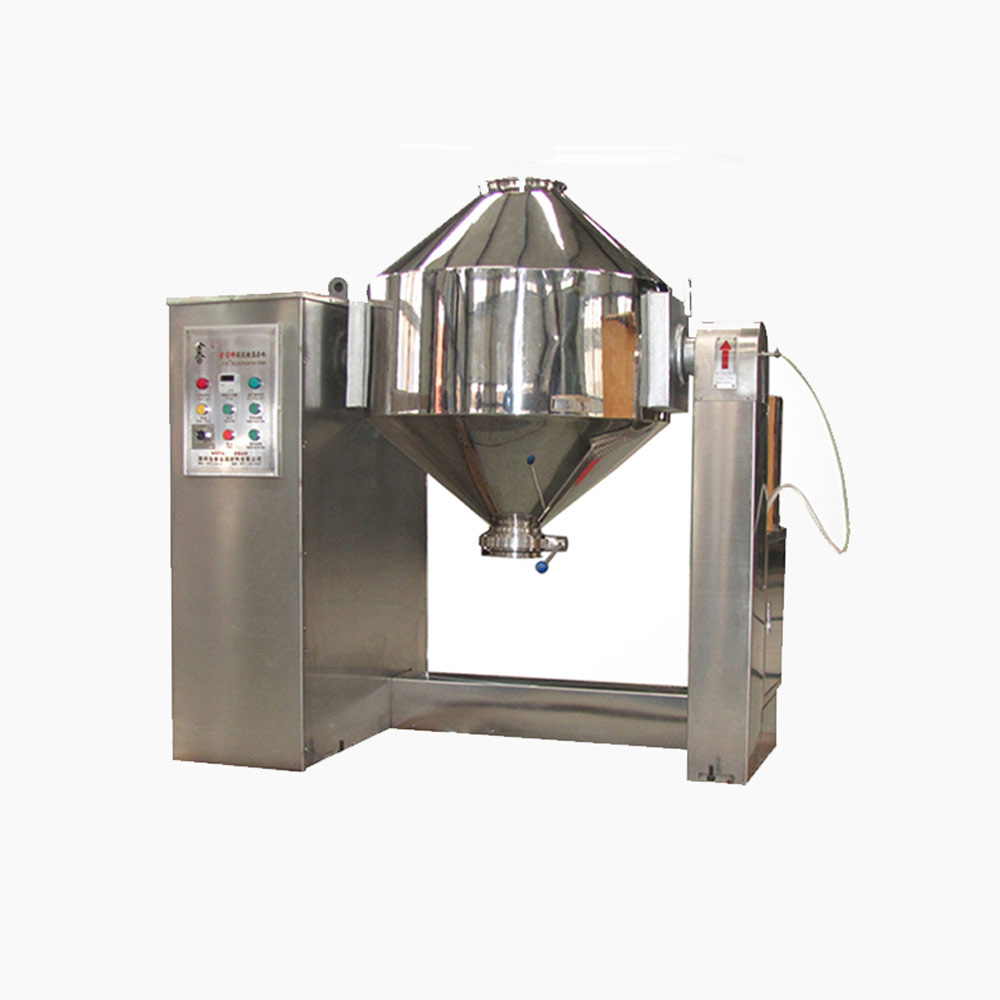
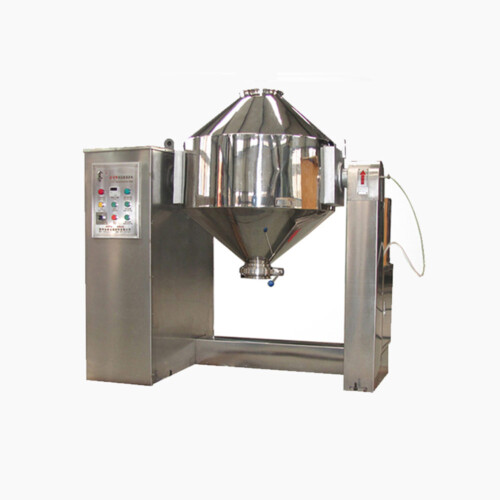
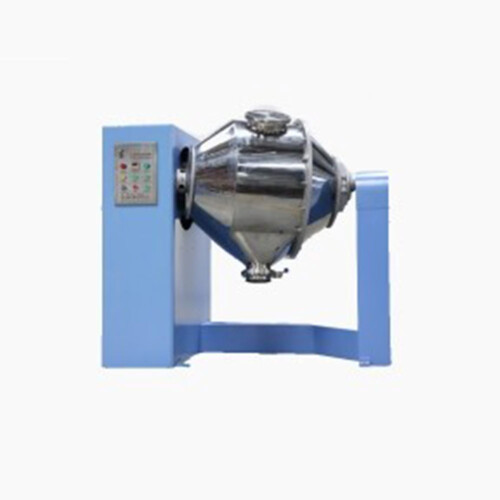
- Double Cone Mixers
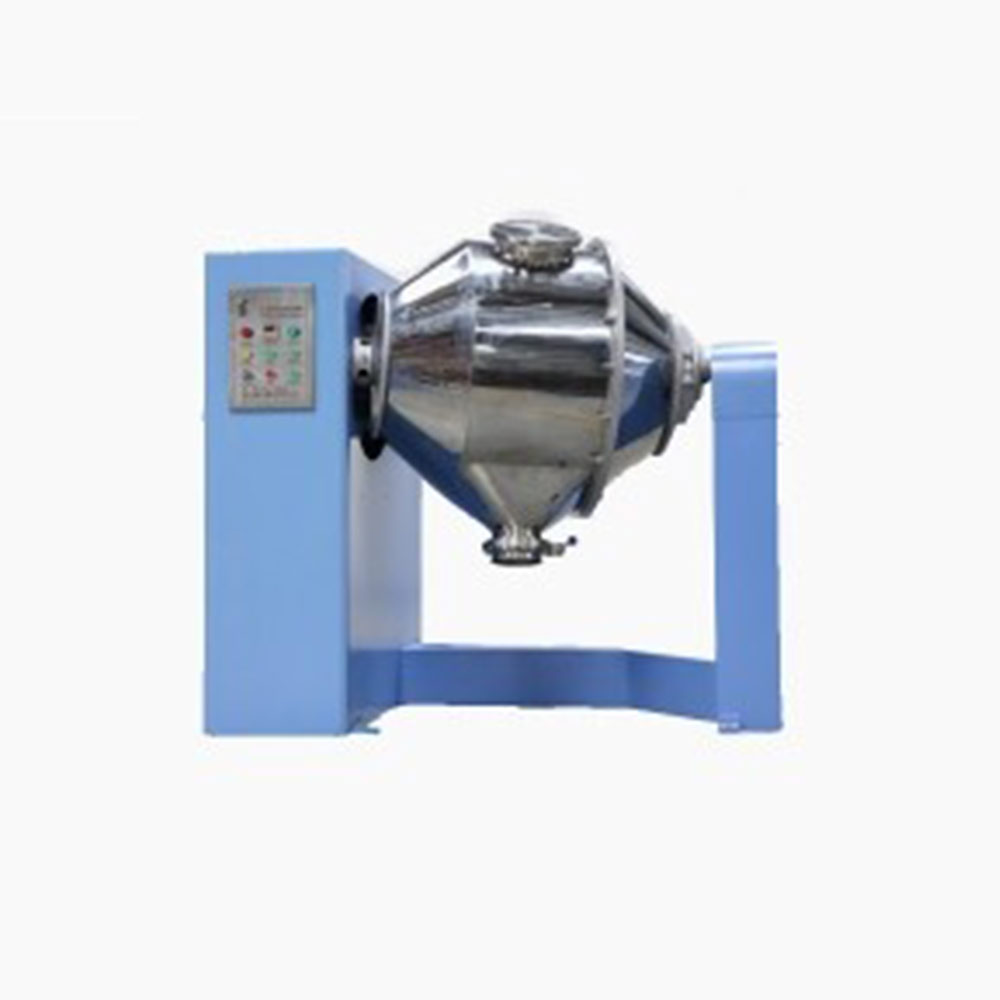
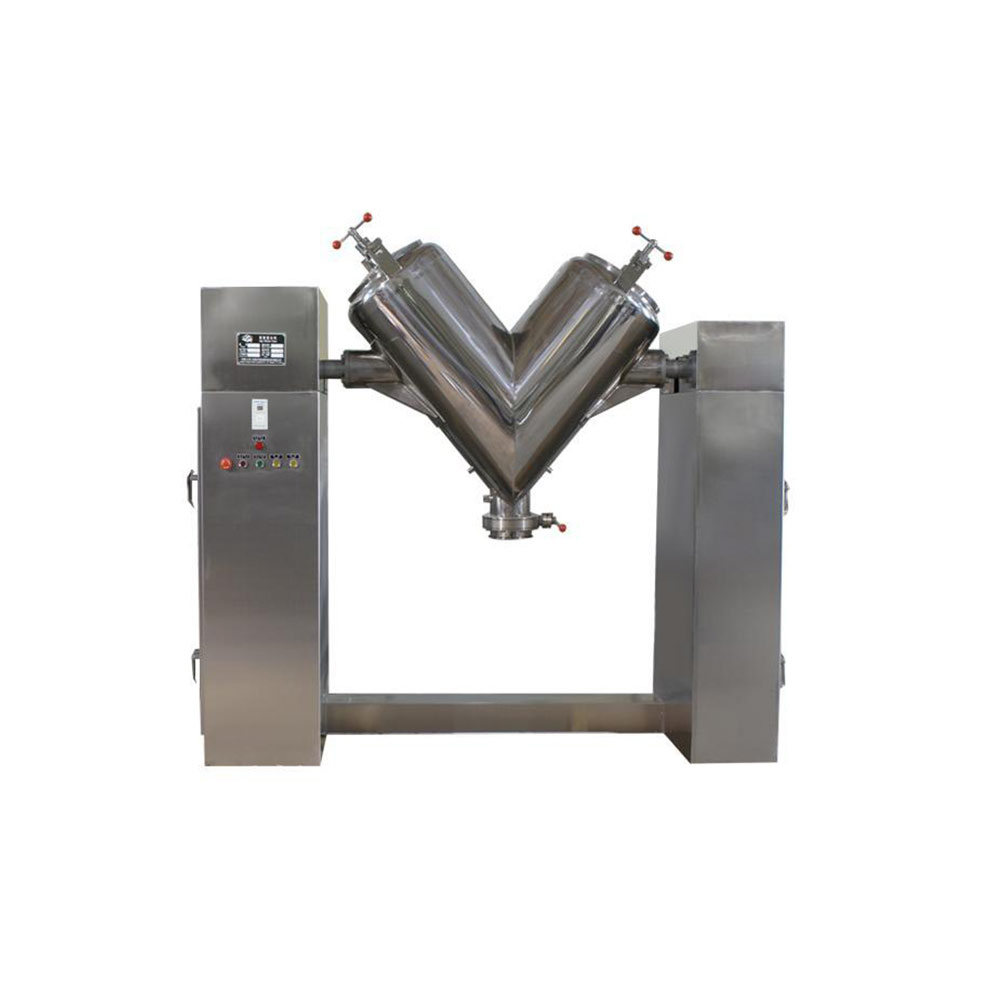
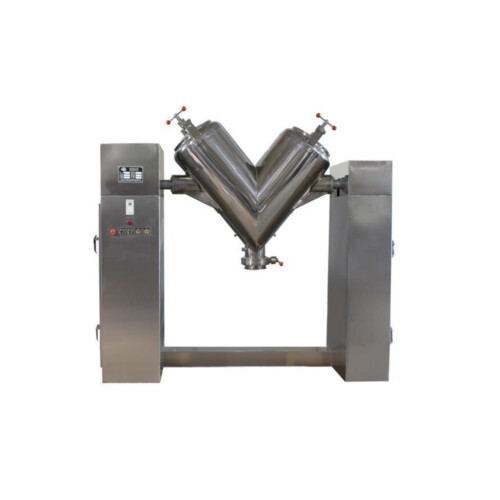
- V-Type Mixers
- 3D Motion Mixers
- Customized mixing systems and complete mixing lines
The most suitable mixer depends on your materials, production capacity, mixing ratio, required mixing time, and process conditions.
Mixer capacity should be evaluated using both the total vessel volume and the effective working volume. The required volume depends on material bulk density, batch weight, filling ratio and the mixing principle of the selected machine. A mixer should not normally be filled to its total geometric volume because sufficient space is required for material movement and effective mixing. For this reason, selecting a mixer based only on vessel volume can result in an unsuitable configuration.
The appropriate industrial powder mixer depends on several factors, including:
- Material characteristics
- Bulk density
- Particle size
- Required mixing uniformity
- Batch size or production capacity
- Moisture content
- Whether heating or drying is required
- Whether liquid addition is required
- Required discharge configuration
- Production and automation requirements
Vortex provides different powder mixer designs so that equipment can be selected according to the specific process requirements.
Vortex powder mixer selection depends on several factors, including:
- Material type and characteristics
- Bulk density and particle size
- Material flowability
- Moisture content
- Viscosity
- Mixing ratio
- Batch size or required production capacity
- Whether liquid addition is required
- Required mixing uniformity
- Temperature, pressure, vacuum, or other process requirements
Vortex engineers can recommend a suitable powder mixer based on your material and process requirements.
Yes, We can supply simple stand alone panels or automated PLC controlled systems. We normally install and test all controls on our mixers before they are shipped.
Yes, we normally test the mixers before they are shipped and mark out the wire need to connect on the control box.
We manufacture specialty mixing equipment for powder & bulk materials. Included are ribbon blender, plough mixer, conical screw mixer, twin shaft paddle mixer, V blender, double cone blender and other auxiliary equipment such as screw conveyor, quantitive auger filler.
We sell across the world, our cusotmers distribute 5 continents.
Share Us With Your Network
How can I tell when my material has been adequately mixed?
Unlike liquids, which mix to a molecular level, dry materials comprise discrete particles and, in most opera- tions, depending on the sample size, the particles are never truly mixed. For instance, if a sample consists of one particle, the sample isn’t mixed. Thus, determining whether a mixture is adequately mixed really depends on how the material will be used in the next process step or what the end user needs. These factors also affect the sample size you need to consider.
For instance, to determine whether a mixture fed to a reactor is adequately mixed, the sample size you need to consider is that of the container used to feed the reactor. If the mixture in the container consists of correct proportions of all ingredients, even though the ingredient concentration differs throughout the container, the correct ingredient proportions will reach the reactor, so mixing is adequate. On the other hand, if the mixture will be fed to a tablet press in a pharmaceutical operation, you need to consider whether a mixture sample equal to the tablet’s size is adequately mixed.
To determine whether a mixture is adequately mixed, you can use techniques ranging from observing the mixture’s gross characteristics, such as color, to very sophisticated laboratory methods for determining the active ingredient concentration in relatively small samples. Follow these general rules:
1. If possible, observe the mixture or take the sample in the mixer’s vessel so the mixture isn’t transferred before potential mixing problems can be corrected.
2. If you can’t observe the mixture or take the sample in the mixer’s vessel, do so as close as possible to the mixer. This way, you can catch an off-spec mixture before it’s further processed or packaged, helping to eliminate rejected batches and to hold costs down.
3. When taking a sample, select a sample size equal to that required by the next step in the process (for instance, in a tableting operation, equal to the tablet’s size).
Though it can be difficult, make sure you take representative samples. If you use a probe or thief-type sampling device, insert it into the mixer vessel’s center and avoid areas near the axis of rotation or internal seals. Be aware, however, that taking samples inside the vessel can’t account for later variations caused by segregation when the material is discharged or transferred. To detect such segregation problems, sample your mixture twice: once in the mixer vessel and once just before the mixture is packaged.
The number of samples you take depends on your required mixing accuracy. In general, the smaller the sample and the more critical the ingredient concentration, the more samples you’ll need to take.
Once you collect the samples, you can use chemical testing, tests based on weight variation (for instance, testing differences in the weights of food packages), and colorimetric techniques (which use electronic sensing combined with visual observation) to determine mixing quality.
Ask An Expert