Ask An Expert
Frequently Asked Questions
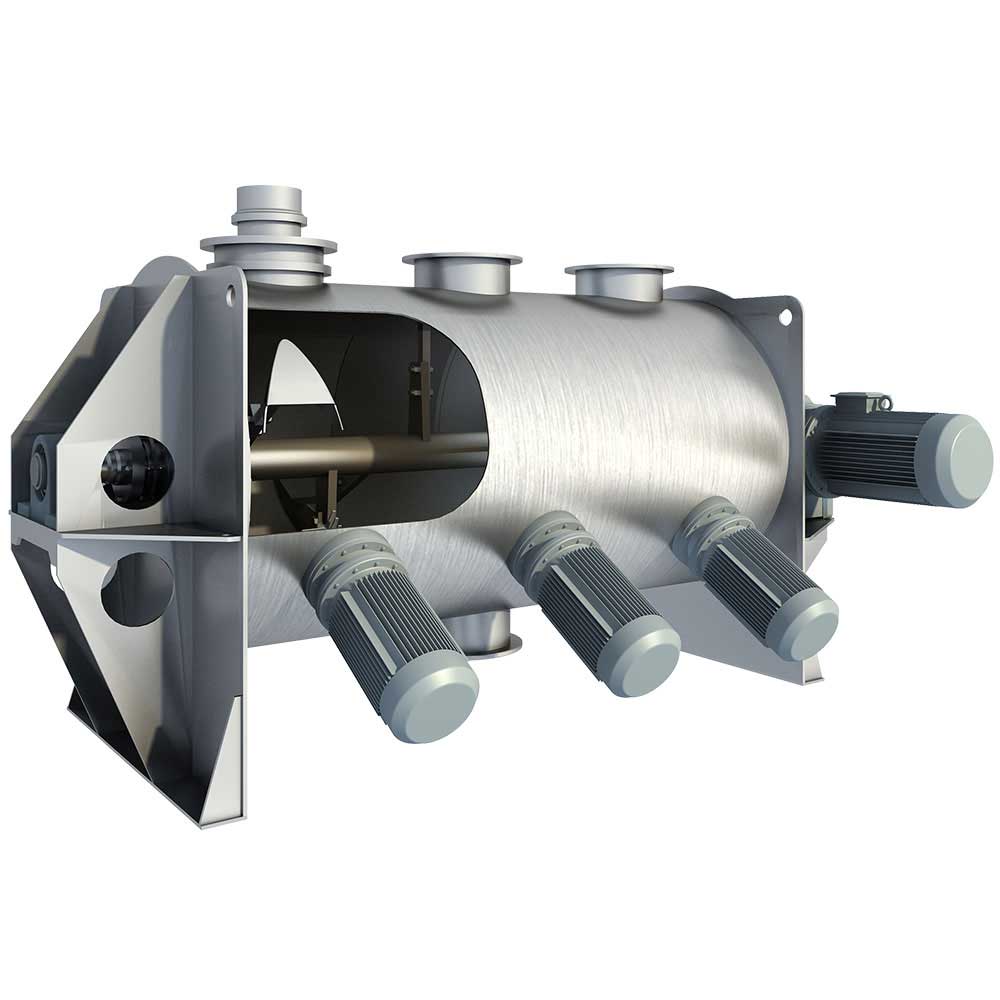
A Ploughshare Mixer is often suitable for materials that tend to agglomerate.
Its plough-shaped mixing tools generate intensive circulation of the material, while optional high-speed choppers can break up lumps and agglomerates during mixing.
The final selection should be based on the material characteristics and process requirements.
Vortex mixers are designed for a wide variety of powders, granules, and powder-liquid mixtures.
Typical applications include chemical powders, food ingredients, pharmaceutical powders, animal feed, dry mortar, ceramics, battery materials, fertilizers, pesticides, minerals, refractory materials, and other bulk solids. The actual mixer configuration should be selected according to the physical and chemical properties of the material.
Vortex manufacture a wide range of industrial powder and bulk solids mixing equipment, including:
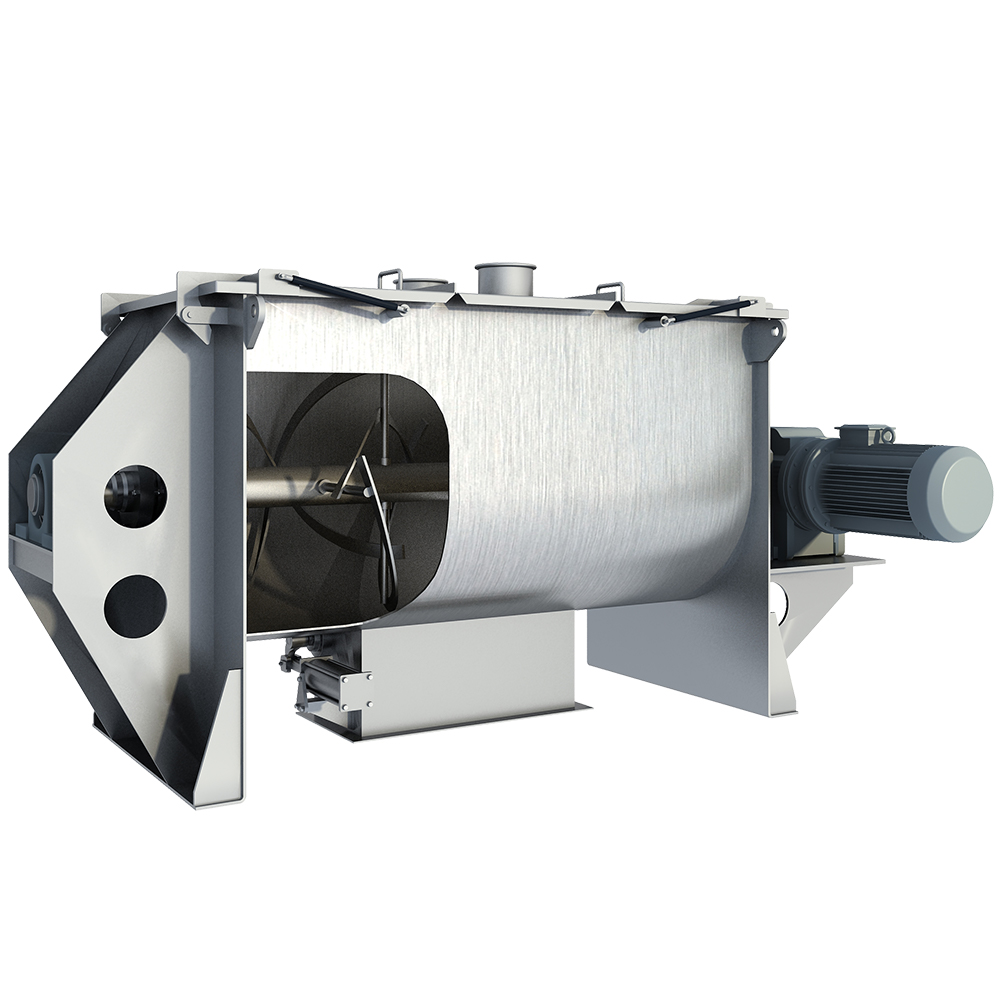
- Horizontal Ribbon Mixers
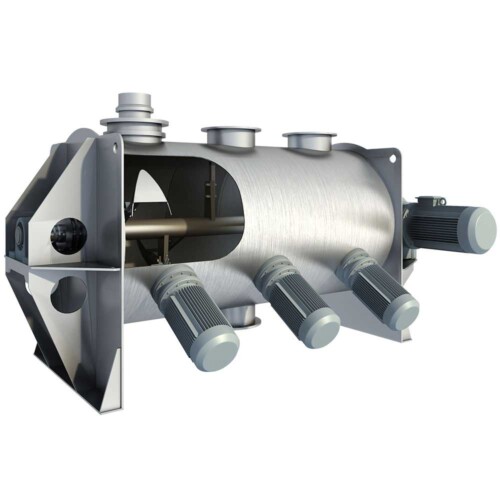
- Ploughshare Mixers
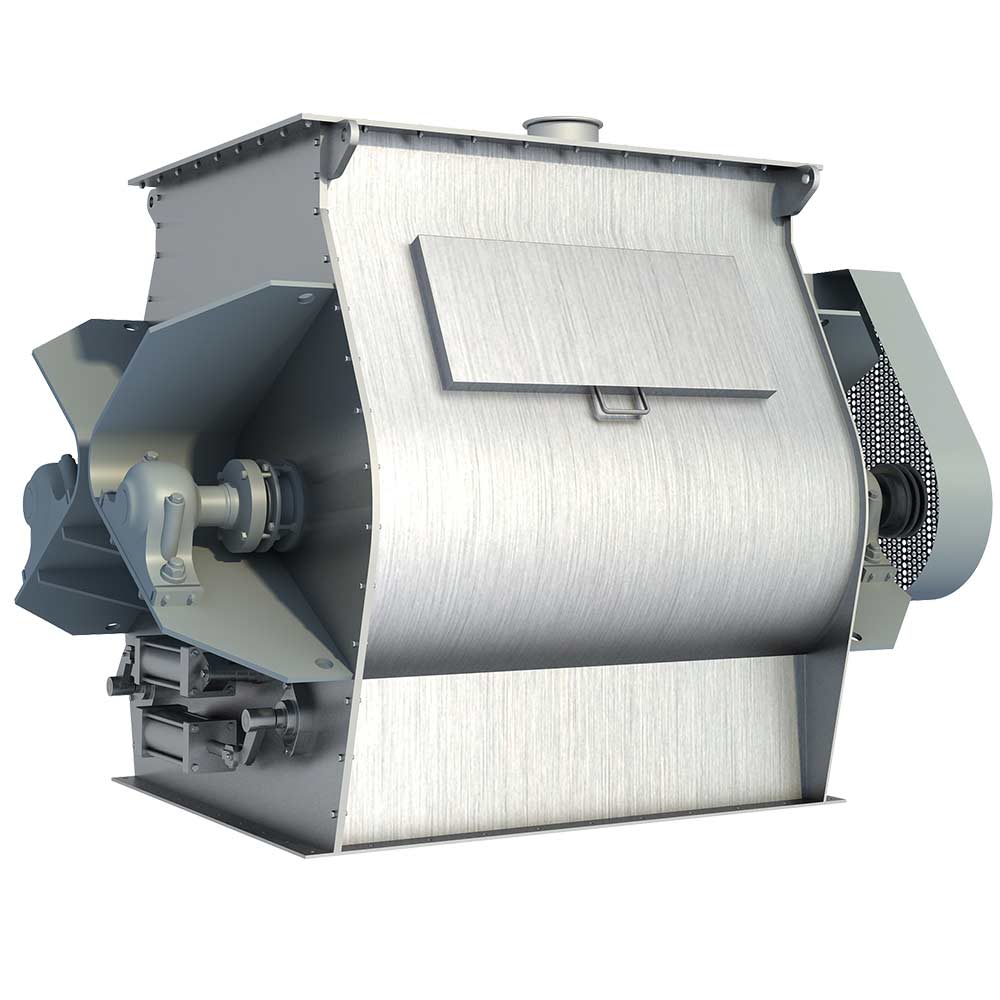
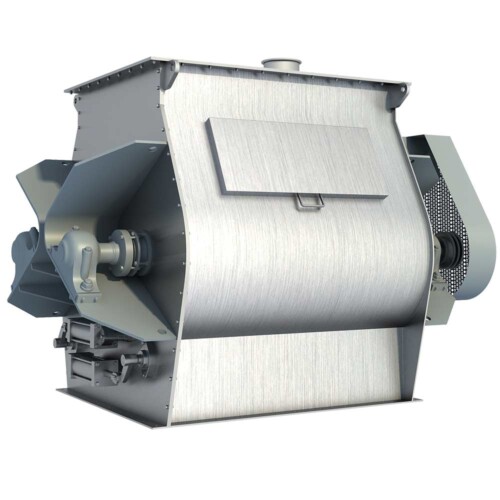
- Double Shaft Paddle Mixers (Paddle Mixers / “No-Gravity” Mixers)
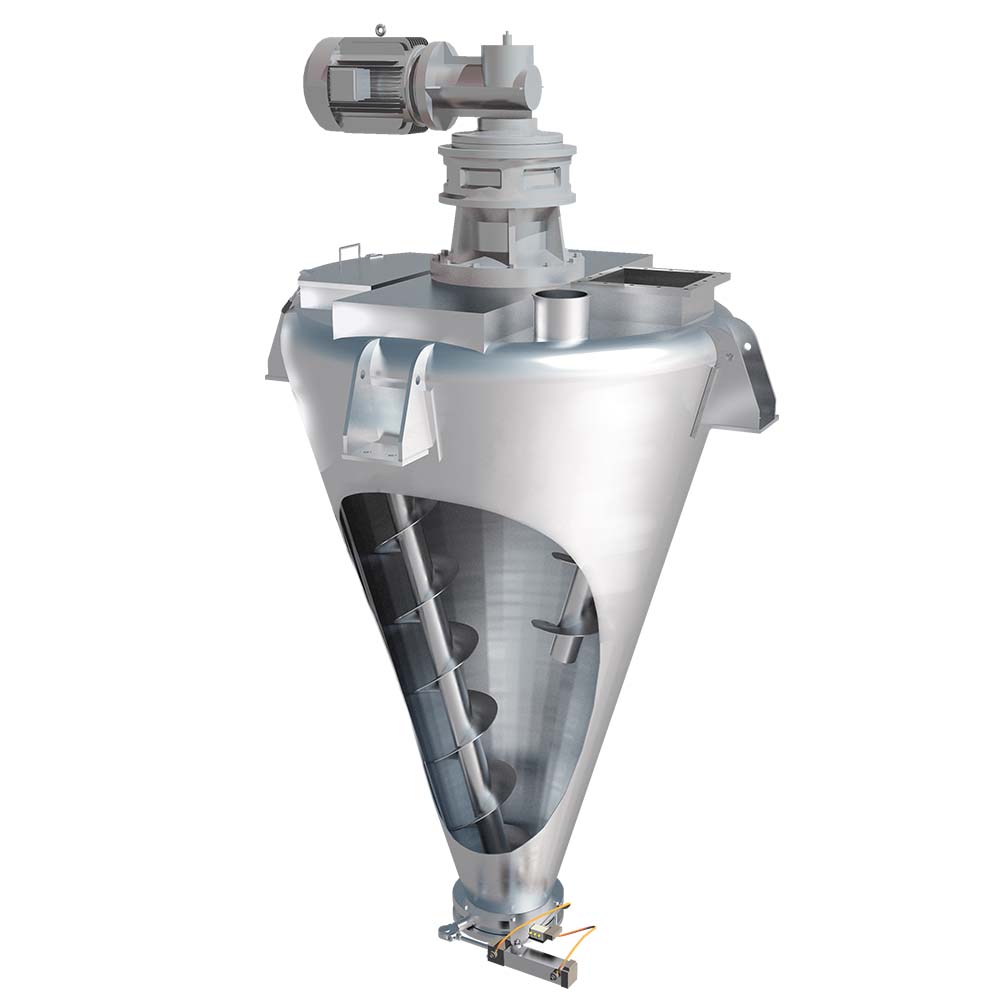
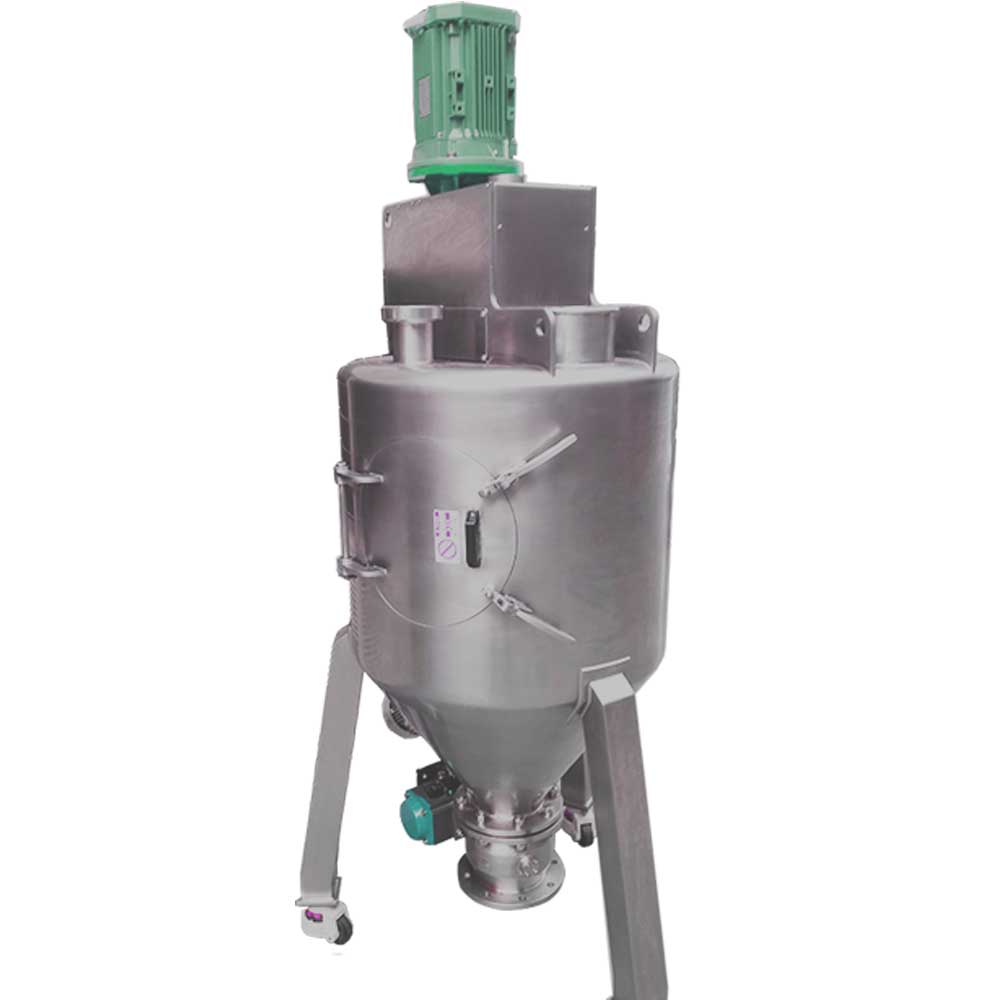
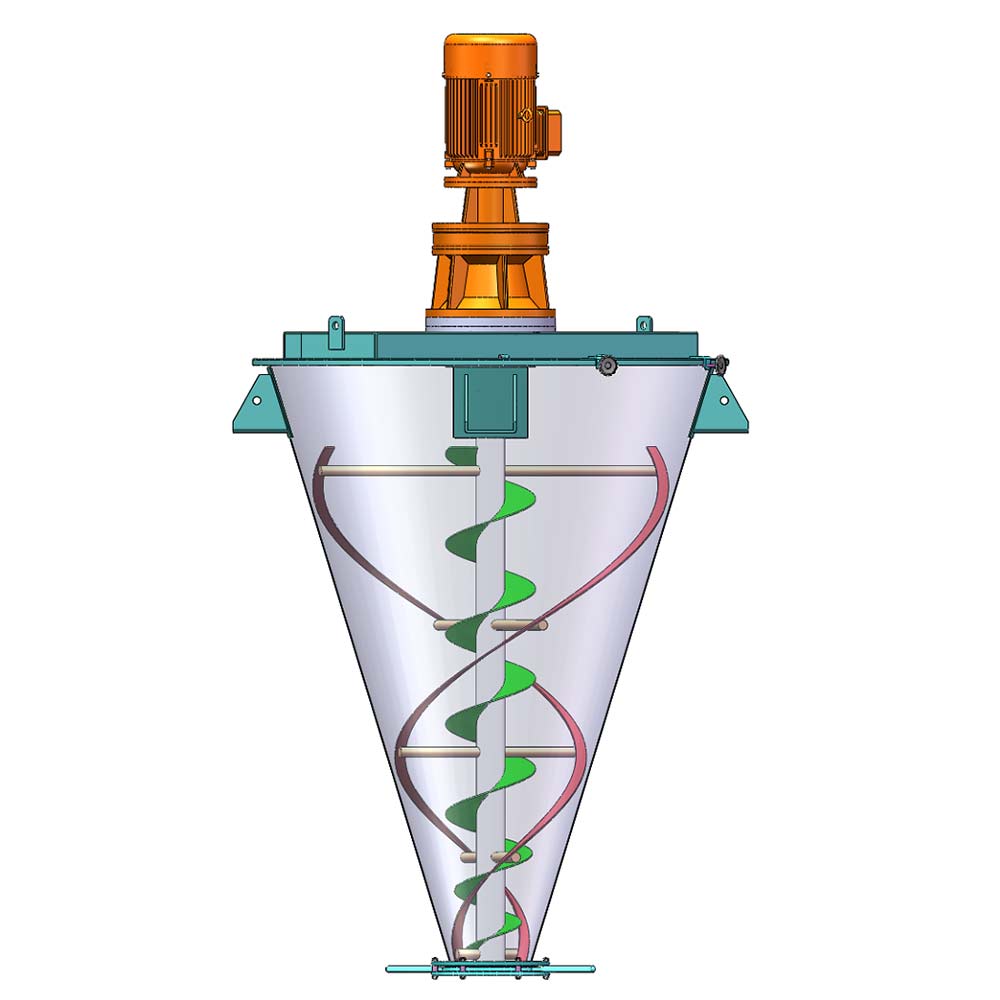
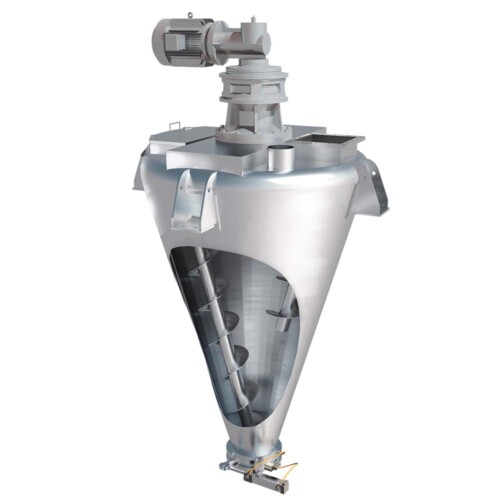
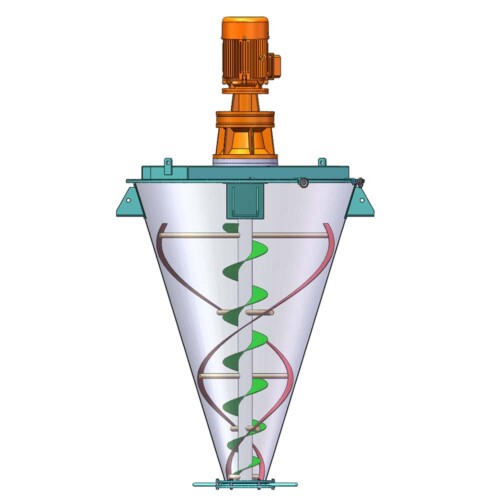
- Conical Twin-Screw Mixers
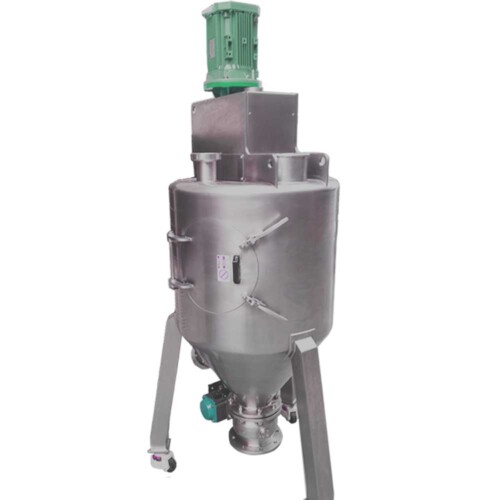
- Vertical Screw Ribbon Mixers
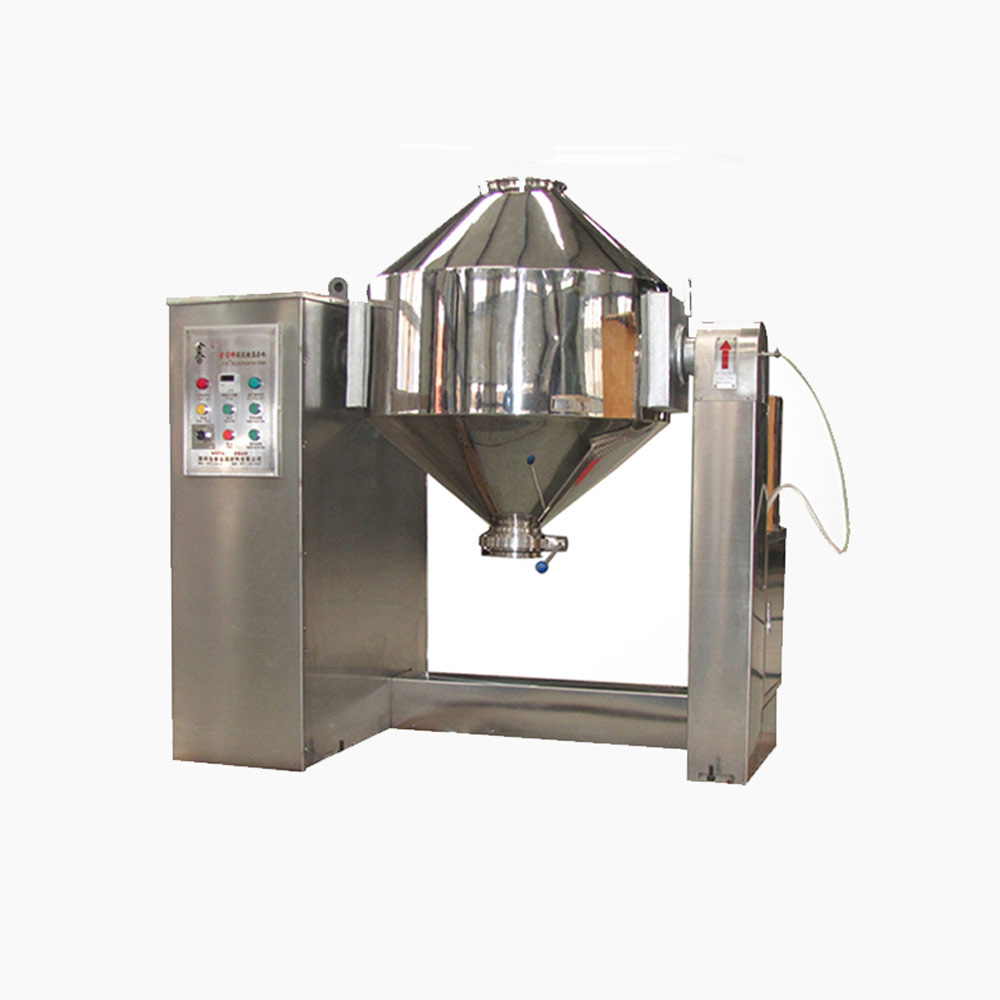
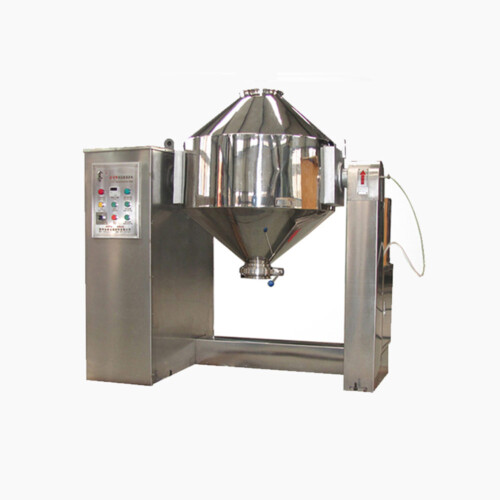
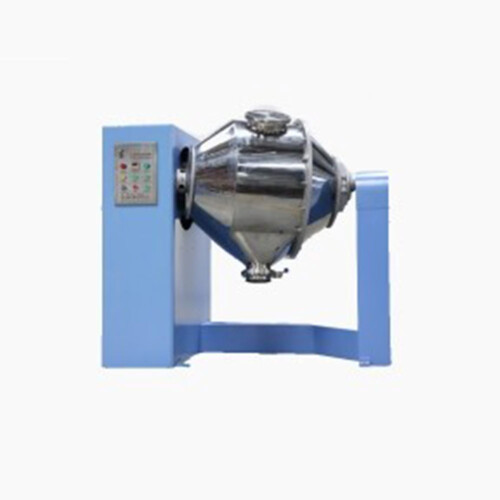
- Double Cone Mixers
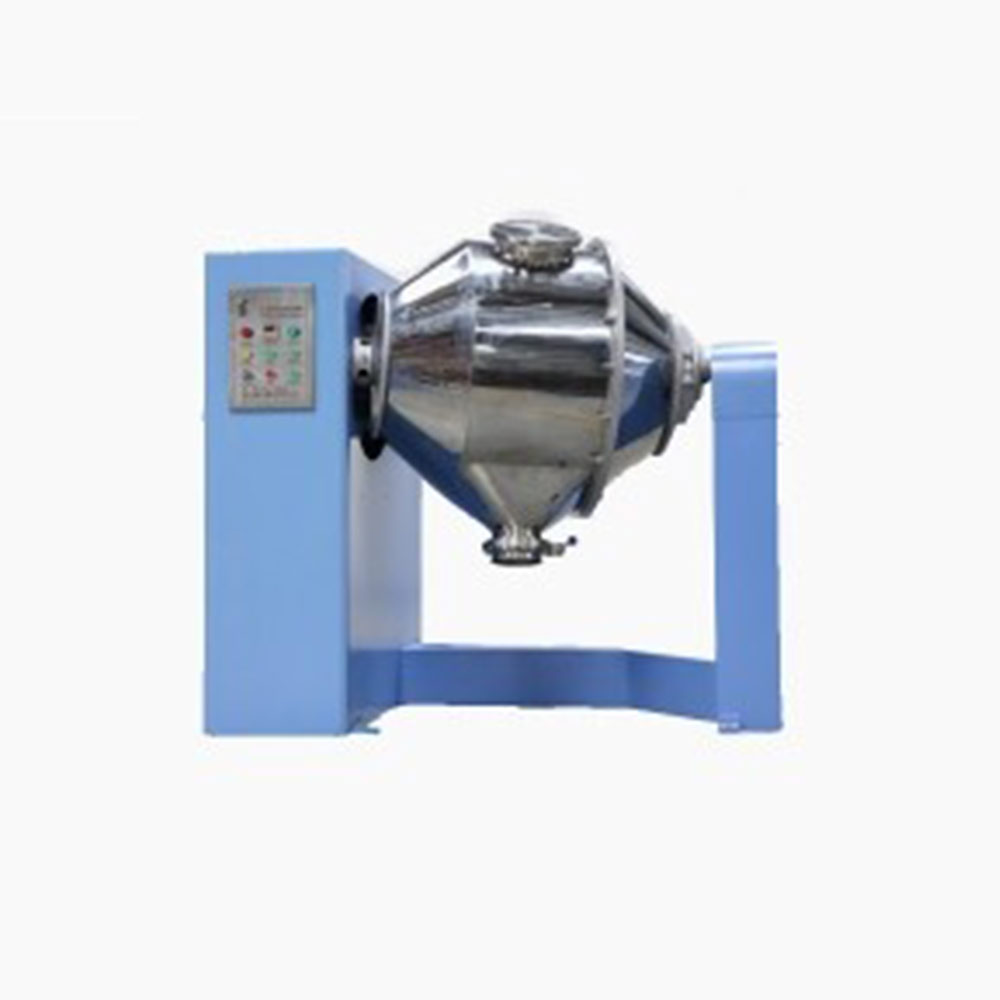
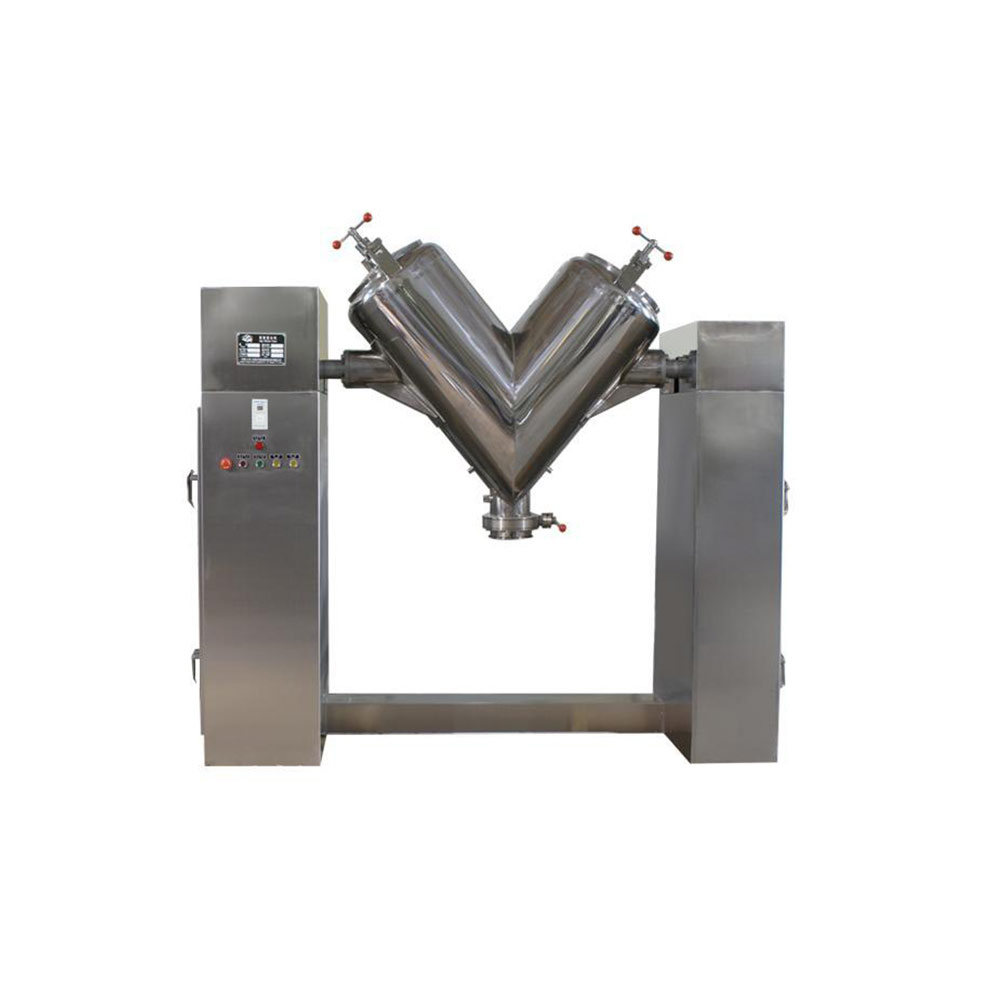
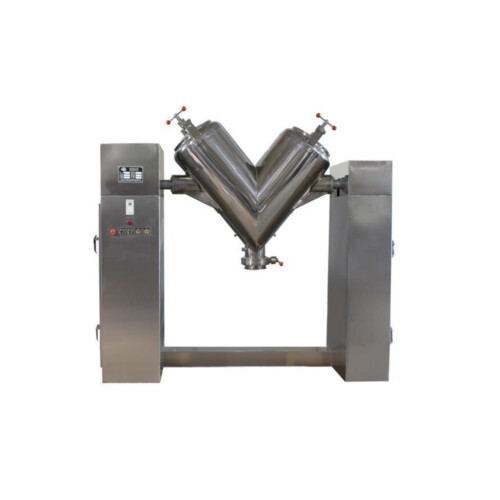
- V-Type Mixers
- 3D Motion Mixers
- Customized mixing systems and complete mixing lines
The most suitable mixer depends on your materials, production capacity, mixing ratio, required mixing time, and process conditions.
Mixer capacity should be evaluated using both the total vessel volume and the effective working volume. The required volume depends on material bulk density, batch weight, filling ratio and the mixing principle of the selected machine. A mixer should not normally be filled to its total geometric volume because sufficient space is required for material movement and effective mixing. For this reason, selecting a mixer based only on vessel volume can result in an unsuitable configuration.
The appropriate industrial powder mixer depends on several factors, including:
- Material characteristics
- Bulk density
- Particle size
- Required mixing uniformity
- Batch size or production capacity
- Moisture content
- Whether heating or drying is required
- Whether liquid addition is required
- Required discharge configuration
- Production and automation requirements
Vortex provides different powder mixer designs so that equipment can be selected according to the specific process requirements.
Vortex powder mixer selection depends on several factors, including:
- Material type and characteristics
- Bulk density and particle size
- Material flowability
- Moisture content
- Viscosity
- Mixing ratio
- Batch size or required production capacity
- Whether liquid addition is required
- Required mixing uniformity
- Temperature, pressure, vacuum, or other process requirements
Vortex engineers can recommend a suitable powder mixer based on your material and process requirements.
Yes, We can supply simple stand alone panels or automated PLC controlled systems. We normally install and test all controls on our mixers before they are shipped.
Yes, we normally test the mixers before they are shipped and mark out the wire need to connect on the control box.
We manufacture specialty mixing equipment for powder & bulk materials. Included are ribbon blender, plough mixer, conical screw mixer, twin shaft paddle mixer, V blender, double cone blender and other auxiliary equipment such as screw conveyor, quantitive auger filler.
We sell across the world, our cusotmers distribute 5 continents.
Share Us With Your Network
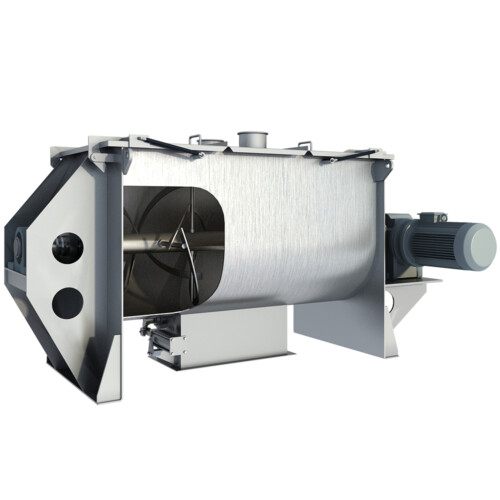
Electronic variable speed promotes processing flexibility in ribbon blenders – from soft start to discharge
Electronic variable speed promotes processing flexibility in ribbon blenders – from soft to discharge.
‘Soft starting’ protects blending equipment
Over the years, many ribbon blenders were built without any provision for starting at slow speed. Unfortunately, a dead load start presents many disadvantages, all of which increase costs. The buyer must choose between using an over-sized drive train that is capable of delivering the peak horsepower needed to get the batch moving or a lower torque drive train that is appropriate for powering the blender once it is running but overloaded when starting. The first choice is wasteful, since the larger motor is a glutton for power and its initial purchase price is high. The second choice is risky, since the high torque at start-up over-stresses the system and eventually causes maintenance problems.
Newer generation blenders are equipped with electronic variable frequency drives that can be programmed to allow a slow start under full load and protect the system against a spike in start-up torque. Electronic soft starters are also available but these allow only single speed operation during the blending cycle itself.
Flexibility in energy input
Variable speed in ribbon blenders is essential because it enables the operator to fine-tune shear energy during different stages of the blending operation. It is also a useful feature when processing various formulations on the same blender.
For example, it allows the agitator to run at slow or moderate speeds to protect fragile materials while on another batch it can run at full speed for quick blending of more hardy ingredients.
Fast, operator-friendly discharge
Running the ribbon agitator during discharge helps move product towards the valve. The discharge operation can often be completed faster compared to processes that rely on gravity alone. Materials that need more assistance in discharging benefit from running the agitator at higher speeds, while more freeflowing or lightweight powders will require only gentle agitation to move quickly but with minimal dusting. Along with varying blender speed, the operator can also manipulate the valve opening to speed up or slow down the flow of materials being discharged. This level of control over the discharge rate is especially important when different recipes need to be discharged into a variety of packaging and filling equipment.
A manufacturer of powdered beverage mixes reported a 76% acceleration in their blending process and a significant mprovement in product discharge and changeover when they moved their operations from a V-cone tumble blender into a Vortex ribbon blender. The changeover procedure was cut from 25 minutes to 10 as their variable speed ribbon blender provides them better control in handling a variety of products – from granular materials like malto-dextrin, fast-flowing powders like fructose crystals, and even reluctant materials like soy and whey that need encouragement to move quickly through the discharge valve.
Ask An Expert