Ask An Expert
Frequently Asked Questions
Vortex mixers are designed for a wide variety of powders, granules, and powder-liquid mixtures.
Typical applications include chemical powders, food ingredients, pharmaceutical powders, animal feed, dry mortar, ceramics, battery materials, fertilizers, pesticides, minerals, refractory materials, and other bulk solids. The actual mixer configuration should be selected according to the physical and chemical properties of the material.
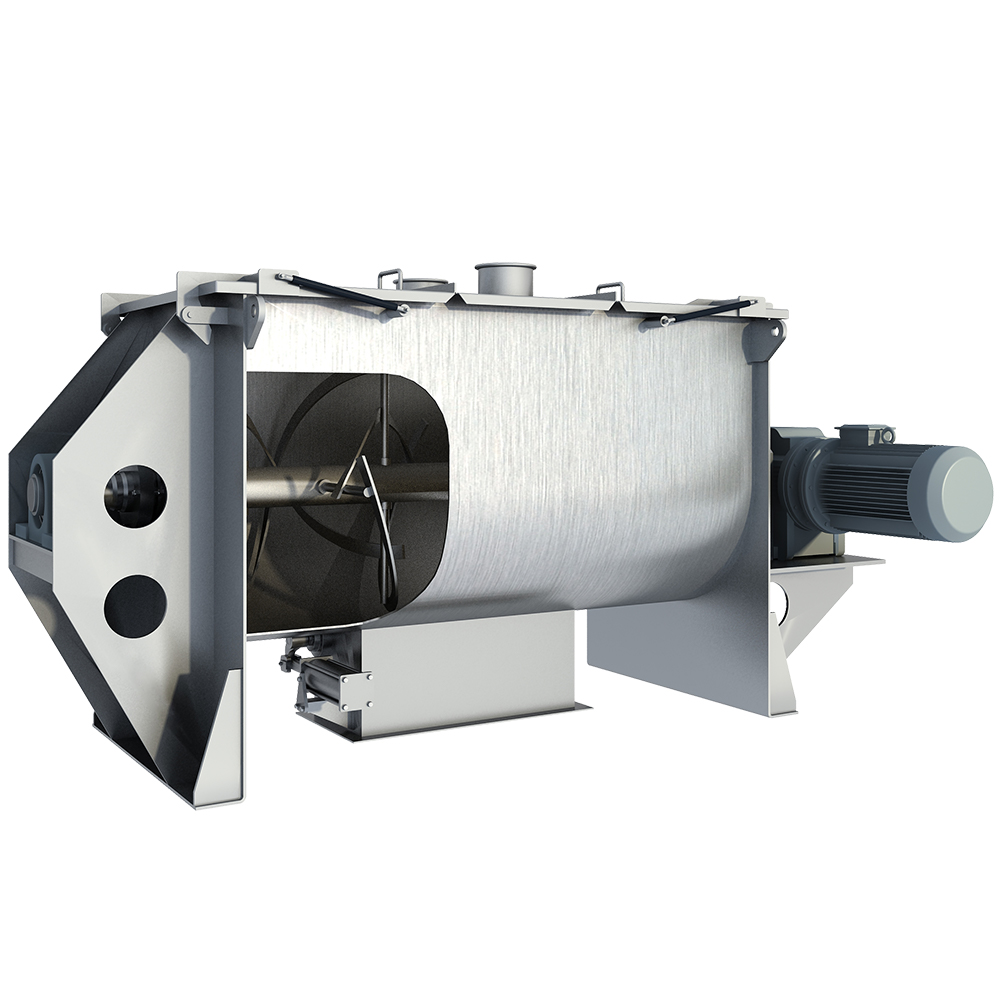
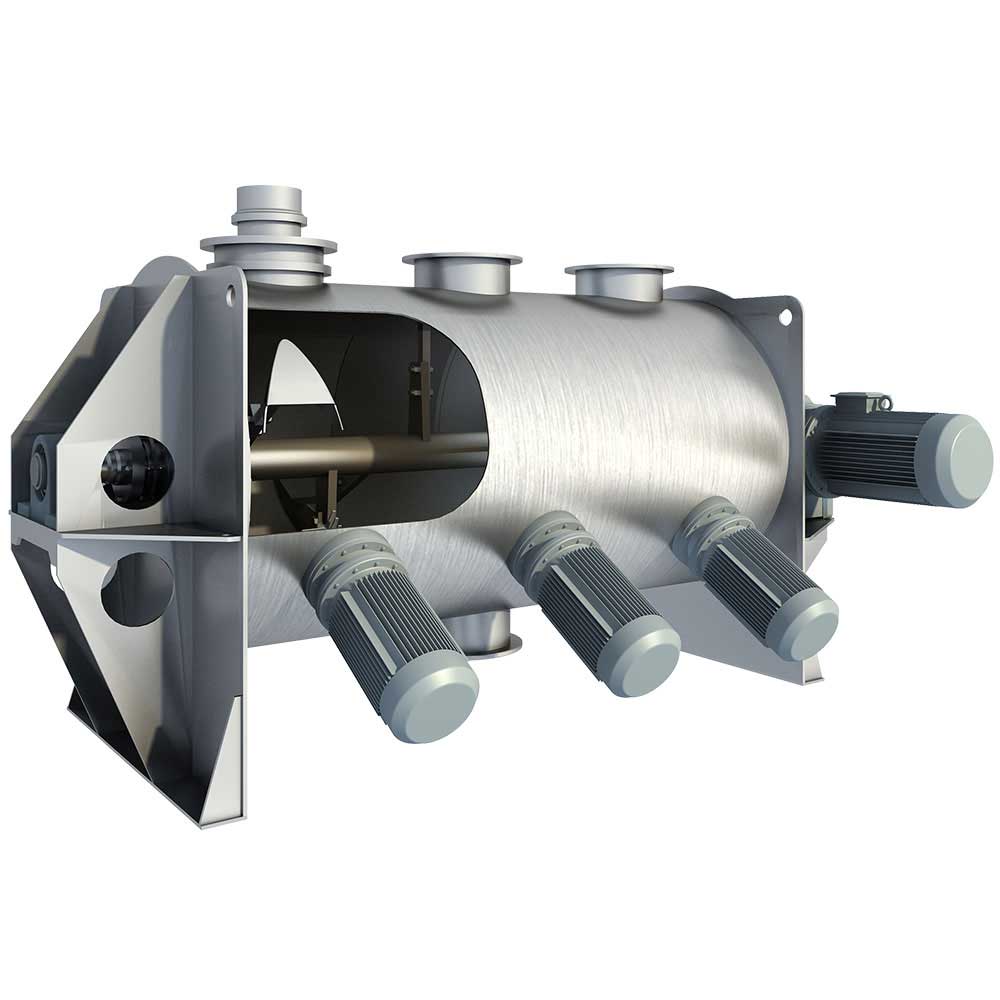
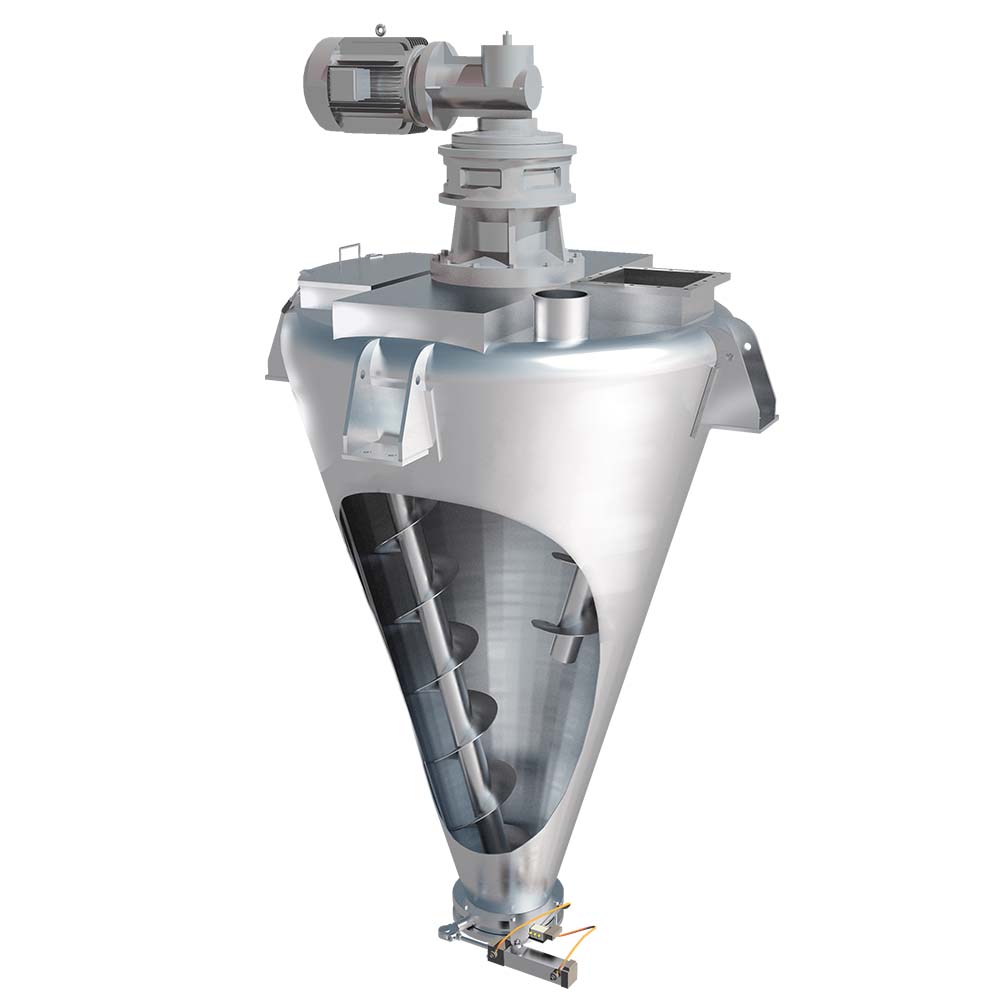
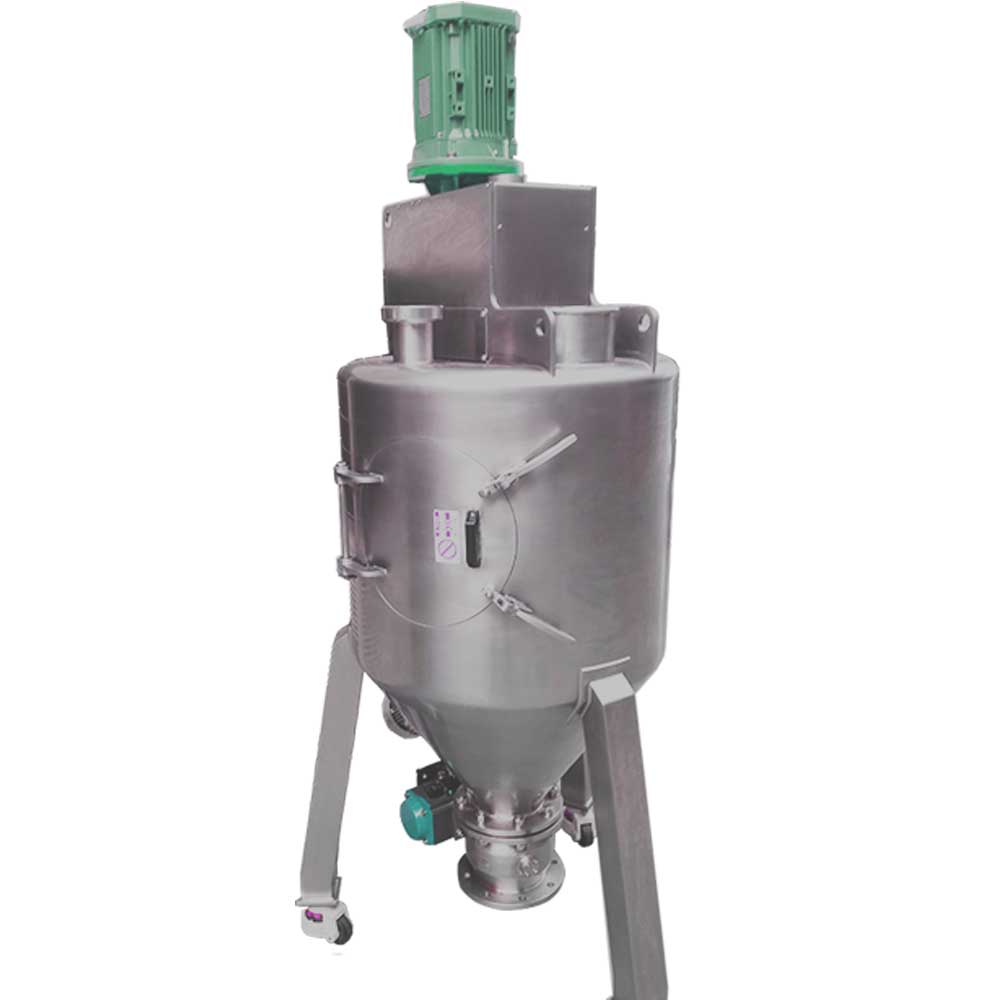
Vortex manufacture a wide range of industrial powder and bulk solids mixing equipment, including:
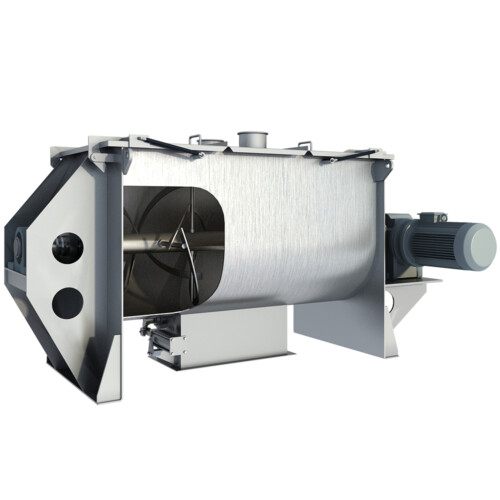
- Horizontal Ribbon Mixers
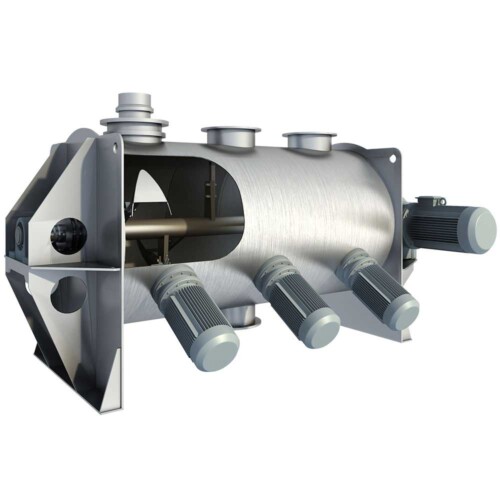
- Ploughshare Mixers
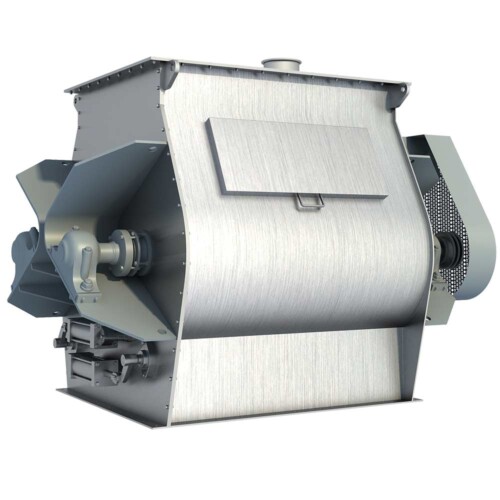
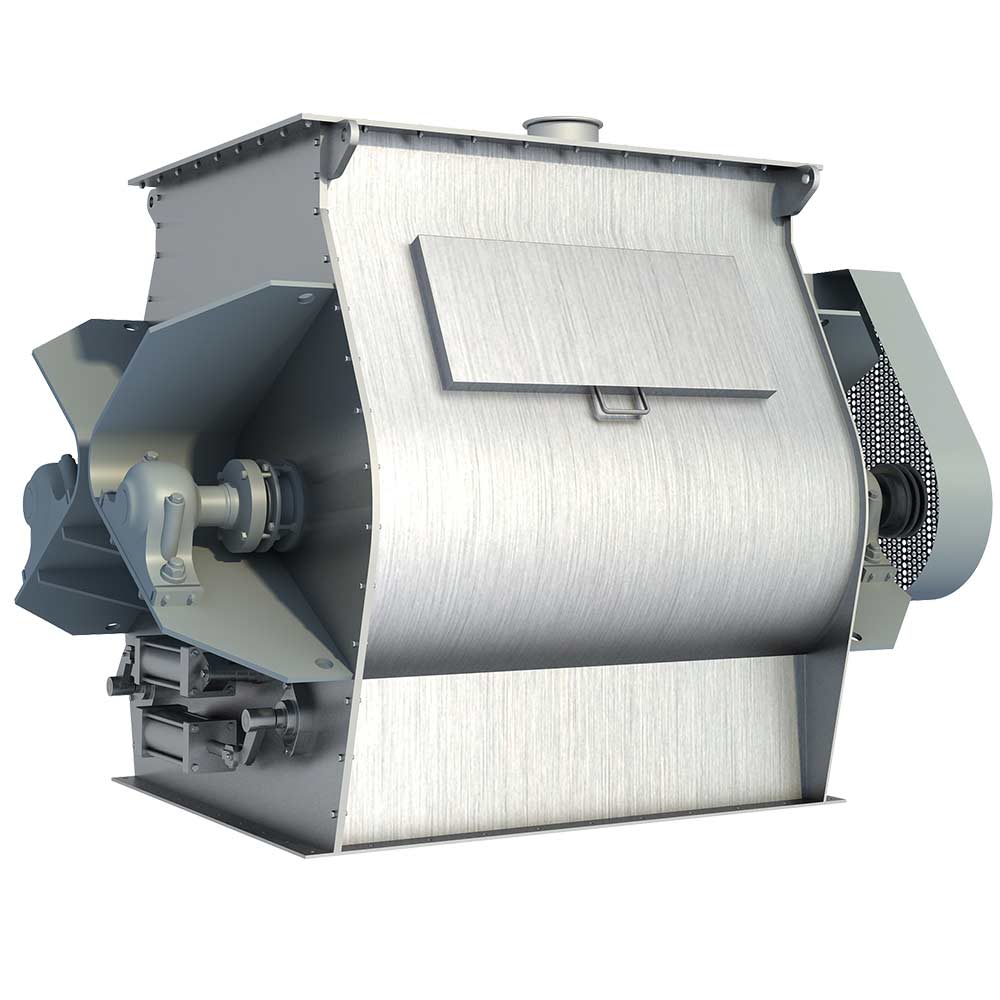
- Double Shaft Paddle Mixers (Paddle Mixers / “No-Gravity” Mixers)
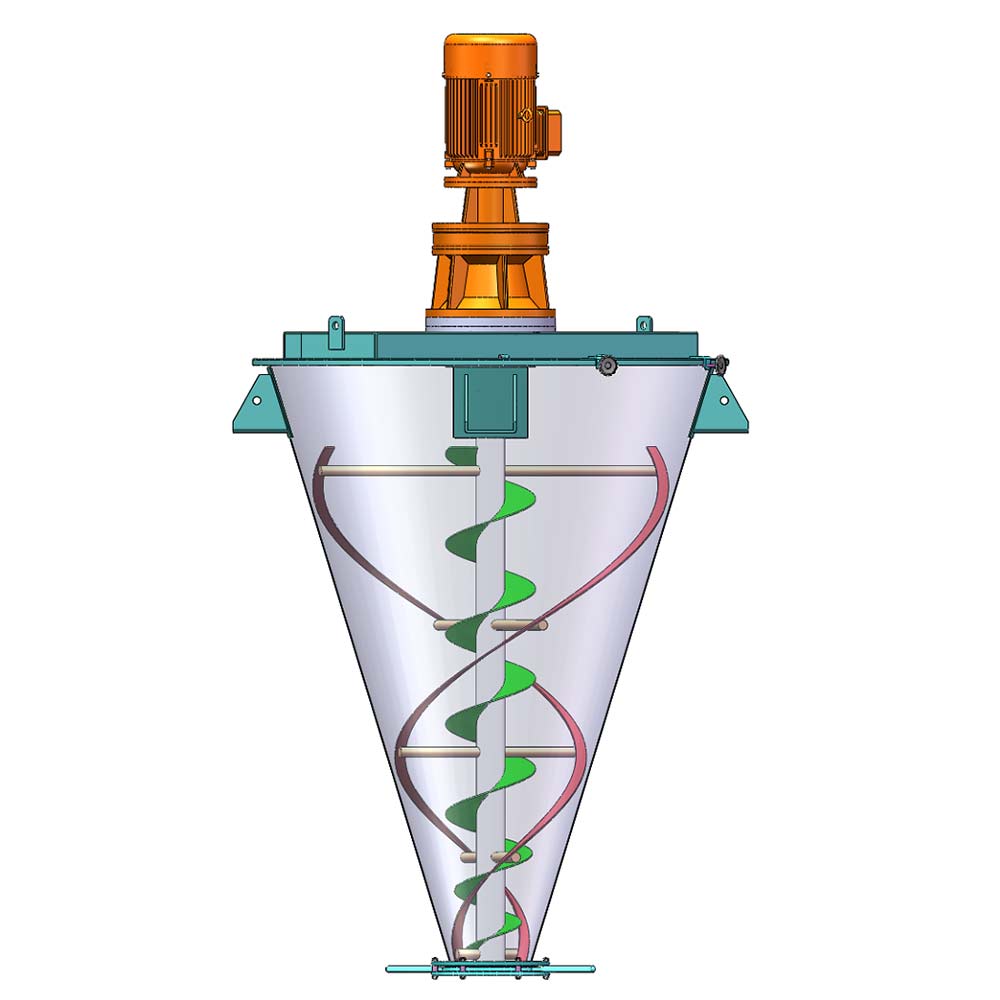
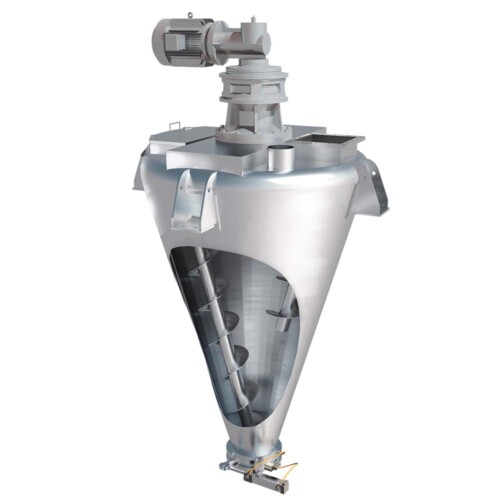
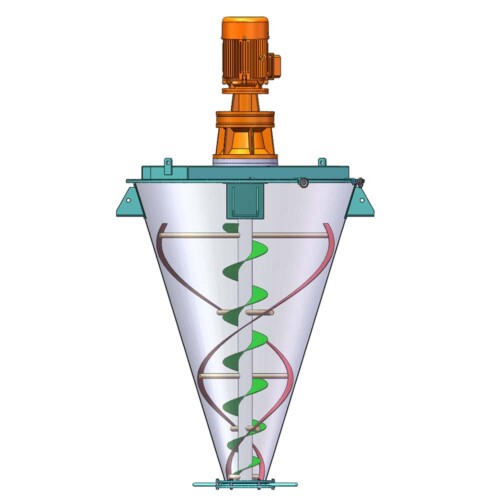
- Conical Twin-Screw Mixers
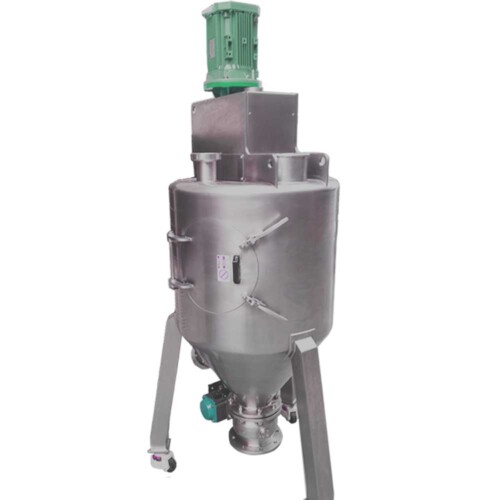
- Vertical Screw Ribbon Mixers
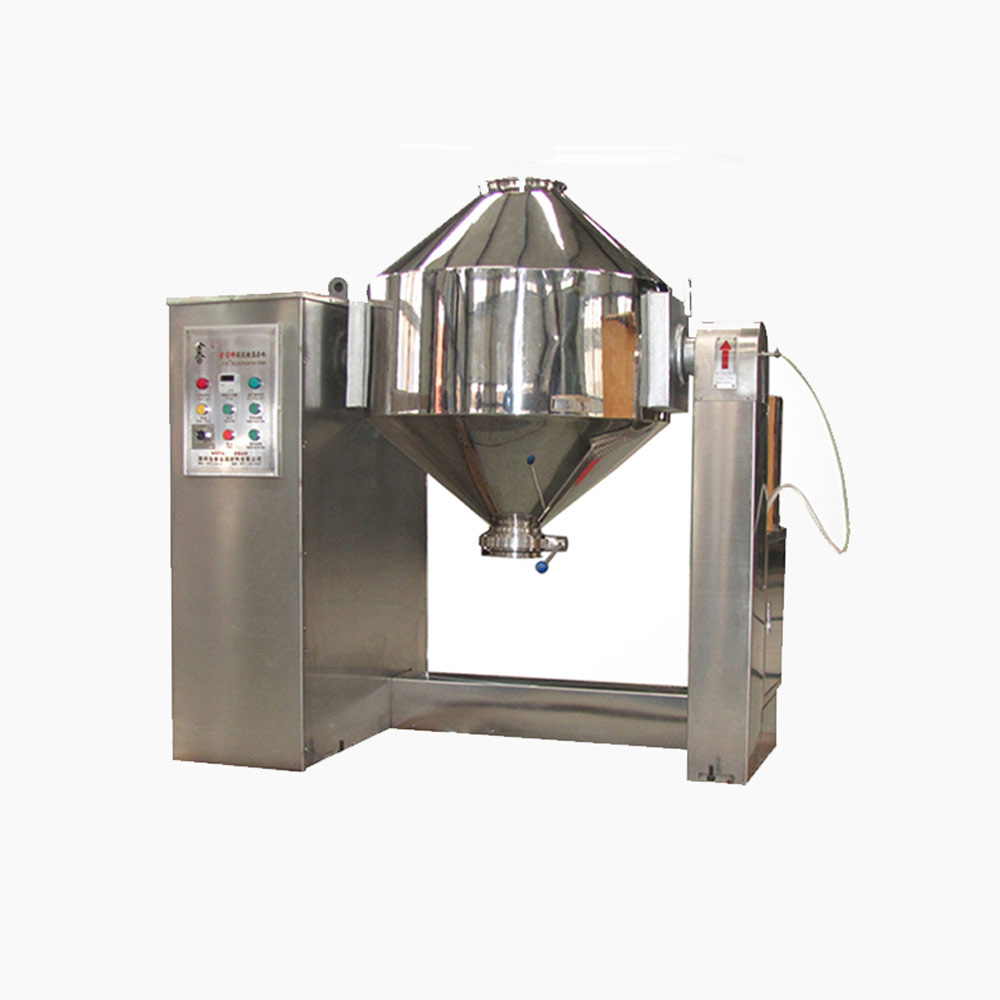
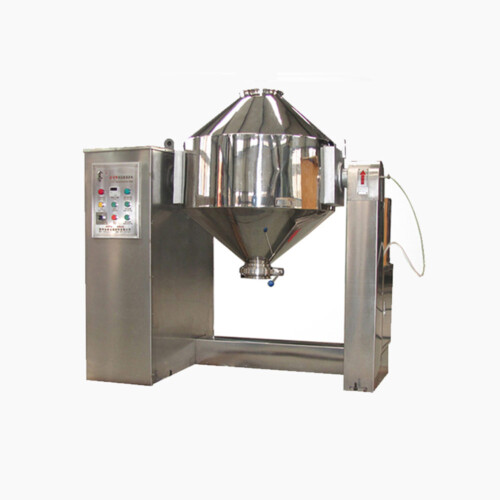
- Double Cone Mixers
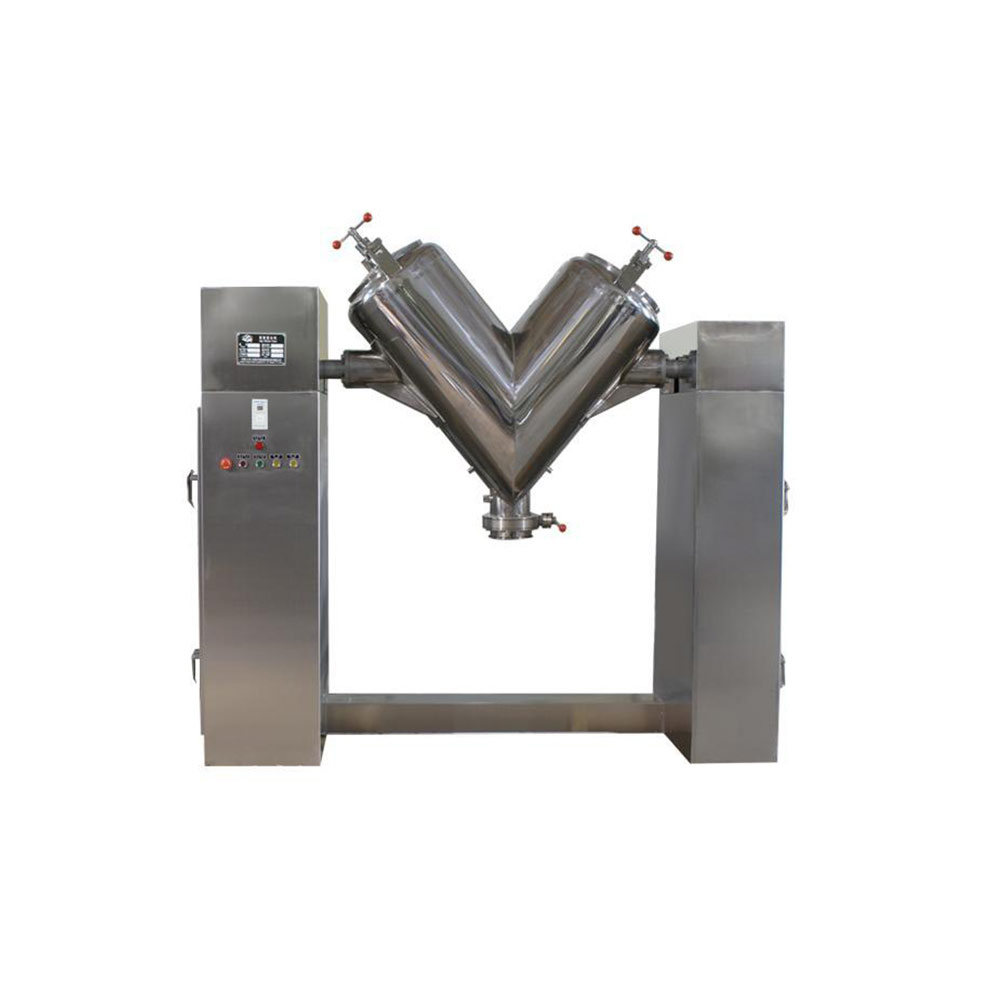
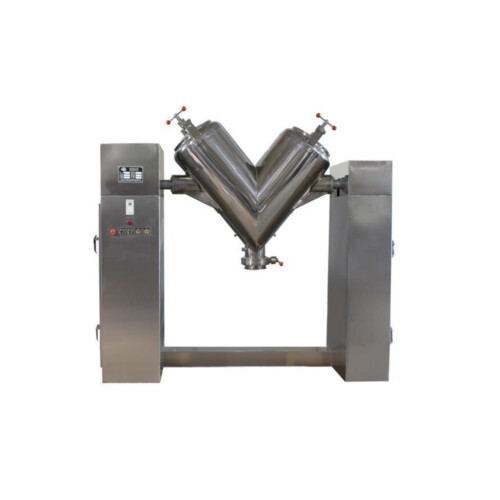
- V-Type Mixers
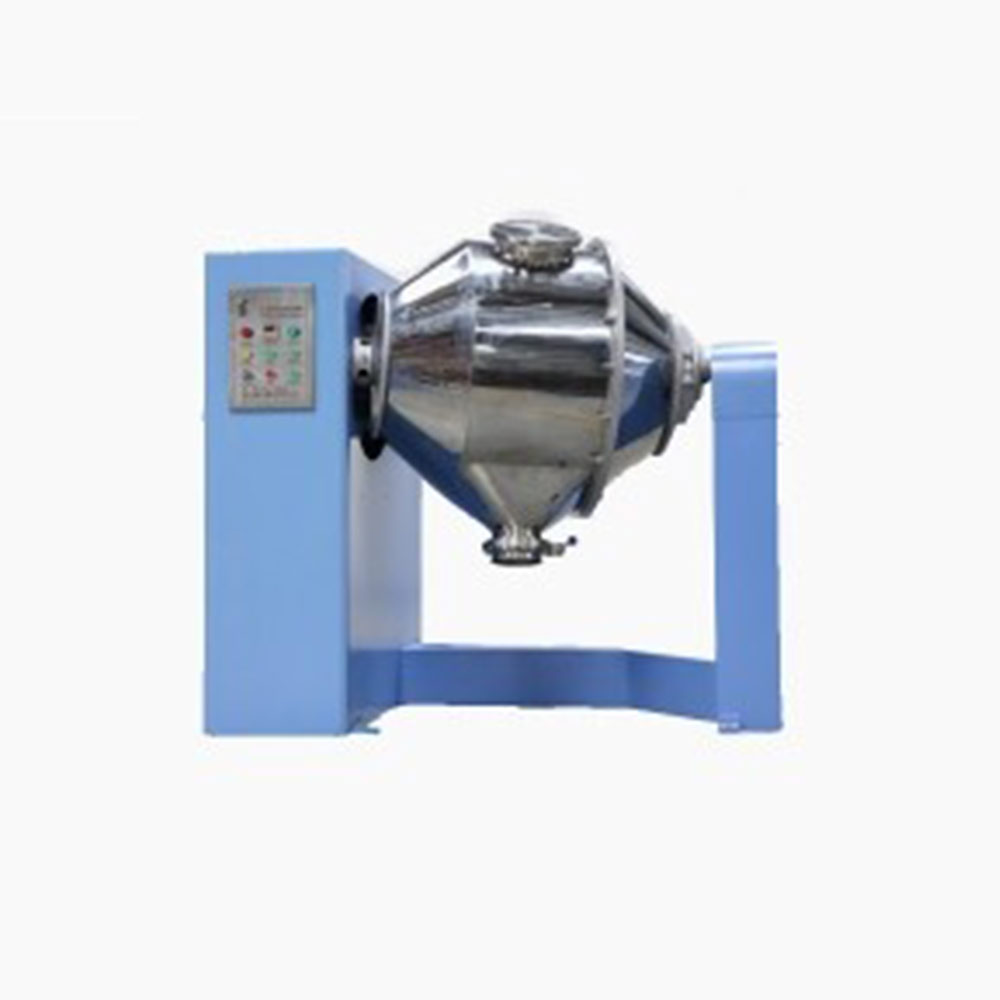
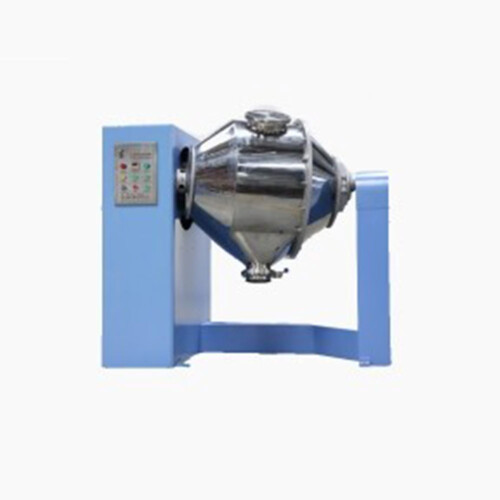
- 3D Motion Mixers
- Customized mixing systems and complete mixing lines
The most suitable mixer depends on your materials, production capacity, mixing ratio, required mixing time, and process conditions.
Mixer capacity should be evaluated using both the total vessel volume and the effective working volume. The required volume depends on material bulk density, batch weight, filling ratio and the mixing principle of the selected machine. A mixer should not normally be filled to its total geometric volume because sufficient space is required for material movement and effective mixing. For this reason, selecting a mixer based only on vessel volume can result in an unsuitable configuration.
The appropriate industrial powder mixer depends on several factors, including:
- Material characteristics
- Bulk density
- Particle size
- Required mixing uniformity
- Batch size or production capacity
- Moisture content
- Whether heating or drying is required
- Whether liquid addition is required
- Required discharge configuration
- Production and automation requirements
Vortex provides different powder mixer designs so that equipment can be selected according to the specific process requirements.
Vortex powder mixer selection depends on several factors, including:
- Material type and characteristics
- Bulk density and particle size
- Material flowability
- Moisture content
- Viscosity
- Mixing ratio
- Batch size or required production capacity
- Whether liquid addition is required
- Required mixing uniformity
- Temperature, pressure, vacuum, or other process requirements
Vortex engineers can recommend a suitable powder mixer based on your material and process requirements.
Yes, We can supply simple stand alone panels or automated PLC controlled systems. We normally install and test all controls on our mixers before they are shipped.
Yes, we normally test the mixers before they are shipped and mark out the wire need to connect on the control box.
We manufacture specialty mixing equipment for powder & bulk materials. Included are ribbon blender, plough mixer, conical screw mixer, twin shaft paddle mixer, V blender, double cone blender and other auxiliary equipment such as screw conveyor, quantitive auger filler.
We sell across the world, our cusotmers distribute 5 continents.
Share Us With Your Network
Two-Shafts Paddle Mixer – Complete Guide to Its Uses and Industrial Applications
Introduction
In manufacturing today, speed, evenness, and gentleness of mixing raw material is what determines quality of the final product. Mixing technology is at the heart of production, whether it is pharmaceuticals with a necessary control on the distribution of active ingredients, food industries with the need to master the uniformity of the flavor, or construction companies that mix dry mortars.
One machine that has emerged as an industry standard is the Two-Shafts Paddle Mixer, also known as a Twin Shaft Paddle Mixer or Double Shaft Paddle Mixer. This is a highly efficient industrial mixer with a design that gives it the shortest mixing time, high homogeneity, and capability of mixing various materials. It can be used in industries with quite different needs, whether fine powders, or sticky pastes.
The Principle of the Two-shafts Paddle Mixer Work.
The central component in the Two-Shafts Paddle Mixer is two shafts that rotate in opposite directions and are mounted horizontally. These are shafts made with specifically designed paddles that are placed at specific angles. The paddles, via rotational movement of the shafts, are lifted and tossed into the air forming what is referred to as a fluidized mixing zone.
Key Features of the Mixing Process:
Quick mixing time – The vast majority of batches can be blended in less than 30 seconds up to 3 minutes.
Light mixing – Low shear: Dainty ingredients such as granules, pellets and crystals will not be ruined.
Uniform liquid addition- Spray nozzles can be used to coat or moisturize powders with binders, oils or flavors.
Effective emptying – Bottom bomb-bays have valves that empty quickly with virtually no residue.
Scalability – Successfully used in small laboratory scale and scale industrial mixers.
This speed, accuracy and soft handling makes the Two-Shafts Paddle Mixer sing to a song when compared to ribbon mixers, ploughshare mixers or other traditional mixer designs.
Uses of the Two-Shafts Paddle Mixer
Two-Shafts Paddle Mixer does not have a standard industry. Its capability of handling a broad range of materials renders it to be applicable to various purposes:
Powder Blending – Suits well to dry powders of various particle sizes and densities with no segregation following the blending.
Coating of Granules – Powders or granules can be sprayed with liquids like oils, flavorings or binding liquids.
Paste and Slurry Mixing – Processes sticky semi-wet products with no clogging or lump forming.
Agglomeration – involves uniform agglomeration in the case of spraying binders upon powders.
Thermal Mixing – The mixer: The mixer could regulate the temperature of materials in delicate operations with heating/cooling jackets.
Homogenization of Additives – Ensures consistent distribution of micro-ingredients or additives in bulk products.
Applications Across Industries
Pharmaceutical Industry
In pharmaceuticals accuracy and consistency are very important. Two-Shafts Paddle Mixer is applied in:
- Combining pharmaceutical ingredients, active (APIs) with excipients.
- Combining powders in capsules and tablets.
- Before compression, make granules by adding binders.
- Enhancing powders with liquid flavours or stabilizers.
Its mild mixing and quick release minimizes the risk of contamination and keeps GMP (Good Manufacturing Practice) standards.
Food and Beverage Industry
The mixer is important to the food processors because:
- Flour and baking mixes.
- Instant soup and beverage powders.
- Seasonings, spices and flavor blends.
- Ready-to-eat snack seasonings.
Fluidized mixing principle makes sure that the flavor is distributed evenly and the flavor remains constant in all the batches whereas soft handling maintains the texture and aroma.
Animal Feed Industry
The animal feeds require uniformity of the nutrient. The mixer is widely used for:
- Combining bulk feed with vitamins, minerals and protein additives.
- Coating the pellets using oils, molasses or medicines.
- Making poultry, cattle, and aquaculture feed pre-mixes.
Its high cycle times enable the large-scale feed manufacturer to achieve higher throughput without compromising quality.
Chemical and Mineral Industry
For chemicals, minerals, and ceramics, the mixer delivers:
- Homogeneous blending of pigments, resins, and polymers.
- Preparation of fertilizers and agrochemicals.
- Combination of abrasive mineral powders such as silica, cement and ceramics.
- Safety customization of handling hazardous or explosive powders.
Dating back to the highly reliable mixer with its customizable design (explosion-proof motors, sealed systems, cooling jackets), the mixer can be highly reliable in demanding environments.
Construction Materials
This mixer is used in the construction industry to manufacture:
- Dry mortars and plasters.
- Cement additives.
- Lightweight concrete mixtures.
Tile adhesives and grouts.
The brief mixing duration and homogeneity means construction material is consistent and this has a direct impact on the building durability and performance.
Plastics and Additives
The mixer is applied in the processes of plastics and polymer:
- De-pigmenting.
- Adding fillers to plastic granules.
- Additive masterbatches.
- Pre-treating resins before extrusion or molding.
The performance of preventing the heavy and light particles segregation guarantees product quality and consistency.
Cosmetics and Personal Care
Cosmetic and skincare industries value the mixer for:
- Mixing powders such as talc, pigments and clays.
- Cooking pastes, cream and scrubs.
- Adding oils, fragrances and activities in equal proportions.
It ensures clean, homogenous textures that are necessary to consumer satisfaction.
Advantages Over Other Mixers
The Two-Shafts Paddle Mixer is better than the ribbon mixer or V-blender or ploughshare mixer in that it:
- Reduced mixing interval (1-3 minutes).
- Enhanced consistency even with densities of different materials.
- Delicate treatment with minimal break-even of the particles.
- Higher flexibility for powders, pastes, granules, and liquids.
- Efficient discharge with little to no residue.
- Energy saving as a result of the fluidized mixing principle.
- Custom options like CIP (Clean-In-Place), vacuum capability, and automation.
This renders it a future-proof investment to the companies which require long-term stability.
The selection of the Two-Shafts Paddle Mixer.
In choosing a mixer, manufacturers must take into consideration:
- Batch size and production volume.
- Type of materials (powder, granules, pastes, fragile materials).
- The moisture and the necessity of addition of liquid.
- Heat (or cooling jackets can be required).
- Cleaning requirements – hygienic design for food or pharma.
- Automation requires recipe control, upstream and downstream integration.
- Safety standards – explosion-proof designs for chemical or powder handling.
Conclusion:
The Two-Shafts Paddle Mixer is not a machine per se but one of the process enablers that assure uniformity, velocity, and flexibility in various industries. In the case of pharmaceuticals where specific doses are needed or construction firms that need to use the same type of mortar mixtures, the mixer can fit any range needed without affecting the quality.
It is one of the keystones of modern manufacturing technology due to its ability to mix rapidly, move gently, be homogeneous, and versatile. As people increasingly require efficiency and consistency, the Two-Shafts Paddle Mixer by INC Machine will be among the most trusted solutions to industrial mixing.
Ask An Expert