Ask An Expert
Frequently Asked Questions
Yes, We can supply simple stand alone panels or automated PLC controlled systems. We normally install and test all controls on our mixers before they are shipped.
Yes, we normally test the mixers before they are shipped and mark out the wire need to connect on the control box.
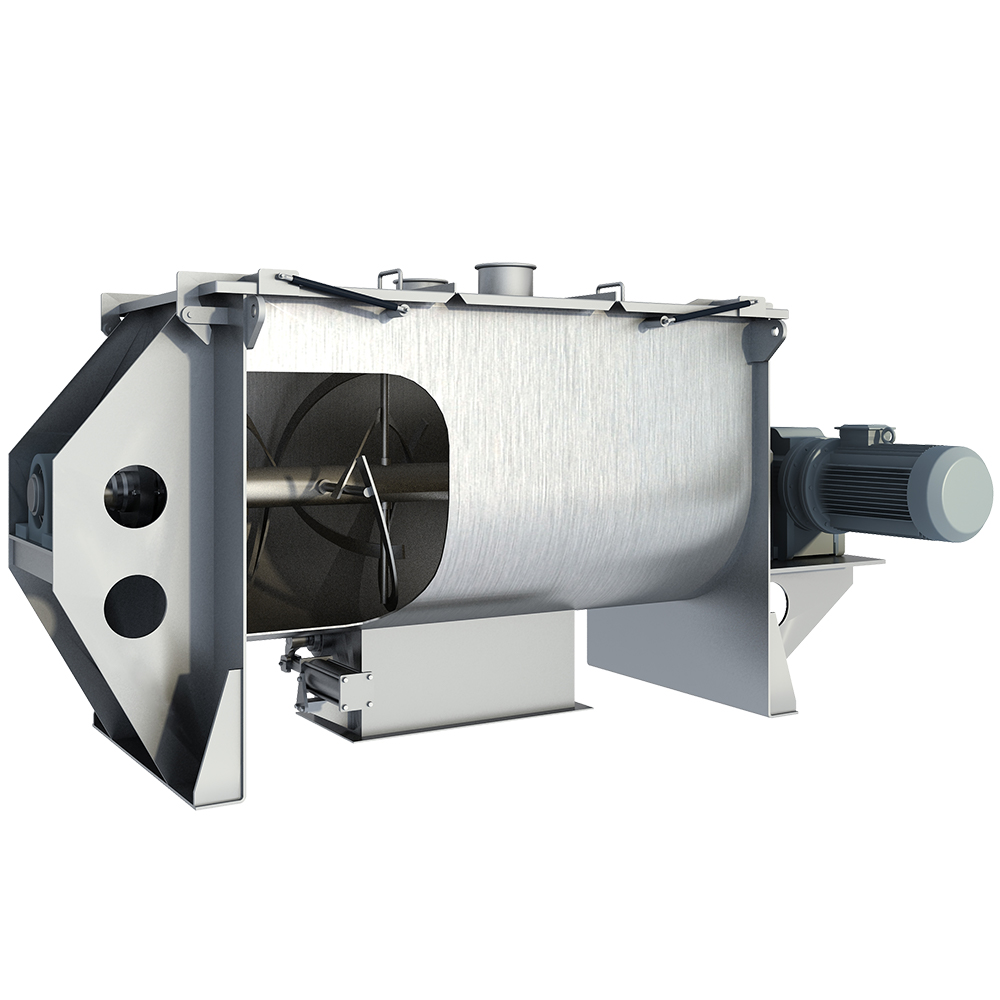
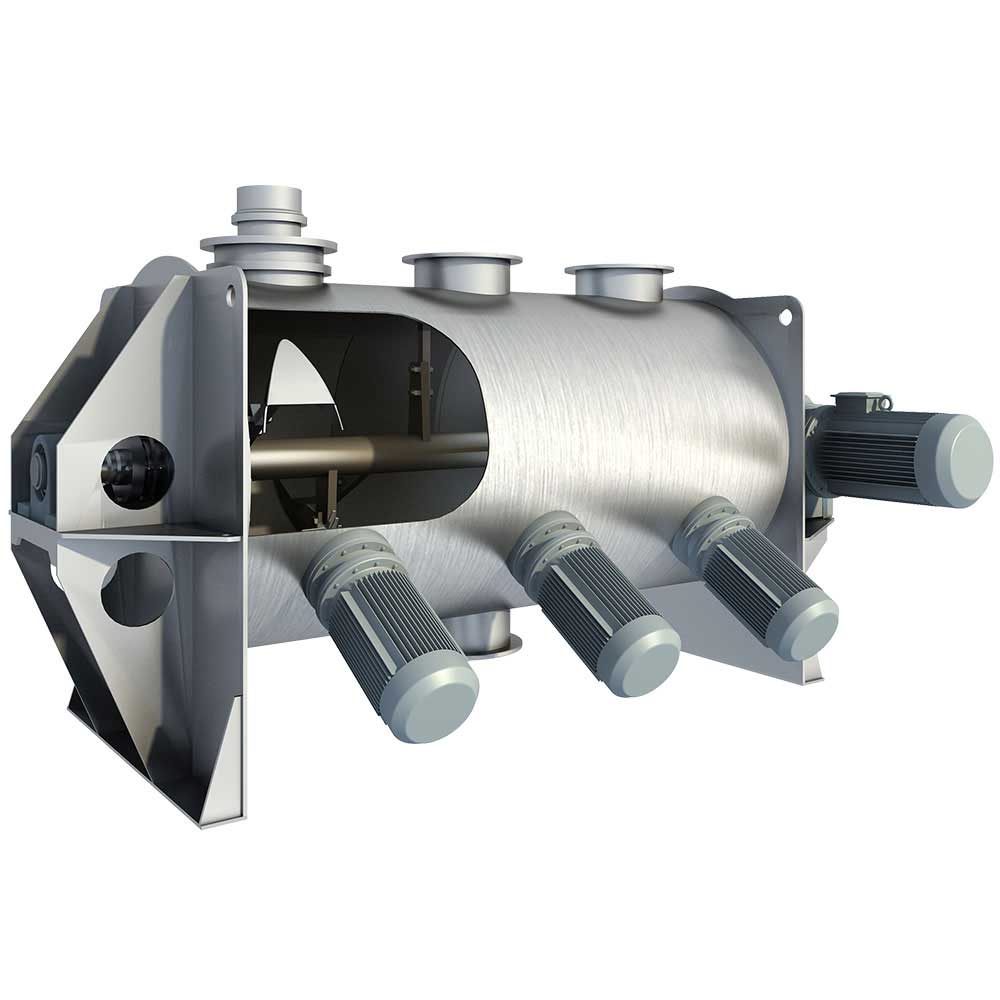
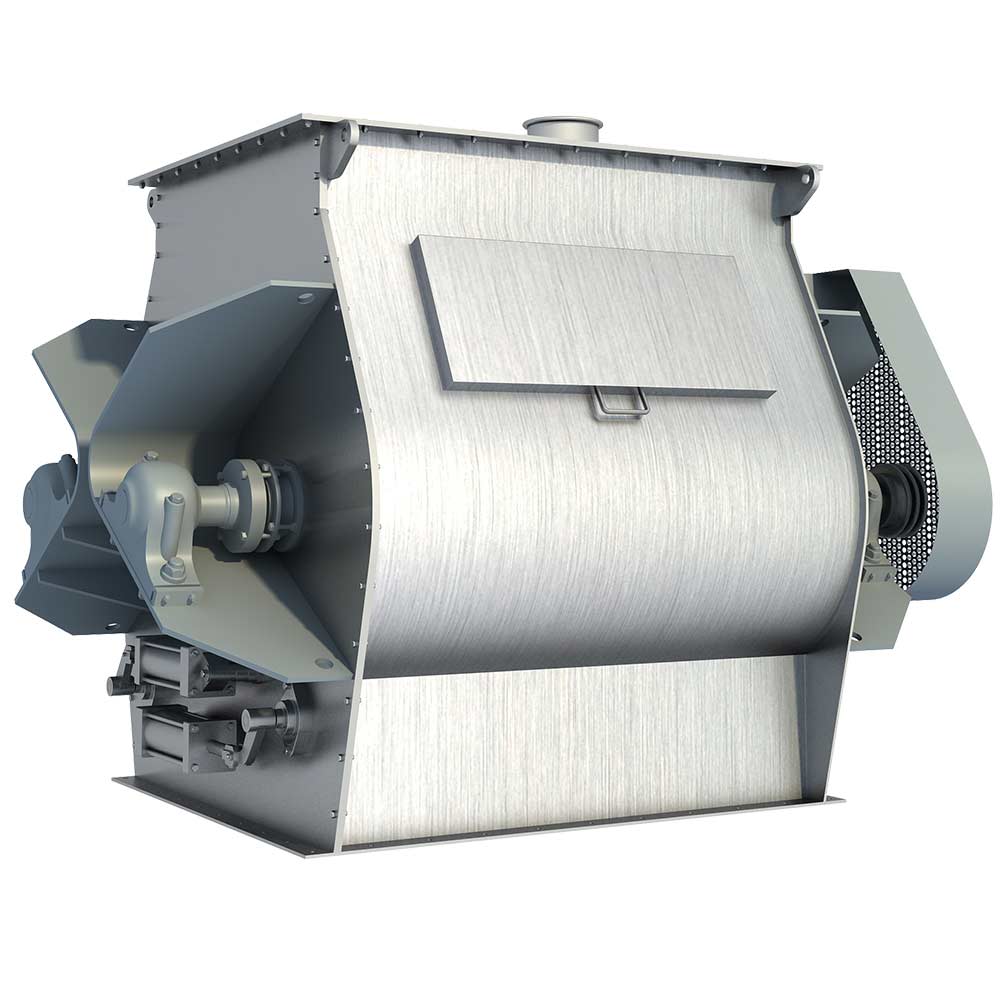
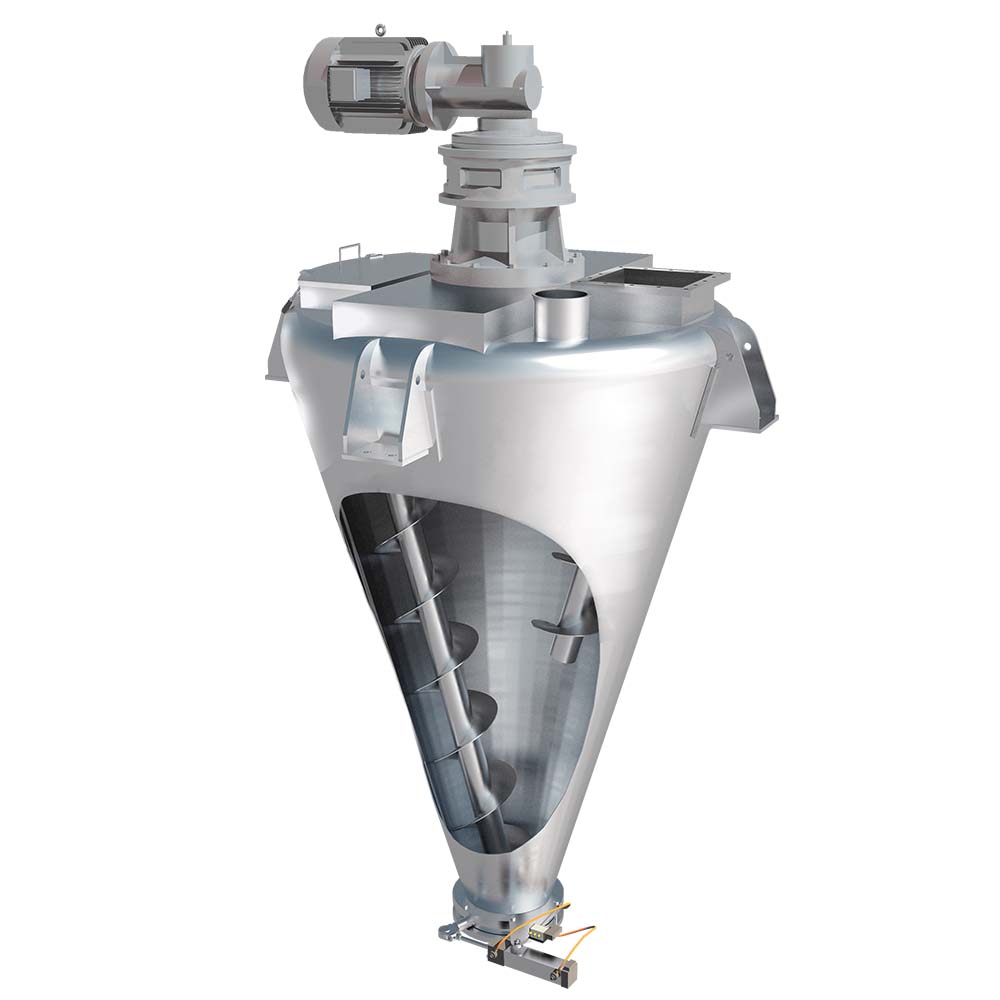
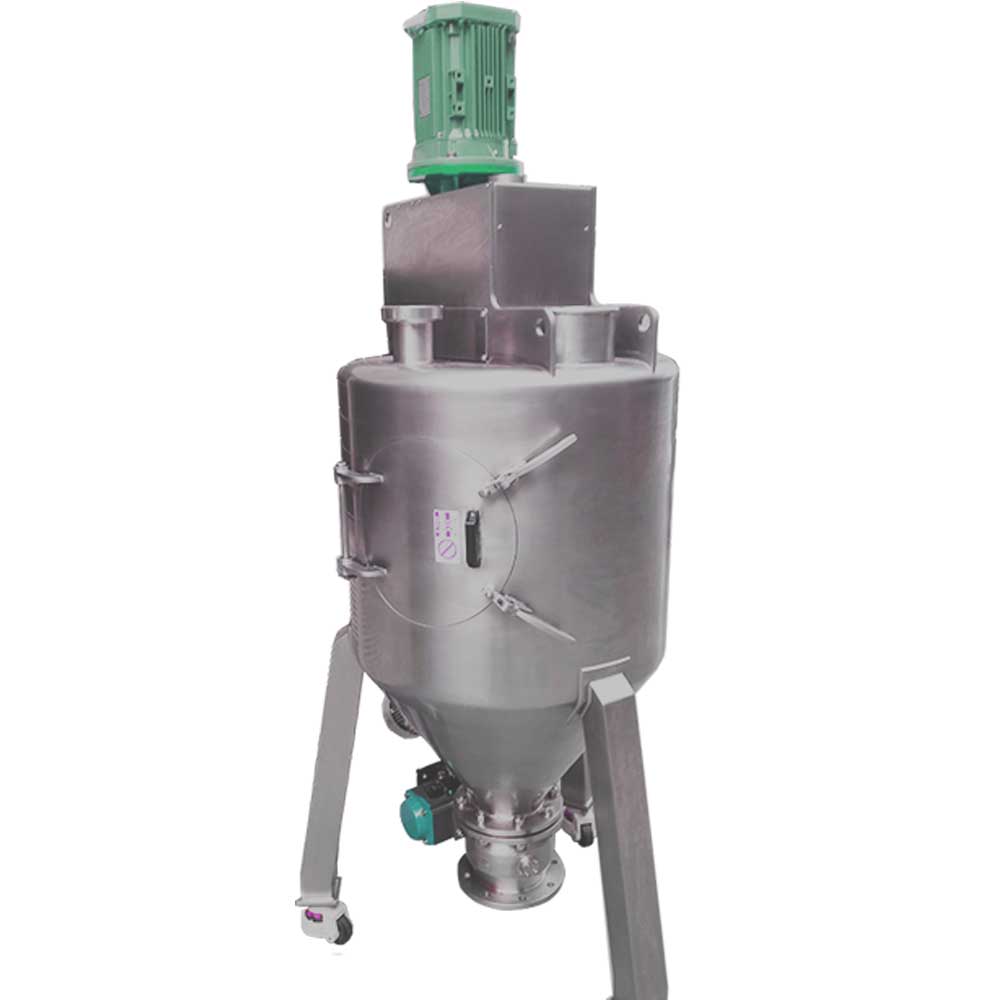
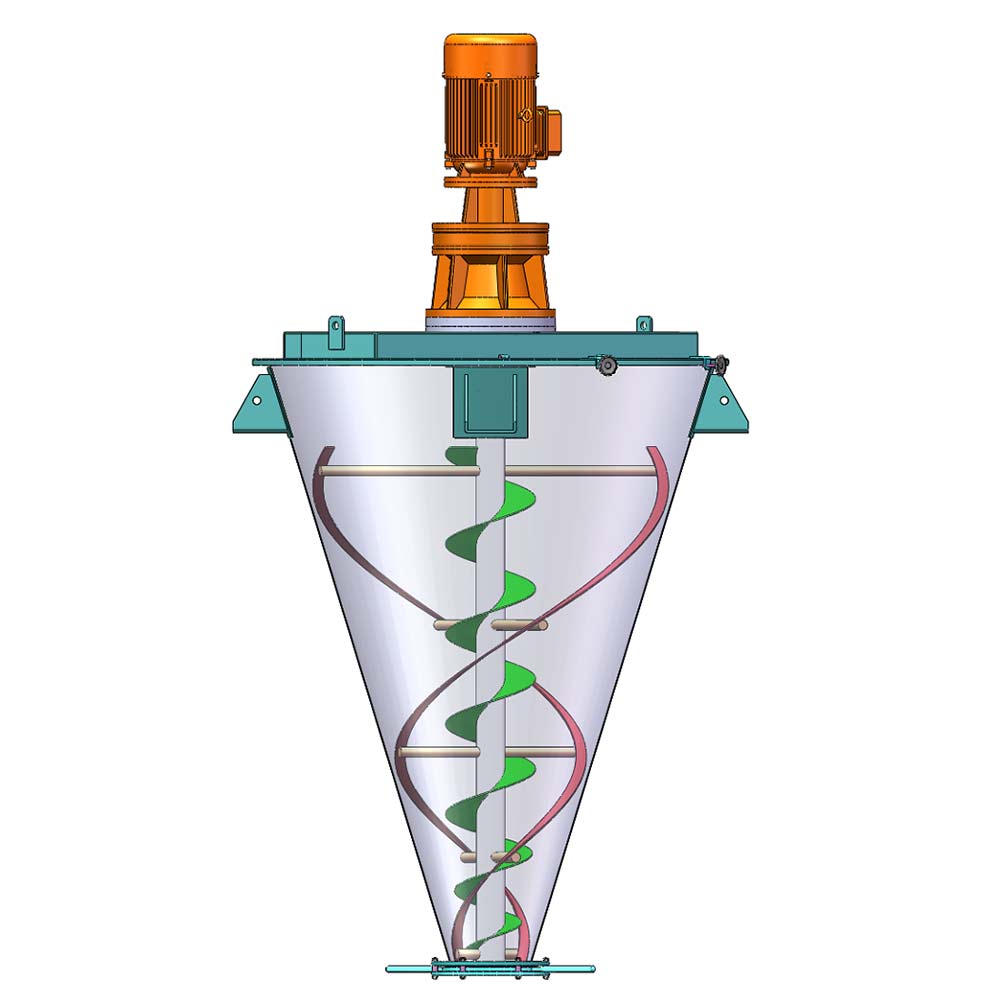
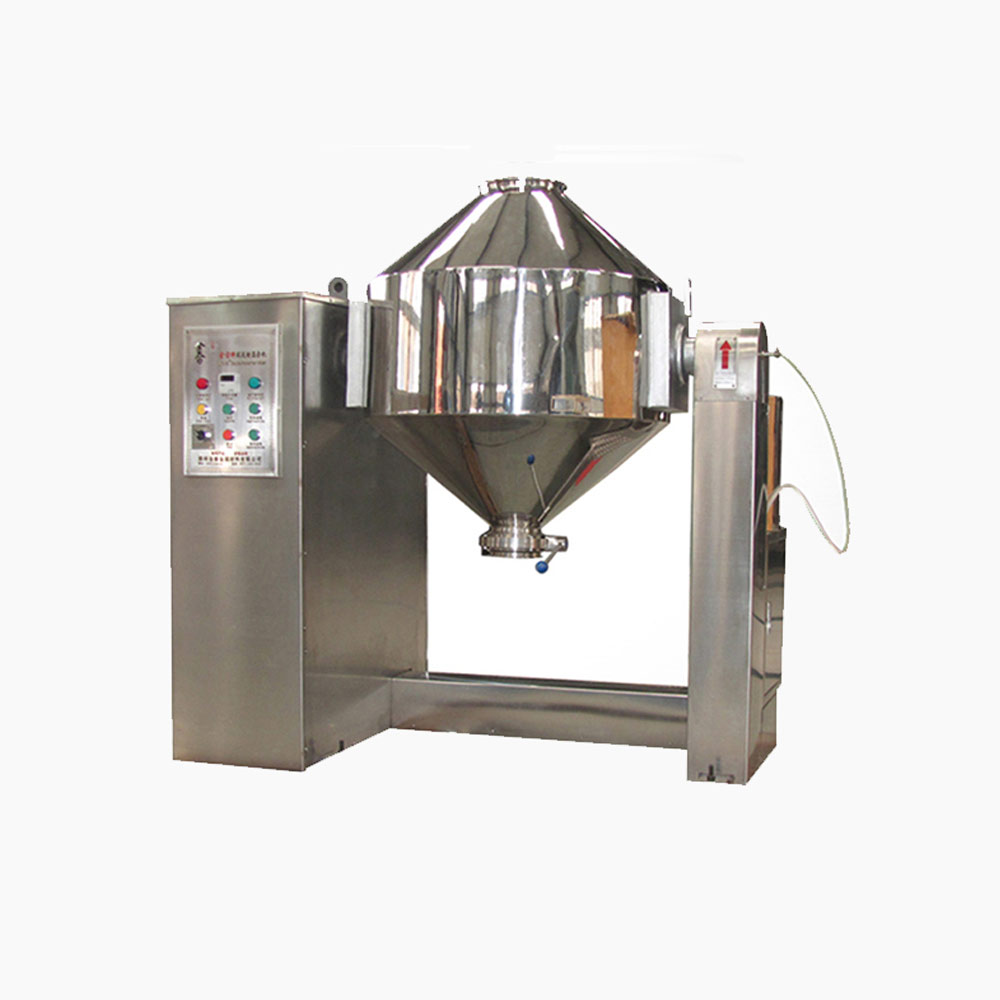
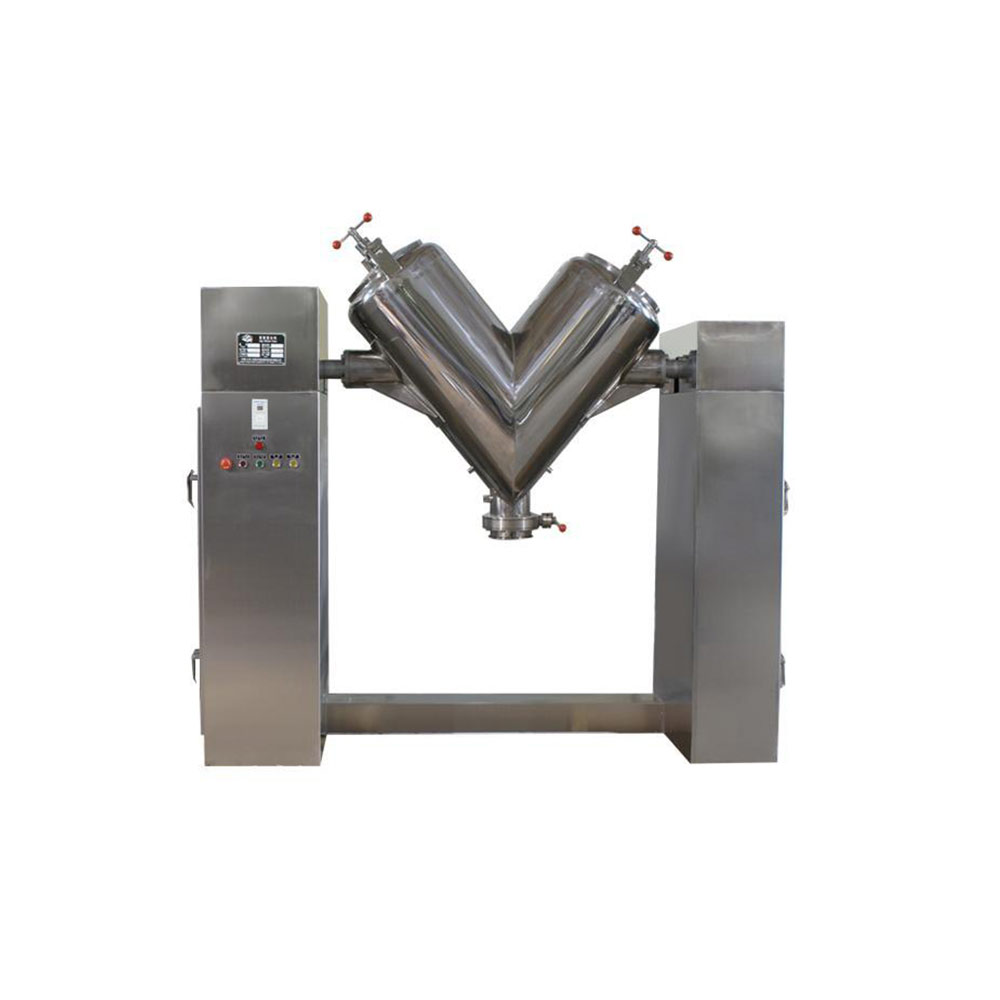
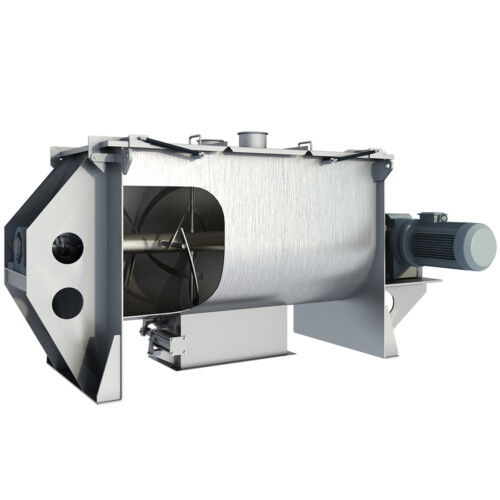
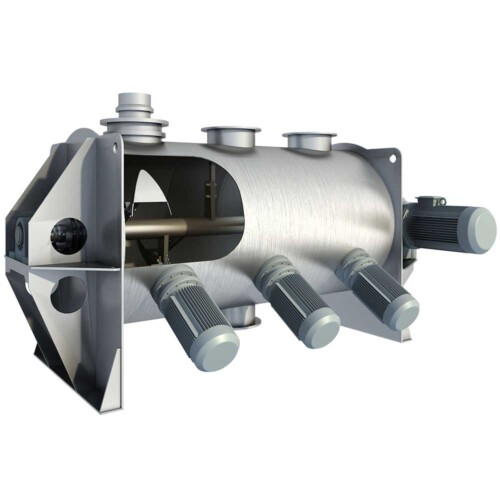
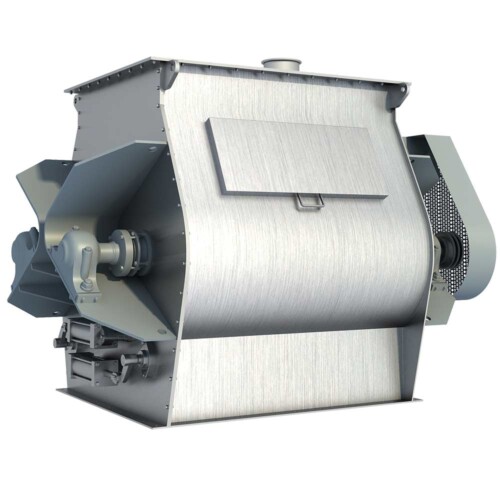
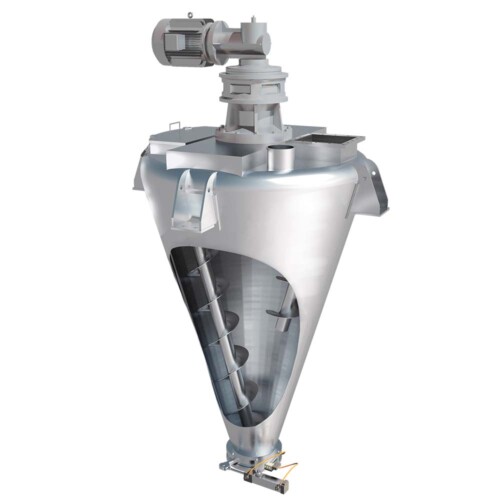
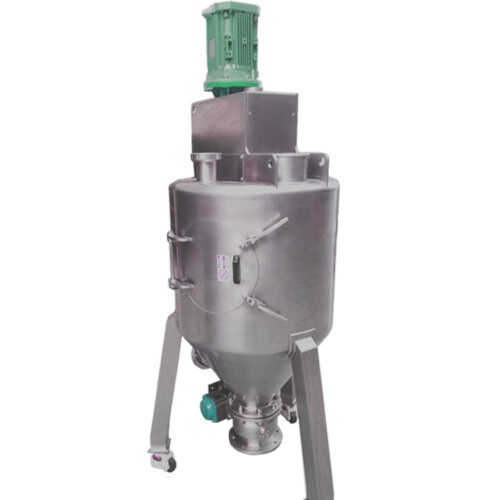
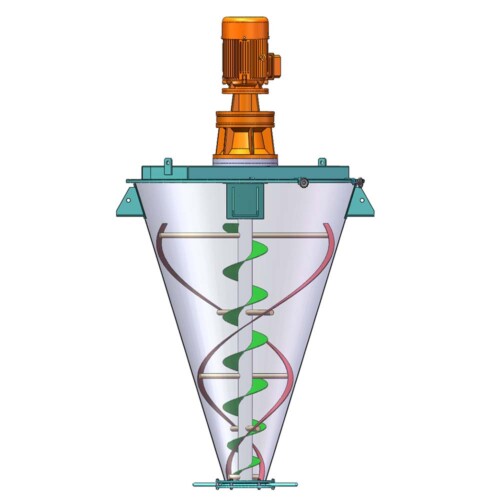
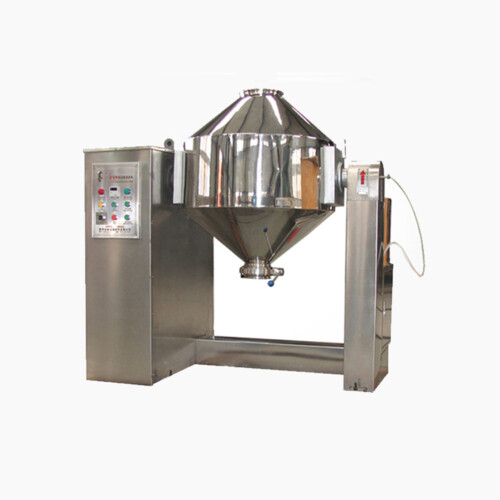
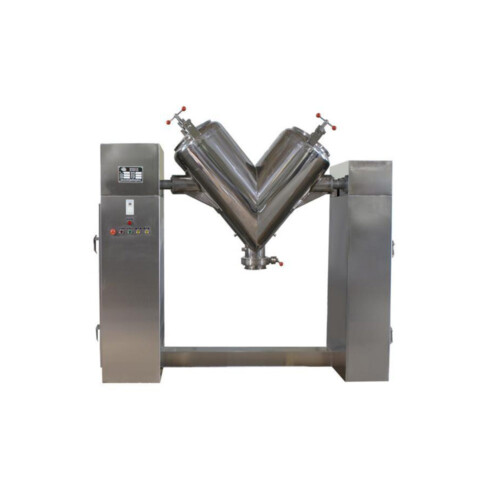
We manufacture specialty mixing equipment for powder & bulk materials. Included are ribbon blender, plough mixer, conical screw mixer, twin shaft paddle mixer, V blender, double cone blender and other auxiliary equipment such as screw conveyor, quantitive auger filler.
We sell across the world, our cusotmers distribute 5 continents.
Share Us With Your Network

Winter stillness and patient angling with ice fishing on frozen lakes today
- Winter stillness and patient angling with ice fishing on frozen lakes today
- Understanding Ice Conditions and Safety
- Essential Safety Equipment Checklist
- Gear and Equipment for the Modern Ice Angler
- Choosing the Right Ice Fishing Rod
- Effective Techniques for Catching Fish Through the Ice
- Mastering the Art of Jigging
- Popular Fish Species Targeted While Ice Fishing
- Beyond the Catch: The Growing Appeal of Ice Fishing Culture
Winter stillness and patient angling with ice fishing on frozen lakes today
The allure of a frozen landscape, a quiet solitude, and the thrill of the catch – these are the core elements that draw anglers to the captivating world of ice fishing. More than just a winter pastime, it's a unique blend of outdoor skill, patience, and a deep connection with nature. As temperatures plummet and lakes transform into expansive, icy platforms, a dedicated community emerges, equipped with specialized gear and an unwavering anticipation for what lies beneath the surface. It’s a surprisingly social activity, often involving camaraderie around shared holes and tales of past successes, but also deeply personal, offering a rare chance for contemplation and escape from the everyday.
The practice isn’t limited to any specific geographic location; from the vast lakes of Minnesota and Wisconsin to the smaller ponds of New England and the expansive, frozen bodies of water in Canada, the opportunity to experience ice fishing exists wherever conditions permit. The gear has evolved considerably over time, from simple hand-augered holes and basic bait to sophisticated power augers, fish finders, and heated shelters. The core principle, however, remains the same: to access fish through an opening in the ice and employ angling techniques to entice them to bite. Proper preparation and a keen understanding of ice safety are paramount, as the environment presents inherent risks that demand respect and vigilance.
Understanding Ice Conditions and Safety
Before even considering venturing onto any frozen body of water, a thorough assessment of ice conditions is absolutely essential. Ice thickness isn’t uniform across a lake or pond, and several factors influence its stability. Temperature fluctuations, water depth, currents, and the presence of springs or vegetation all contribute to varying ice strength. A minimum of four inches of clear, blue ice is generally considered safe for foot traffic, but this is a very general guideline. Six inches is usually recommended for snowmobiles or ATVs, and at least 12 inches is required for cars or small trucks. However, these are minimums, and caution should always be exercised. It’s vital to check ice thickness every few feet, especially in areas where these influencing factors are present.
Carry essential safety gear with you at all times. This includes ice picks or screws that can be used to self-rescue if you break through, a rope to assist others, a whistle to signal for help, and a fully charged mobile phone in a waterproof case. Always inform someone of your plans – where you're going, when you expect to return, and who to contact in case of an emergency. Dress in layers of warm, waterproof clothing to protect against hypothermia, and avoid consuming alcohol, which can impair judgment and reduce your ability to react quickly in a dangerous situation. The use of a spud bar to test ice thickness is also a crucial step, allowing you to probe ahead and assess the ice’s integrity before proceeding.
Essential Safety Equipment Checklist
Preparing for an ice fishing trip demands a proactive approach to safety. Beyond simply knowing the ice conditions, having the right equipment accessible can make a life-saving difference. A comprehensive safety kit should include a pair of ice claws or picks, specifically designed to help pull oneself out of the icy water if a breakthrough occurs. These are worn around the neck, allowing for quick access in an emergency. A length of buoyant rope, at least 50 feet long, is essential for reaching someone who has fallen through the ice. A loud whistle is invaluable for signaling for assistance, as it can carry over greater distances than a shout. Finally, a fully charged cellular phone protected in a waterproof casing can enable you to call for help, but reliance on cell service in remote areas shouldn't be assumed.
| Item | Purpose |
|---|---|
| Ice Picks/Claws | Self-rescue from icy water |
| Buoyant Rope | Assist others in emergency |
| Whistle | Signal for help |
| Waterproof Phone Case | Protect communication device |
Remember, a cautious approach is paramount. No fish is worth risking your life. If you have any doubt about the safety of the ice, don’t go on it. There are alternative opportunities, and it’s always better to be safe than sorry.
Gear and Equipment for the Modern Ice Angler
The evolution of ice fishing equipment has dramatically changed the experience, making it more comfortable, efficient, and often, more successful. While the basics – a rod, reel, line, and bait – remain fundamental, the range of specialized gear available is extensive. Augers are arguably the most important tools, and they come in various forms, from manual hand augers to powerful gas-powered or electric models. Selecting the right auger depends on the frequency of use, the typical ice thickness encountered, and your physical strength. Beyond the auger, a sled or portable shelter is crucial for transporting gear and providing protection from the elements. Shelters range from simple windbreaks to fully insulated, heated huts.
Fish finders and sonar technology have revolutionized the way anglers locate fish beneath the ice. These devices allow you to identify fish-holding structure, determine depths, and even observe the fish’s movements in real-time. Ice fishing rods are typically shorter and more sensitive than conventional rods, designed for jigging and detecting subtle bites. A variety of specialized lures, jigs, and tip-ups are employed to attract fish, depending on the species targeted and the water conditions. Finally, warm clothing, including insulated boots, gloves, and hats, are essential for maintaining comfort and preventing hypothermia. Don’t underestimate the importance of layering, as conditions can change rapidly.
Choosing the Right Ice Fishing Rod
Selecting the appropriate ice fishing rod is critical for maximizing your success. Unlike traditional angling rods, ice fishing rods are designed with specific characteristics to accommodate the unique demands of fishing through a hole in the ice. Shorter lengths, typically ranging from 24 to 36 inches, provide greater control and maneuverability in confined spaces. Increased sensitivity is also key, allowing anglers to detect even the slightest nibbles. Rod actions vary, with slow actions being ideal for detecting subtle bites and fast actions providing greater power for setting the hook. Materials such as graphite and fiberglass offer different performance characteristics, with graphite providing exceptional sensitivity and fiberglass offering greater durability. Consider the species you're targeting when choosing a rod, as different fish require different power and action.
- Length: 24-36 inches provides optimal control.
- Action: Slow for sensitive bite detection, fast for hook sets.
- Material: Graphite for sensitivity, fiberglass for durability.
- Line Capacity: Choose a rod that accommodates your preferred line weight.
- Grip: A comfortable, non-slip grip is essential in cold conditions.
Investing in a quality ice fishing rod tailored to your specific needs can significantly enhance your overall fishing experience and increase your chances of landing a prized catch.
Effective Techniques for Catching Fish Through the Ice
Successful ice fishing requires more than just having the right gear; it demands a strategic approach and a good understanding of fish behavior. Jigging is arguably the most popular technique, involving vertical presentation of a lure or bait. The jigging motion attracts fish by creating vibrations and mimicking the movement of live prey. Experiment with different jigging cadences – slow and deliberate, or fast and erratic – to determine what the fish respond to best. Tip-ups are another effective technique, particularly for targeting larger fish. A tip-up consists of a flag attached to a spool of line, which is set over a baited hook suspended beneath the ice. When a fish takes the bait, the flag pops up, indicating a bite.
Understanding fish behavior is also crucial. Fish tend to congregate near structure, such as submerged weeds, rock piles, or drop-offs. Identifying these areas using a fish finder or by studying lake maps can significantly increase your chances of success. Pay attention to water depth and clarity, as these factors influence fish location. Experiment with different bait presentations and colors to determine what the fish are most attracted to. Persistence is key; don’t be discouraged if you don’t get a bite right away. Keep experimenting and adjusting your tactics until you find what works.
Mastering the Art of Jigging
Jigging is a foundational technique for ice fishing, requiring finesse and a keen understanding of how to entice fish. The essence of jigging lies in mimicking the natural movements of prey, attracting fish from a distance. Begin with a subtle, vertical lift and drop of the jig, maintaining a consistent rhythm. Vary the amplitude of your jigging motion – sometimes short and quick, other times long and sweeping – to see what generates the most interest. Incorporate pauses into your presentation, allowing the jig to flutter and descend naturally. Pay close attention to your line; a sudden twitch or hesitation could indicate a bite. When you feel a bite, set the hook with a firm, upward sweep of the rod.
- Lift and Drop: Maintain a consistent, vertical motion.
- Vary Amplitude: Experiment with short and long jigging movements.
- Incorporate Pauses: Allow the jig to flutter naturally.
- Watch Your Line: Detect subtle bites.
- Set the Hook: Respond quickly to a bite with an upward sweep.
Practice and observation are key to mastering the art of jigging. By paying attention to the nuances of your presentation and the fish’s response, you can refine your technique and significantly increase your success rate.
Popular Fish Species Targeted While Ice Fishing
The variety of fish species that can be targeted while ice fishing is remarkable, varying depending on the geographic location and specific body of water. In the northern United States and Canada, popular targets include walleye, northern pike, perch, crappie, and trout. Walleye are prized for their delicious flavor and aggressive strikes, often responding well to jigging presentations with live bait or artificial lures. Northern pike are apex predators, known for their powerful runs and sharp teeth. They are frequently targeted with tip-ups baited with live minnows. Perch and crappie are schooling fish, often found near submerged structure and readily attracted to small jigs and minnows.
Trout, particularly lake trout, are a popular target in deeper, colder waters. They are often located using fish finders and targeted with specialized lures and techniques. Other species, such as bluegill, bass, and catfish, can also be caught through the ice, depending on the location and conditions. Researching the specific fish species present in the lake or pond you plan to fish will help you select the appropriate gear, bait, and techniques for maximizing your success. Understanding each species' preferred habitat and feeding habits is vital to consistently landing fish.
Beyond the Catch: The Growing Appeal of Ice Fishing Culture
Ice fishing is experiencing a surge in popularity, evolving beyond a simple pastime into a vibrant and thriving culture. This growth is fueled by a desire for outdoor recreation, a sense of community, and the unique challenges and rewards the sport offers. Ice fishing tournaments are becoming increasingly common, attracting anglers from all skill levels and offering substantial prize pools. Social media platforms have played a significant role in fostering this community, with anglers sharing tips, photos, and stories of their adventures. The availability of comfortable and technologically advanced ice fishing shelters has also contributed to the sport’s appeal, making it accessible to a wider range of people. Even temporary “ice fishing villages” begin to form on popular lakes, showcasing the social aspect of the activity.
The appeal extends beyond simply catching fish. For many, it's about disconnecting from the digital world, embracing the tranquility of the winter landscape, and forging lasting memories with friends and family. It’s a mindful pursuit that requires patience, observation, and a deep respect for nature. The increasing adoption of sustainable practices within the ice fishing community, such as responsible disposal of waste and adherence to fishing regulations, demonstrates a growing awareness of the need to protect these fragile environments for future generations. The tradition continues to evolve, blending time-honored techniques with modern innovations and fostering a passionate community of enthusiasts.
Ask An Expert