Ask An Expert
Frequently Asked Questions
Vortex mixers are designed for a wide variety of powders, granules, and powder-liquid mixtures.
Typical applications include chemical powders, food ingredients, pharmaceutical powders, animal feed, dry mortar, ceramics, battery materials, fertilizers, pesticides, minerals, refractory materials, and other bulk solids. The actual mixer configuration should be selected according to the physical and chemical properties of the material.
Vortex manufacture a wide range of industrial powder and bulk solids mixing equipment, including:
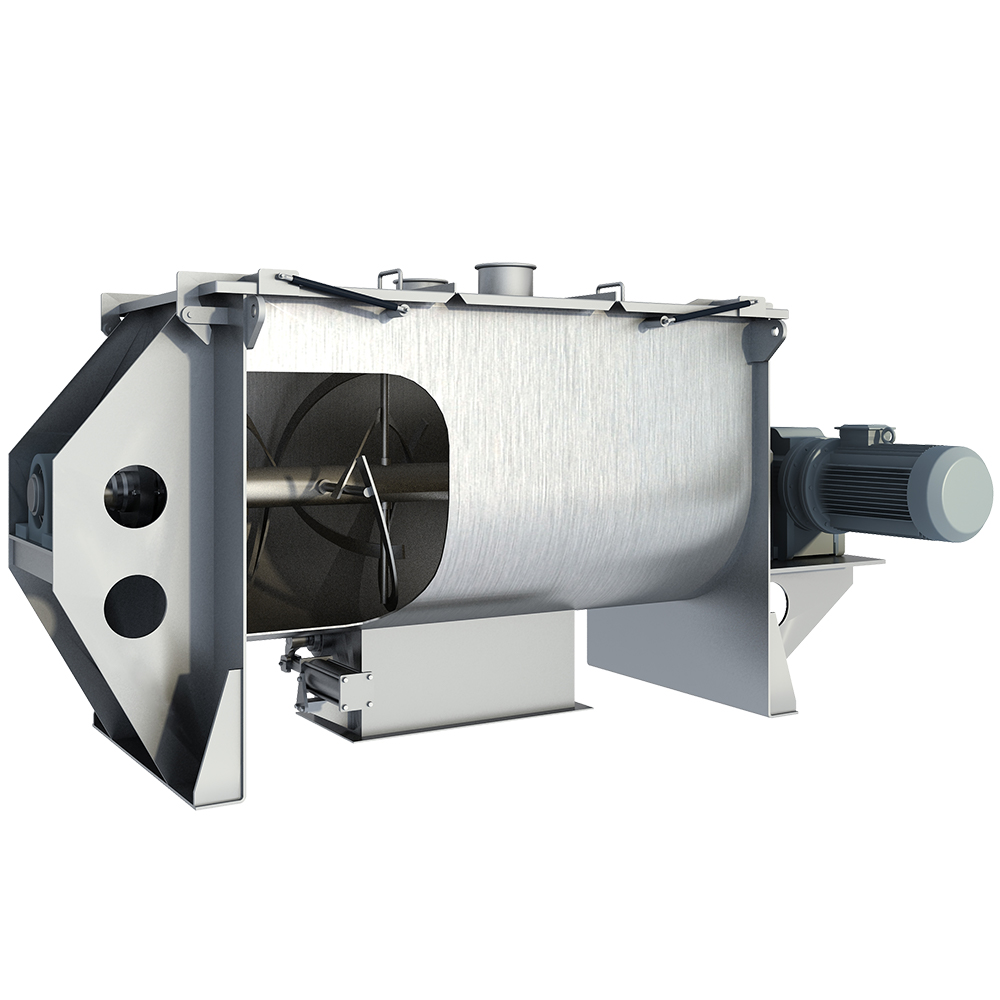
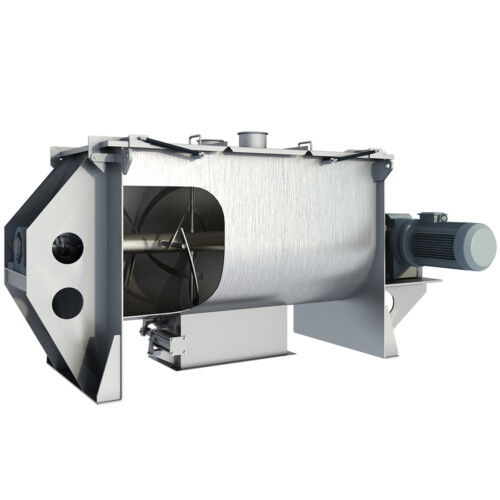
- Horizontal Ribbon Mixers
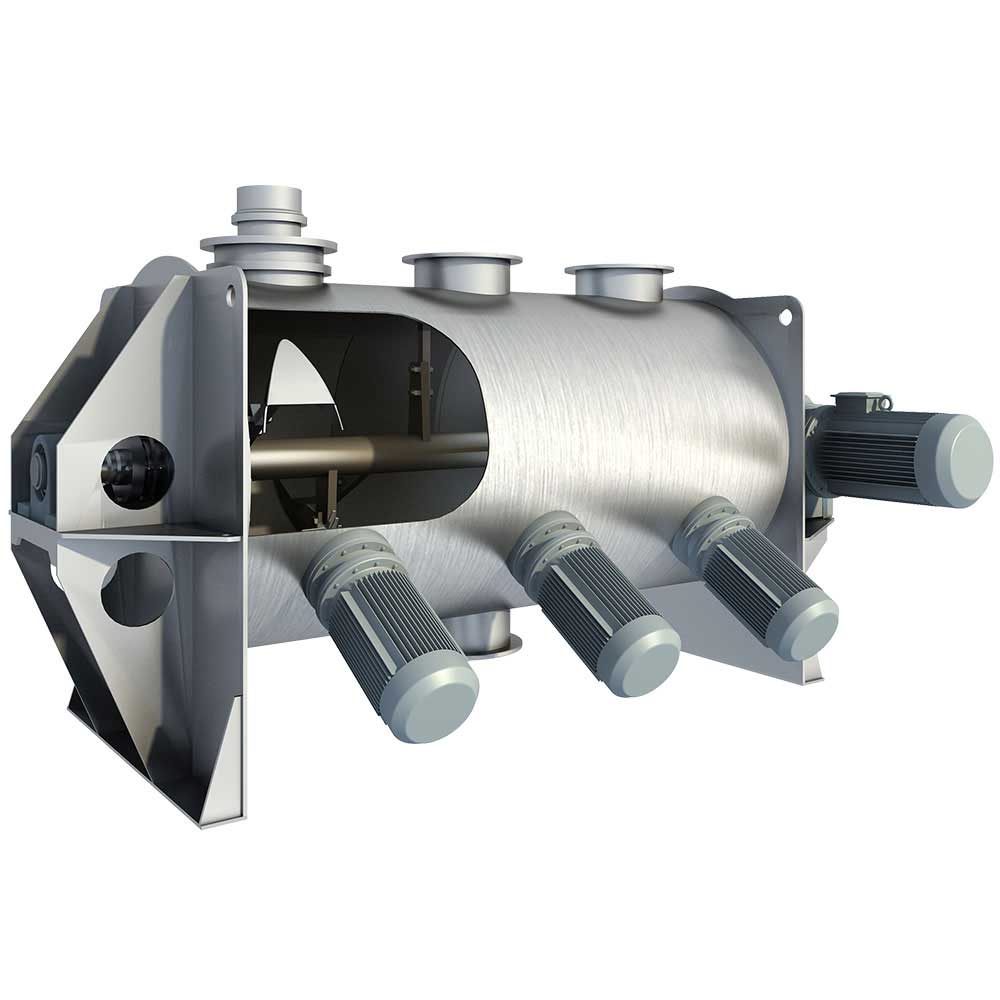
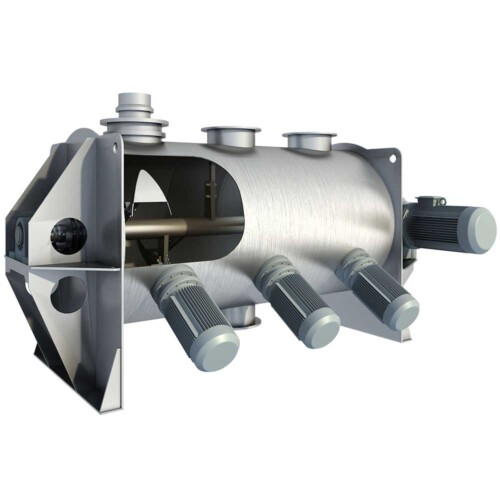
- Ploughshare Mixers
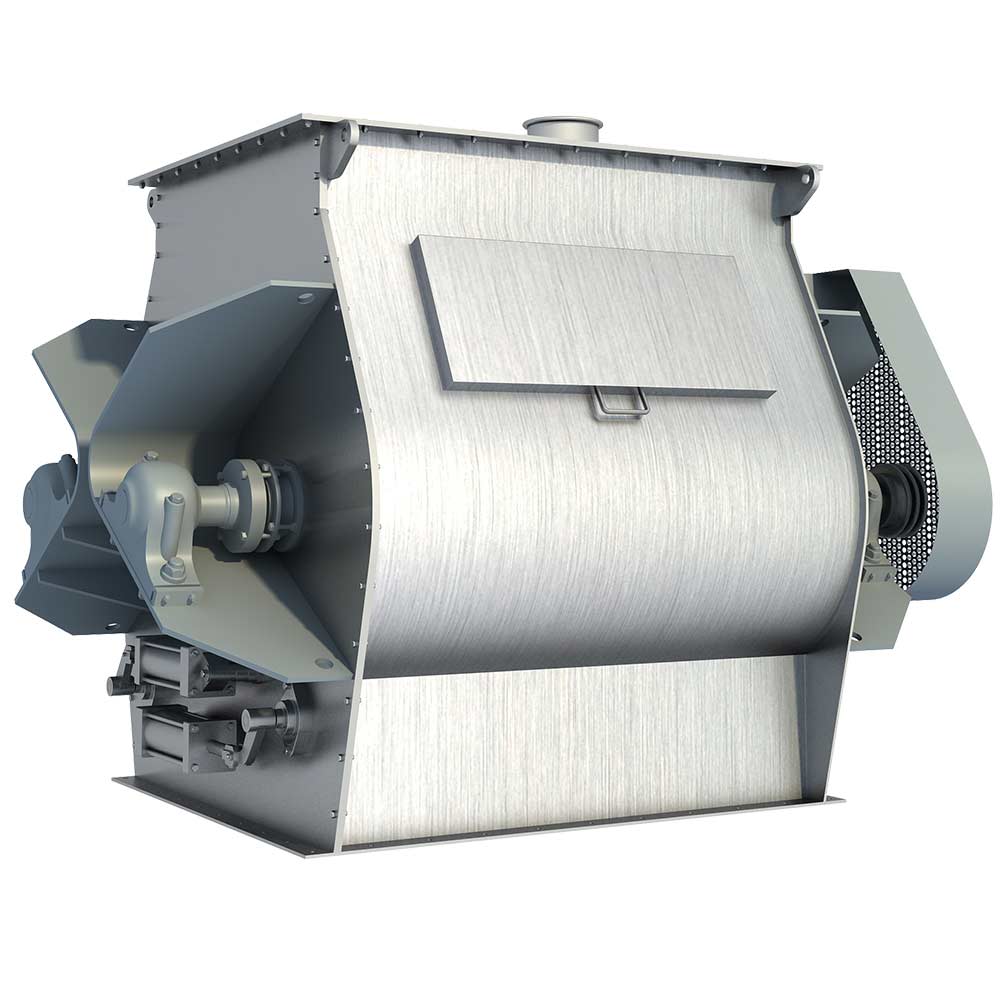
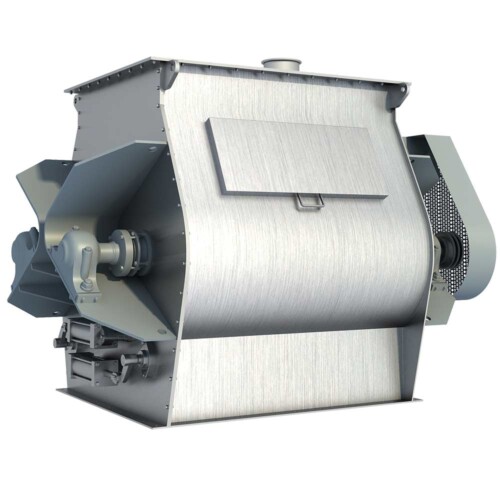
- Double Shaft Paddle Mixers (Paddle Mixers / “No-Gravity” Mixers)
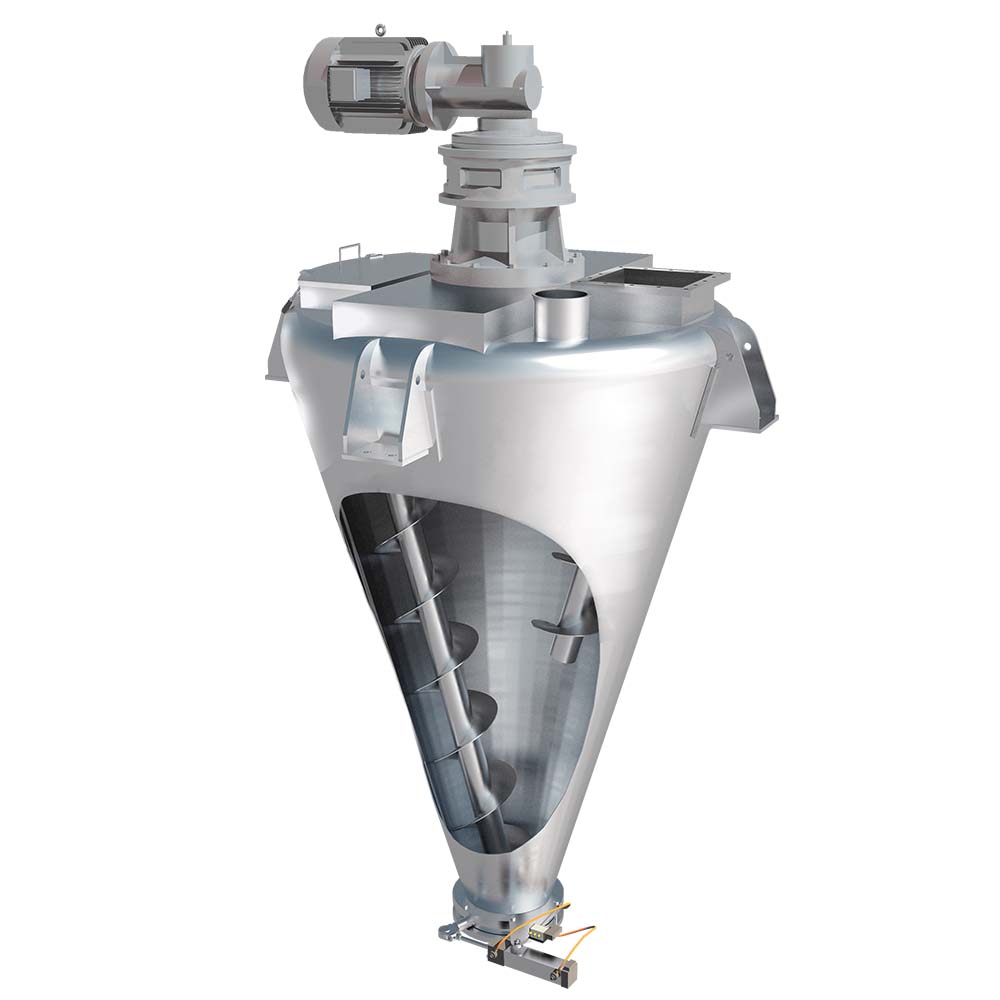
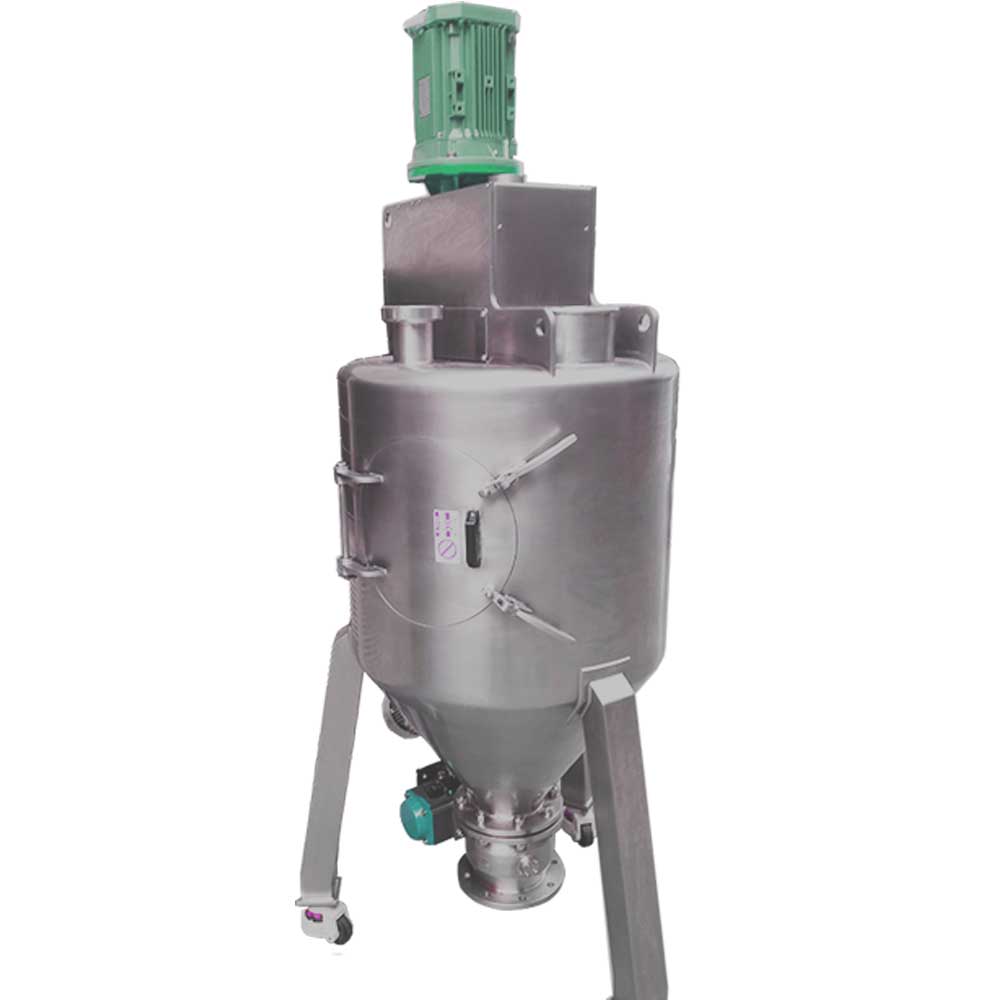
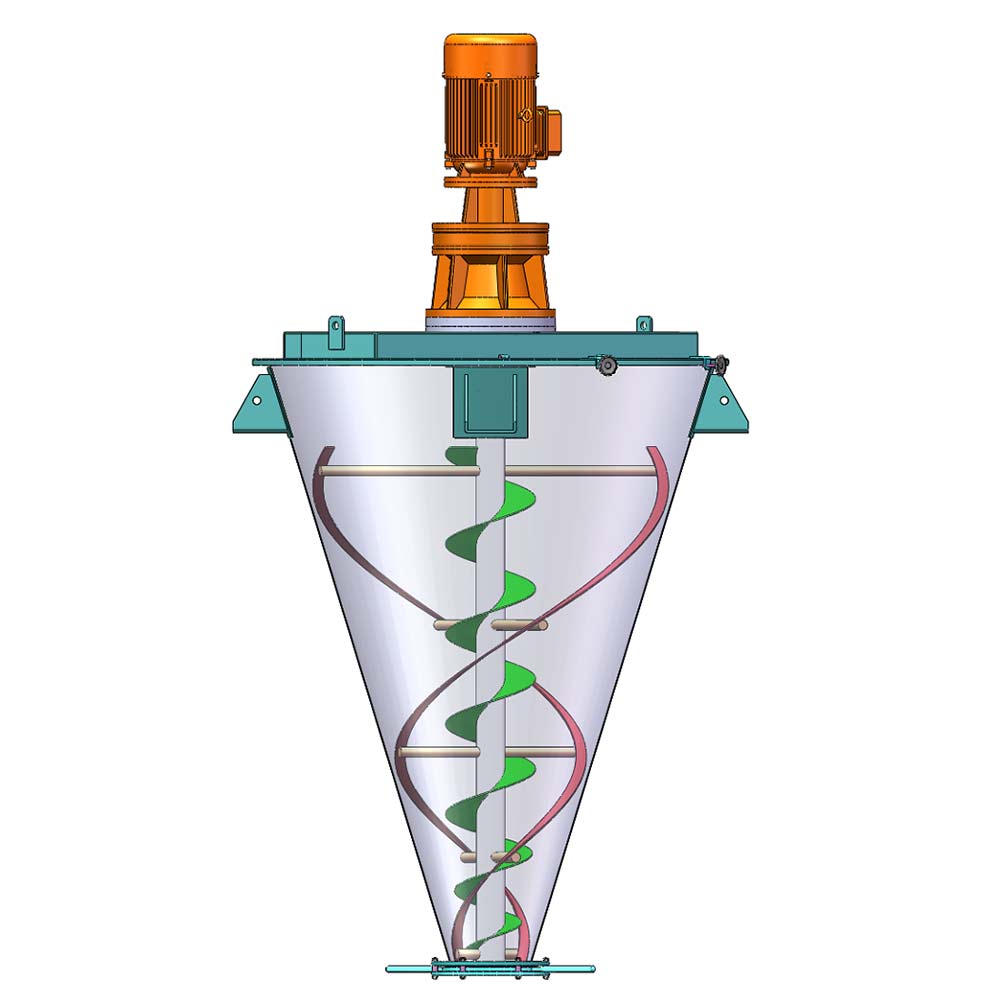
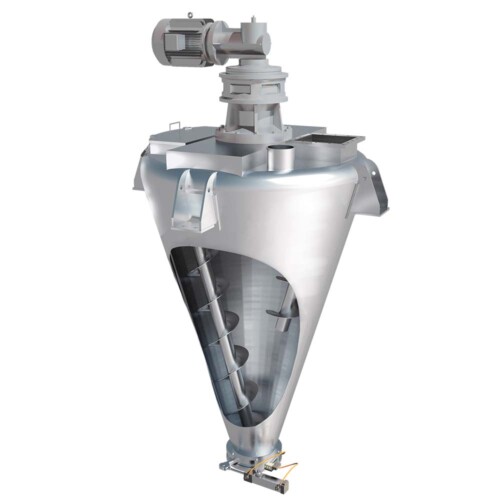
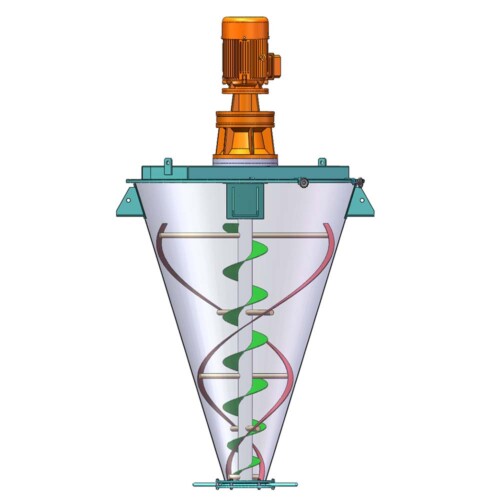
- Conical Twin-Screw Mixers
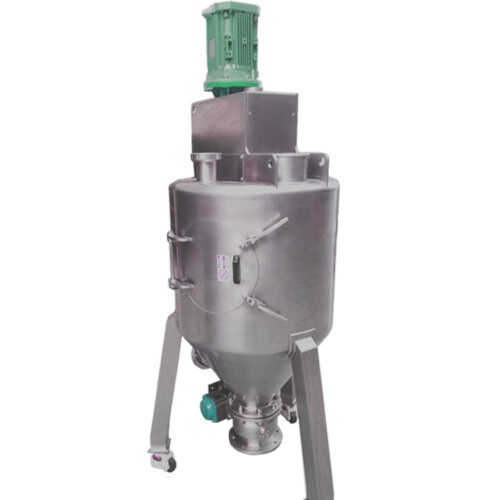
- Vertical Screw Ribbon Mixers
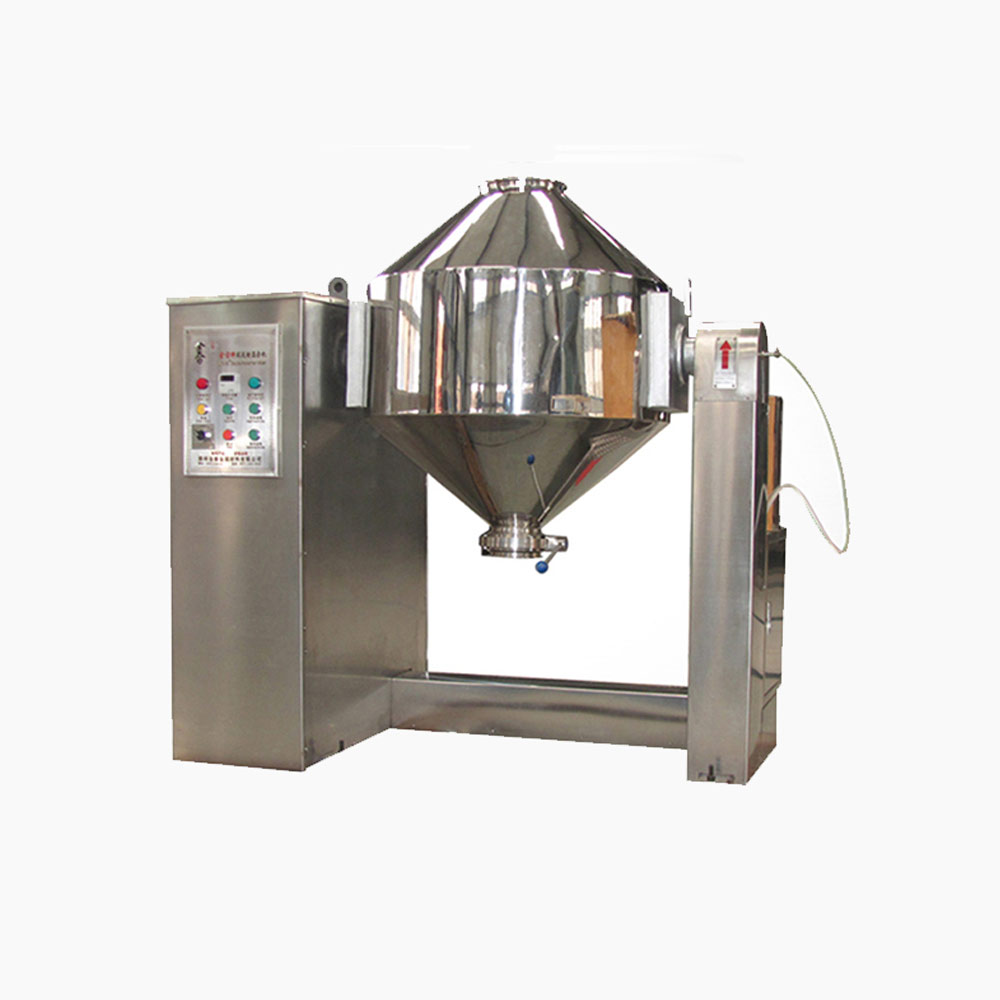
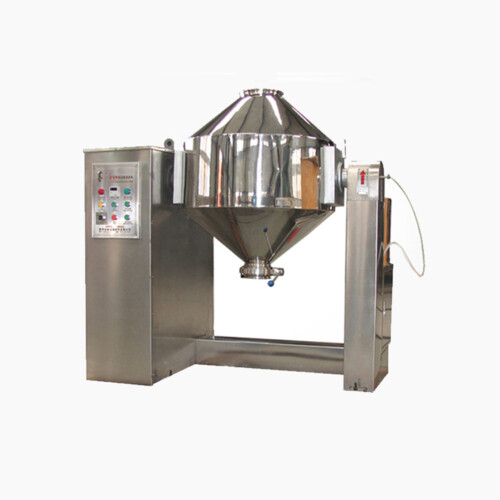
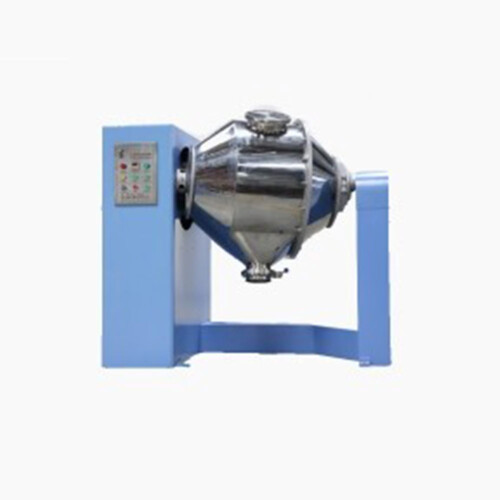
- Double Cone Mixers
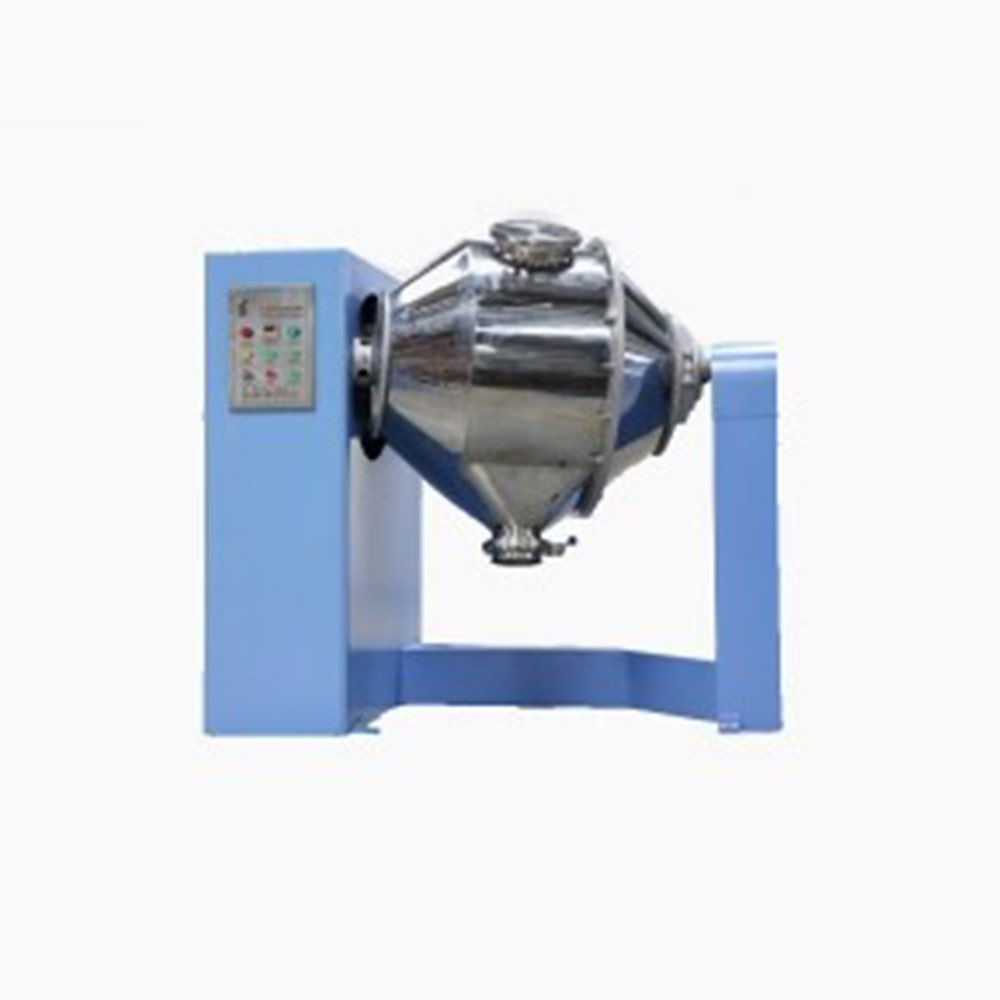
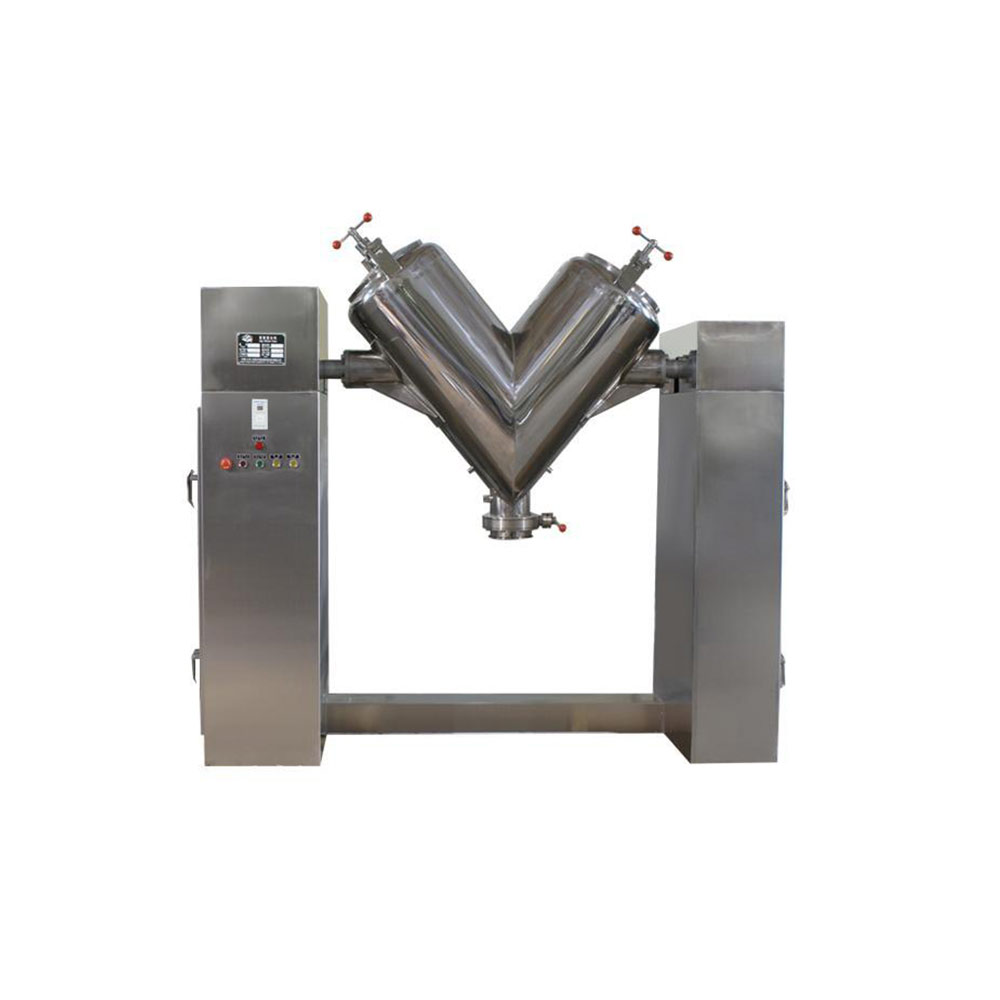
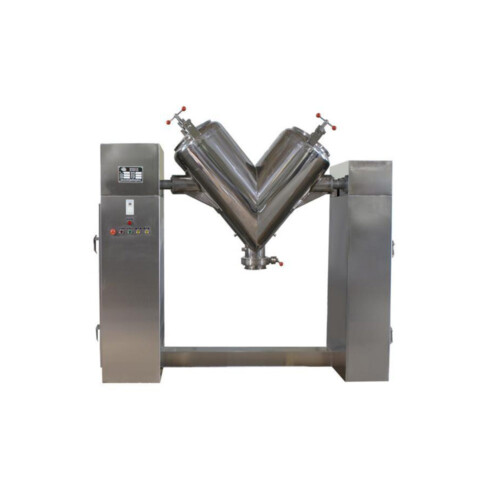
- V-Type Mixers
- 3D Motion Mixers
- Customized mixing systems and complete mixing lines
The most suitable mixer depends on your materials, production capacity, mixing ratio, required mixing time, and process conditions.
Mixer capacity should be evaluated using both the total vessel volume and the effective working volume. The required volume depends on material bulk density, batch weight, filling ratio and the mixing principle of the selected machine. A mixer should not normally be filled to its total geometric volume because sufficient space is required for material movement and effective mixing. For this reason, selecting a mixer based only on vessel volume can result in an unsuitable configuration.
The appropriate industrial powder mixer depends on several factors, including:
- Material characteristics
- Bulk density
- Particle size
- Required mixing uniformity
- Batch size or production capacity
- Moisture content
- Whether heating or drying is required
- Whether liquid addition is required
- Required discharge configuration
- Production and automation requirements
Vortex provides different powder mixer designs so that equipment can be selected according to the specific process requirements.
Vortex powder mixer selection depends on several factors, including:
- Material type and characteristics
- Bulk density and particle size
- Material flowability
- Moisture content
- Viscosity
- Mixing ratio
- Batch size or required production capacity
- Whether liquid addition is required
- Required mixing uniformity
- Temperature, pressure, vacuum, or other process requirements
Vortex engineers can recommend a suitable powder mixer based on your material and process requirements.
Yes, We can supply simple stand alone panels or automated PLC controlled systems. We normally install and test all controls on our mixers before they are shipped.
Yes, we normally test the mixers before they are shipped and mark out the wire need to connect on the control box.
We manufacture specialty mixing equipment for powder & bulk materials. Included are ribbon blender, plough mixer, conical screw mixer, twin shaft paddle mixer, V blender, double cone blender and other auxiliary equipment such as screw conveyor, quantitive auger filler.
We sell across the world, our cusotmers distribute 5 continents.
Share Us With Your Network
Comprehensive Guide to Uses and Benefits of the Vortex Fluid Bed Granulator Dryer
In contemporary production, particularly pharmaceutical, chemical, food, and agrochemical sectors, powders and particulate materials need to frequently be converted into granules. Handling, flowability, uniformity and downstream processing are better with granulation. It is also important to dry such granules in order to stabilize the moisture level and achieve quality. The conventional methods tend to have individual granulators and dryers that involve intermediate transfers and additional processes, besides posing the risk of contamination or loss.
IncMachine fluid bed granulator dryer provides a unified system, optimizing both the granulation and the drying process into one controlled unit. This saves steps in handling, enhances control and leads to efficiency. This article describes how this machine functions, the uses of the machine in the industrial industry, its main advantages, considerations of features, and practical advice of deployment.
What Is a Fluid Bed Granulator Dryer?
A fluid bed granulator dryer is a process piece of equipment that combines wet granulation with the following drying step in a single model in a fluidized bed of particles. Simply put, it causes fine powders to be suspended in a stream of heated air (fluidization) and at the same time sprays a binder solution onto the particles to agglomerate them. Evaporation of moisture is also done by the same airflow, but the granules are dried where they have been dried.
Air is introduced in the system into various filters (pre-filter, middle filter, final or HEPA) to clean and condition intake air. This is then sprayed by heating the air and driving it up through a distributor plate or nozzles resulting in a fluidized bed of particles. The spraying of binder or solvent into the bed is done by a binder pump (usually peristaltic) through atomizing nozzles. The heat of the air is used to evaporate the moisture and the vapor is removed via exhaust usually with filters or cyclones.
This equipment makes the process less cumbersome and minimizes transfers of the materials since granulation and drying take place under the same conditions.
The Work of the Machine: Major Stages
In order to get the advantages, it is best to consider the key processes of activity:
Air Intake & Filtration
Sequential filters with air filters are used to clean dust and contaminants out of the air. This will keep the process environment clean and it will not introduce foreign particles.
Air Heating & Conditioning
The filtered air is heated to a desired temperature. Other designs are of mixing or recirculation of hot and cold air to ensure constant temperature.
Fluidization of Powder Bed
Rising hot air massages the powder bed (at the bottom) and provides momentum / energy to the powder bed to cause the particles to move/ float in a like fluid to provide even exposure to spray and drying.
Binder Spray & Granulation
The binder (or spray solution) is pumped and atomized into fine droplets that come in contact with the suspended particles. The droplets make the particles stick together to form granules.
Stabilization and Growth of Granules
The larger the quantity of binder added the larger the granules and the layers. In this, the fluidization has to make all particles equally exposed.
Drying via Evaporation
Hot air current takes away moisture in granules. The evaporation goes on continuously with the formation of granules. Vapor and fines are done through exhaust.
Exhaust Gas Treatment & Filtration.
Filter, cyclone or separators are used to process moist air and fines which are released or recycled, products are collected and dust is controlled.
This is a fluid, uninterrupted flow where there are no steps taken along the way, no physical transference or movement of things and it is contained within a strictly controlled controlled environment.
Industrial Applications & Uses
The IncMachine fluid bed granulator dryer is applicable across many domains that deal with powders, granules, or solid particles. Some of its key industries and materials of value addition are listed below:
Drugs & Vitamins.
Granulation is a very important process in pharmaceutical manufacturing to transform fine powders into compressible granules that can be used in the manufacture of tablet or capsule products. The fluid bed granulator dryer can produce granules with uniform size distribution, good flow, consistent moisture, and reproducible quality. It is also appropriate with nutraceutical powders and herbal preparations.
Chemical Manufacturing
The advantages of transformation to granules by this system are found in chemicals, catalysts, pigments, detergents and fine chemical powders. Regular grains facilitate the further processing, dust-reduction and guarantee uniform reactivity or mixing.
Food & Food Additives
Powdered foodstuffs, powdered food mixes, flavors, enzyme preparations, dusting preparations, and instant foodstuffs are usually granulated to enhance solubility, decrease dust, and improve flow. The system assists in the production of smooth, evenly dispersed granules.
Agrochemicals & Fertilizers
Granulation is popular in fertilizer manufacturing, pesticide powders, seed coating and agrochemical formulations. The process of fluid bed granulation assists in the production of homogenous granules that are dispersed even and are stable.
Detergents and Cleaners
Granulation may also be used to avoid segregation or to control dust and to enhance blending in detergent powders, cleaning agents, etc. The drying incorporated assures low moisture finished granules.
Special Powders and Minerals
Fine powders like minerals, pigments, ceramics or metal oxides may be granulated to facilitate easier handling, less dust and easier feeding to the downstream equipment.
Pilot and R&D Scaling
Development labs use scaled units to perform tests to determine formulation, optimise addition of binders, airflow, temperature and granule characteristics and then scale up to full production.
Benefits & Advantages
Implementing a current generation fluid bed granulator dryer has many benefits over the older separate granulation and drying systems:
Integration & Simplification
The granulation and drying in a single unit of equipment minimizes the material transfers, loss of handling and contamination potential, besides making the processing chain simpler.
Quick Processing and Better throughput
Since the process of granulation and the process of drying occur simultaneously, the total processing time decreases. The fluidized state guarantees great levels of heat and mass transfer.
Homogenous Granules & Higher Quality
The spray and airflow are evenly exposed to particles and form granules with small size distribution, uniform porosity and low water content dispersion.
Increased Flowability and Compressibility
Fluid bed made granules tend to exhibit a better flow/compressibility, which is useful in downstream granulation processes such as compressing pills or packing them.
Light Treatment of Materials
The flowing atmosphere does not cause severe mechanical movement to the particles, but softly agitates them. This lessens harm, loss and ensures confidentiality of sensitive documents.
Energy Efficiency
Since it exploits the direct interaction between hot air and particles and requires less time, this process tends to use less energy per unit mass of material to have been dried than more slow methods of drying.
Scalability & Flexibility
The fluid bed system is scalable to both lab and industrial scale with predictable behavior which enables pilot testing and scale up.
Control of Dust and Preservation of Yield.
Filtered and closed systems take away fines and ensure that there is no loss or contamination. This conserves yield and cuts down on dust emission into the environment.
Operational Control
The modern systems involve temperature control, airflow control, spray rate control, residence time and other parameters. This is because of fine control, which guarantees repeatability and quality assurance.
Reduced Maintenance and capital spending
Since not as many separate units are required, supporting infrastructure can be lowered. Simplified processes also result in reduced maintenance needs.
Difficulties and Problems to Be Mindful
Although the fluid bed granulator dryers have numerous advantages, one should remember about several difficulties and limitations:
Feedstock Uniformity: This may lead to poor fluidization or irregular granules due to variation in particle size, density or moisture content.
Attrition & Fines: There may be some mechanical wear and breakage of the granules which will result in the production of fines that could need to be collected.
Energy Requirements: a minimum velocity of airflow is necessary to sustain fluidization. At low loads, the drop in energy consumption might not be in proportion.
Sticky or Cohesive Materials: Materials that tend to be sticky, or with low glass transition temperatures, may be agglomerating or clogging.
Large Scale complexity: Behavior on a large scale can vary: pilot work is needed.
Design Complexity: Airflow distribution, placement of the spray nozzles, and exhaust filtration is to be designed and tuned.
Being conscious of these challenges can assist in the creation of the system and operational protocols in the right way.
Basic Features and Design
In order to achieve good performance of a fluid bed granulator dryer, some features and design principles should be highlighted:
Good Filtration System: Multi-stage (pre, intermediate level, HEPA) intake and exhaust filters to make sure that contamination is controlled and dust is captured.
Uniffused Air Distribution: Distribution should be evenly distributed and nozzle plate should be uniform to avoid deadness or channeling.
Accurate Temperature and Airflow Control: Manually adjustable heating and air volume control to control the kinetics of drying.
Dependable SpraySystem: Atomizing nozzles, steady pumping systems and spraying control assure evenly distributed binder uniformity.
Material Compatibility: The wet end must be made of stainless steel or inert materials that will not be corroded, abraded or bound.
Ease of Cleaning and Maintenance: Access ports, CIP (cleaning in place) capability and hygienic design reduce downtimes.
Exhaust and Vapor Handling: Cyclones, bag filters or other kinds of separators to extract fines and retrieve product.
Process Monitoring & Automation: Temperature, humidity sensors and spray flow, and control logic: Sensors detect airflow, humidity, temperature, and spray flow in the stable environment.
Safety Features: Over temperature, monitoring, interlocks, explosions, relief vents.
Modularity & Expandability: Capability of upgrading or adding additional capacity as the production grows.
Deployment Best Practices and Tips
In order to achieve the greatest benefits with minimal risks, the following should be taken into consideration when implementing a fluid bed granulator dryer:
Formulation Trials
Start with small scale tests to optimize on binder type, spray rate, temperatures, airflow and residence time.
Pre-treatment of Powders
Powders of feed must be properly mixed and sieved and their moisture levels must be constant before introduction.
Gradual Scale Up
Test scale Production Scale Take gradual steps: lab to pilot to production. There will be change in the dynamics of bed depth, airflow and heat transfer.
Operator Training
Operators are supposed to know the impacts of the control parameters and the reading of alarms or deviation.
Periodic Repair and Tuning
Keep filters, pumps, sensors, spray nozzles, fans and heating elements in shape to preserve performance.
Endpoint Determination
Measure sensors, moisture profiles, temperature profiles to indicate when granulation and drying is complete to the target.
Dust & Waste Capture
Make sure that there is exhaust filtration and recirculation or recovery of the fines to minimize losses.
Process Control Feedback
Apply data logging and feedback to automatically change parameters and stay constant.
ValidationQuality Monitoring
In controlled industries (e.g. pharma, food), verify the validation, process qualification, and continued control of the granule moisture, size, density and strength.
Illustrative Use Case
An example is a pharmaceutical manufacturer which transforms an active ingredient mixture into tablet granules. Instead of using a wet granulator followed by a separate dryer, they employ the IncMachine fluid bed granulator dryer. Powder feed is fluidized, binder solution sprayed, granules developed and drying takes place in a single vessel. The outcome will be fine grains that can be pressed, less material handling, wastage is minimized and shorter processing duration is achieved. The closed system enhances the cleanliness and safety of the products.
In a different case, a unit is used in a detergent plant to granulate flow-agent/low-moisture detergent powders. The granulatized product has a higher flow, it segregates less and is more easily packaged.
Conclusion
The IncMachine fluid bed granulator dryer offers a powerful, modern solution for combining granulation and drying in one piece of equipment. Its capacity to generate homogenous granules, quality, minimization of handling, reduction of process duration, and dust control renders it quite useful in pharmaceutical, chemical, food, agrochemical, and specialty powder industries.
Although there are issues that include feed uniformity, potential attrition, and scale-up dynamics, they are controlled through proper design, testing, and control. This integrated equipment is an enticing option to any business that aims at enhancing production efficiency, minimizing wastage and ensuring quality products in the case of powders and granules.
Ask An Expert