Ask An Expert
Frequently Asked Questions
Vortex powder mixer selection depends on several factors, including:
- Material type and characteristics
- Bulk density and particle size
- Material flowability
- Moisture content
- Viscosity
- Mixing ratio
- Batch size or required production capacity
- Whether liquid addition is required
- Required mixing uniformity
- Temperature, pressure, vacuum, or other process requirements
Vortex engineers can recommend a suitable powder mixer based on your material and process requirements.
Yes, We can supply simple stand alone panels or automated PLC controlled systems. We normally install and test all controls on our mixers before they are shipped.
Yes, we normally test the mixers before they are shipped and mark out the wire need to connect on the control box.
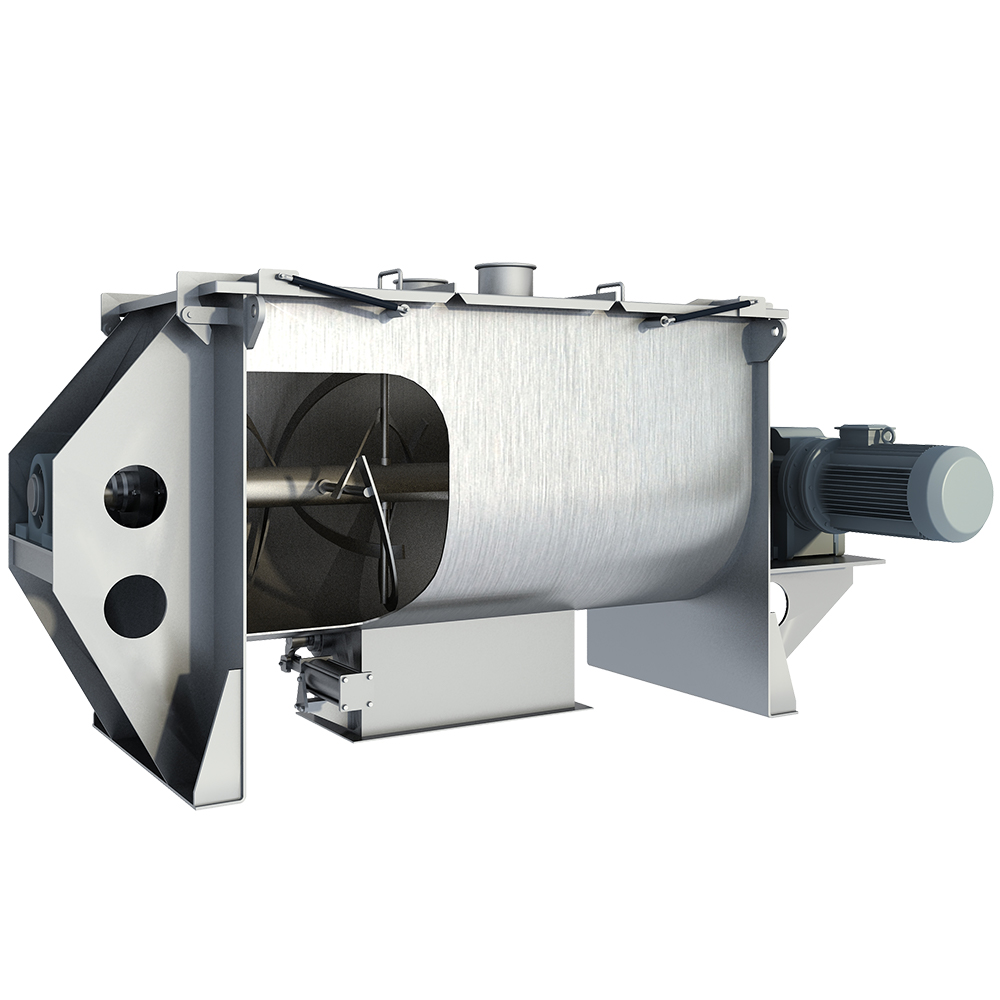
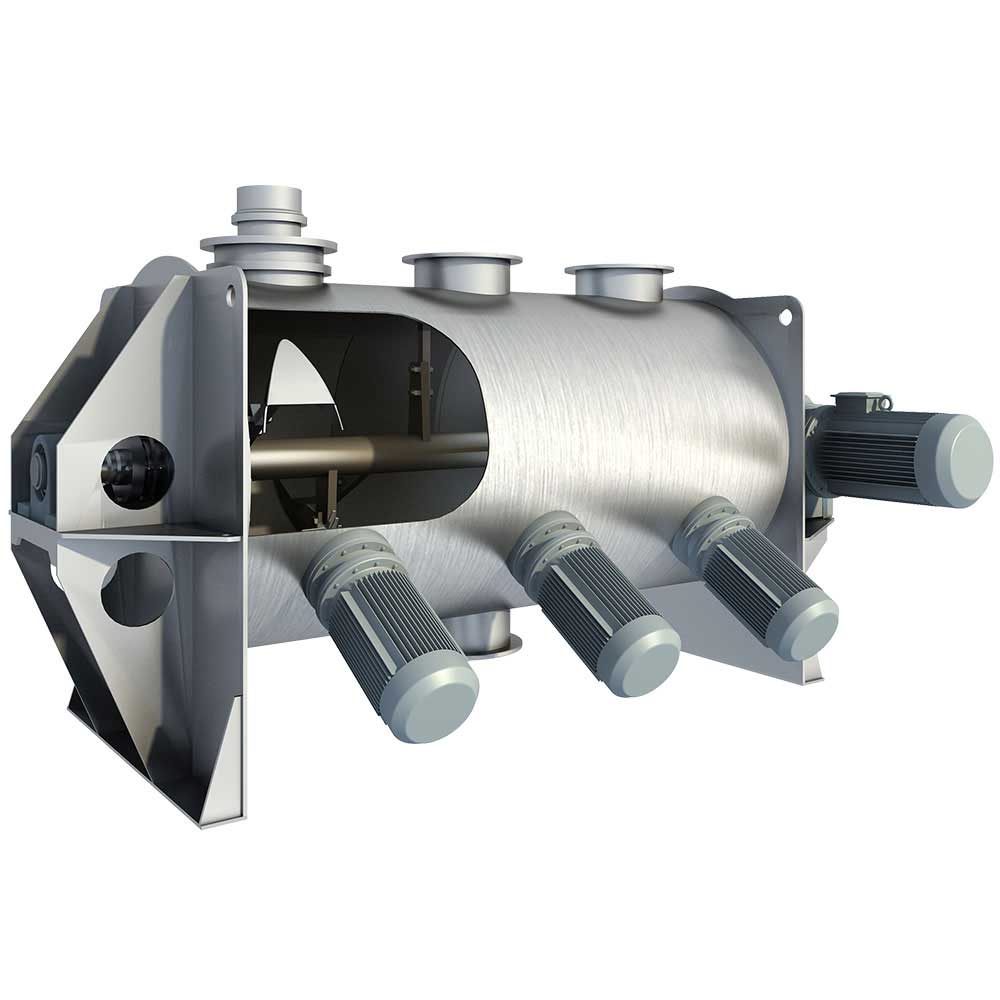
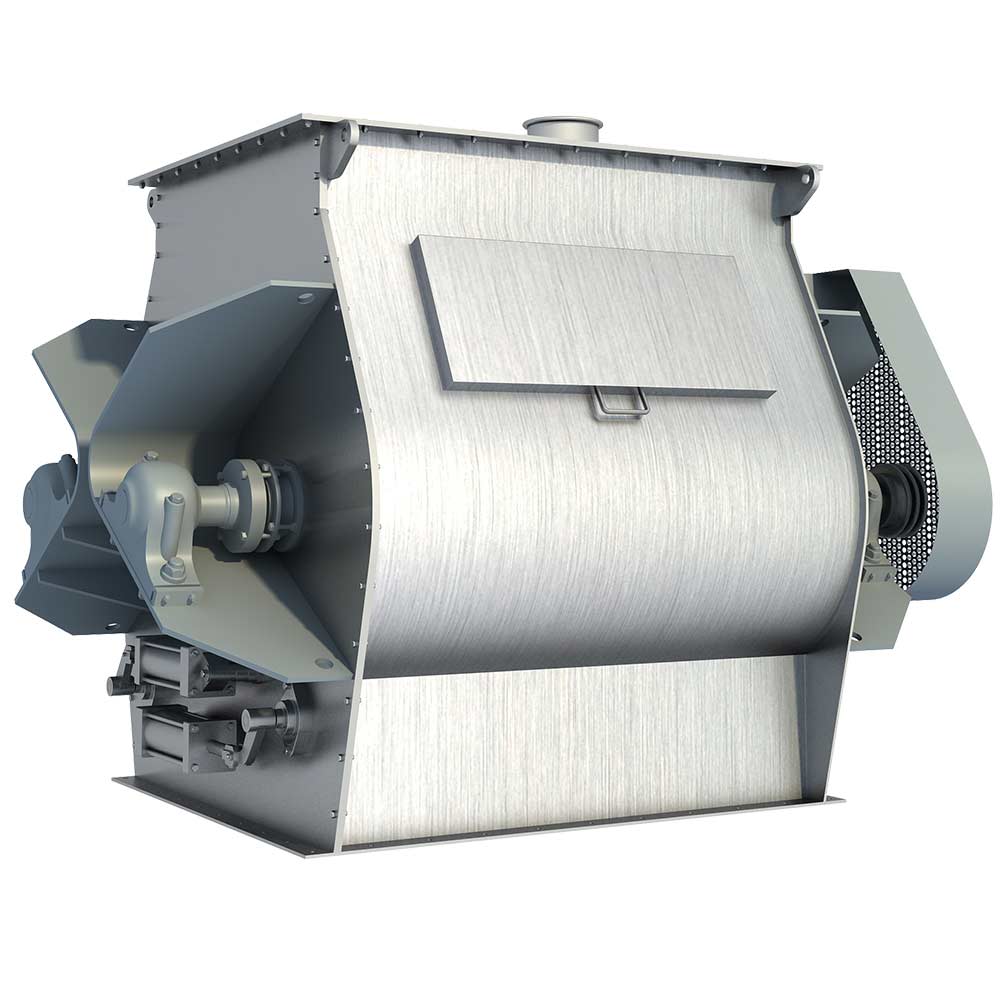
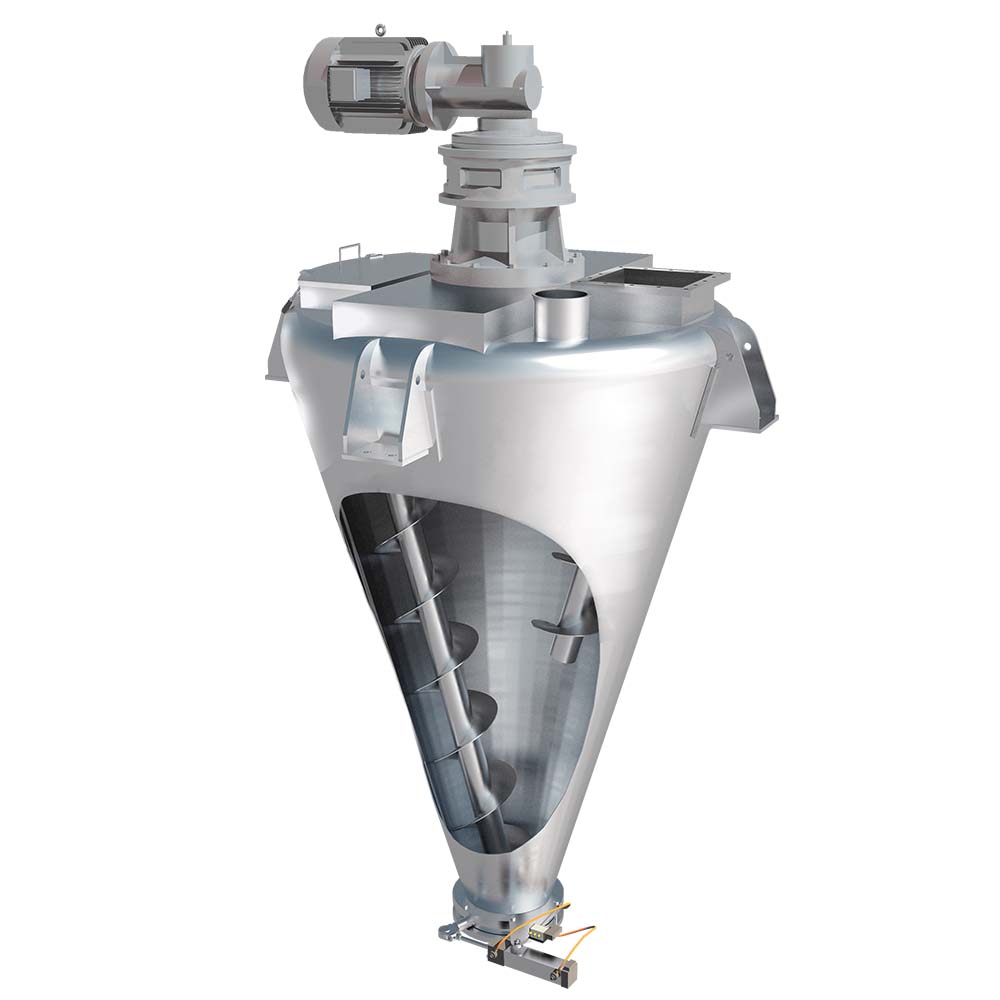
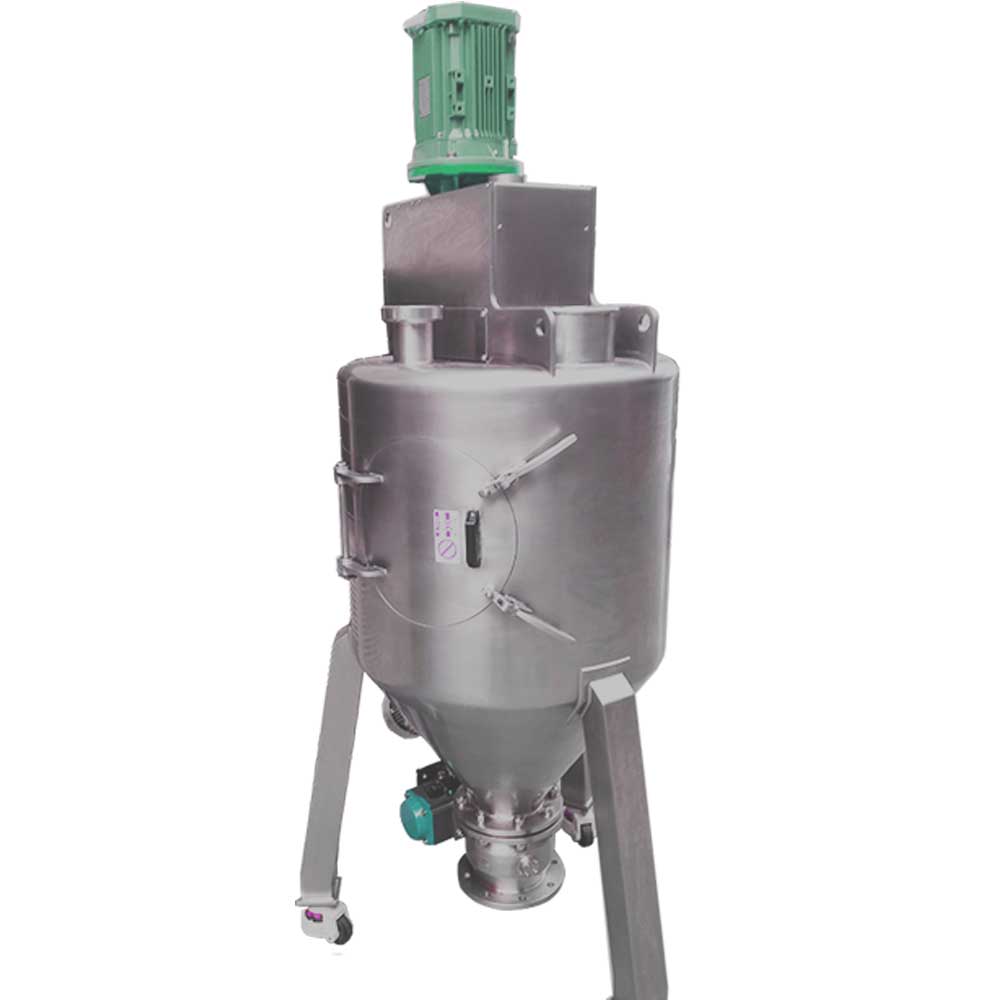
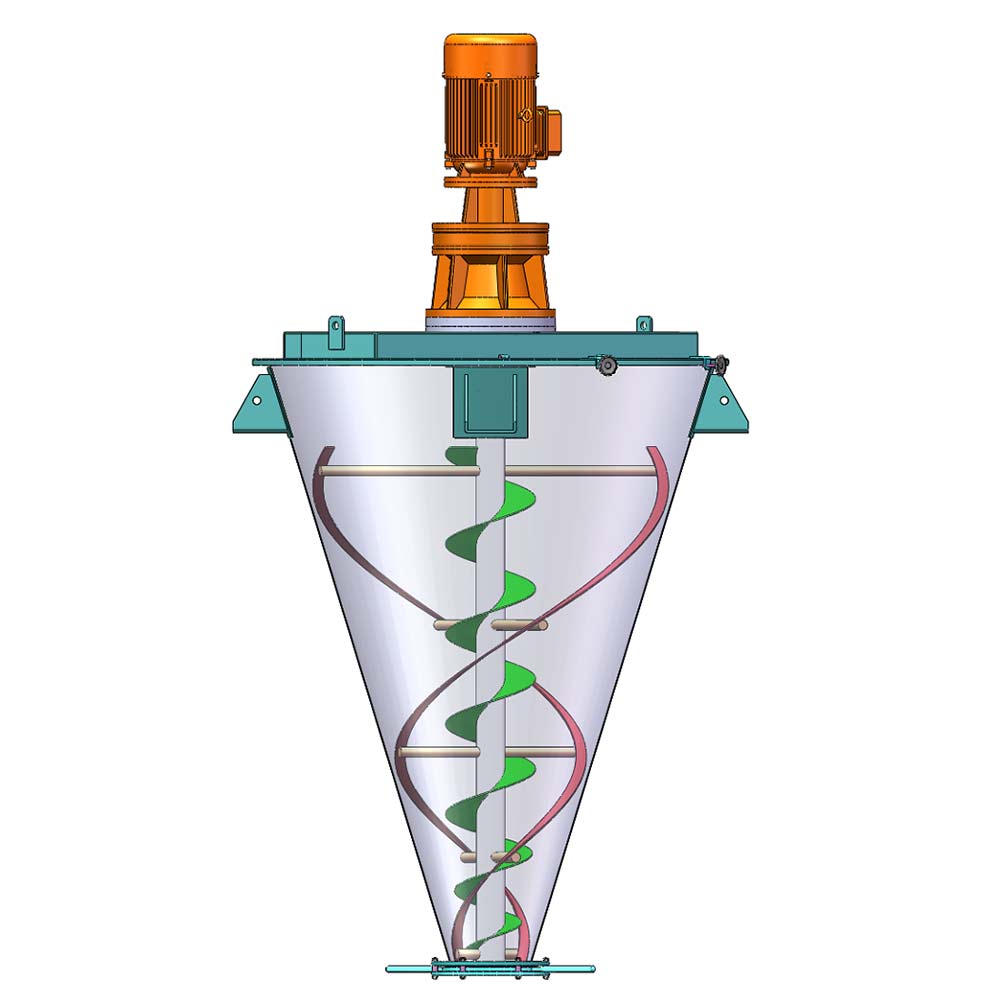
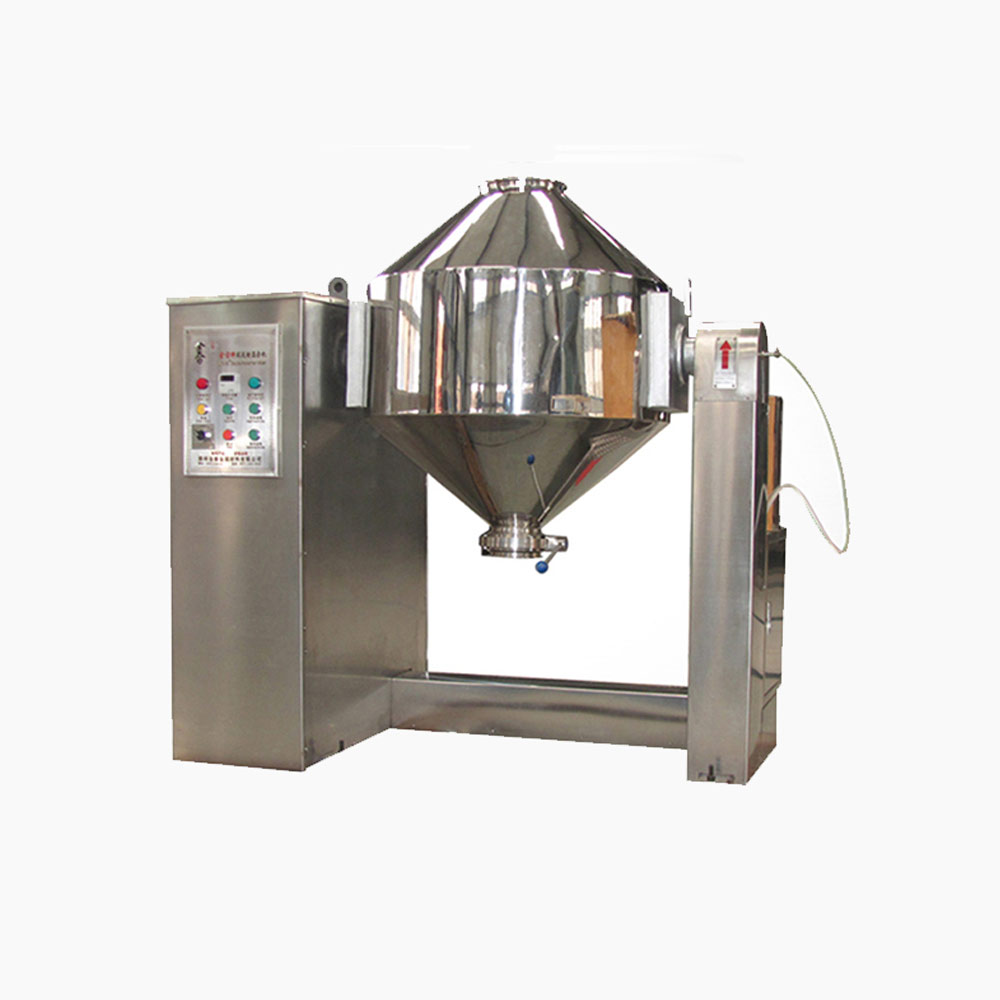
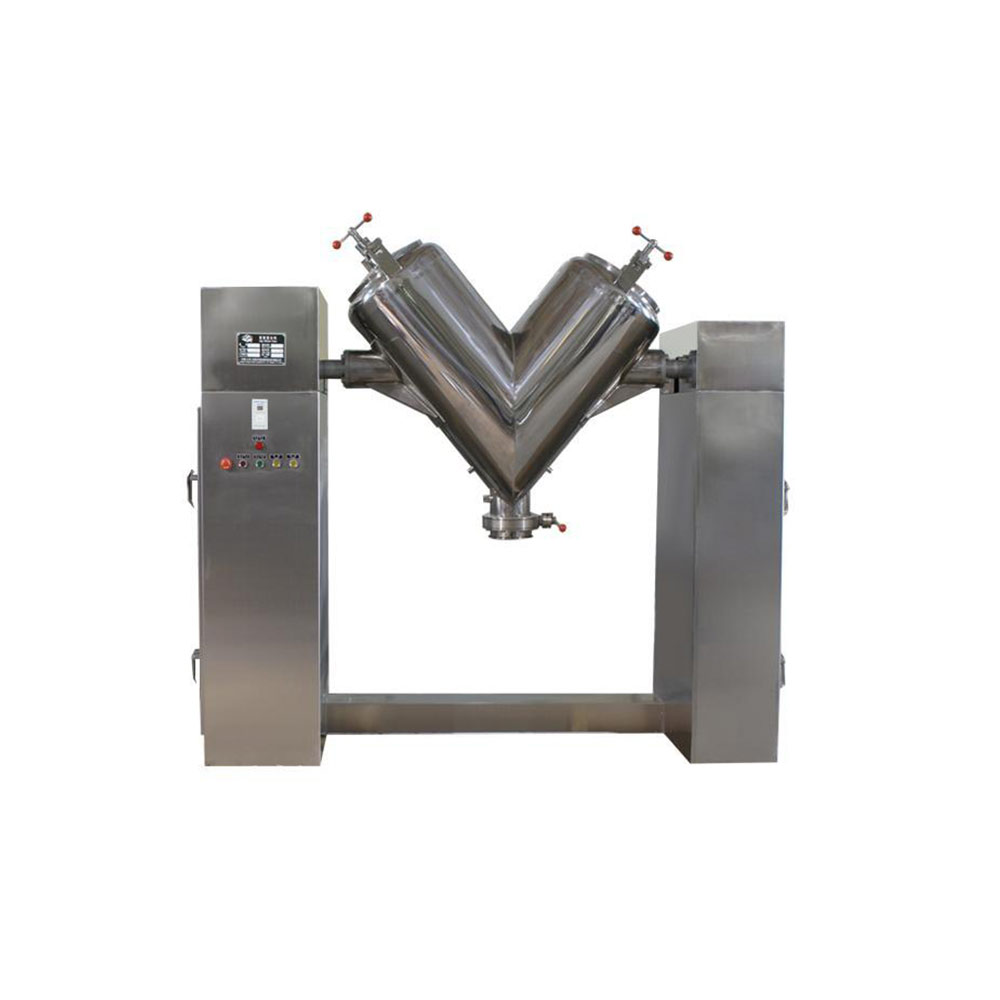
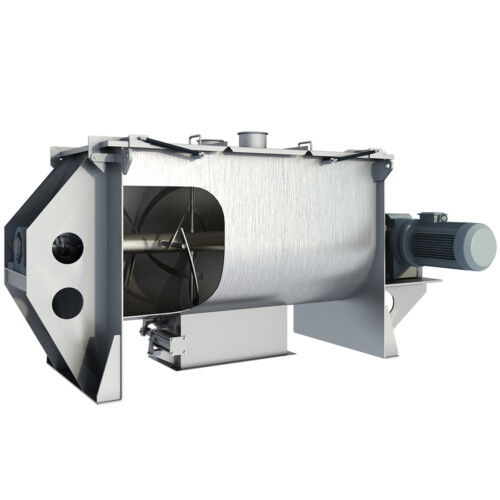
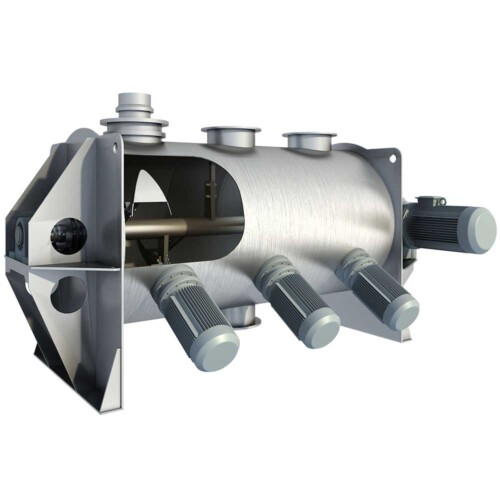
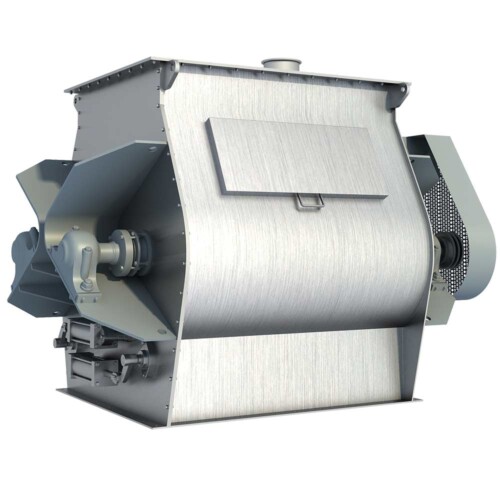
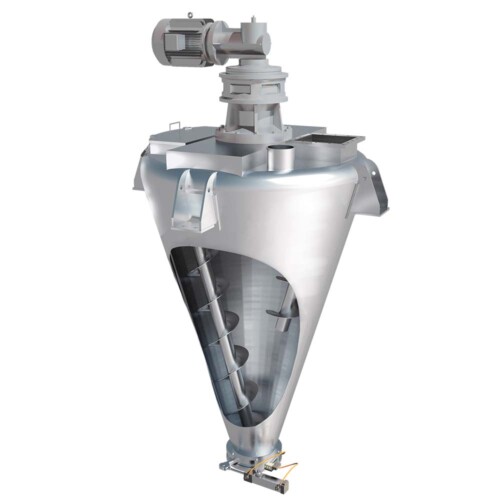
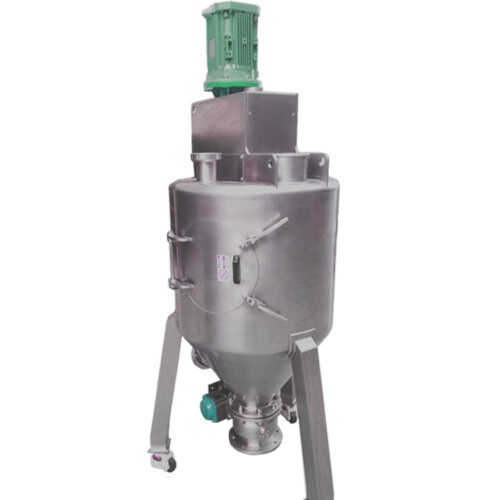
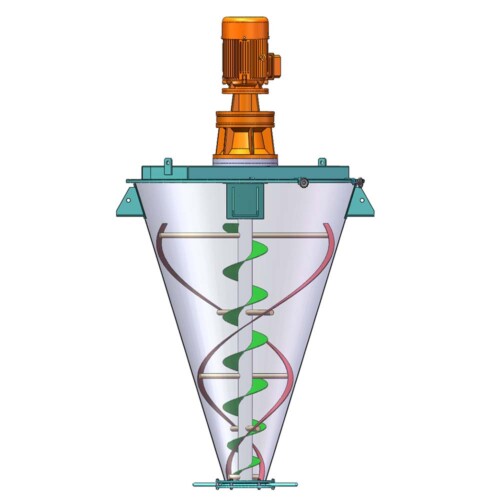
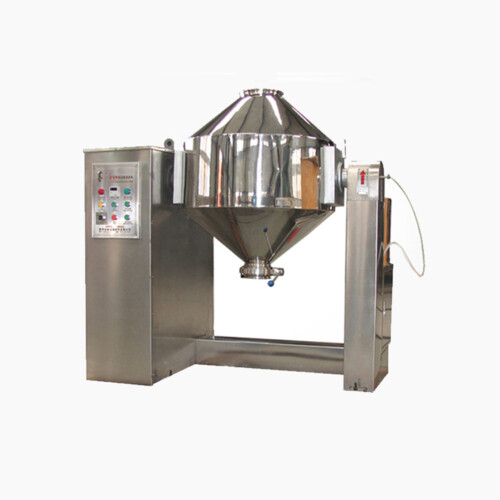
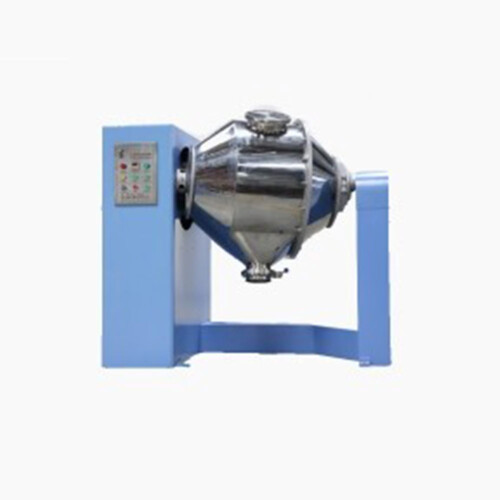
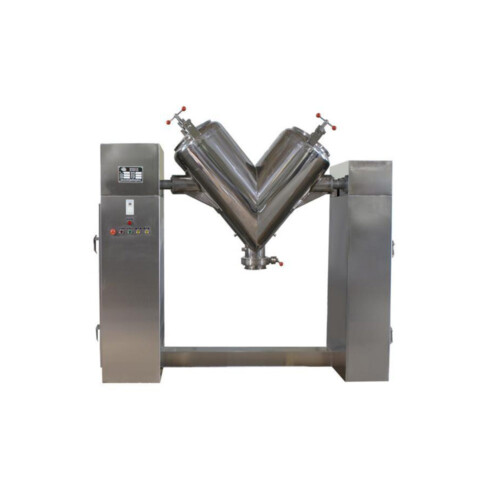
We manufacture specialty mixing equipment for powder & bulk materials. Included are ribbon blender, plough mixer, conical screw mixer, twin shaft paddle mixer, V blender, double cone blender and other auxiliary equipment such as screw conveyor, quantitive auger filler.
We sell across the world, our cusotmers distribute 5 continents.
Share Us With Your Network
Definition, measurement and importance of tapped Density

Introduction
When working with an industry where powders are utilized as a critical component including pharmaceuticals, chemicals, metallurgy, and food processing, it is important to understand the way powders work. Among them, tapped density is the most significant among these to measure powder flow ability and compressibility and behavior in the packaging process. It gives information about behavior of a powder in storage, handling, and manufacturing it. This article is going to discuss what tapped density is, how it is measured, the major differences between tapped density and bulk density, and what its various applications within the industries are.

What is Tapped Density?
Tapped density is the highest density, which a powder can attain by applying a certain mechanical tapping or vibration. In basic terms, it is the mass that a powder sample gives when subjected to tapping and allowed to settle so that the spaces between the particles decrease.
This idea is very important since the powders do not automatically reside in their minimum volume. Rather, they entrap air gaps; the storage, transportation and formation of tablets of the drugs are affected by this. The tapping allows the particles to arrange better, and better approximating the actual handling behavior of the powder.
Bulk Density vs. Tapped Density
Bulk density should be distinguished with tapped density:
Bulk Density: The weight of powder material (in isolated mass prone to breakage) divided by the volume of the powder material.
Tapped Density: Weight of the same powder/volume of which it has been tapped to get a close-packed condition.
The variation in the two values is one of the indicators of the nature of powder flow ability and compressibility. In case of the large difference, it would be indicative of poor flow and relatively high cohesiveness.
Standardized tapped density measurements are described in the USP, EP and JP Pharmacopeias. The generally accepted techniques are:
1. Graduated Cylinder Technic
Some known mass of powder is poured into a graduated cylinder.
A specified number of taps (usually 500, 1250 or 3000 taps) are given mechanically on the cylinder.
2. Tapped Density Apparatus
Tapping machines that are automated help maintain a good height of tapping and frequency. This minimizes human error and offers more credible results as compared to the manual methods.
3. The electromechanical vibratory systems
The tuning of these instruments is carried out by the use of controls vibration rather than tapping. They are popular to be used in research environment and deliver results within a shorter period and reproducible.
The Role Tapped Density Plays in Drugs
Powder compaction is a key element to the pharmaceutical industry in terms of tablets and capsules. Tapped density is useful in:
Formulation Development: Powders can be compressed into regular tablets.
Flow ability: Flow able powders score high; those that do not can see machines blocked; tapped density foretells such problems.
Dosage Uniformity: Helps in measuring the correct weight and volume dose per dose.
Packaging & Storage: Prevents against risks of caking and uneven settling in transport.
The Tapped Density in the Material Science and Other Manufacturing Sectors
Other than pharmaceuticals, tapped density is also important in:
Powder metallurgy: Powder metallurgy also applies a method of tapped density in order to determine the efficiency of the packing process on metal powders.
Food Industry: Provides stability of powdered milk, cocoa and instant mixes.
Additive Manufacturing: The 3D printing materials are influenced by the flow ability of powder.
Chemicals & Pigments: Tapped density affects the dispersion, mixing and the handling of the fine powders.
Tapped Density, Practical Applications
Pharmaceutical Tablet Design: Forecasts forces of compression.
Capsule Filling: decides powder packing into capsules.
Powder Transport & Packaging: Reduces the variability in volumes.
Storage and Shelf Life: Eliminates bridging, clumping or segregation of powders.
Bringing Density to Measure Tapped Density
There is a commonly accepted approach to the measurement of the tapped density, but it is also associated with problems:
Tap number and tap amplitude variation can influence the results.
Electrostatic-charged cohesive powders can fail to settle uniformly.
Not every powder can be tapped ideally, others will tend to fracture and can then give a changing density reading.
Such shortcomings imply that tapped density must be viewed as part of a complete characterization of powder, including the other tests of flow ability.
Tapped Density FAQs
Q1. Why is tapped density important in pharmaceuticals?
It takes care of the powder to be compact, flowie and uniform in dosage of the tablets and capsules.
Q2. What is the difference between tapped density and bulk density?
Bulk density is the measure of the powder in a loose condition, whereas, tapped density is the measure after the powder settles by tapping.
Q3. Which instruments are taken to measure the tapped density?
The most common are graduated cylinders, tapping machines and vibratory densitometers.
Q4. What should be a good value of Carr Index?
A CI of less than 15 % implies excellent flow whereas a value over 25 % implies poor flow ability.
Q5. Is it possible to use tapped density outside pharmaceuticals?
Sure, it can find application in metallurgy, food manufacture, additive productions, and chemical.
Conclusion
The essential parameter in the field of powder behavior in any industry is the tapped density. A differentiation between bulk and tapped density will help the manufacturer evaluate the flow ability, compressibility, and handling efficiency. In pharmaceuticals, it guarantees homogeneity of dosage and in metallurgy, food, and additive manufacturing, it enhances performance of the material. Though not problem free, tapped density is one of the main tests in powder technology.
Ask An Expert