Ask An Expert
Frequently Asked Questions
The appropriate industrial powder mixer depends on several factors, including:
- Material characteristics
- Bulk density
- Particle size
- Required mixing uniformity
- Batch size or production capacity
- Moisture content
- Whether heating or drying is required
- Whether liquid addition is required
- Required discharge configuration
- Production and automation requirements
Vortex provides different powder mixer designs so that equipment can be selected according to the specific process requirements.
Vortex powder mixer selection depends on several factors, including:
- Material type and characteristics
- Bulk density and particle size
- Material flowability
- Moisture content
- Viscosity
- Mixing ratio
- Batch size or required production capacity
- Whether liquid addition is required
- Required mixing uniformity
- Temperature, pressure, vacuum, or other process requirements
Vortex engineers can recommend a suitable powder mixer based on your material and process requirements.
Yes, We can supply simple stand alone panels or automated PLC controlled systems. We normally install and test all controls on our mixers before they are shipped.
Yes, we normally test the mixers before they are shipped and mark out the wire need to connect on the control box.
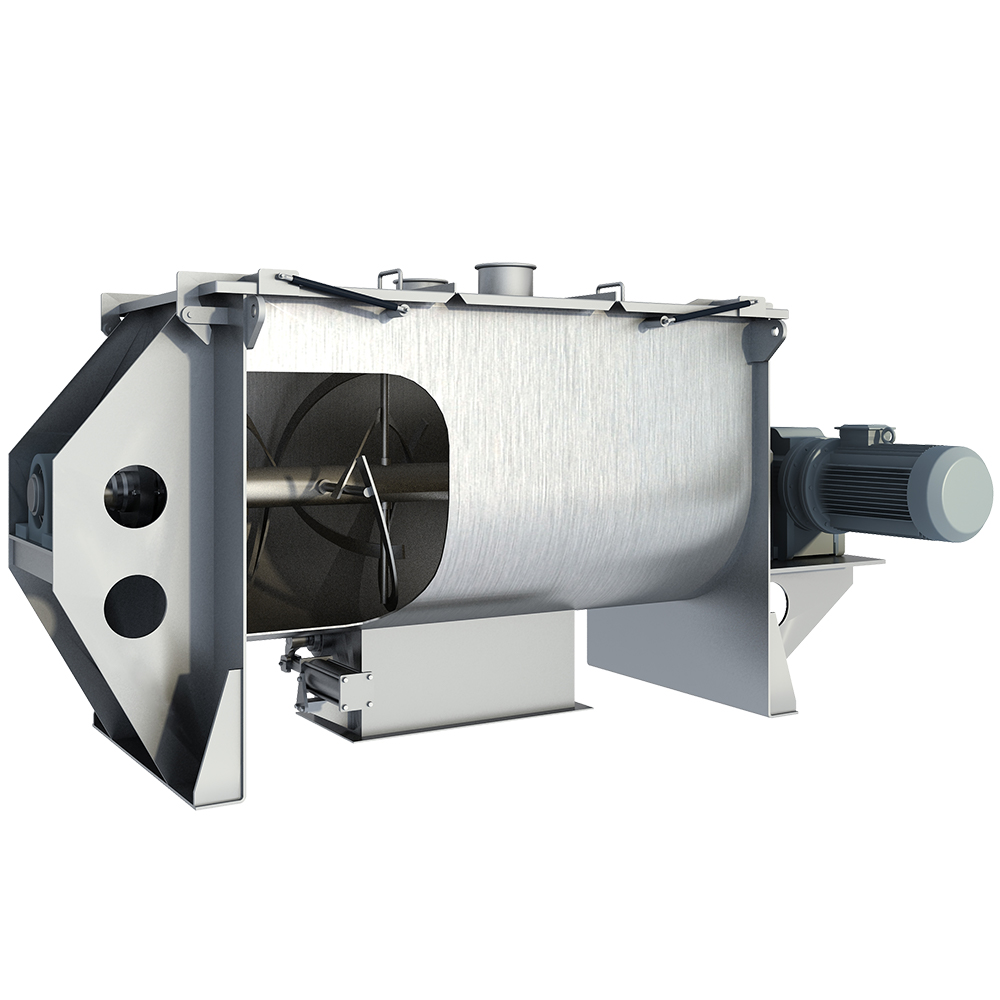
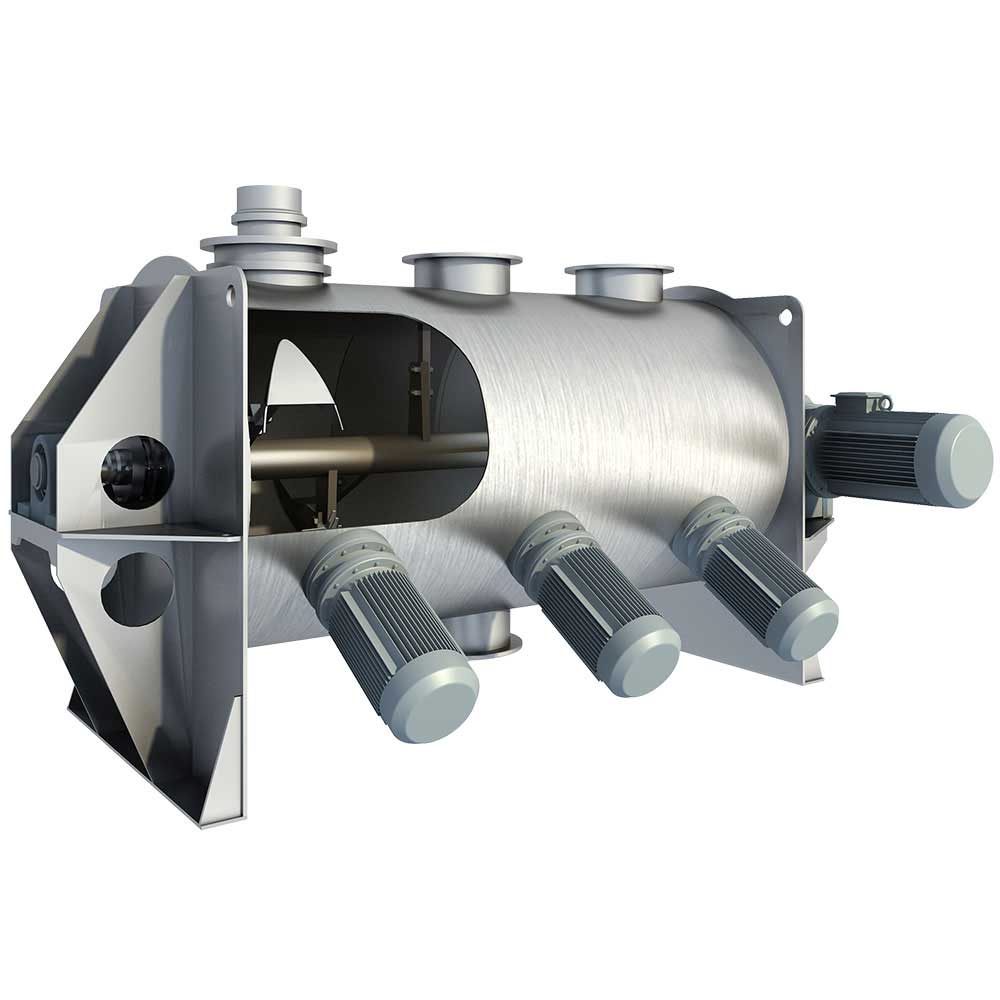
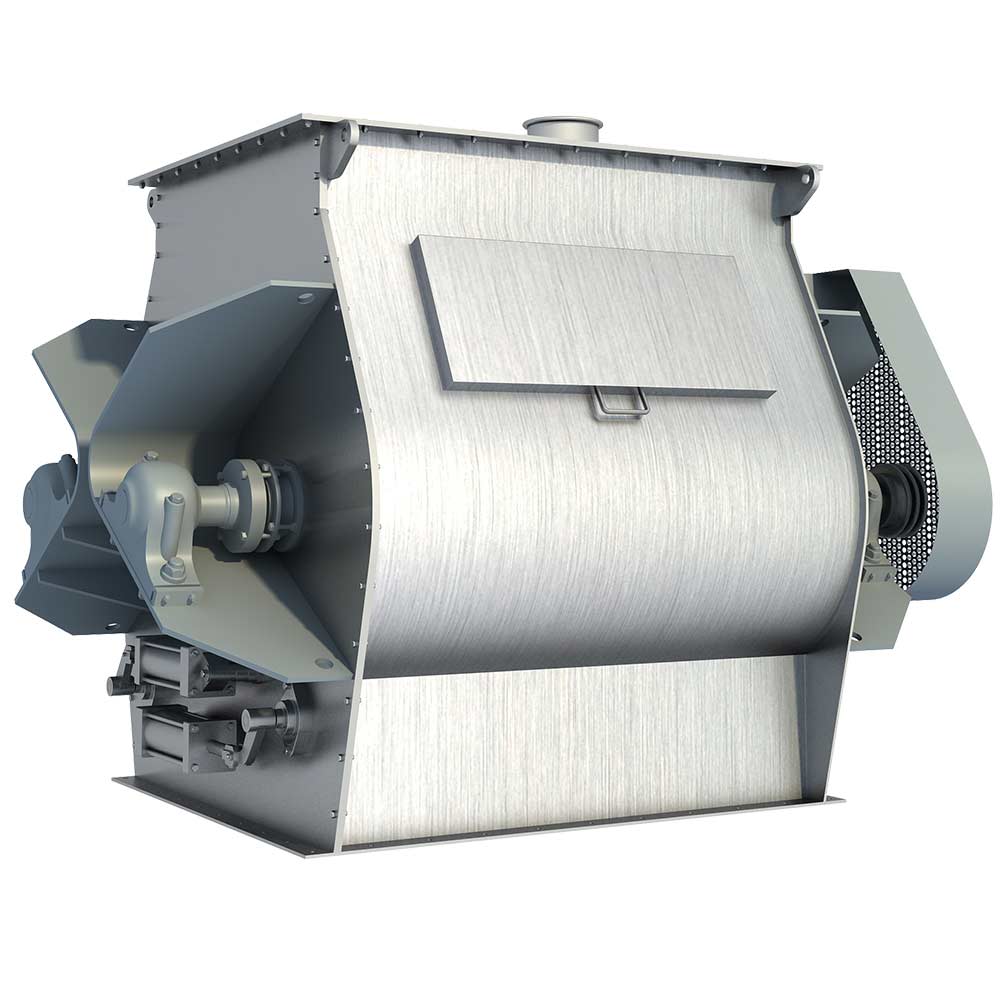
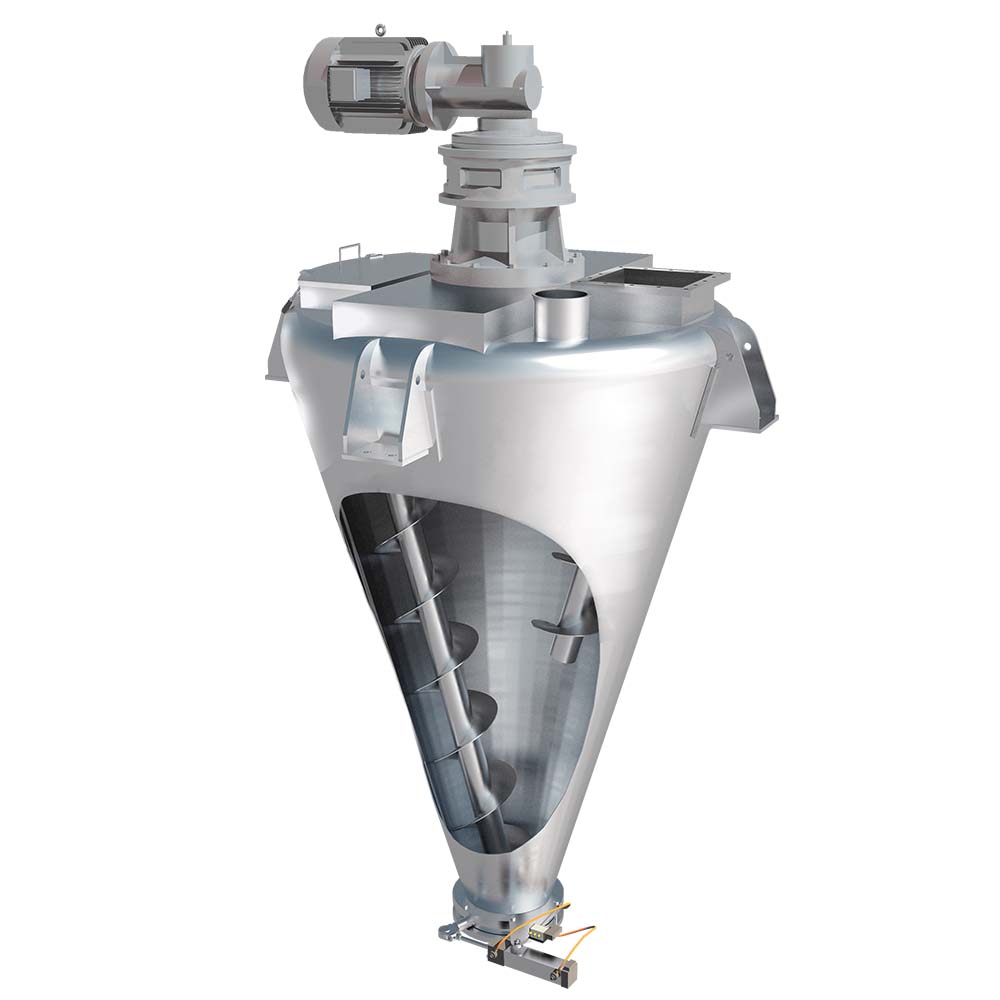
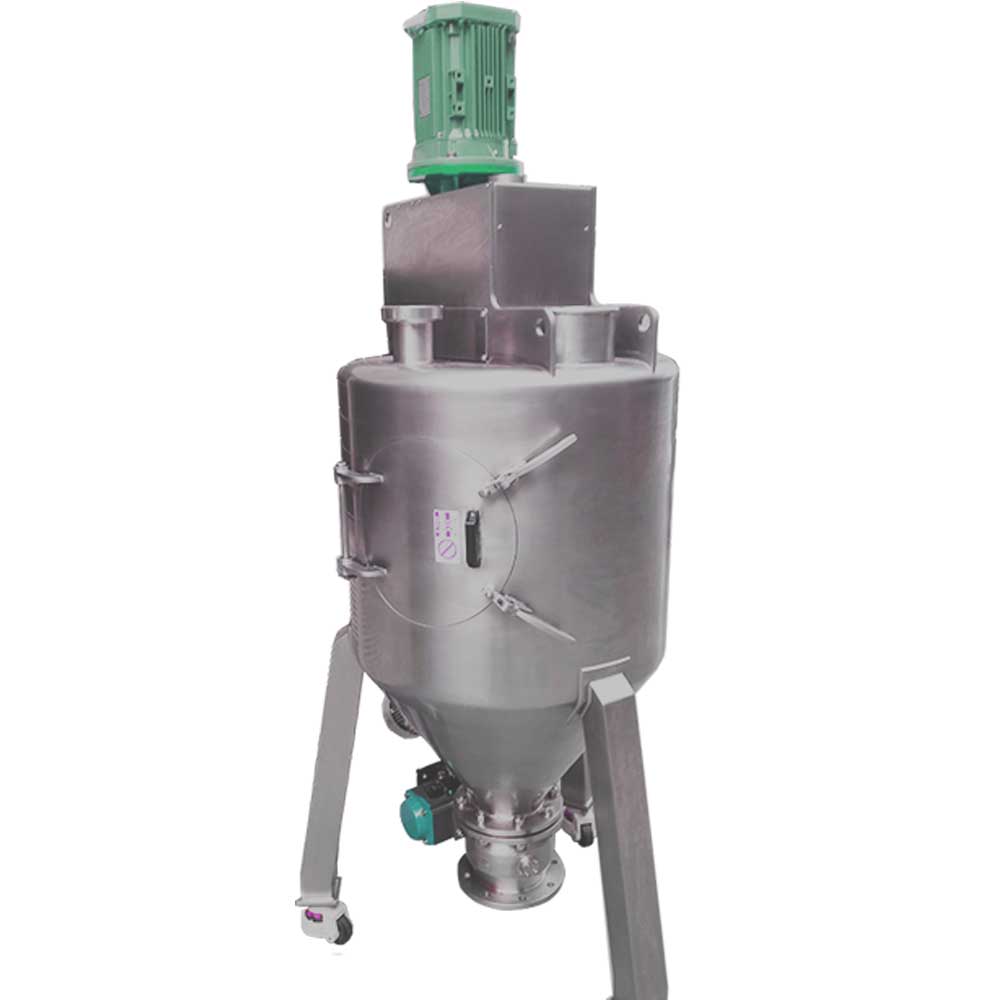
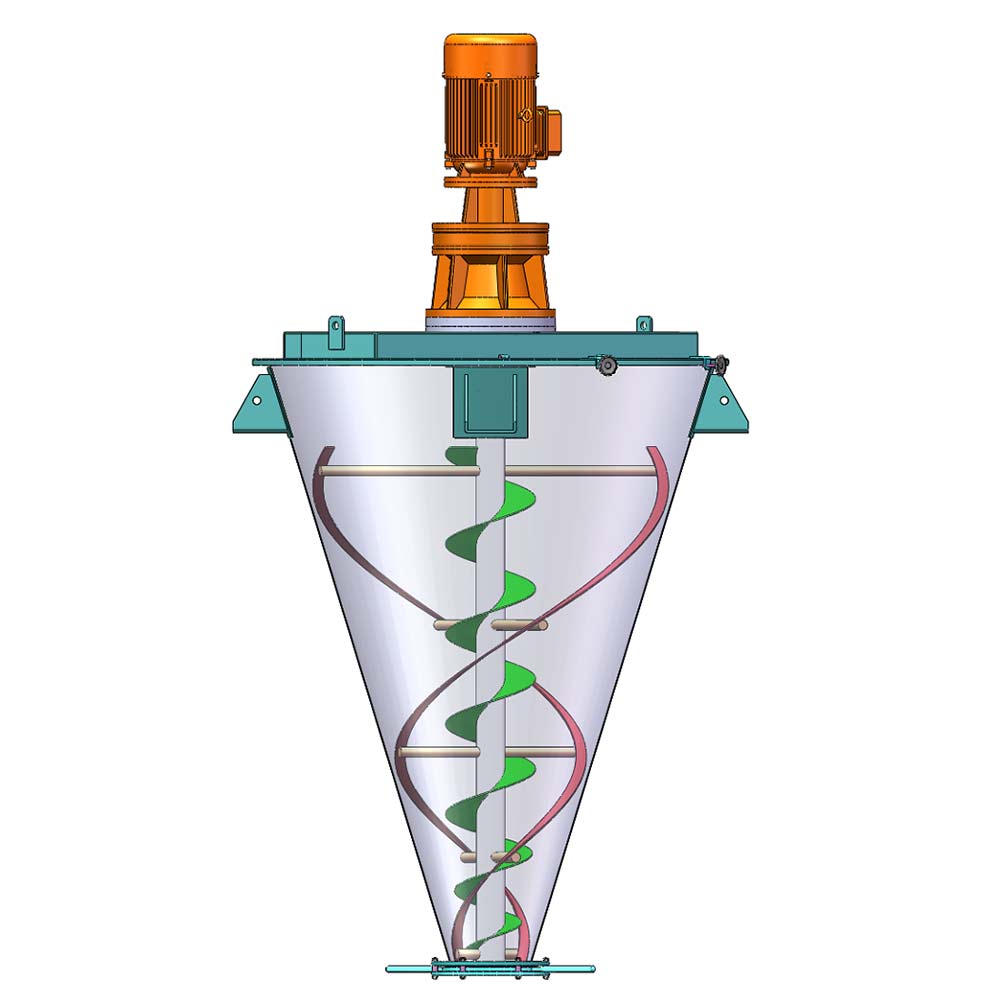
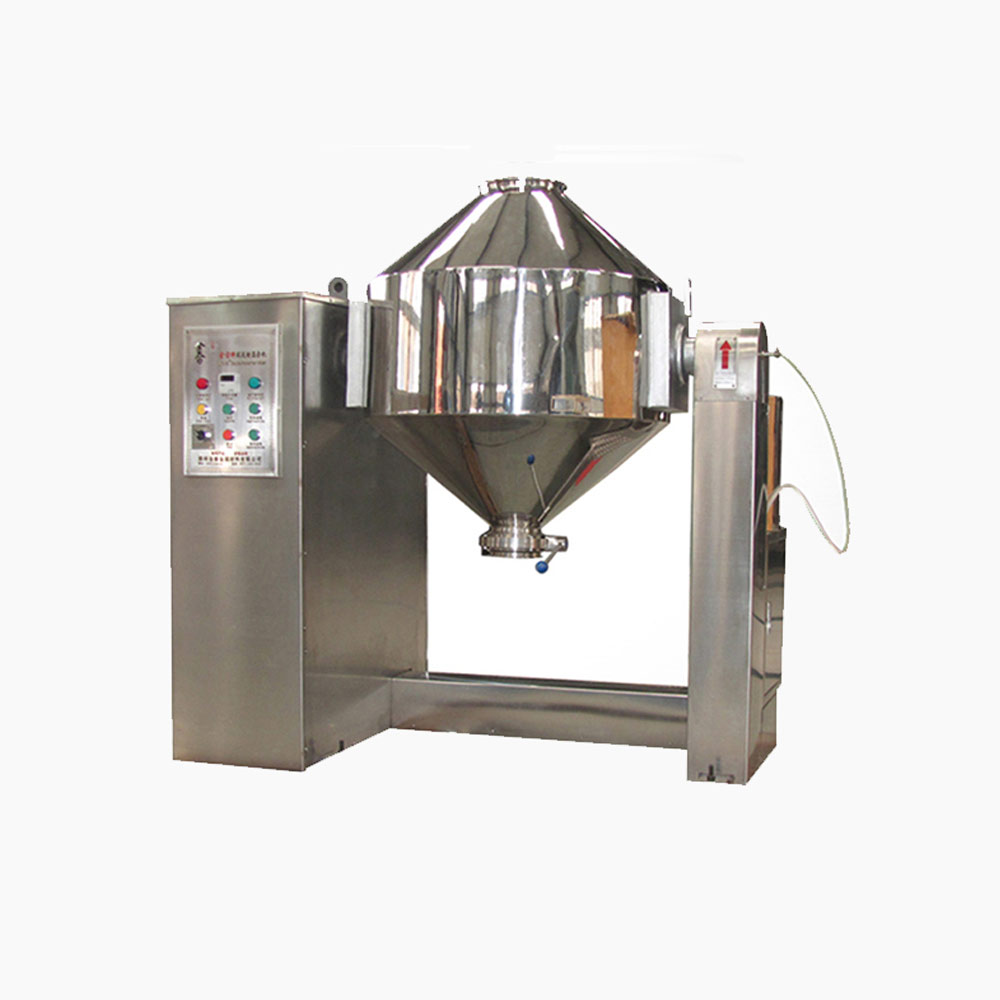
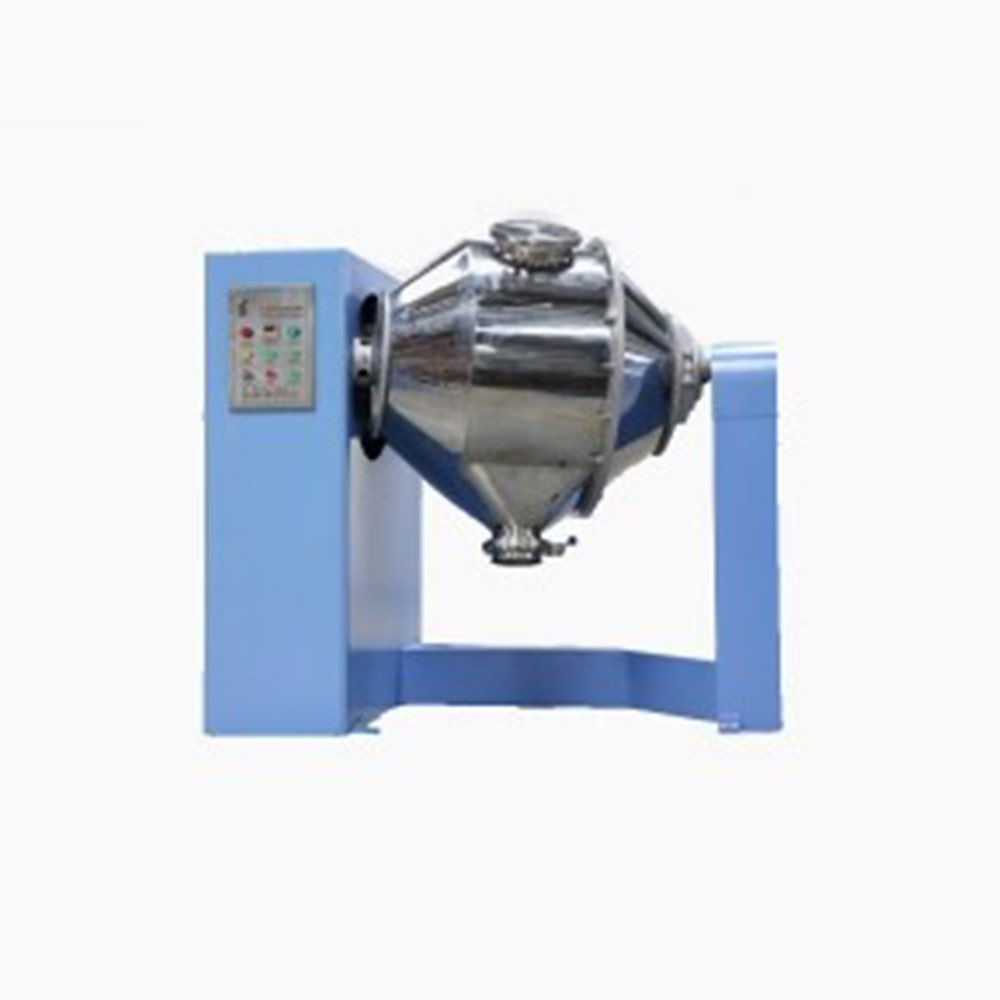
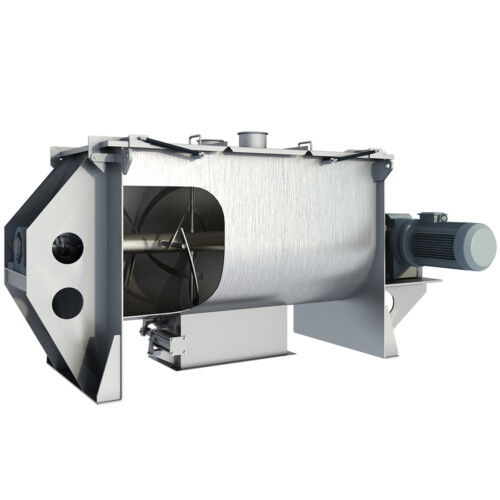
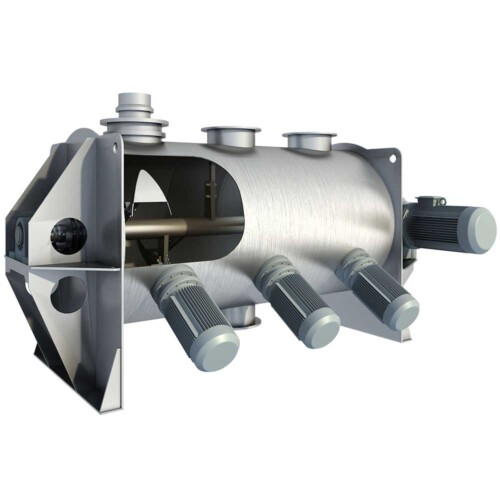
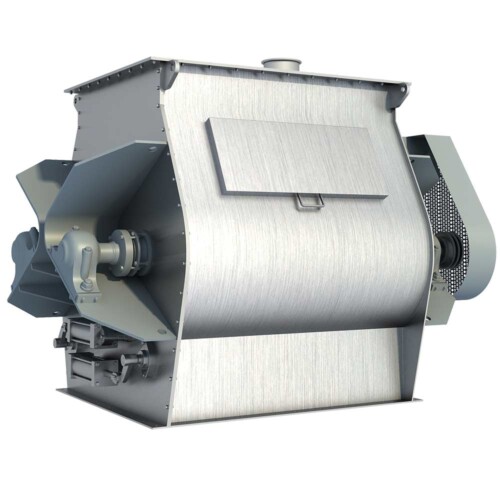
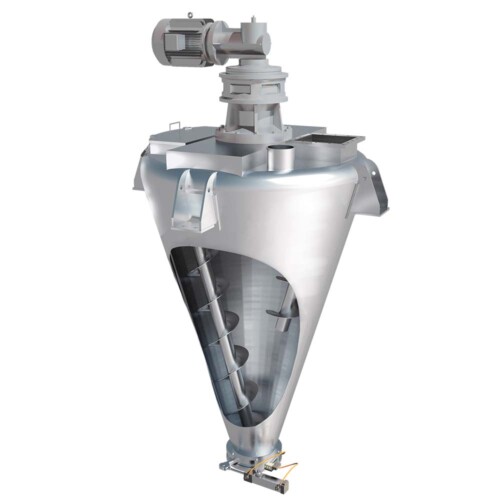
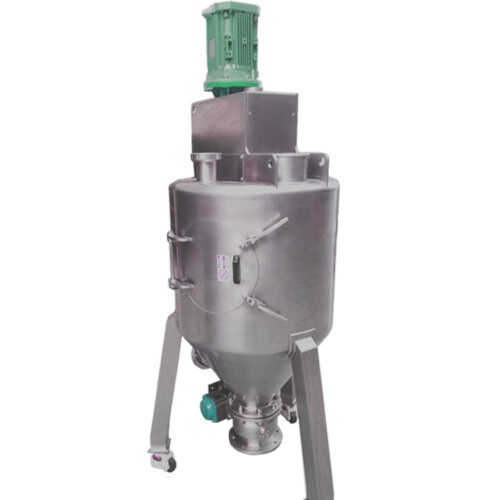
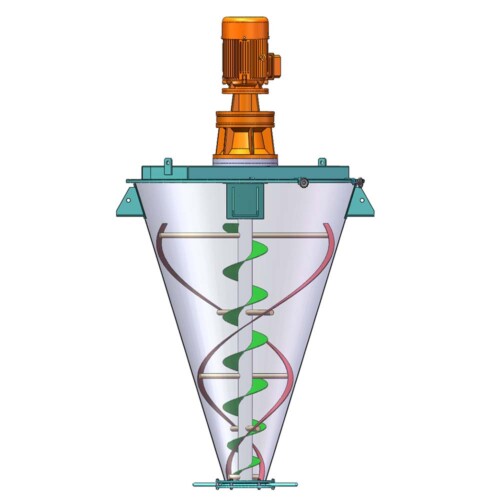
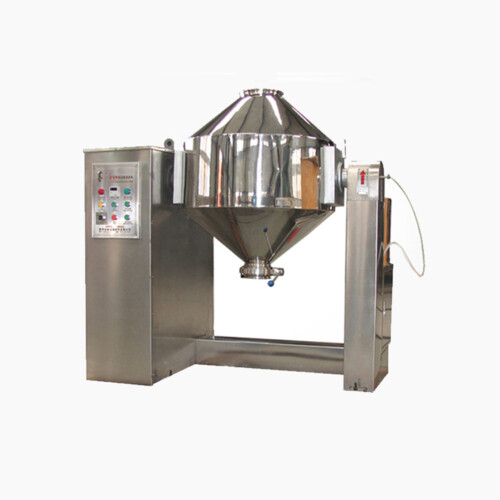
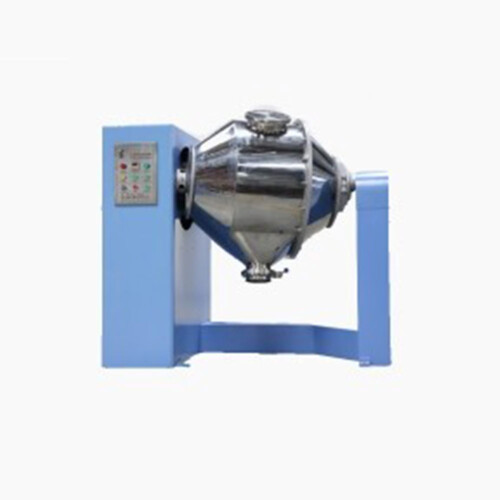
We manufacture specialty mixing equipment for powder & bulk materials. Included are ribbon blender, plough mixer, conical screw mixer, twin shaft paddle mixer, V blender, double cone blender and other auxiliary equipment such as screw conveyor, quantitive auger filler.
We sell across the world, our cusotmers distribute 5 continents.
Share Us With Your Network
How the IncMachine V Type Blender Elevates Powder Mixing in Industry
INTRODUCTION:
Mixing powders and granular materials is a core operation in many manufacturing sectors. Whether formulating pharmaceuticals, blending food ingredients, or combining chemical additives, achieving uniform, consistent mixtures is essential. The V Type Blender from IncMachine is engineered to deliver smooth, low-shear mixing for dry powders and granules. In this article, we examine how this blender works, where it is applied, the benefits it brings, and key considerations in adopting it within industrial lines.
What Is a V Type Blender?
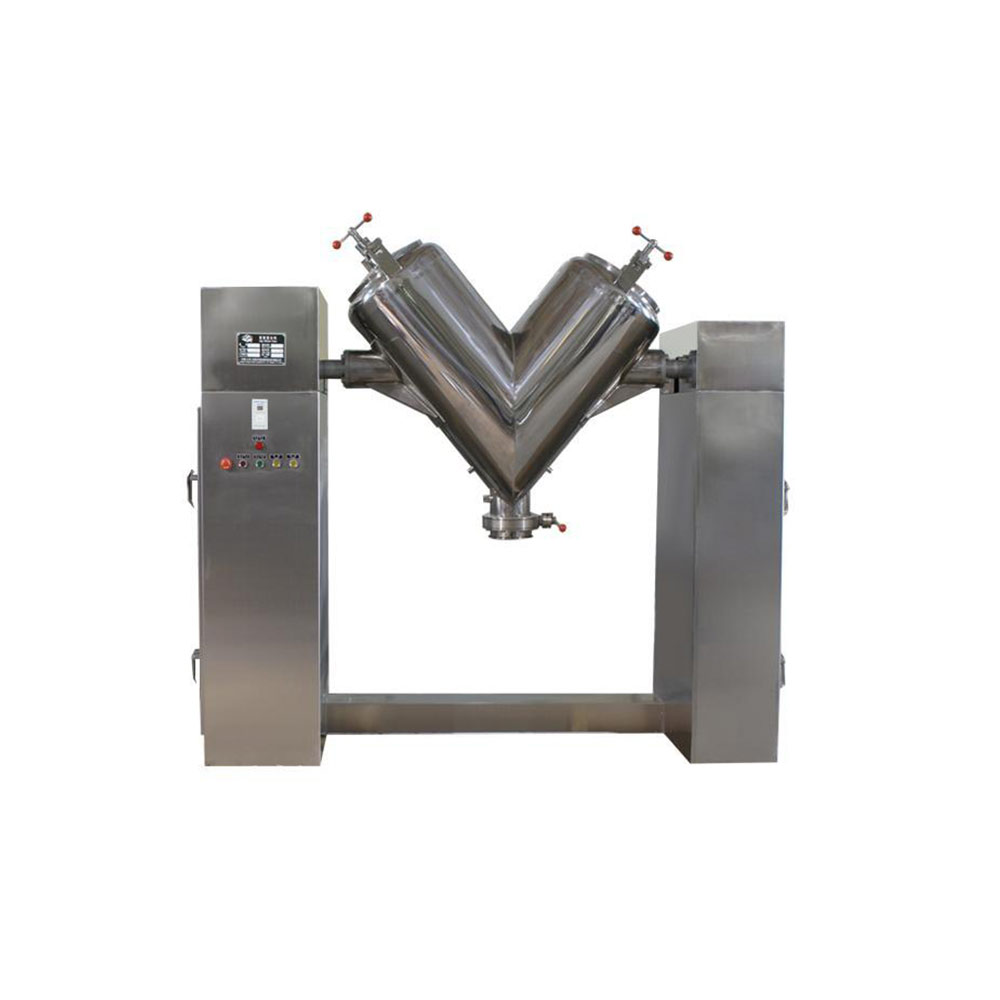
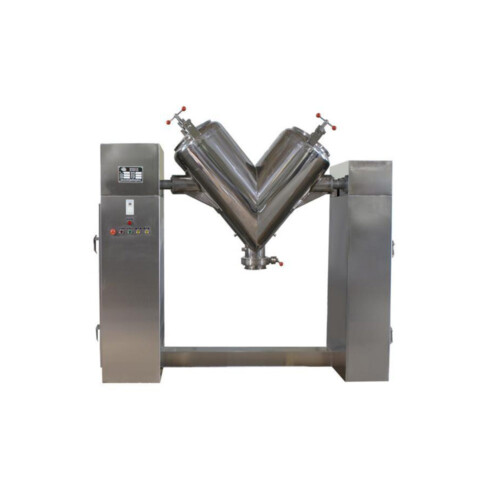
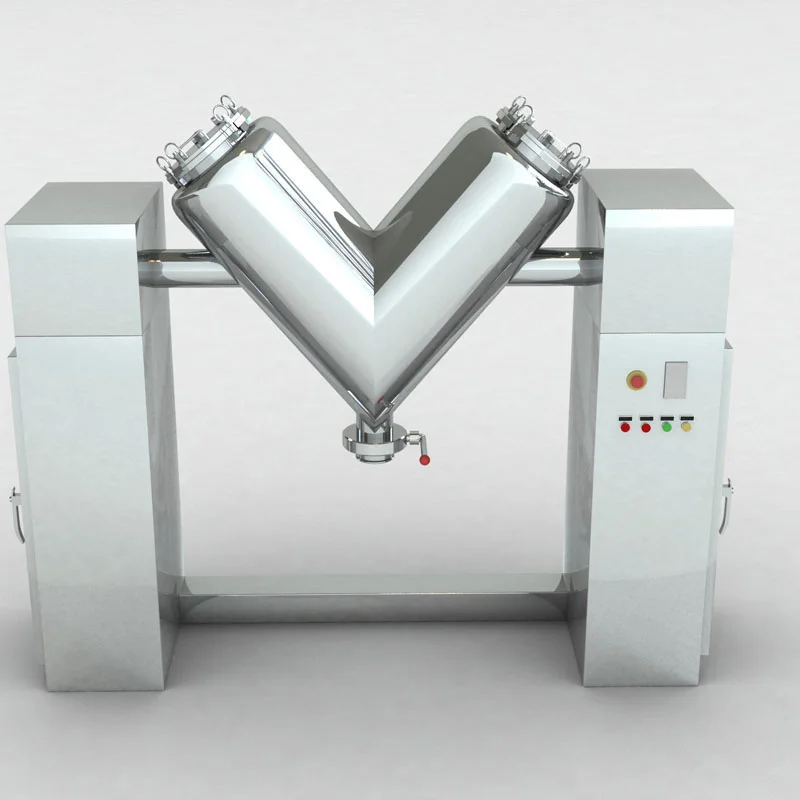
A V Type Blender (also called a V-shell blender or twin shell blender) is a tumbling mixer composed of two hollow cylindrical chambers joined in a “V” configuration. The shape causes materials to split and recombine repeatedly as the unit rotates, encouraging diffusion and random motion of particles that leads to a uniform blend.
Unlike high shear mixers or agitator systems, the V Type Blender applies gentle motion, which is ideal for fragile, abrasive, or shear-sensitive powders. It is often used for dry mixing or blending powders or granules with similar flow properties. Many models permit optional intensifier bars or spray nozzles for adding small amounts of liquids during blending.
The V shape promotes axial flow—materials move back and forth between the two arms of the V—while rotation ensures that fresh surfaces of the mix come into contact repeatedly. The result is homogeneity without damaging delicate particles.
Industrial Uses & Applications
The IncMachine V Type Blender finds use in a wide variety of sectors, wherever consistent powder or granular mixing is required. Typical applications include:
Pharmaceutical & Nutraceutical
Uniform blending of active pharmaceutical ingredients (APIs), excipients, vitamins, and powdered formulations is critical. The V Blender ensures precise dosage consistency, avoids segregation, and supports strict quality standards.
Food & Beverage
In food production, powders such as spices, flavorings, milk powder, baking mixes, and dry ingredients must be mixed uniformly. The V Type Blender helps in combining these ingredients without thermal or mechanical stress.
Cosmetics & Personal Care
Cosmetic powders, pigments, foundations, talc blends, and formulation additives benefit from gentle mixing to avoid damage to fine particles or coatings.
Chemical & Specialty Materials
Chemical powders, catalysts, pigment blends, coatings additives, and specialty compounds often must be blended with precise ratios. The V blender supports mixing with minimal dust, uniform dispersion, and stable output.
Plastics, Polymers & Fillers
When preparing masterbatches, colorants, or filler blends, the V Type Blender helps achieve uniform distribution of additives without damaging granules.
Detergents & Cleaning Powders
Detergent formulations, bleaching agents, surfactants, and powdered cleaning blends require uniform mixing to avoid performance variation. The V blender is ideal for dry blending in these industries.
Research, Pilot & Laboratory Use
Smaller versions of V Type Blenders are used for trials, formulation testing, and small batch blending in labs before scaling up to production models.
Benefits & Advantages
Adopting a high-quality V Type Blender from IncMachine offers many advantages. Below are key benefits in industrial contexts:
Gentle Mixing / Low Shear
Because the blender relies on tumbling rather than aggressive agitation, it imposes minimal shear stress, making it safe for breakable, friable, or delicate particles.
Uniform Blend & Homogeneity
Repeated splitting and recombining in the V geometry produce high mixing uniformity, even for trace ingredients or minor components.
Easy Loading & Discharge
The V configuration allows for simple charge ports and a full bottom discharge (often via a butterfly valve), minimizing material retention.
Simple Construction & Maintenance
With fewer internal parts, no agitators inside the vessel, and minimal contact points, cleaning and maintenance are simplified and downtime is reduced.
Low Energy Consumption
The tumbling motion is relatively energy efficient compared to more aggressive mixers, especially for free-flowing powders.
Minimal Heat Generation
Low mechanical stress and slow speeds reduce the heat introduced into the mix, which protects heat-sensitive ingredients.
Scalability & Flexibility
V Blenders are offered in many sizes—from lab models to large industrial units—allowing scale-up while preserving mixing behavior.
Option for Intensifier Bars or Sprays
For more challenging tasks (e.g. wet mixing, minor additive incorporation), optional intensifier bars or liquid spray nozzles can be added to enhance blending performance.
Working Principle & Operation
Understanding how the V Type Blender mixes material helps in optimizing its use. Here is a typical workflow:
- Loading
The vessel is partially loaded (often 50-70 % of its capacity) to allow movement and tumbling space. Overfilling can restrict motion and reduce mixing efficiency. - Rotation / Tumbling
The entire V vessel rotates about its horizontal axis. Material divides naturally between the two arms of the V. As rotation continues, the material migrates, cascades, and recombines, exposing new material surfaces. - Mixing / Diffusion
Because particles repeatedly cross into new zones, diffusion and convective mixing are achieved without needing internal impellers. - Optional Intensification
If needed, an intensifier bar can be inserted longitudinally, which breaks up agglomerates and accelerates mixing. Alternatively, minor liquid additives or binders may be sprayed during mixing. - Discharge
The blend is ejected through a bottom discharge port, often fitted with a butterfly valve or pneumatic system. The V shape supports full drain with minimal residual material. - Cleaning & Reset
After discharge, the vessel is opened via manway or inspection ports for cleaning and preparation for the next batch.
Design & Feature Considerations
When evaluating or specifying a V Type Blender, here are important design features and considerations:
- Material of Construction
Use stainless steel (SS304, SS316, or food grade variants) for all product contact parts to ensure durability and cleanliness. - Internal Surface Finish
A smooth, mirror or fine polish interior minimizes retention and eases cleaning. - Drive & Motor Controls
Variable speed drives, braking, jog modes, and safety interlocks help control blending cycles and prevent overmixing. - Capacity & Geometry
Matching batch volume and vessel shape is critical: not too full, not too empty, to allow effective tumbling motion. - Discharge Mechanism
A well designed bottom discharge (butterfly valve or pneumatic gate) is essential for full and clean discharge. - Safety Features
Guard rails, interlock switches, safety sensors ensuring the machine stops when doors are open. - Load Ports & Inspection Openings
Adequate manways or ports for charging, inspection, sampling, and cleaning. - Optionals
Intensifier bars, spray nozzles, vacuum charging, nitrogen blanketing, and recipe control via PLC systems.
Challenges and Handling Tips
While the V Type Blender is robust and versatile, there are a few limitations and best practices:
- Not Ideal for Very Cohesive or Sticky Powders
If powders tend to clump, the gentle tumbling alone may not suffice to break them. - Risk of Segregation on Discharge
Some materials with very different densities or particle sizes may segregate during discharge; careful control and timing help reduce this. - Overfilling Reduces Efficiency
Keeping vessel fill volume in the optimal range is essential—too much material stifles movement. - Speed Optimization
Rotational speed must be balanced: too slow yields poor mixing, too fast can cause centrifugal sticking to walls. - Cleaning Between Batches
Thorough cleaning is essential when switching materials to prevent cross-contamination. - Uniformity Monitoring
Periodic sampling and testing ensure the blend meets specification and that equipment is performing properly.
Conclusion
The IncMachine V Type Blender offers a time-tested, efficient, and gentle solution for mixing powders and granular materials across diverse industries. Its simple tumbling mechanism, combined with the V geometry, enables uniform blends without harsh mechanical action. The benefits—low energy use, easy maintenance, scalability, and adaptability—make it a strong choice for pharmaceutical, food, cosmetic, chemical, and research operations.
With thoughtful design choices, proper operation, and maintenance, this blender can become a dependable backbone of powder processing lines.
Ask An Expert