Ask An Expert
Frequently Asked Questions
Vortex mixers are designed for a wide variety of powders, granules, and powder-liquid mixtures.
Typical applications include chemical powders, food ingredients, pharmaceutical powders, animal feed, dry mortar, ceramics, battery materials, fertilizers, pesticides, minerals, refractory materials, and other bulk solids. The actual mixer configuration should be selected according to the physical and chemical properties of the material.
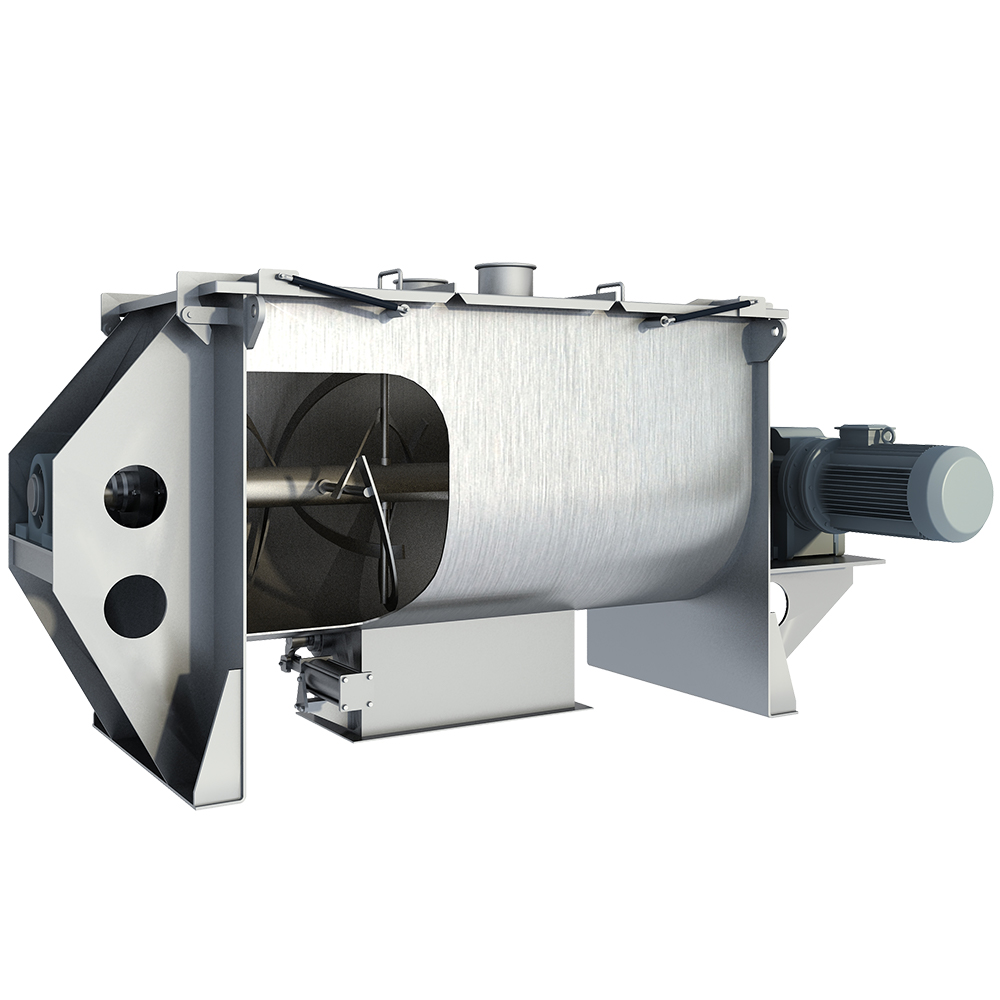
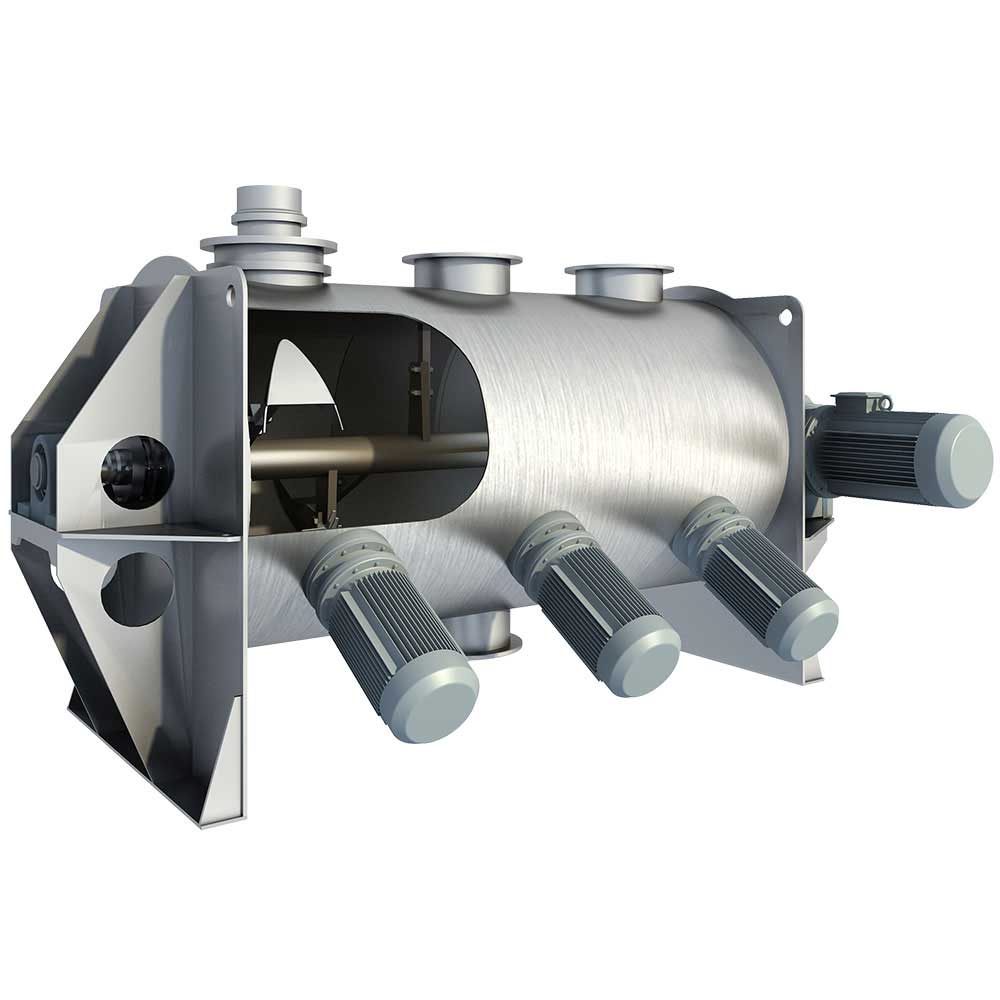
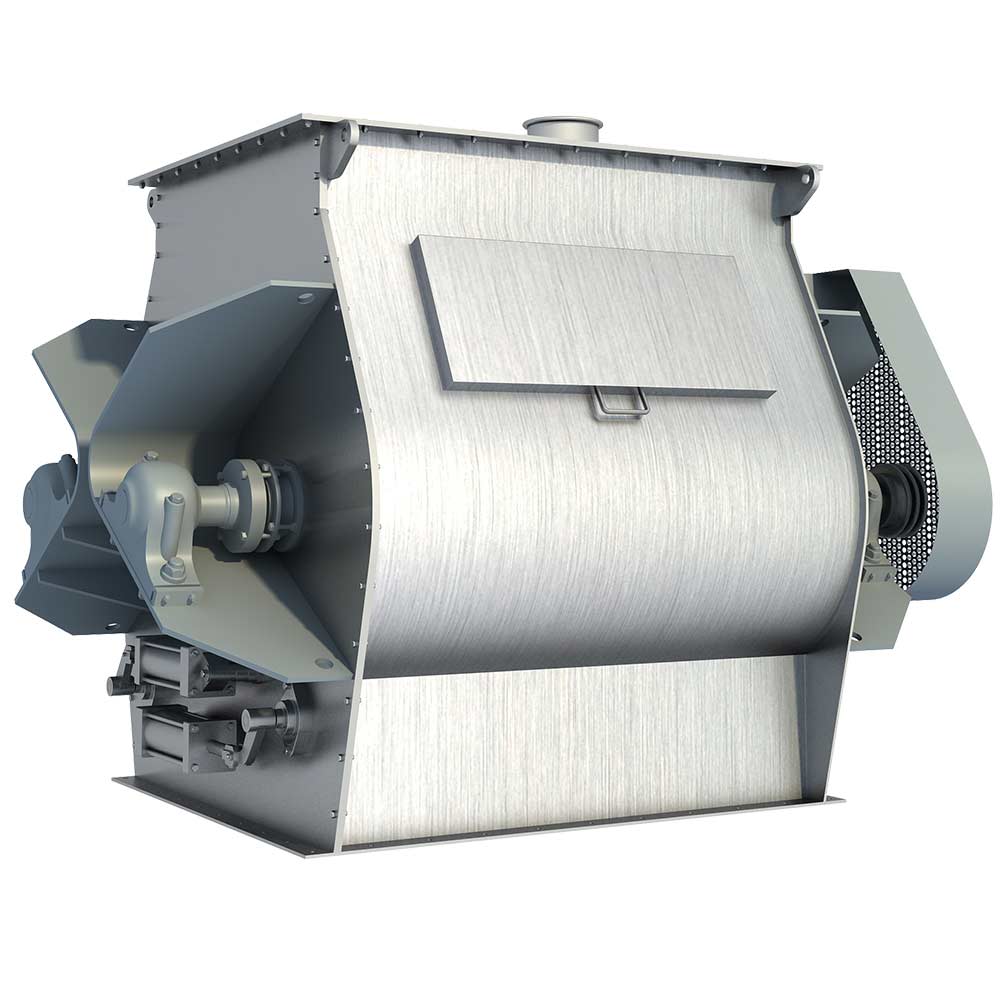
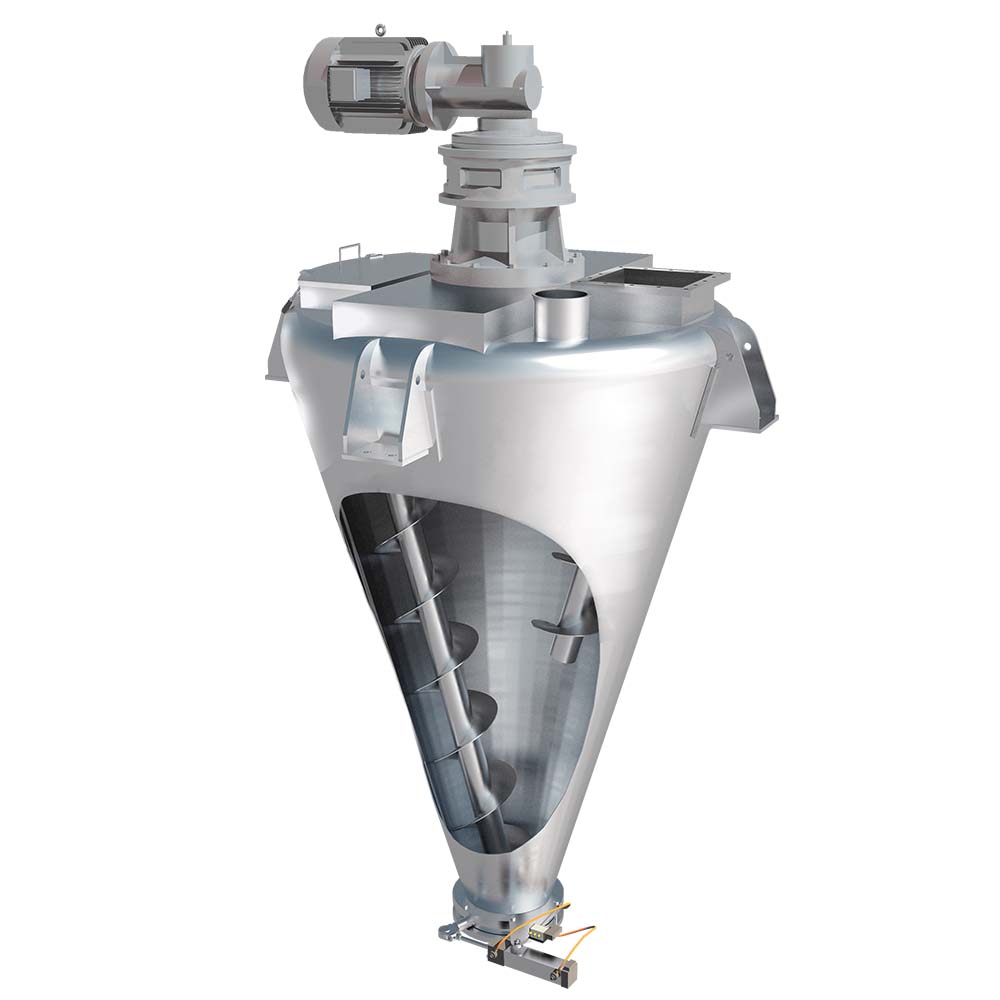
Vortex manufacture a wide range of industrial powder and bulk solids mixing equipment, including:
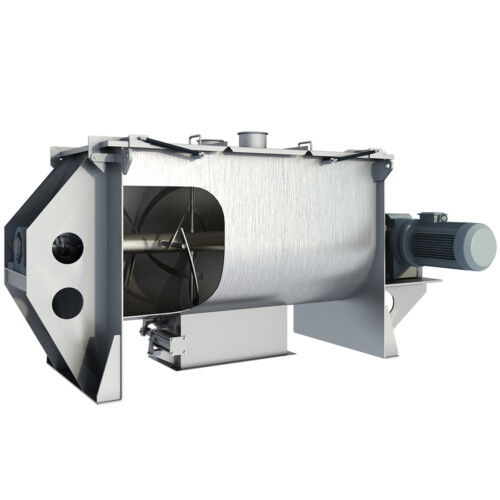
- Horizontal Ribbon Mixers
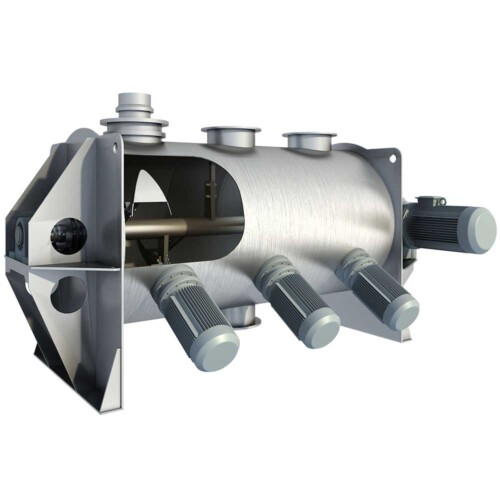
- Ploughshare Mixers
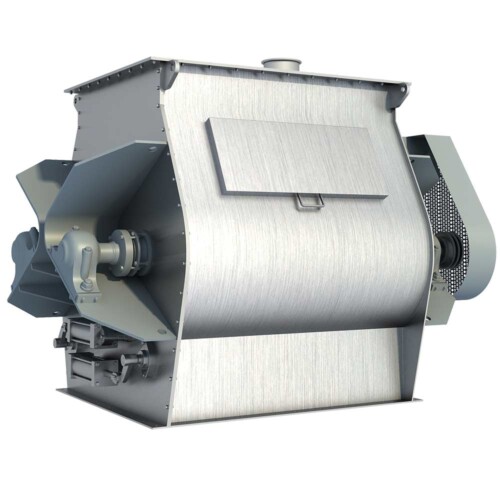
- Double Shaft Paddle Mixers (Paddle Mixers / “No-Gravity” Mixers)
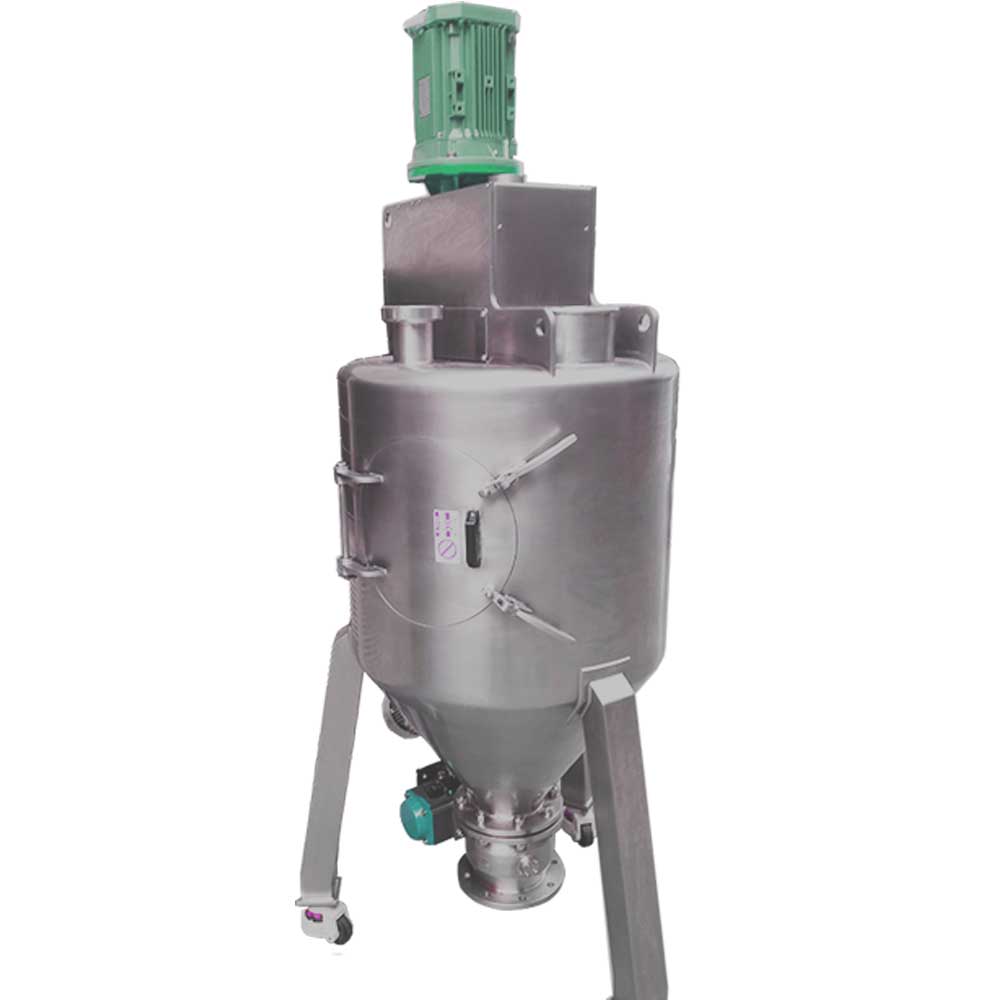
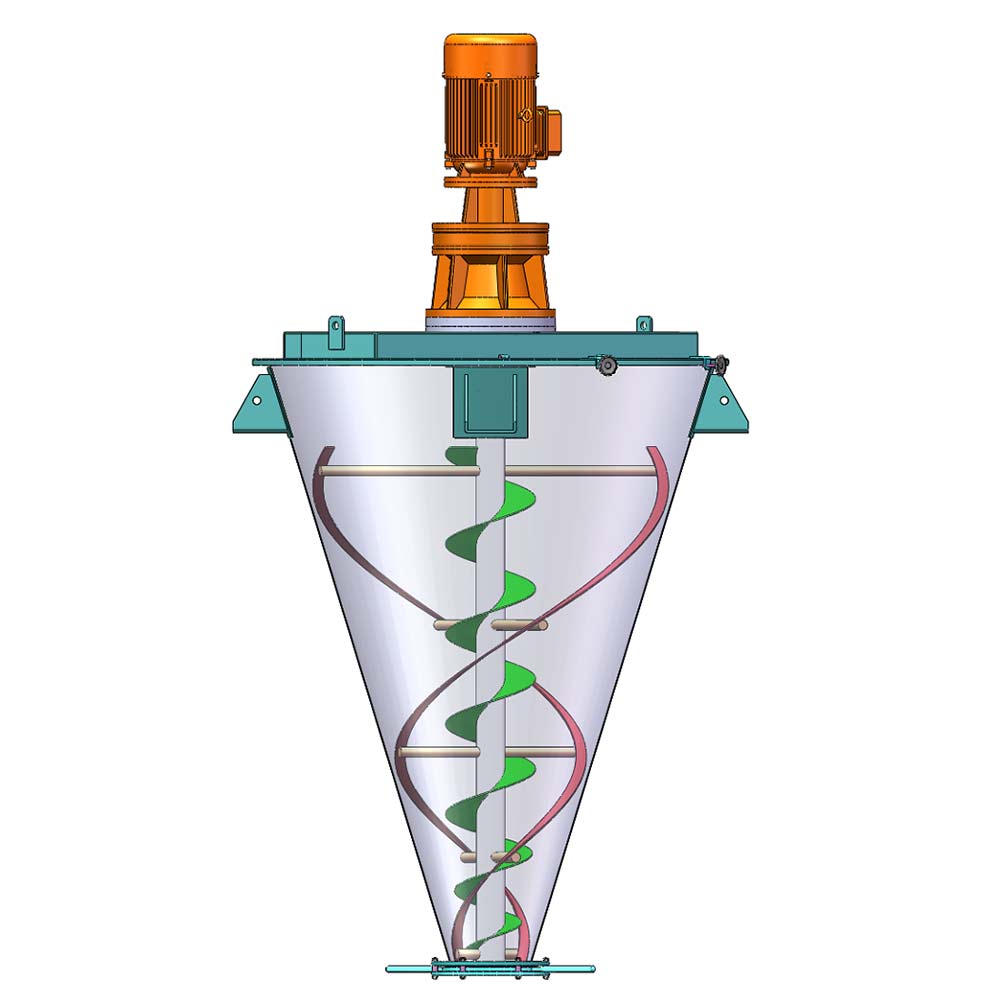
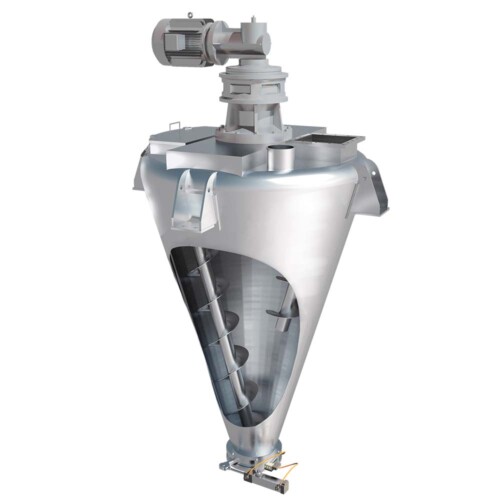
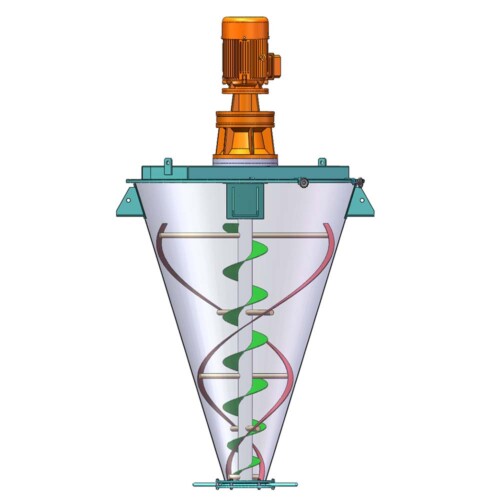
- Conical Twin-Screw Mixers
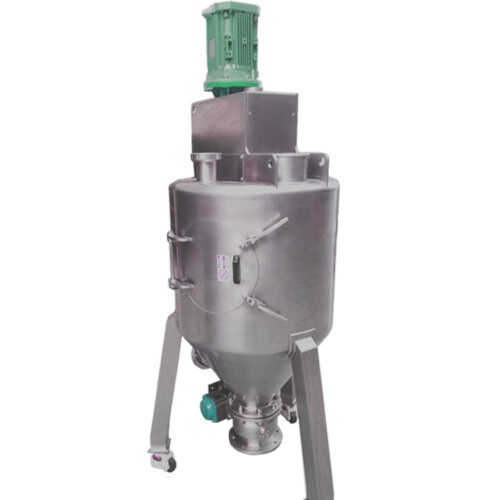
- Vertical Screw Ribbon Mixers
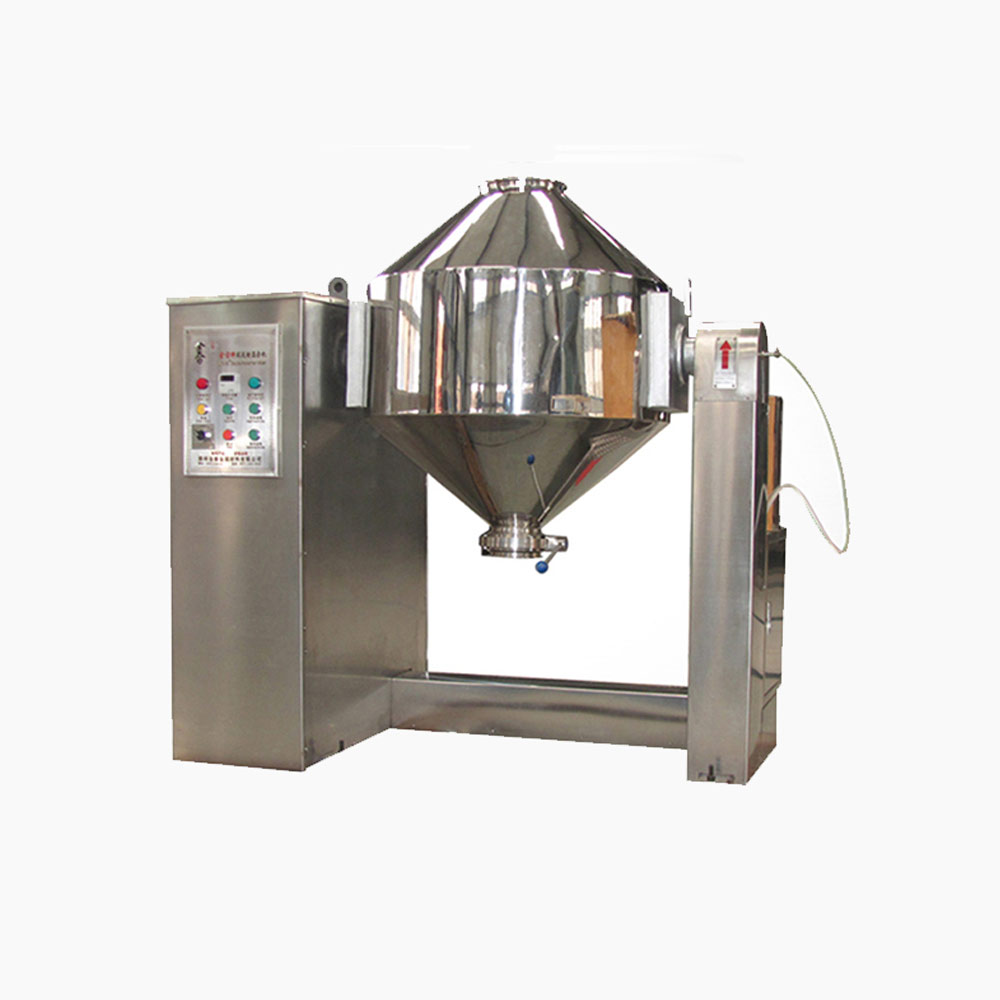
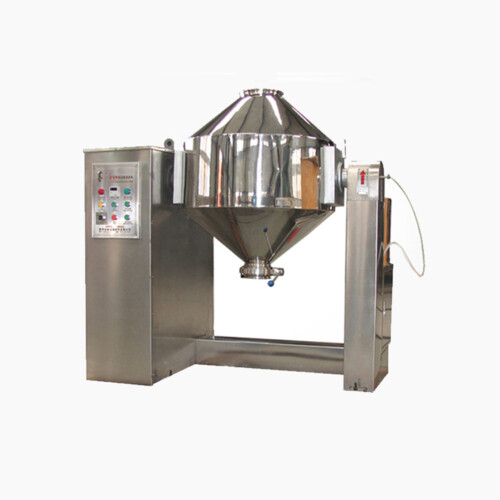
- Double Cone Mixers
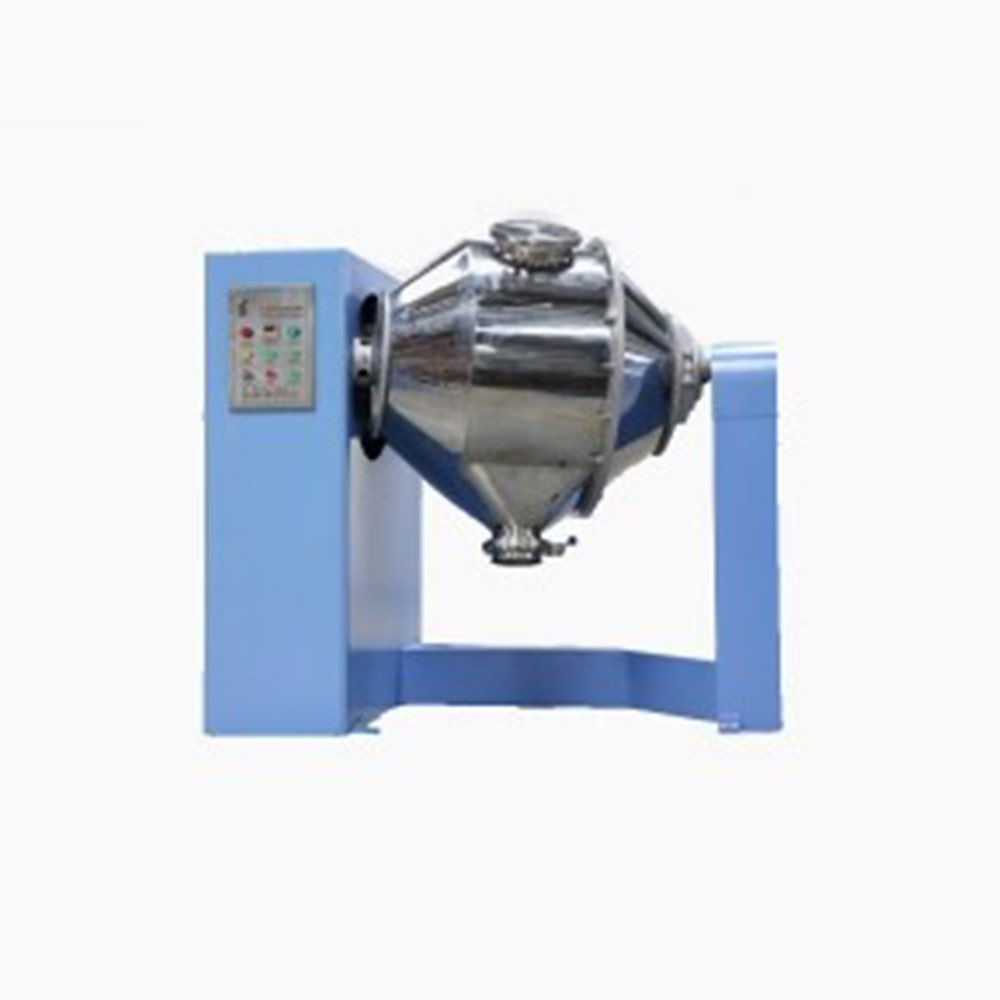
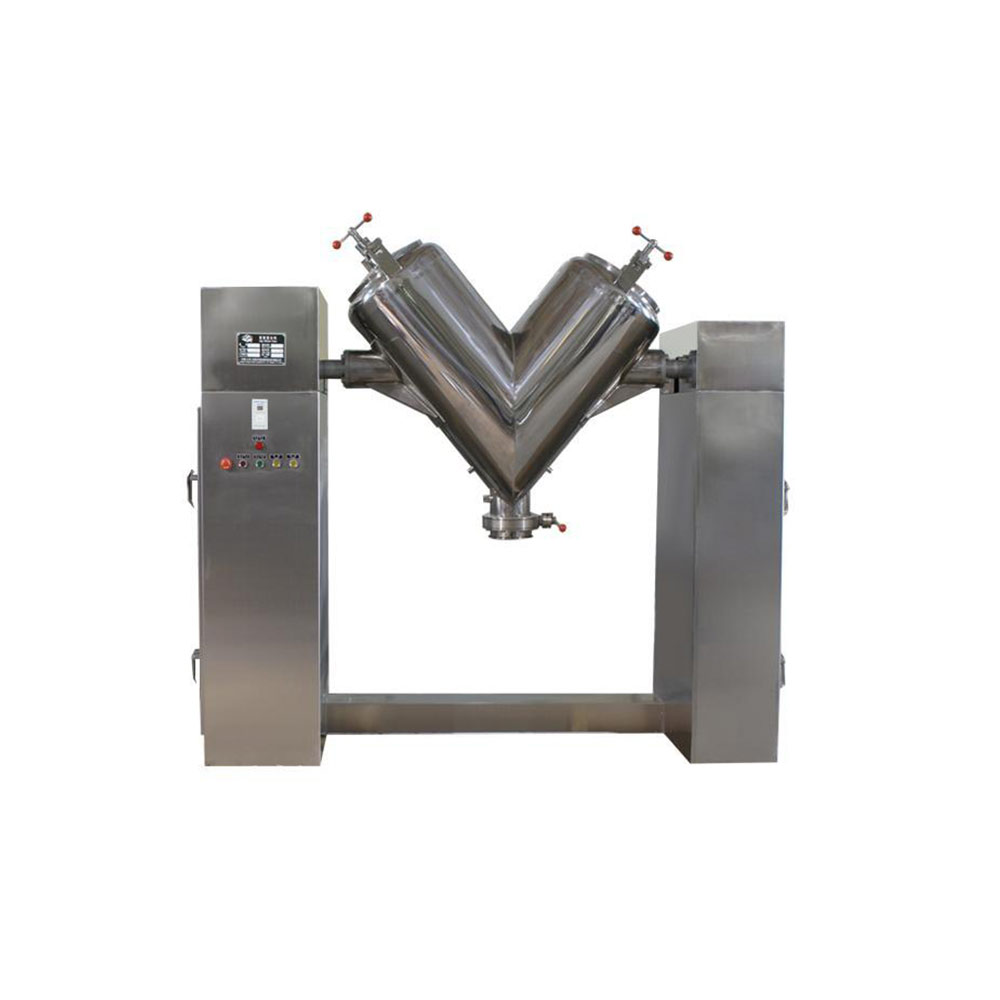
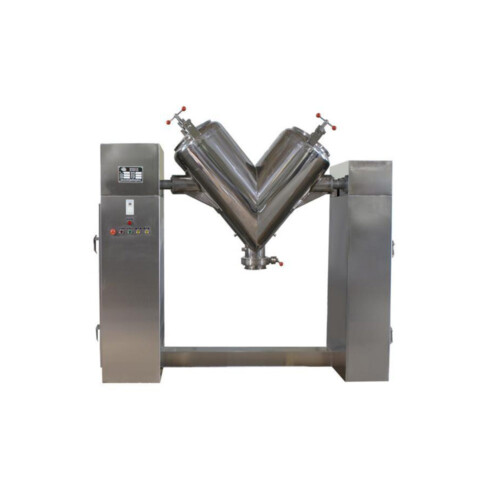
- V-Type Mixers
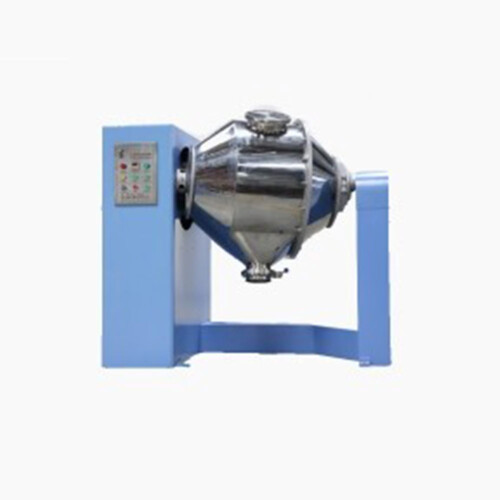
- 3D Motion Mixers
- Customized mixing systems and complete mixing lines
The most suitable mixer depends on your materials, production capacity, mixing ratio, required mixing time, and process conditions.
Mixer capacity should be evaluated using both the total vessel volume and the effective working volume. The required volume depends on material bulk density, batch weight, filling ratio and the mixing principle of the selected machine. A mixer should not normally be filled to its total geometric volume because sufficient space is required for material movement and effective mixing. For this reason, selecting a mixer based only on vessel volume can result in an unsuitable configuration.
The appropriate industrial powder mixer depends on several factors, including:
- Material characteristics
- Bulk density
- Particle size
- Required mixing uniformity
- Batch size or production capacity
- Moisture content
- Whether heating or drying is required
- Whether liquid addition is required
- Required discharge configuration
- Production and automation requirements
Vortex provides different powder mixer designs so that equipment can be selected according to the specific process requirements.
Vortex powder mixer selection depends on several factors, including:
- Material type and characteristics
- Bulk density and particle size
- Material flowability
- Moisture content
- Viscosity
- Mixing ratio
- Batch size or required production capacity
- Whether liquid addition is required
- Required mixing uniformity
- Temperature, pressure, vacuum, or other process requirements
Vortex engineers can recommend a suitable powder mixer based on your material and process requirements.
Yes, We can supply simple stand alone panels or automated PLC controlled systems. We normally install and test all controls on our mixers before they are shipped.
Yes, we normally test the mixers before they are shipped and mark out the wire need to connect on the control box.
We manufacture specialty mixing equipment for powder & bulk materials. Included are ribbon blender, plough mixer, conical screw mixer, twin shaft paddle mixer, V blender, double cone blender and other auxiliary equipment such as screw conveyor, quantitive auger filler.
We sell across the world, our cusotmers distribute 5 continents.
Share Us With Your Network
Optimizing Granulation: How Fluid Bed Granulator Dryers Improve Efficiency
INTRODUCTION
The process of granulation is an important process in most industrial operations particularly in pharmaceuticals, chemicals, food and agricultural products. It is designed to transform fine powders into bigger granules that enhance flowability, minimize dust, as well as guarantee uniformity. Conventional granulation and drying are usually different processes yet recent fluid bed granulator dryers combine both processes. Such integration results in increased efficiency, improved control and quality of the products.
Their Fluid Bed Granulator Dryer at Vortex Mixing Technology / IncMachine is a powerful and high-capacity tool. The description of the working principle is given on the product page: powder is introduced into the fluid bed chamber, cold air is introduced, heated and passed through the bed to fluidize material. Meanwhile, nozzles are sprayed with a binder or adhesive. During granulation, moisture is eliminated by hot air at all times and fans evaporate the moisture.
Knowing the Principle of Working
A fluid bed granulator dryer is a machine that operates by holding particles suspended by an upwards movement of hot air. In the process of such fluidization, a binder (or adhesive) which is in the form of a liquid is sprayed over the particles through nozzles resulting in colliding and coalescing of the particles into granules. At the same time moisture is evaporated and transported by exhaust air.
Key stages in operation:
Air Intake and Heating
Filtered or ambient cold air is introduced into a heating chamber via filters (usually the HEPA filters).
Fluidization
Heated air enters into it through the bottom and flows through the material bed. The particles have a sufficient air velocity to be acted as a fluid due to the suspension.
Binder Spray (Granulation stage)
The spray nozzles are fed with a binder liquid which is provided through pumps (such as peristaltic pumps). The fine particles are attached to the liquid and made to form aggregation.
Drying / Evaporation
The warm air will keep increasing the rate at which moisture is evaporated by the wet granules. The design has been done to achieve adequate drying as the granules increase in size.
Exhaust / Moisture Removal
The damp air is removed by fans or vacuum systems to eliminate the chances of condensation or moisture accumulation.
Discharge / Cooling
Once the granulation and drying have met the target endpoints the system can cool down and release the granules in controlled conditions.
This combined technology eliminates the processing of wet masses in between individual granulation and drying operations which makes it complex, transfers, contamination and time.
Why are Fluid Bed Granulator Dryers more efficient?
A fluid bed granulator dryer will have a variety of operational, energy and product advantages:
Savings in Time through Integration
Since the process of granulation and drying takes place in the same vessel, it means that you do not need to transfer the wet granules into another dryer. This minimizes time wastages, number of processes and possible contamination risks.
Uniform Granule Quality
Fluidization provides the same exposure of all particles to heated air and binder spray. The result of that is fine granule size distribution, increased strength, and uniform moisture content.
Better Thermal Control
Precise temperature and airflow regulations imply that delicate materials do not get overheated or damaged. The system is able to stabilize air temperature and velocity to granulation kinetics.
Lower Energy Consumption
Combining processes will reduce the amount of energy wasted in heating the air that is not contributing towards granulation. In addition, the heat loss is minimized through efficient heat exchange and exhaust control.
Less Material Handling and Loss
Reducing machine changeover reduces wastage and dust and contamination of products. The shuttered design assists in sustaining clean production and increased yield.
Scalability and Flexibility
Contemporary fluid bed granulator dryers can be tailored to go up to lab, pilot, and full production. They are able to adjust spray rate, airflow and temperature to other formulations.
Improved Process control and automation
Sensors, feedback, and control units are useful in holding setpoints of temperature, humidity, airflow and spray rates- resulting in repeatable results and less operator variance.
Important Design and Operational Requirements
The design characteristics and operating conditions are also to be considered in order to exploit a fluid bed granulator dryer to its full potential. The following are some of the critical issues to be considered during the choice or use of such equipment.
Airflow and Velocity
The air flow should not be too slow that it does not fluidize the bed nor too powerful such that it carries away the particles. The correct velocity is normally slightly higher than the lowest fluidization velocity of the material.
Temperature and Heating
The air should be heated to such a temperature that evaporation of moisture occurs without damaging the material (drug or heat-sensitive ingredient). It is important to have a properly built preheating chamber and heater.
Binder Type and Spray Nozzles
The material should be compatible with liquid binders and the droplet sizes should be controlled. Uniformity depends on nozzle design, placement as well as spray rate. The peristaltic pump feed and nozzle set up is to be adjusted.
Residence Time
Balancing between periods of time that the particles reside in the bed: not too long as to permit the binding and drying process, but not so short that the particles become overgrown and caked.
Moisture Removal
The exhaust system should be able to properly transfer moisture vaporized without condensation. The filters should not allow the attracting of particles into the exhaust.
Bed Depth and Loading
The bed depth is uniform and this contributes to uniform airflow. Poor fluidization and inefficient drying is caused by overloading.
Cooling Stage
Before discharge, often there is a need to have a cooling stage under controlled airflow particularly in the case of heat sensitive granules.
Cleaning and Maintenance
It should be designed in a way that is easy to clean, change filters and maintain nozzles. Rapid changeovers minimize between batch downtimes.
Industrial uses Applications Across Industries
The fluid bed granulator dryers are used in numerous industries that have to have granulated products with regulated moisture and particle properties.
Pharmaceutical Industry
Active pharmaceutical ingredient (API) granulation and excipient granulation.
Tablet and cap dry granulation
Since pharmaceutical products can be heat- and moisture-sensitive, the low temperature and fluid bed system drying are beneficial specifically.
- Chemical and Specialty Chemicals
- Catalysts, fertilizers, detergents and agrochemicals granulation.
- Making powders into granular forms so that they are easy to handle and package.
- Regulated moisture levels to down-stream.
Food and Nutraceuticals
- Food additives, vitamins, flavors and supplements, are granulated.
- Immediate powders or reconstitutables.
- Mechanical ventilation to ensure free flow and minimization of dust.
Agricultural Products
- Fertilizer, feed additives, micronutrients, granulation.
- Developing simple to use granules with controlled release characteristics.
- Materials and Minerals: Building.
- Cement additives, pigments, mineral compounds granulation.
- Enhancing the mixing and dispersion through conversion of dust to granules.
Grant: Fluid Bed Granulator Dryer, Vortex / IncMachine
The above working mechanism is provided in the Fluid Bed Granulator Dryer on the IncMachine site. It consists of prefilters, heating chambers, spray nozzles, airflow systems and exhaust fans.
Process engineers, in the case of adopting such equipment must also liaise with the manufacturer (Vortex) to establish the correct size, spray system, airflow, and heating setup depending on the properties of the material such as the bulk density, particle size, sensitivity to moisture, as well as binder properties.
The optimization of granulation using this equipment
In order to optimize your performance in your configuration, observe the following suggestions:
Calibration of proper airflow: Conduct experiments to determine the optimum fluidization point.
Choose the right concentration of binder and spray rate: Excessive concentration of binder will result in overgrowth, whereas insufficient concentration will result in weak granules.
Segment drying and granulation steps: Initially, the granulation process is conducted with drier air, which is then replaced with wet air to complete the drying process.
Ramping temperature: Raise the temperature of air gradually so as not to create a thermal shock or condense.
Real time monitoring of moisture: Sensors can be used to stop drying at a specific point when the desired moisture level is achieved.
Equal spray distribution: Check nozzles and make sure that there are even spray angles.
Use adequate cooling before discharge: Use ambient air or lower temperatures to cool granules.
Cleaning and changeover plans: The available designs minimize downtime.
Advantages
- In summary, the fluid bed granulator dryers enhance better granulation by:
- The shortening of process time by combined granulation and drying.
- Maintaining the same quality of granules and moisture.
- Reducing energy use through heat and air optimization.
- Reduction of losses and contamination by means of closed system design.
- Providing flexibility and scalability on the formulations as well as the batch sizes.
- Allowing control, automation to achieve a reproducible result.
The discussed strengths render fluid bed granulator dryers an interesting option among manufacturers who want to increase the productivity and the quality of their products.
Conclusion
This enhancement in the technology of powder processing through optimization of granulation by the application of fluid bed granulator dryers is a milestone in the history of powder processing. In the case of those industries where time, quality, and consistency are of the essence, such as pharmaceuticals and chemicals, food and agriculture, this combined strategy provides a variety of benefits.
By integrating spray granulation and drying into one controlled environment, you save time, reduce energy usage, and achieve better granule uniformity. By choosing the system, such as the Fluid Bed Granulator Dryer of Vortex Mixing Technology / IncMachine and combining it with the effective process design and regulation, you will place your production in high efficiency, better results and competitiveness.
Ask An Expert