Ask An Expert
Frequently Asked Questions
The appropriate industrial powder mixer depends on several factors, including:
- Material characteristics
- Bulk density
- Particle size
- Required mixing uniformity
- Batch size or production capacity
- Moisture content
- Whether heating or drying is required
- Whether liquid addition is required
- Required discharge configuration
- Production and automation requirements
Vortex provides different powder mixer designs so that equipment can be selected according to the specific process requirements.
Vortex powder mixer selection depends on several factors, including:
- Material type and characteristics
- Bulk density and particle size
- Material flowability
- Moisture content
- Viscosity
- Mixing ratio
- Batch size or required production capacity
- Whether liquid addition is required
- Required mixing uniformity
- Temperature, pressure, vacuum, or other process requirements
Vortex engineers can recommend a suitable powder mixer based on your material and process requirements.
Yes, We can supply simple stand alone panels or automated PLC controlled systems. We normally install and test all controls on our mixers before they are shipped.
Yes, we normally test the mixers before they are shipped and mark out the wire need to connect on the control box.
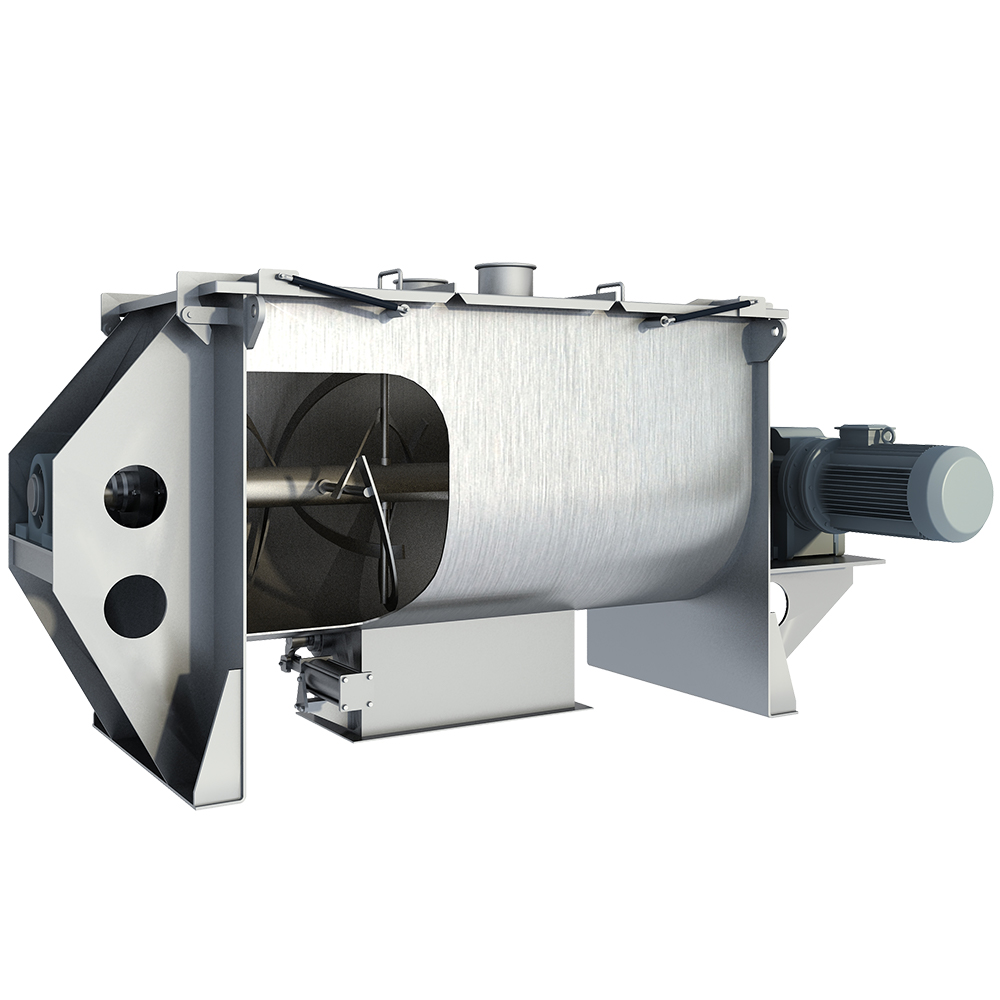
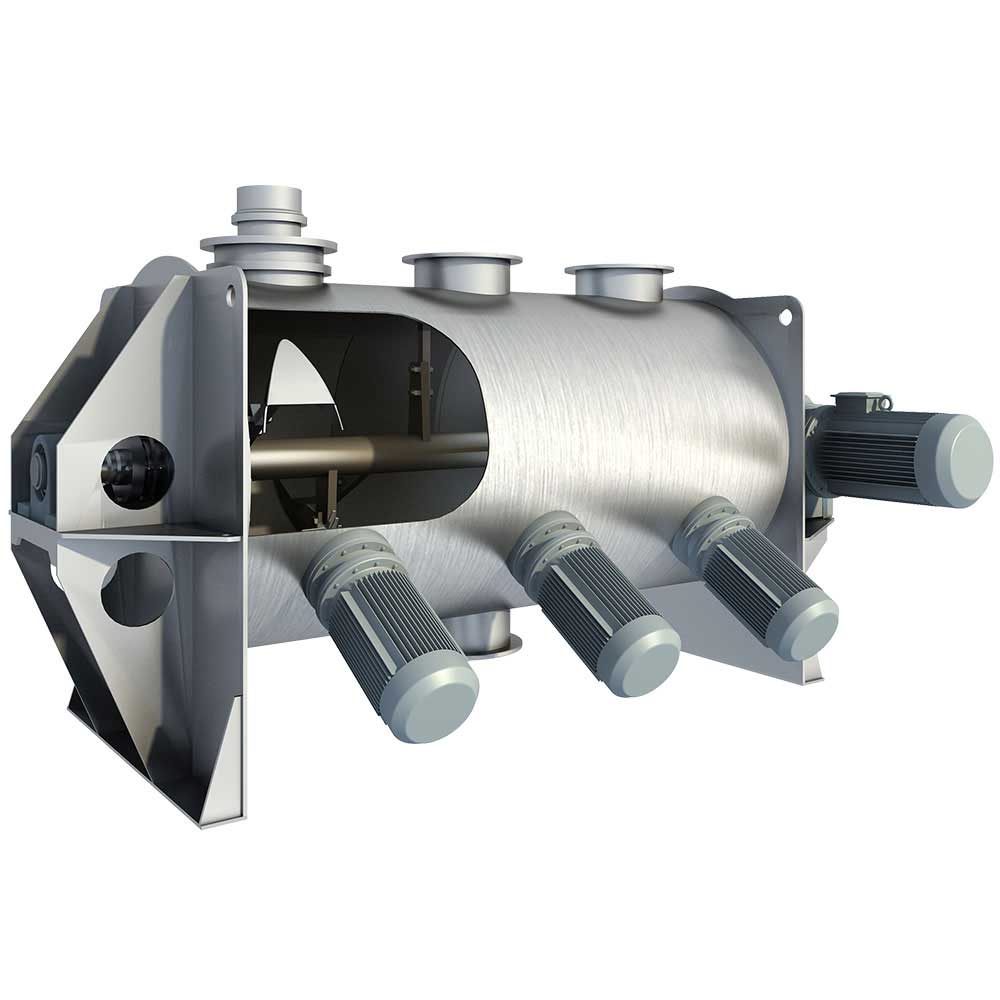
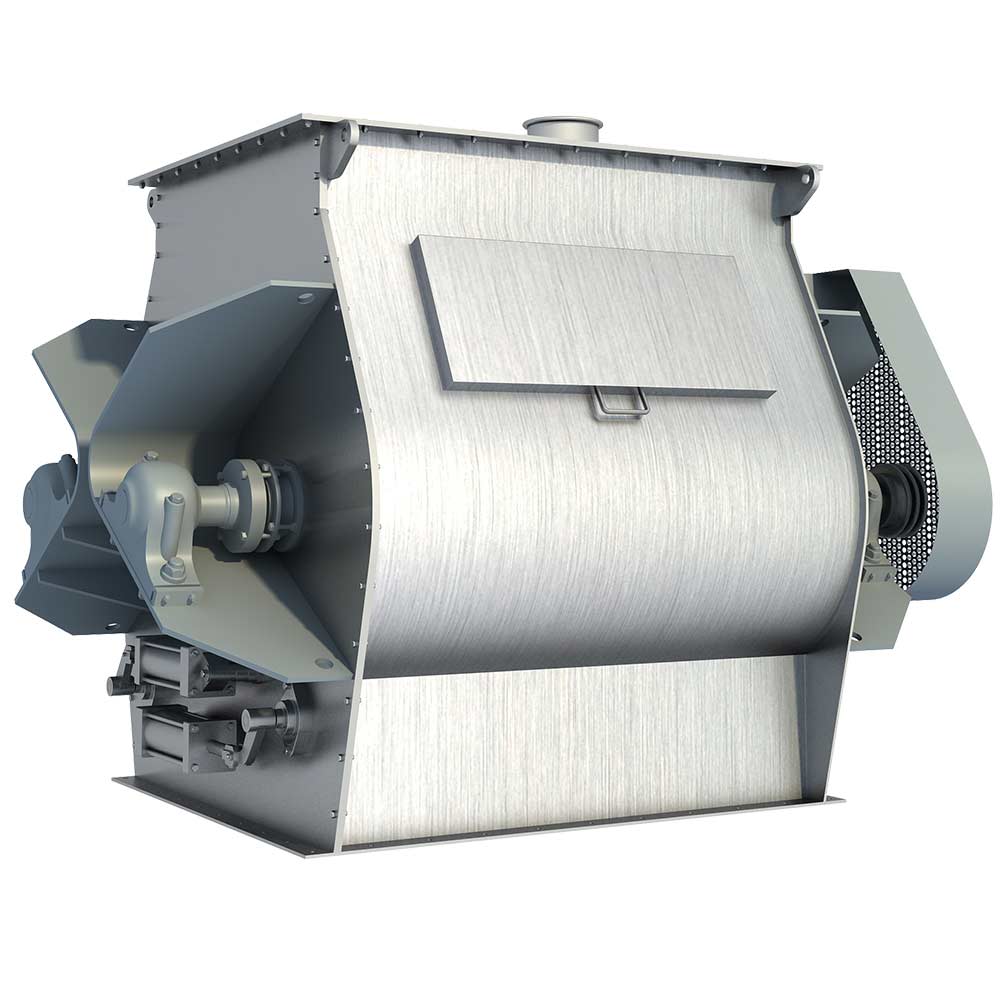
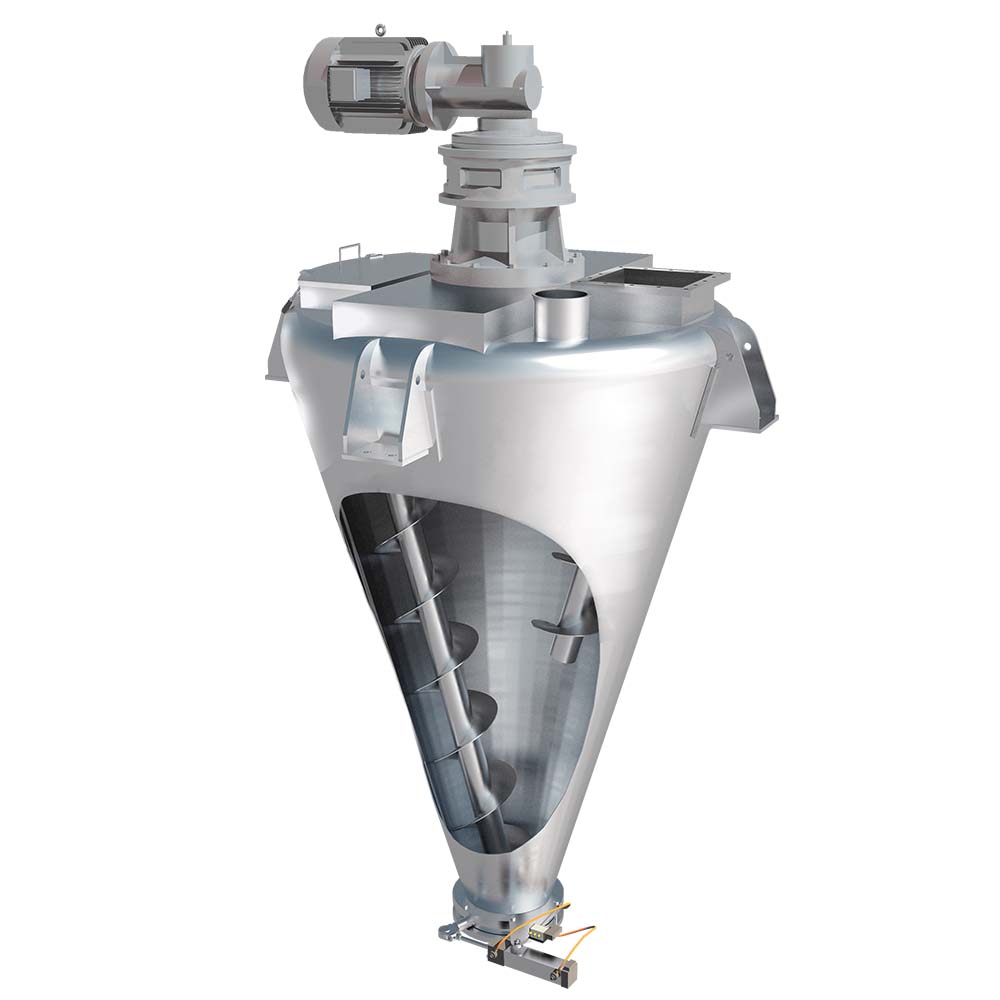
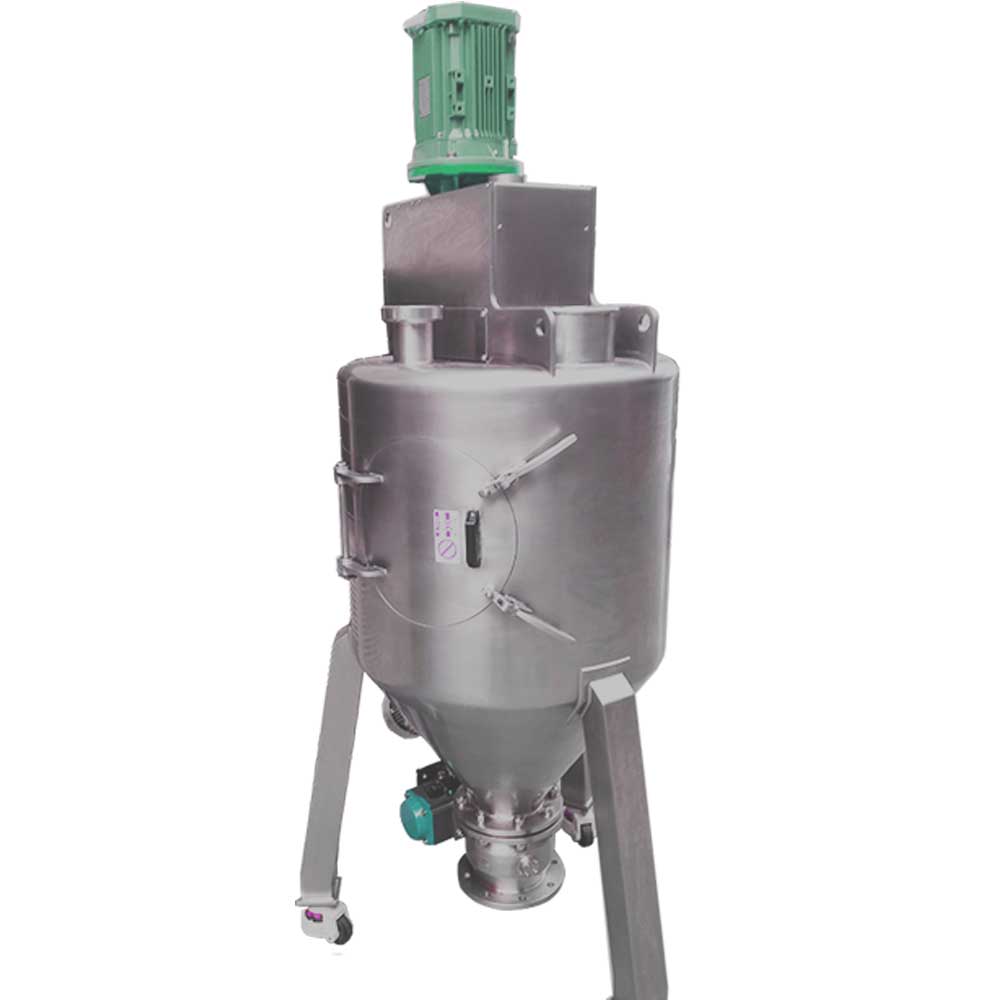
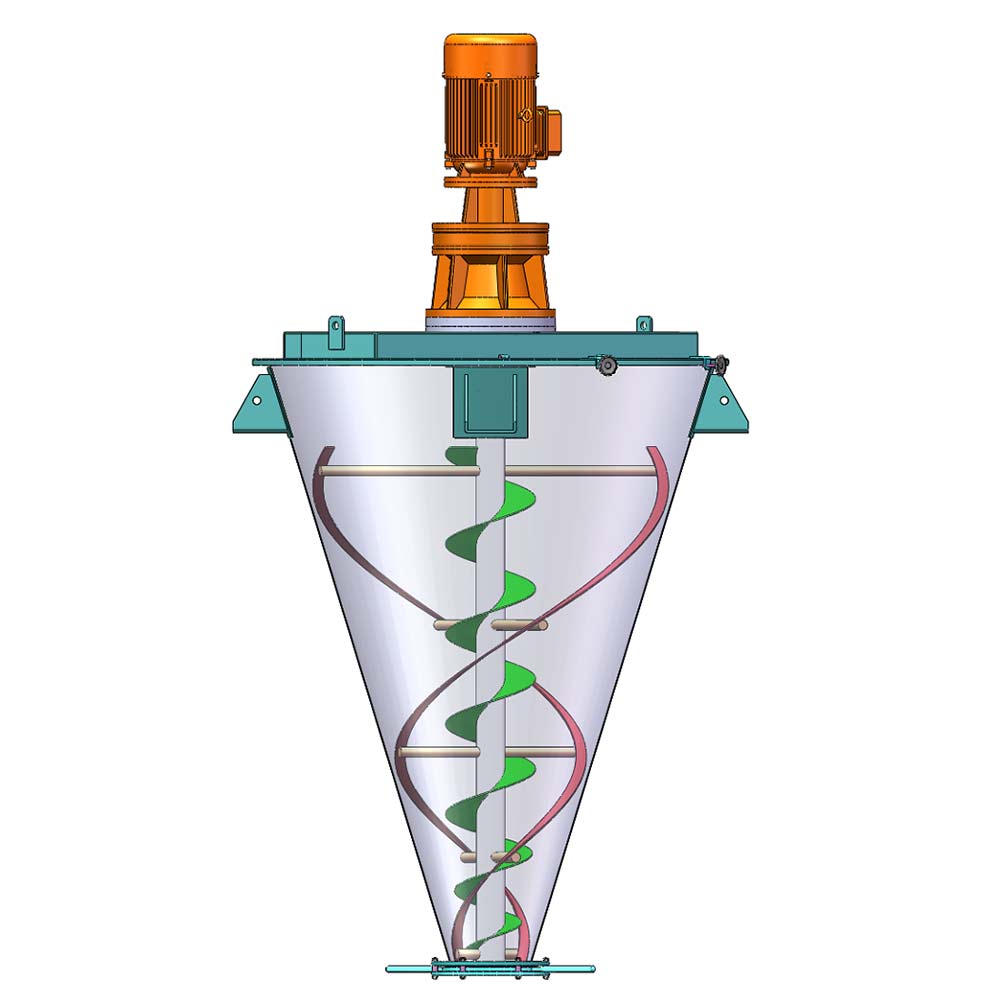
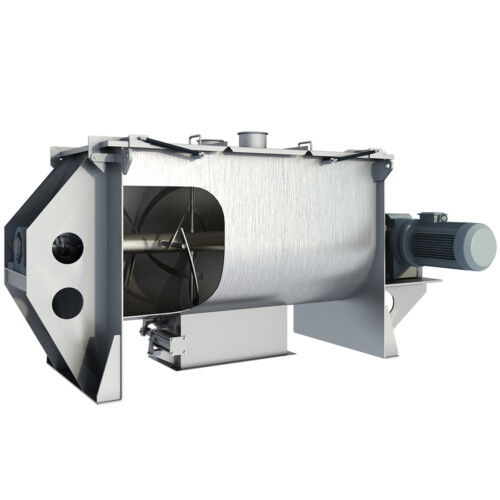
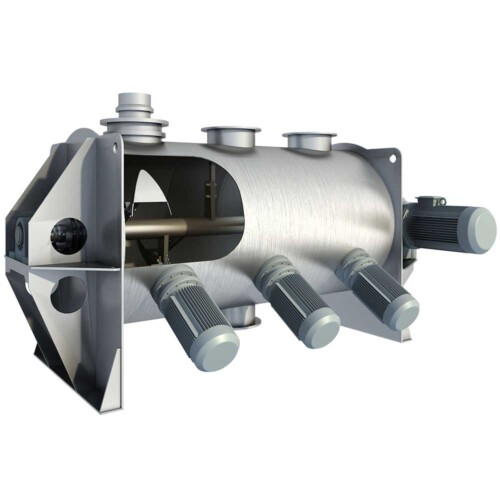
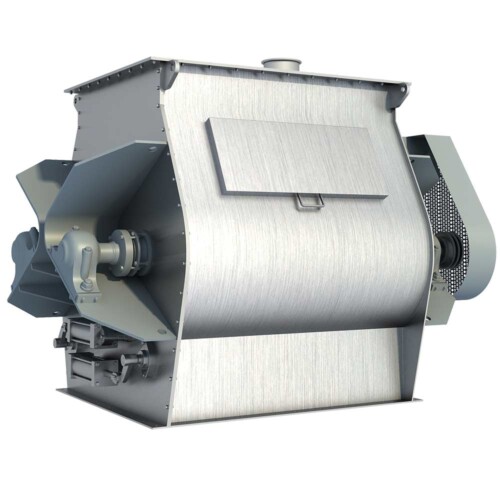
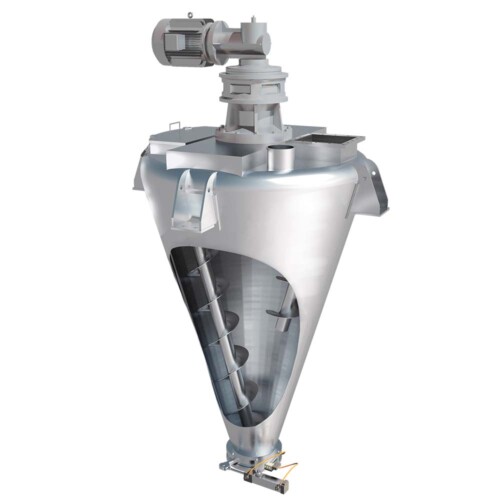
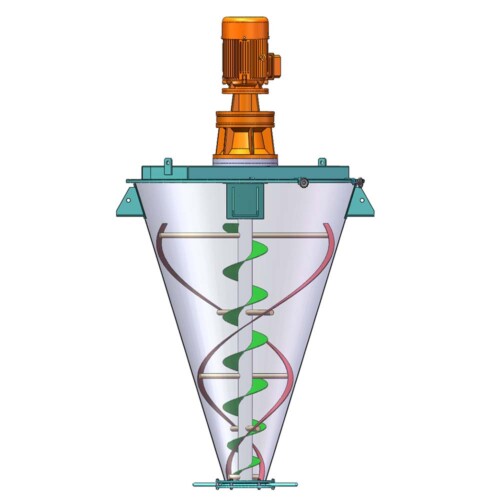
We manufacture specialty mixing equipment for powder & bulk materials. Included are ribbon blender, plough mixer, conical screw mixer, twin shaft paddle mixer, V blender, double cone blender and other auxiliary equipment such as screw conveyor, quantitive auger filler.
We sell across the world, our cusotmers distribute 5 continents.
Share Us With Your Network
Understanding Rotary Mixers: Benefits, Applications, and Types
Introduction
The homogeneous mixing is a very important aspect of the quality of production, efficiency of operation and consistency of products in modern industrial operations. Rotary mixers have proven themselves to be consistent and powerful options to batch mixing with reliable blending and preserving delicate materials.
They have a special design that enables them to deal with a diverse range of materials such as powders, granules, pastes, and slurries. This is because the rotary mixer enables low shear mixing, batch processing and is often used in the food processing, pharmaceutical, chemicals, cosmetics and agriculture sectors.
This paper will look into the working principles, advantages and practical uses of rotary mixers and how they help to improve efficiency in production as well as guarantee high quality products.
What is a Rotary Mixer?
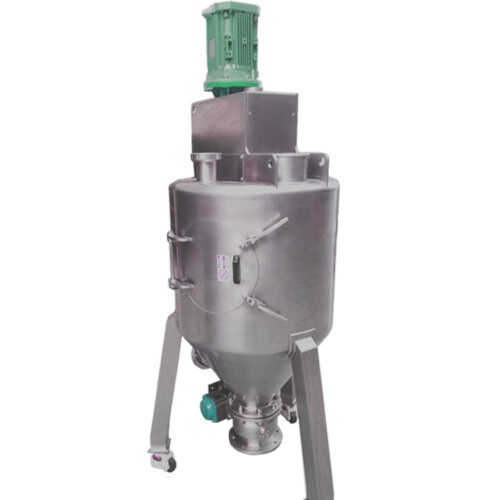
A rotary mixer is a batch mixing machine where the device is rotating in the shape of a cylinder and a shaft passing through the centre of the cylinder with different forms of agitators like ribbon, paddle or screw agitators. These stirrers circulate the contents in three dimensional flow structure, which is mixed thoroughly and evenly.
Space can be optimally used by the rotary movement of the vessel, and the materials can be easily discharged. Moreover, it can accommodate bigger batch sizes due to the design, which is appropriate when large volume production processes are used.
Rotary mixers are especially useful in those processes where it is necessary to maintain the consistency of dry powders, granules and pastes and where mixing delicate substances is also necessary without damaging the integrity of delicate ingredients.
Working Principle
The functionality of a rotary mixer is grounded on the flow of materials aided by the agitators. The material is carried up to the walls as the blades raise materials at the bottom of the vessel and push them upwards. This rising trend is accompanied by a descending flow in the middle because of gravity that provides a continuous flow of materials.
Such a mixing action is dynamic and makes sure that all particles are blended uniformly within a short duration. The mild shear of mixing prevents excessive strain on delicate substances without losing the physical quality of the delicate material and yet experiencing extensive homogeneity.
Benefits of Rotary Mixers
Homogeneity of Superior Mixing
The agitators are designed in a unique way that means that materials are evenly spread across the batch. This homogenization is essential in the processes where consistency is important as in the case of pharmaceutical formulations and foods.
Space-Efficient Design
The mixer has a rotary design that reduces its size hence it can be used anywhere with a limited floor area. This small structure can be easily fitted to the already available production lines.
Gentle Mixing Action
Rotary mixers are also used because the agitators feature low shear during operation thereby rendering them useful in the handling of fine or materials that are sensitive to shear. This mild mixing does not compromise the ingredients, and it is especially critical in the pharmaceutical and food sectors.
Versatility
Rotary mixers have the ability to process a broad variety of materials, such as pastes, slurries, dry powders and granules. They can also blend materials of different particle sizes and densities and hence are a versatile option to be used in a variety of applications.
Conveniency in Cleaning and Maintenance
Rotary mixers are hygienically oriented. They are characterized by clean surfaces and reachable parts that allow cleaning of their surfaces deeply. Clean-In-Place (CIP) systems are also found in many models thus minimizing downtime and ensuring the standard of sanity.
Effective Production and Shortener of Mixing Time
This mixer is designed with rotary flow and efficient agitator design which means that it mixes much faster than the conventional mixers. Reduced mixing cycles will maximize the production process and auger throughput to the final product without affecting its quality.
Energy-Efficient Operation
Rotary mixers are the ones that use less energy compared to the high-shear mixers and produce better outcomes. This energy efficiency is translated to the reduction of operational cost and is a part of sustainable industrial practices.
Users in industries
Food Processing
Rotary mixers are also applied in the food industry to blend flour, spices, baking, protein and other dry ingredients. Their light blending movement makes flavors and textures to be preserved leading to the manufacture of quality products.
Pharmaceuticals
The pharmaceutical producers depend on rotary mixers to combine active pharmaceutical ingredients (APIs) and excipients. These mixers are necessary to obtain a homogenous blend that is necessary in the dosing of tablets, capsules, and other doses.
Chemicals
Rotary mixers are applied to blend powders, granules, and pastes of different qualities by chemical manufacturers. It has been used in pigment preparation, detergent formulations as well as catalyst blending.
Cosmetics
Rotary mixers are used in the production of cosmetics in the blending of powders, creams, and lotions. The fact that they are gently mixed means that delicate cosmetic ingredients are not destroyed thereby producing quality cosmetic products.
Agriculture
Rotary mixers are used in the agricultural industry where they are used to blend animal feed, pesticides and fertilizers. Homogeneous mixing would mean that nutrients and active ingredients are spread evenly, which is critical to proper implementation and operation.
Rotary Mixers at Vortex mixing technology
Vortex Mixing Technology has a variety of rotary mixers that are different in terms of application to the requirements of the industry. The primary types include:
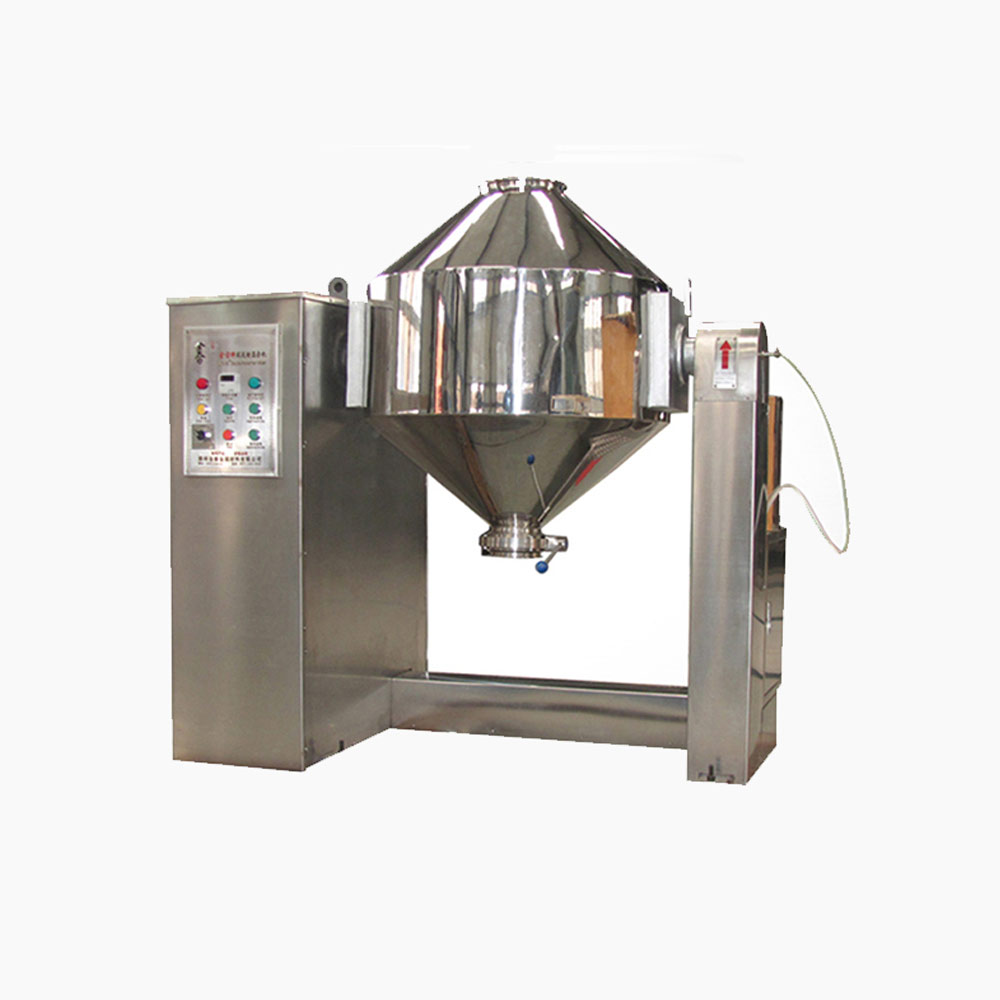
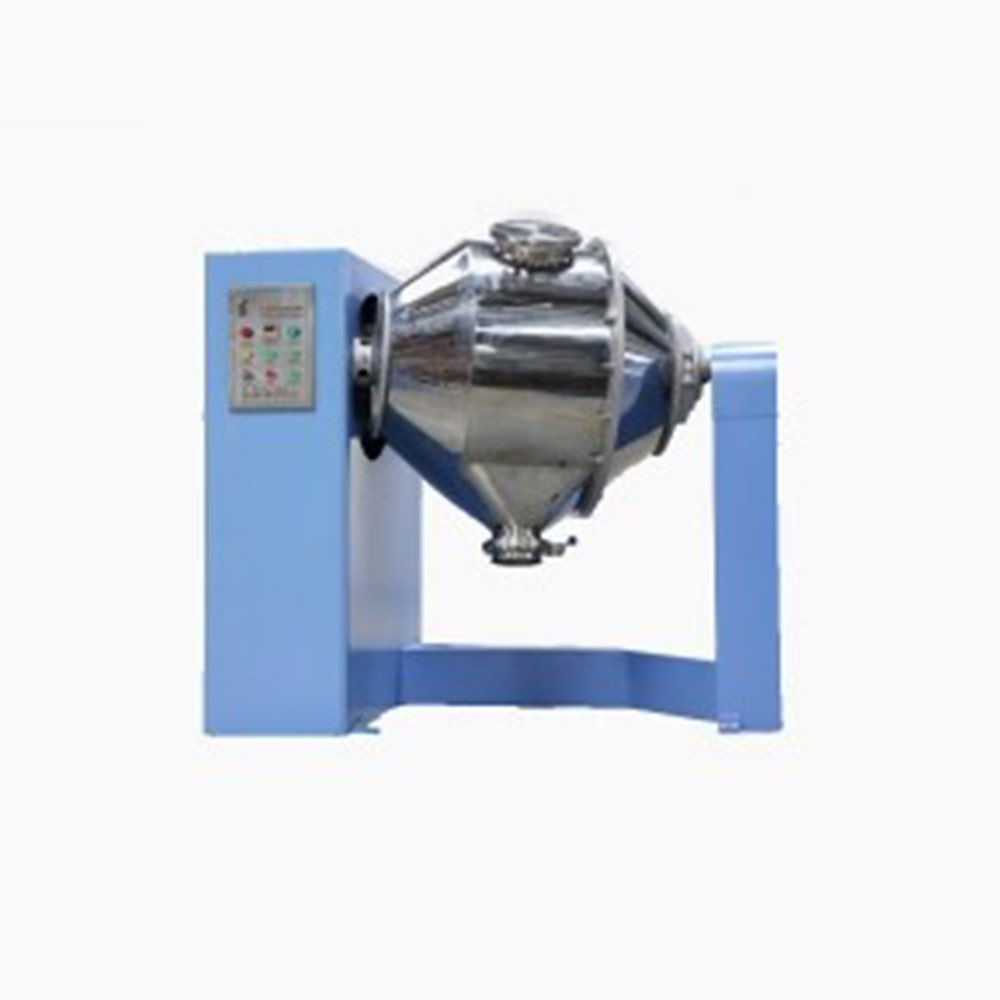
Double Cone Blender
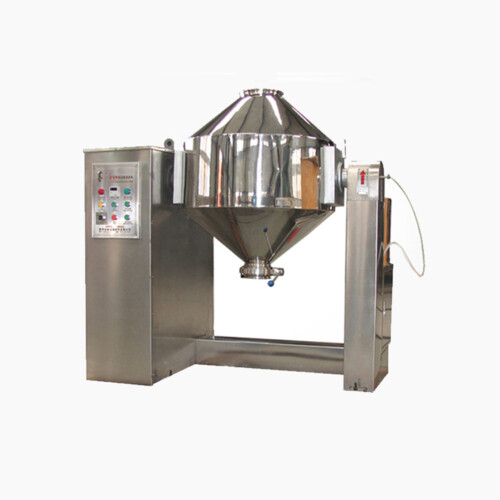
The double cone blender also has two areas that are conical with one apex part and the other part joined creating a rotating vessel that enables easy mixing. This is a good design that is used in mixing dry powders and granules without segregation.
Double Movement Mixer
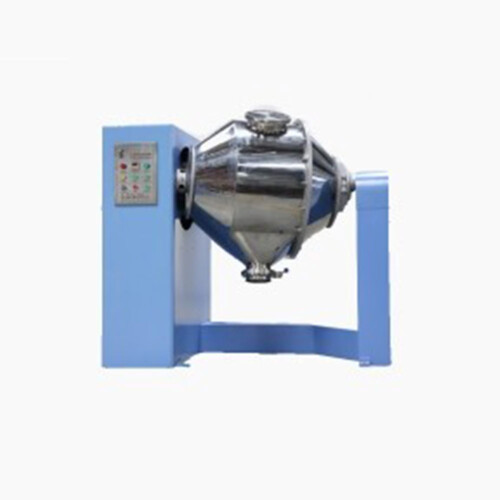
The mixer is a double movement mixer, rotary and tilting motions are combined to obtain total mixing. This is an all purpose mixer that can be used on materials with different flow properties and it is widely applied in pharmaceutical and chemical sectors.
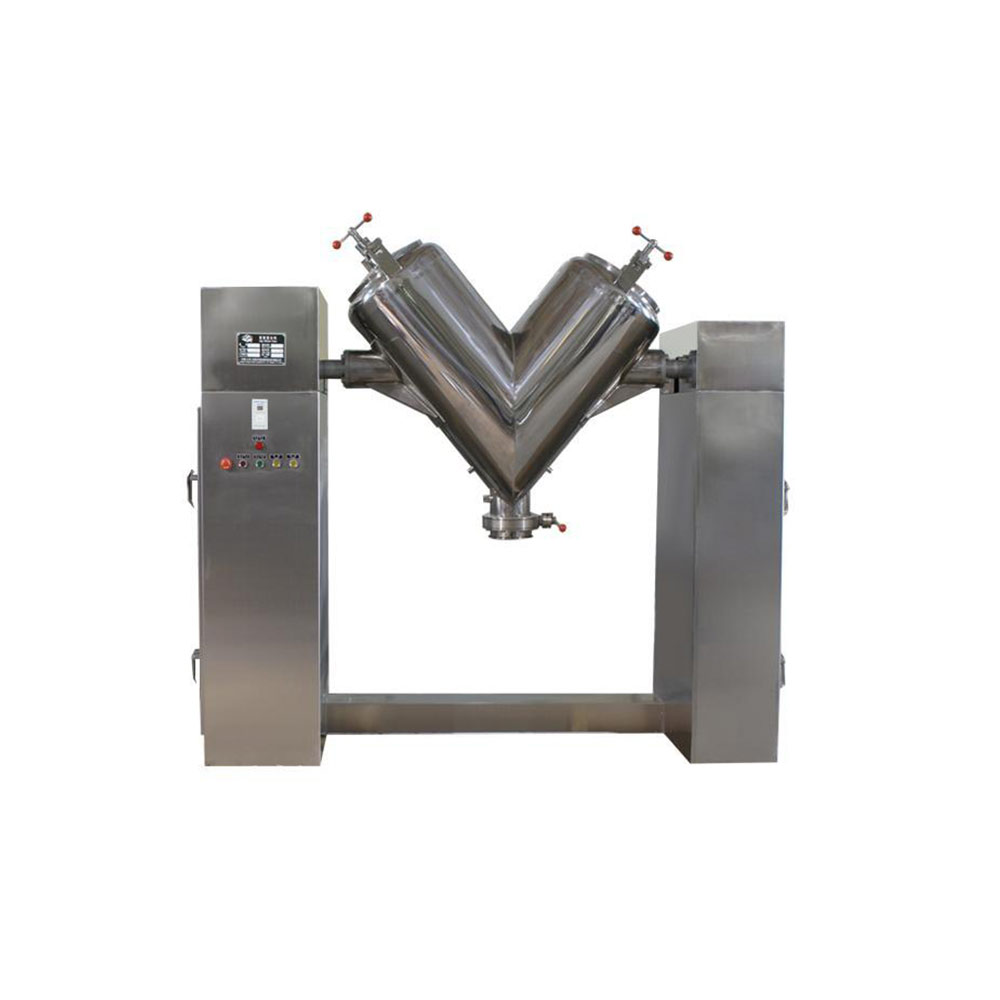
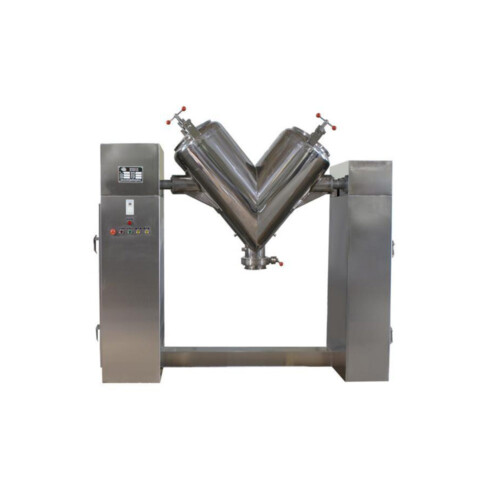
V Type Blender
V type blender is made of two cylindrical parts connected at an angle of forming a V shape. This type of design provides easy mixing and blending of dry powders and granules so that there is uniformity in the distribution of components.
All these mixers have their own benefits that are specific to the requirements of the mixer. The process of their selection depends on the following factors: the material properties, the required time to mix, and the production capacity.
Factors to be considered before selecting a rotary mixer
In choosing a rotary mixer, the following factors should be taken into consideration:
Material Characteristics: Evaluate the characteristics of the materials to be put mixed such as the particle size, the bulk density and the moisture content of the materials.
Batch Capacity: Use the batch capacity to determine the batch capacity that the mixer should have to allow production of what is required.
The homogeneous mixing is a very important aspect of the quality of production, efficiency of operation and consistency of products in modern industrial operations. Rotary mixers have proven themselves to be consistent and powerful options to batch mixing with reliable blending and preserving delicate materials.
They have a special design that enables them to deal with a diverse range of materials such as powders, granules, pastes, and slurries. This is because the rotary mixer enables low shear mixing, batch processing and is often used in the food processing, pharmaceutical, chemicals, cosmetics and agriculture sectors.
This paper will look into the working principles, advantages and practical uses of rotary mixers and how they help to improve efficiency in production as well as guarantee high quality products.
Conclusion
Rotary mixers are efficiency mixers with versatility and gentle mixing characteristics; hence, it is inestimable in numerous industrial applications. They can deal with a large variety of materials and blend uniformly to guarantee a great quality of products and operational effectiveness.
When businesses know their advantages and uses, they will be able to use rotary mixers to make their production processes more advanced and satisfy the needs of their industries.
Ask An Expert