Ask An Expert
Frequently Asked Questions
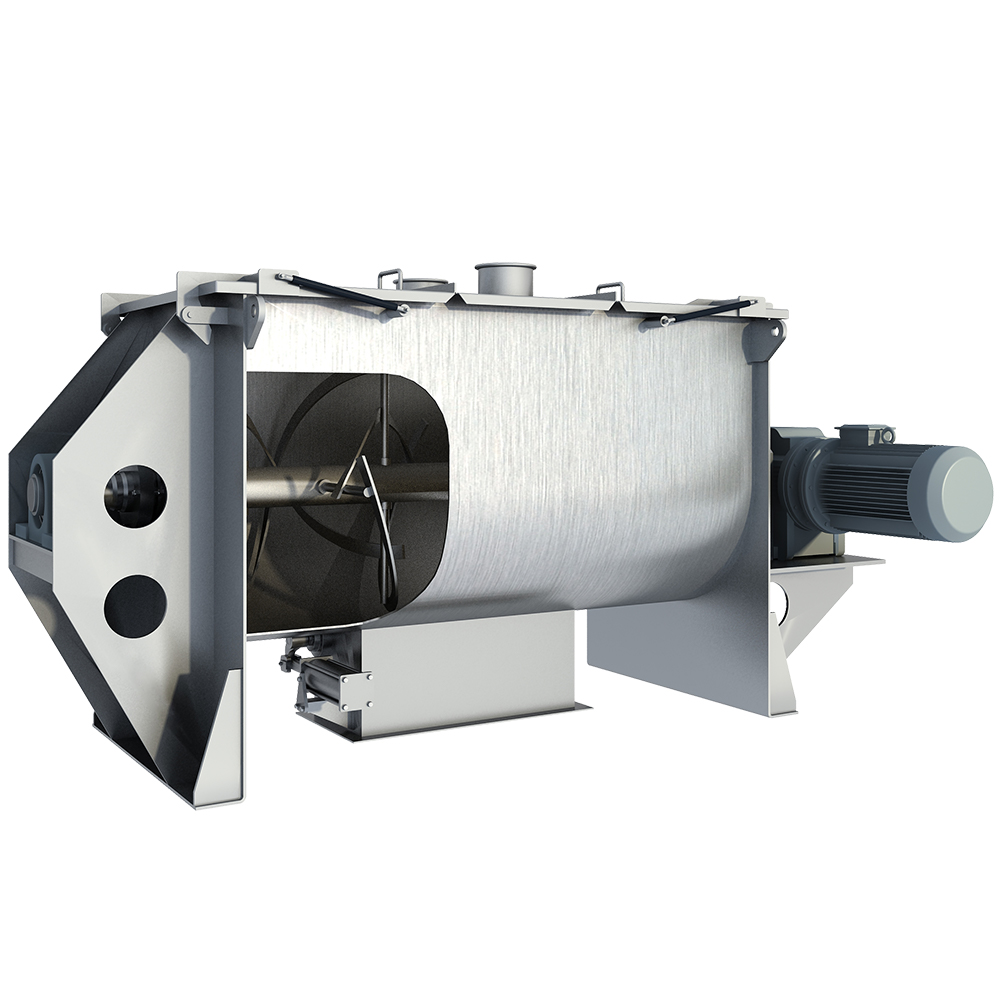
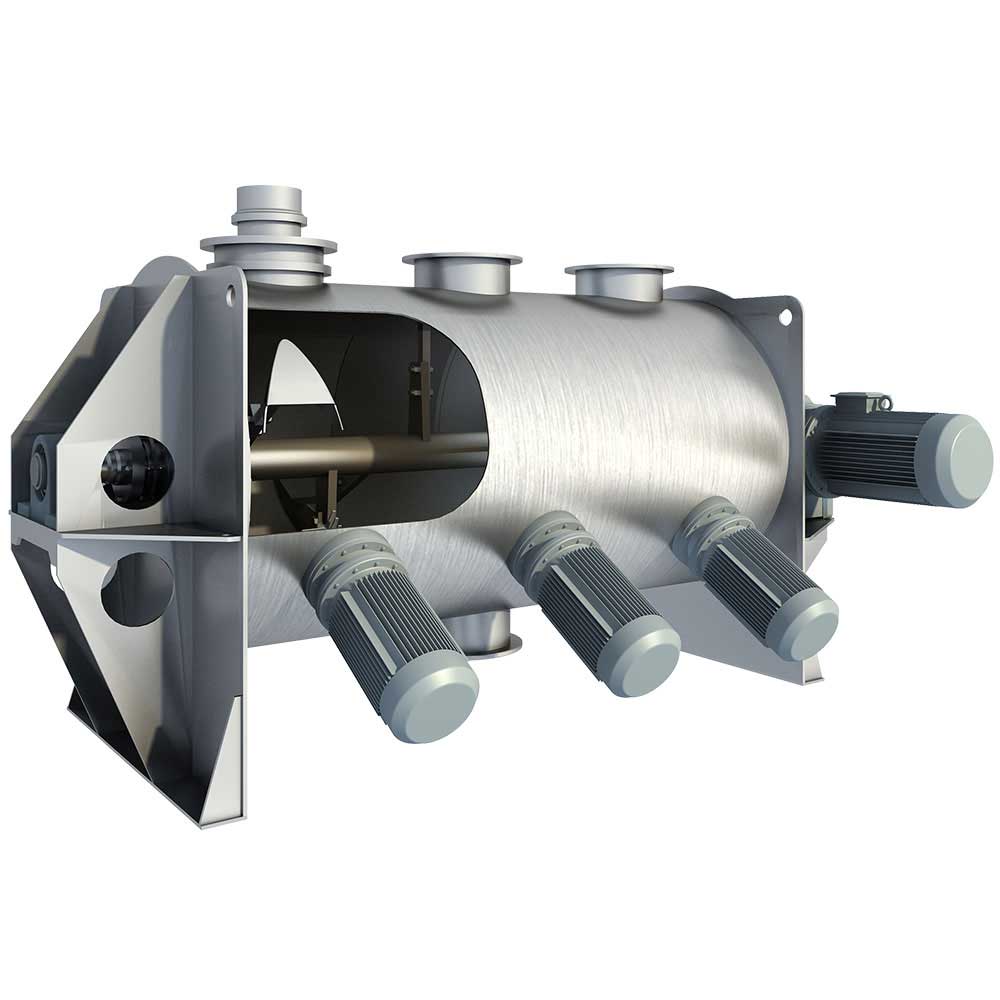
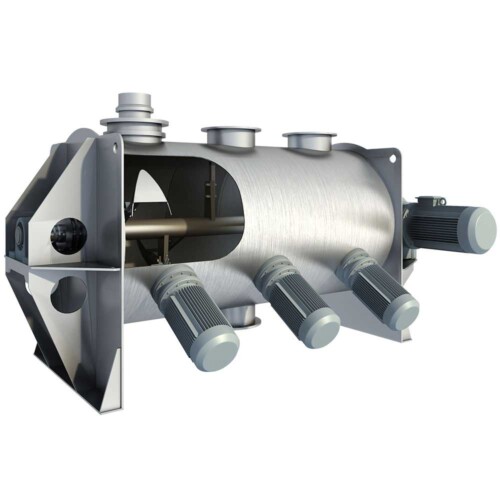
A Ploughshare Mixer is often suitable for materials that tend to agglomerate.
Its plough-shaped mixing tools generate intensive circulation of the material, while optional high-speed choppers can break up lumps and agglomerates during mixing.
The final selection should be based on the material characteristics and process requirements.
Vortex mixers are designed for a wide variety of powders, granules, and powder-liquid mixtures.
Typical applications include chemical powders, food ingredients, pharmaceutical powders, animal feed, dry mortar, ceramics, battery materials, fertilizers, pesticides, minerals, refractory materials, and other bulk solids. The actual mixer configuration should be selected according to the physical and chemical properties of the material.
Vortex manufacture a wide range of industrial powder and bulk solids mixing equipment, including:
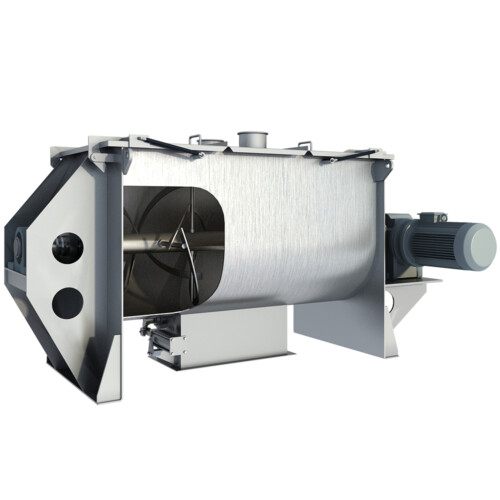
- Horizontal Ribbon Mixers
- Ploughshare Mixers
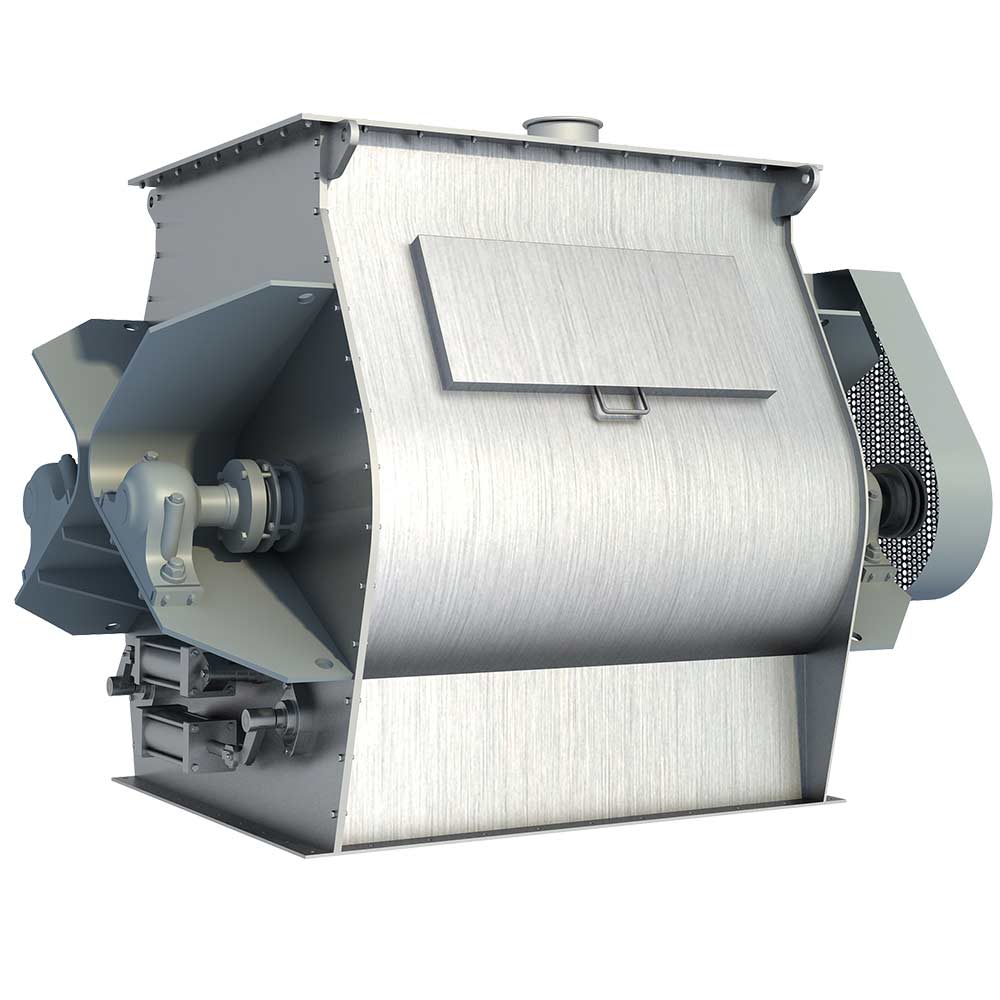
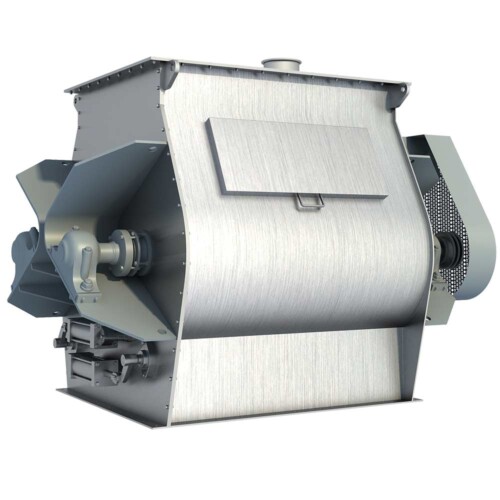
- Double Shaft Paddle Mixers (Paddle Mixers / “No-Gravity” Mixers)
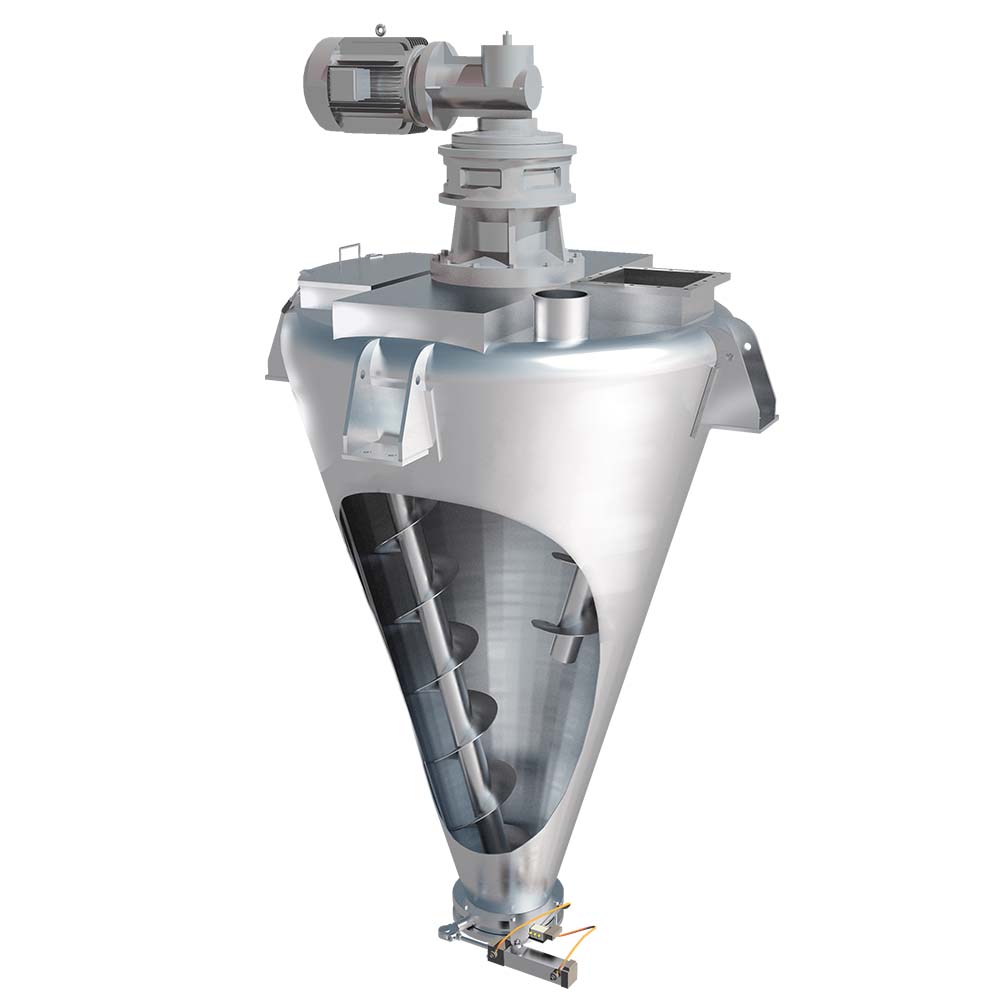
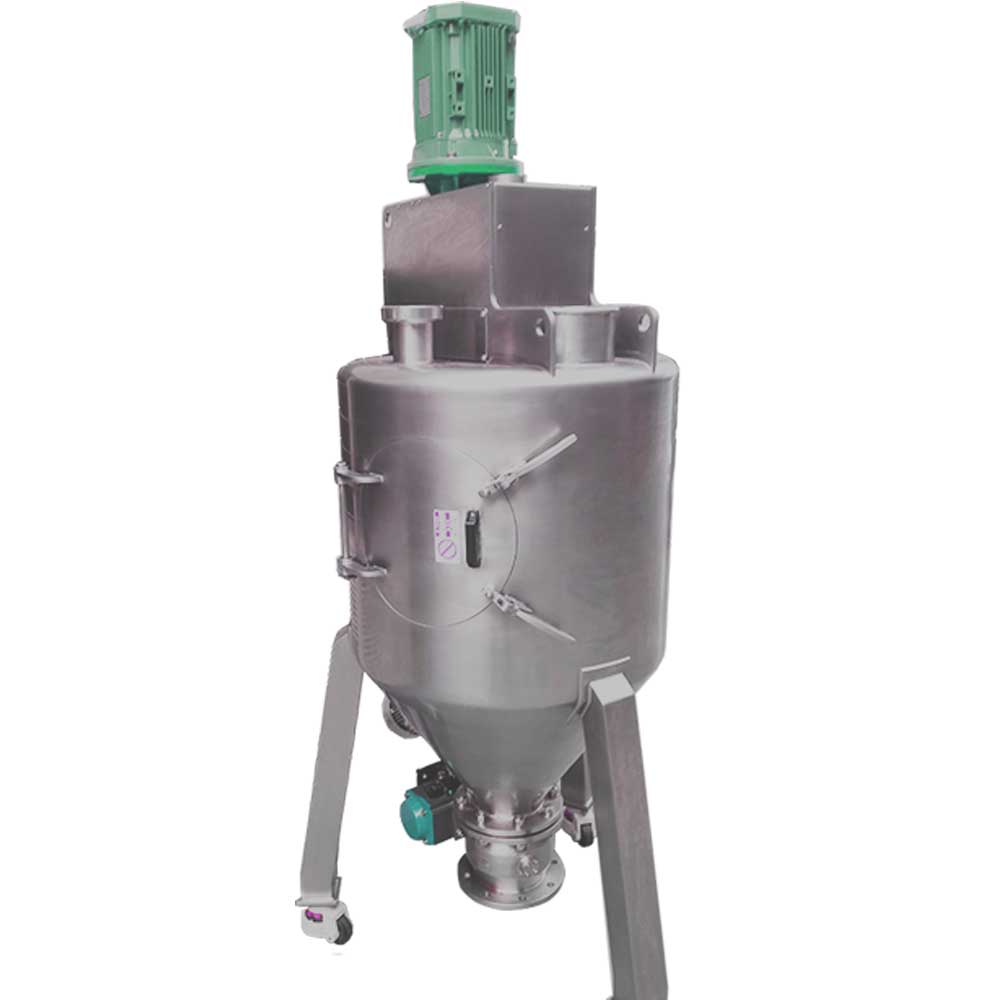
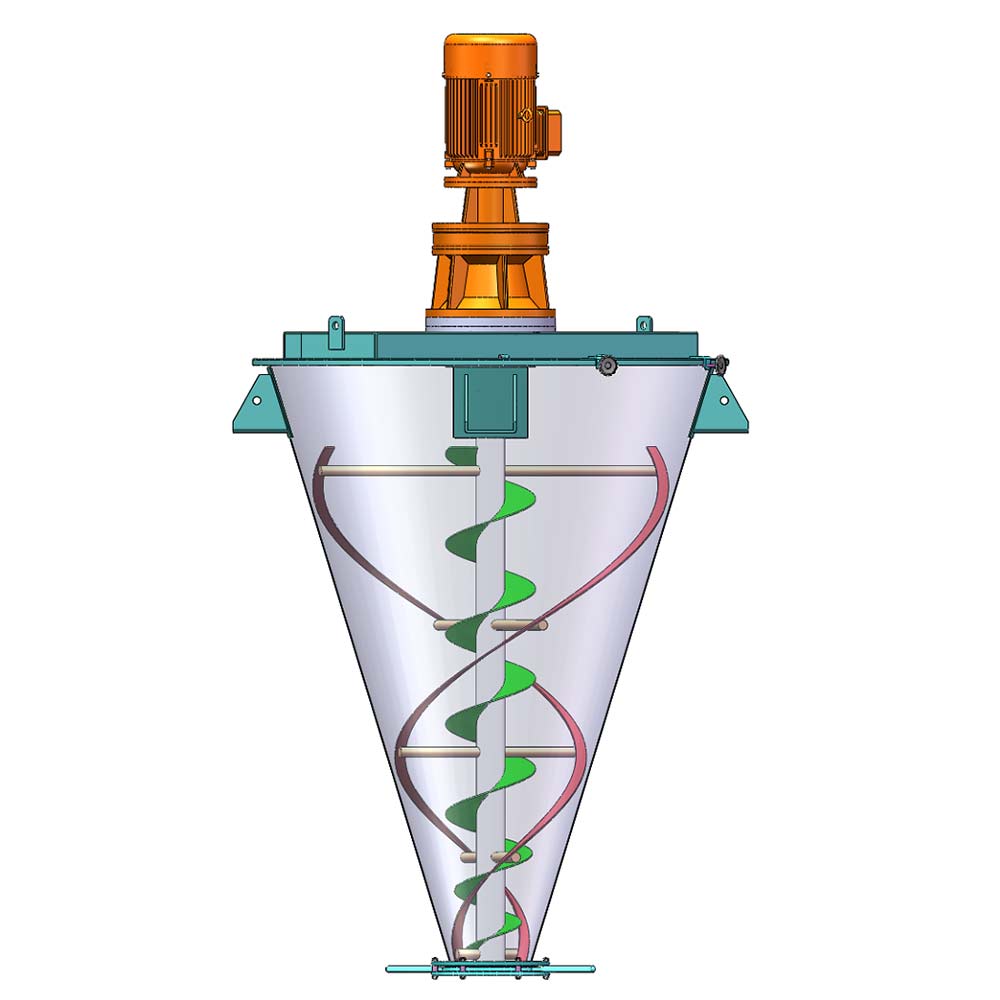
- Conical Twin-Screw Mixers
- Vertical Screw Ribbon Mixers
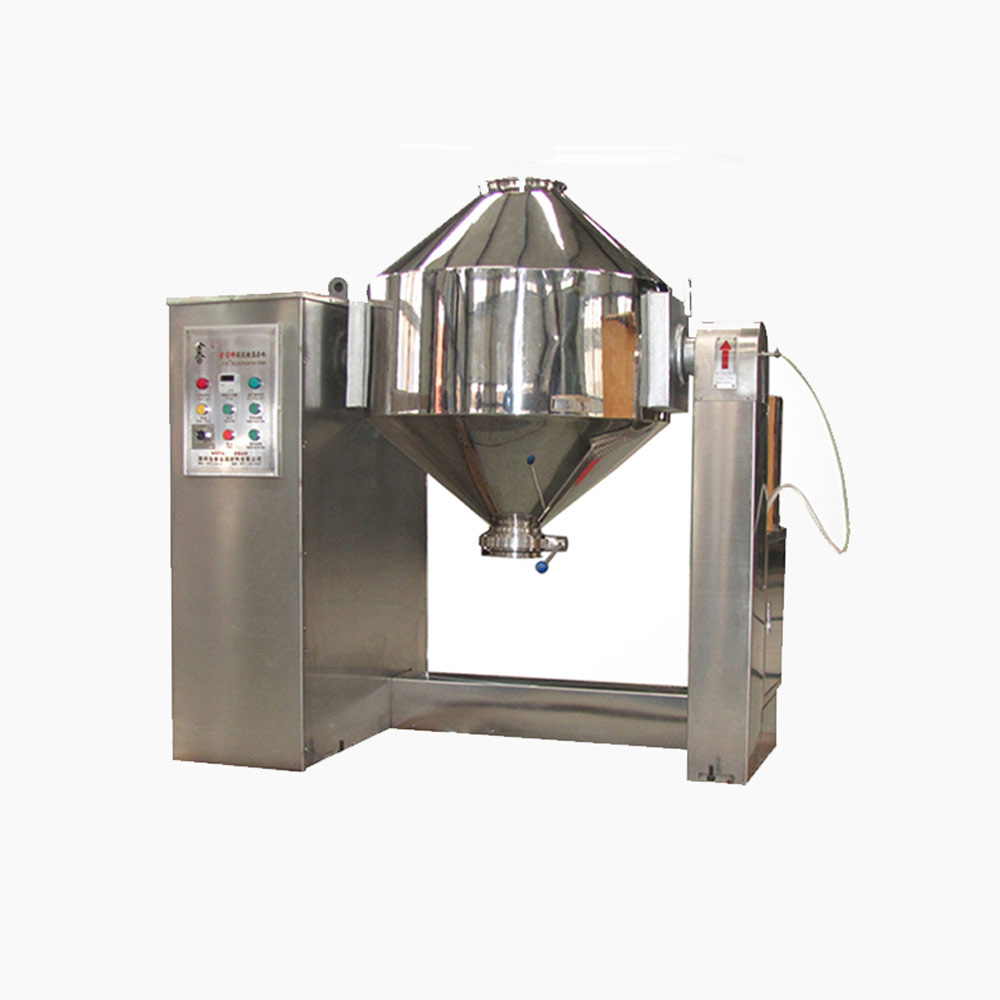
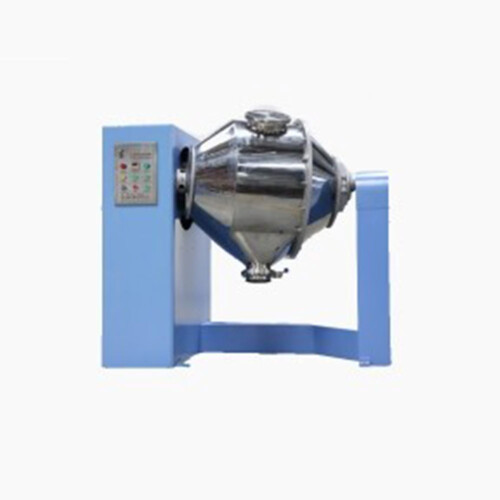
- Double Cone Mixers
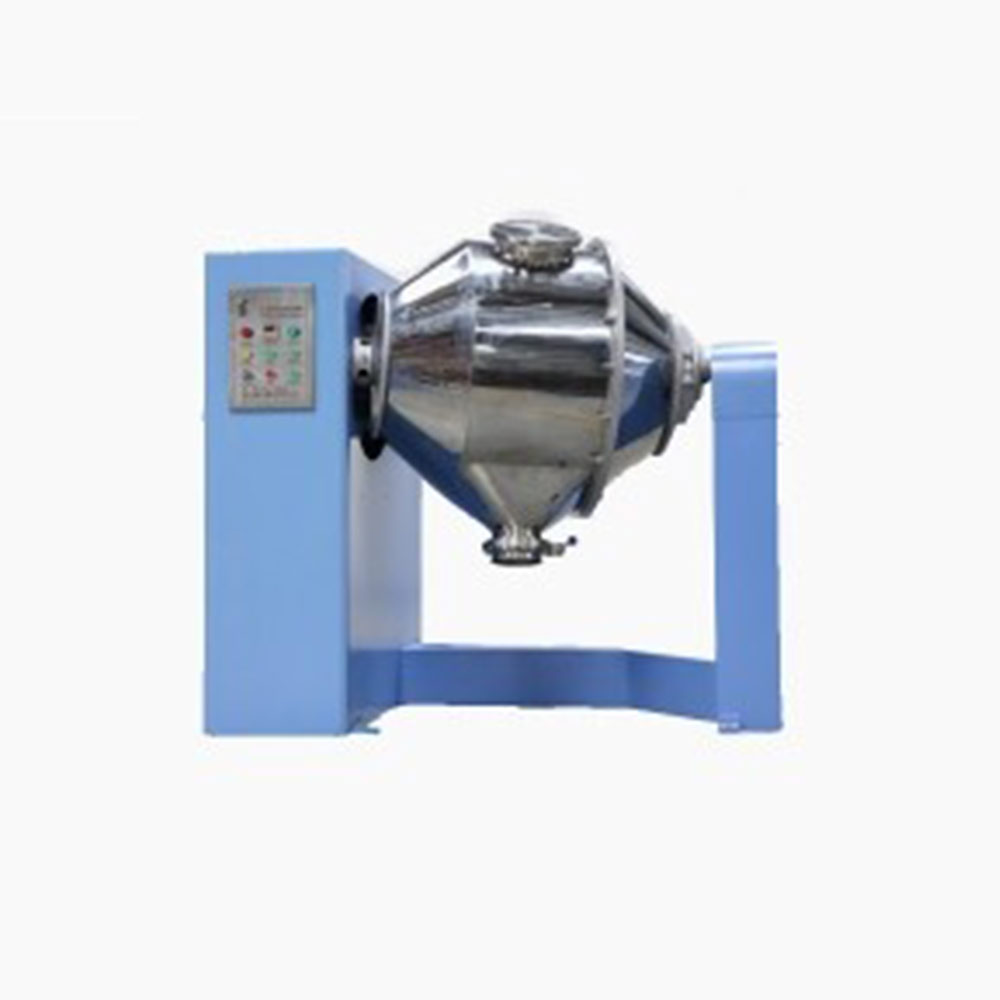
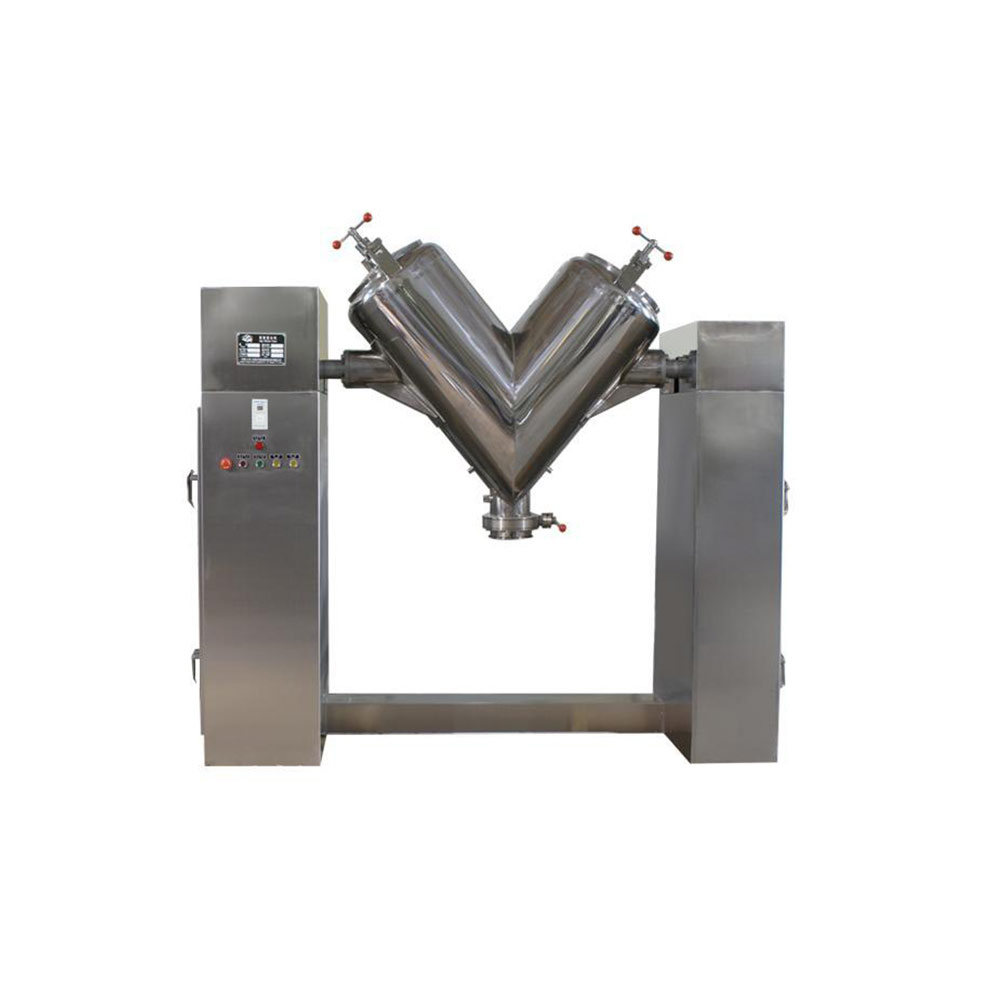
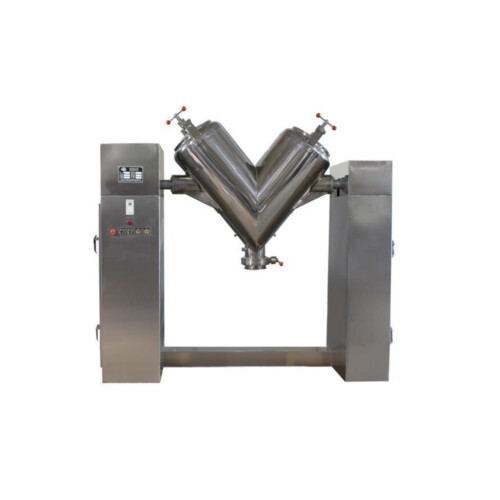
- V-Type Mixers
- 3D Motion Mixers
- Customized mixing systems and complete mixing lines
The most suitable mixer depends on your materials, production capacity, mixing ratio, required mixing time, and process conditions.
Mixer capacity should be evaluated using both the total vessel volume and the effective working volume. The required volume depends on material bulk density, batch weight, filling ratio and the mixing principle of the selected machine. A mixer should not normally be filled to its total geometric volume because sufficient space is required for material movement and effective mixing. For this reason, selecting a mixer based only on vessel volume can result in an unsuitable configuration.
The appropriate industrial powder mixer depends on several factors, including:
- Material characteristics
- Bulk density
- Particle size
- Required mixing uniformity
- Batch size or production capacity
- Moisture content
- Whether heating or drying is required
- Whether liquid addition is required
- Required discharge configuration
- Production and automation requirements
Vortex provides different powder mixer designs so that equipment can be selected according to the specific process requirements.
Vortex powder mixer selection depends on several factors, including:
- Material type and characteristics
- Bulk density and particle size
- Material flowability
- Moisture content
- Viscosity
- Mixing ratio
- Batch size or required production capacity
- Whether liquid addition is required
- Required mixing uniformity
- Temperature, pressure, vacuum, or other process requirements
Vortex engineers can recommend a suitable powder mixer based on your material and process requirements.
Yes, We can supply simple stand alone panels or automated PLC controlled systems. We normally install and test all controls on our mixers before they are shipped.
Yes, we normally test the mixers before they are shipped and mark out the wire need to connect on the control box.
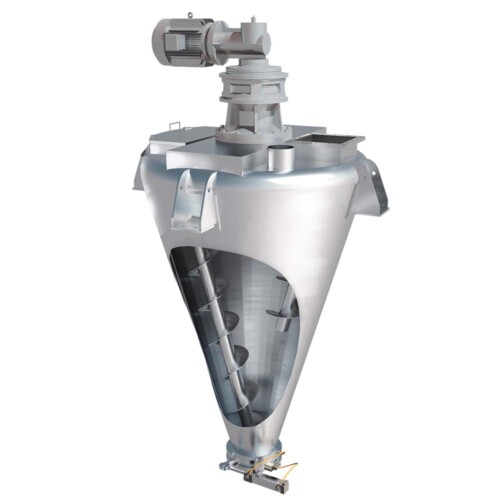
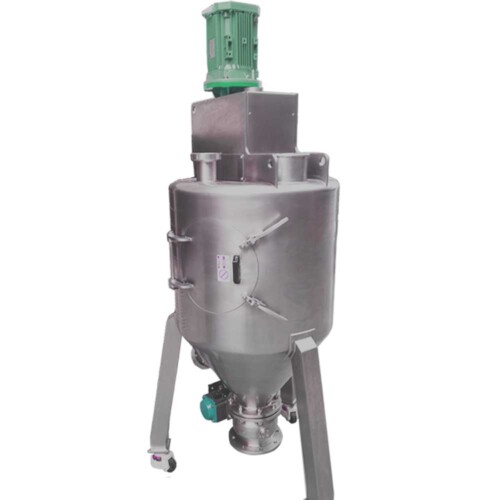
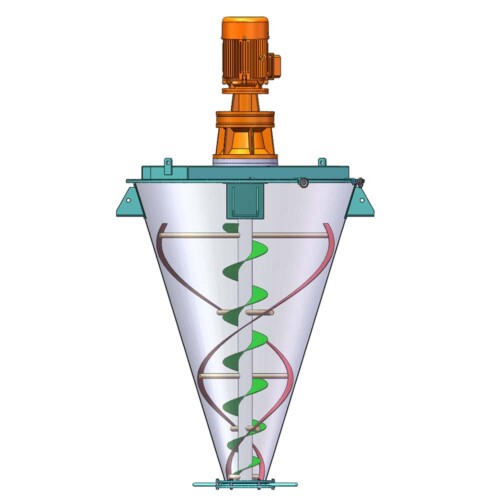
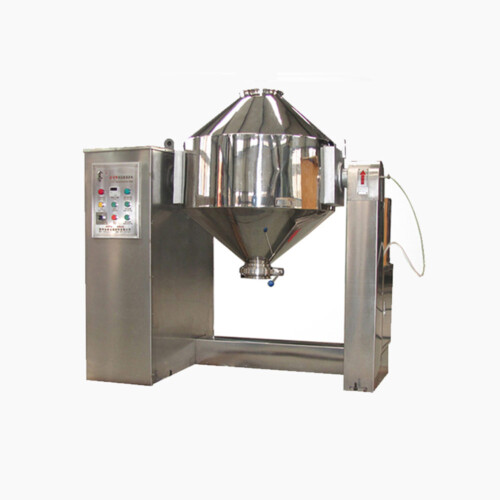
We manufacture specialty mixing equipment for powder & bulk materials. Included are ribbon blender, plough mixer, conical screw mixer, twin shaft paddle mixer, V blender, double cone blender and other auxiliary equipment such as screw conveyor, quantitive auger filler.
We sell across the world, our cusotmers distribute 5 continents.
Share Us With Your Network
Paint & Dyestuff Mixing Machine
Inks, Paints & Coatings – for different substrates including paper, glass, textile, plastic, rubber, metals, etc.
• Artist Colors – high solids pigment oil-based paints.
• Electronic Coatings – Electronic circuitry and devices require protective materials to shield it from the elements. Whether of low or high viscosity, an intermediate or the final coating, there is a Mixer suitable for this application.
• Fumed Silica Dispersions – Manufacturers of paints and coatings benefit from purchasing fumed silica in powder form and preparing the dispersions themselves than ordering silica dispersions for which they absorb higher shipping costs. Depending on the maximum viscosity and final grind, various Mixing Equipment allow manufactures to create these dispersions in-house.
• Inkjets – in the inkjet industry, the move away from dye-based inks towards pigments-based inks to deliver products of greater resistance to weathering and exposure to moisture, have also demanded mixing equipment that efficiently grinds pigments with reduced or no downstream milling necessary. Various high shear mixing devices, including the PreMax, have dramatically improved the production of inks for inkjet printers.
• Lithographic Pastes – high-viscosity pastes composed of oleoresin varnish filled with carbon black are prepared on Double Planetary Mixer and a Discharge System, economical alternative equipment to sigma blade mixers. Recent developments in mixing equipment and coatings formulations have shown that an investment in high viscosity vacuum premixing can return a larger dividend in productivity than a comparative investment in downstream milling.
• Paints – Various Mixers are used to disperse pigments and extenders used in paint including Titanium Dioxide (TiO2), Calcium Carbonate (CaCO3), Clay, Talc, Silica, Mica, and other coloring or plastic pigments into either water, oil or solvent, along with modifiers and additives.
• Silicone Coatings – silicon-based substances are used to create coatings and encapsulants for electronics, automobiles, aerospace, medical devices, etc.
• Specialty Inks – metallic/conductive, fluorescent, security, phosphorescent, and others.
• Standard Printing Inks – web offset ink, sheet-fed ink, soybean-based ink, rubber-based ink, water-based ink, UV ink, laser ink, process ink for color printing, and others.
• Steel Activators – coatings applied to steel prior to plating.
Ask An Expert