Ask An Expert
Frequently Asked Questions
Vortex mixers are designed for a wide variety of powders, granules, and powder-liquid mixtures.
Typical applications include chemical powders, food ingredients, pharmaceutical powders, animal feed, dry mortar, ceramics, battery materials, fertilizers, pesticides, minerals, refractory materials, and other bulk solids. The actual mixer configuration should be selected according to the physical and chemical properties of the material.
Vortex manufacture a wide range of industrial powder and bulk solids mixing equipment, including:
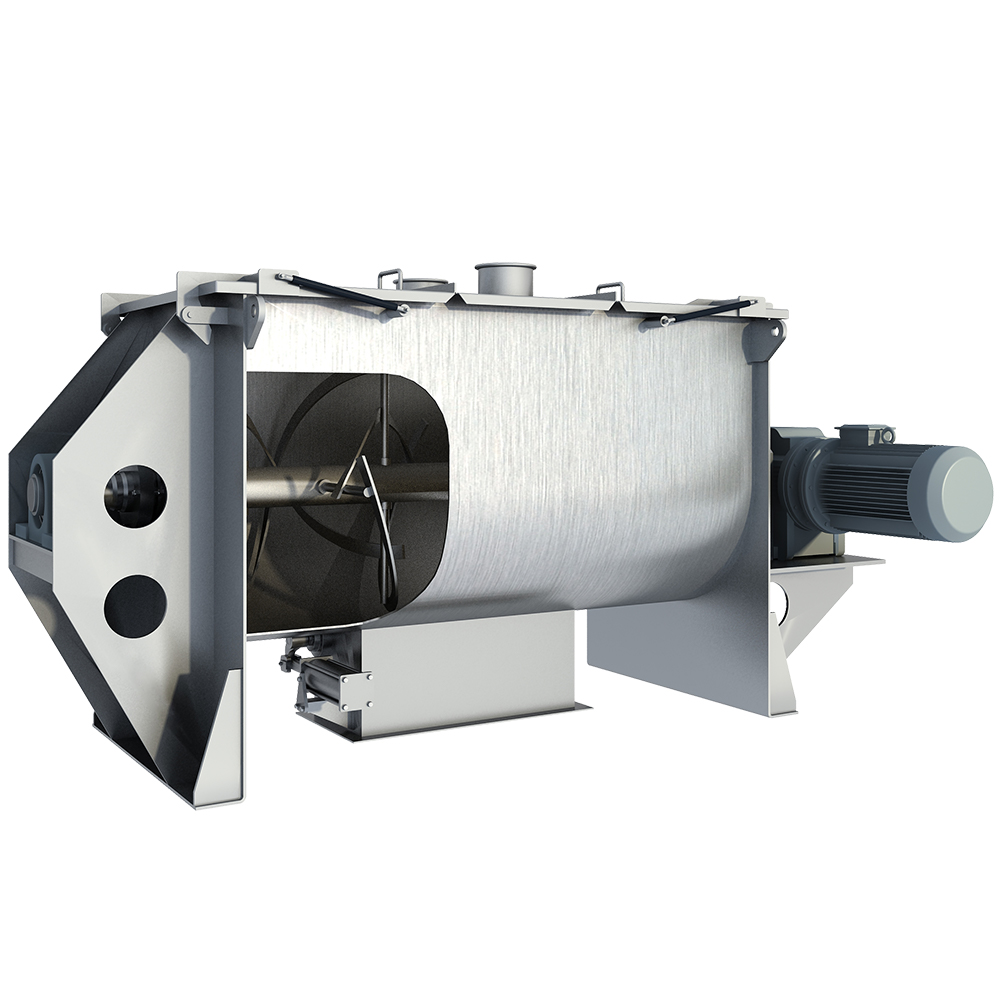
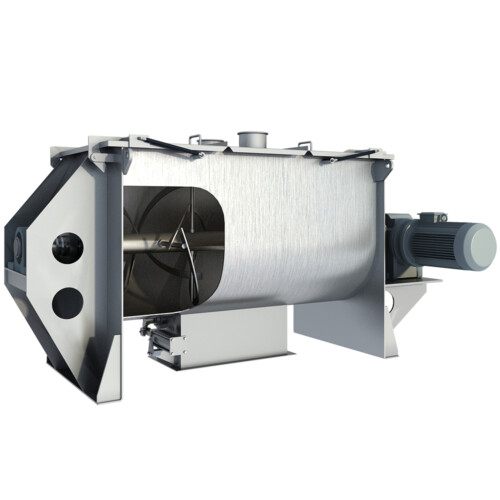
- Horizontal Ribbon Mixers
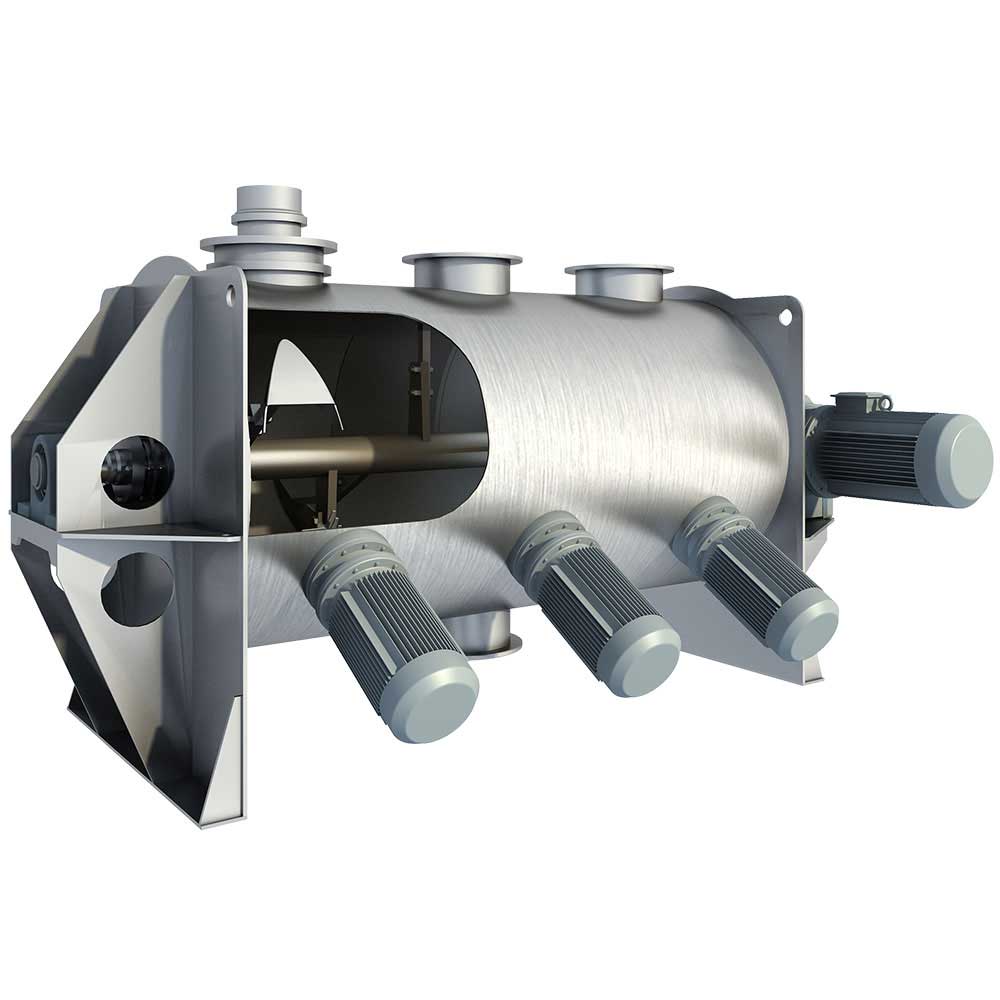
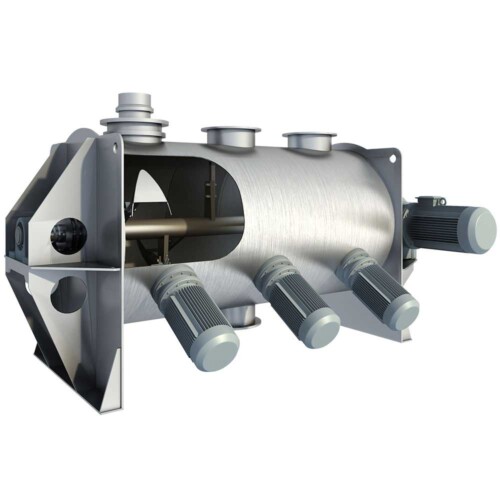
- Ploughshare Mixers
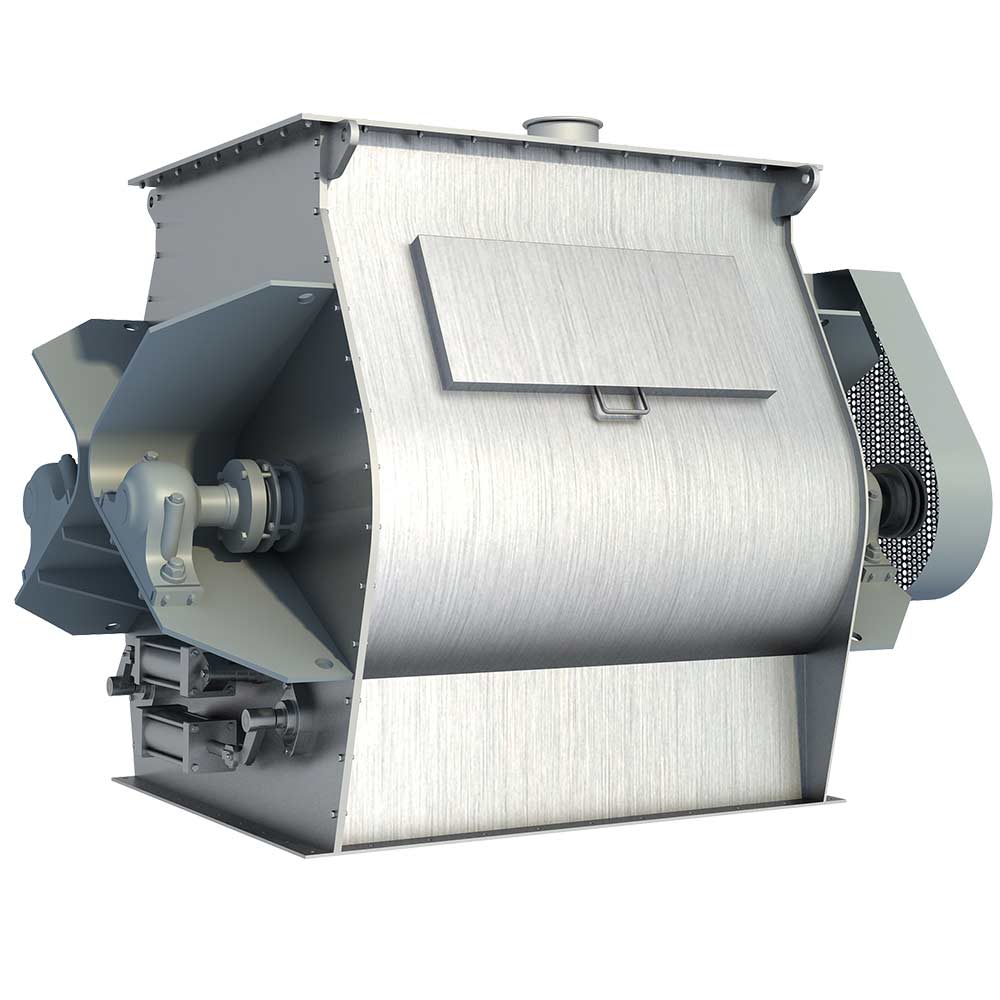
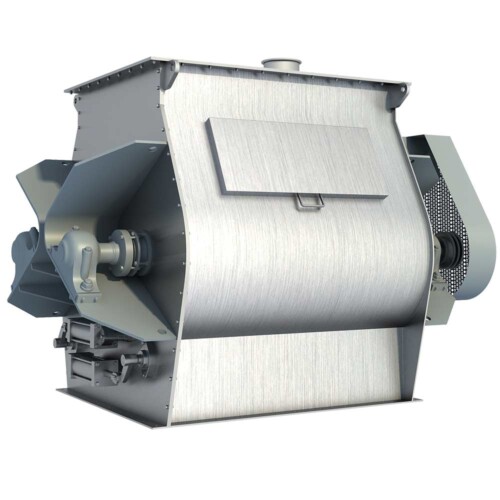
- Double Shaft Paddle Mixers (Paddle Mixers / “No-Gravity” Mixers)
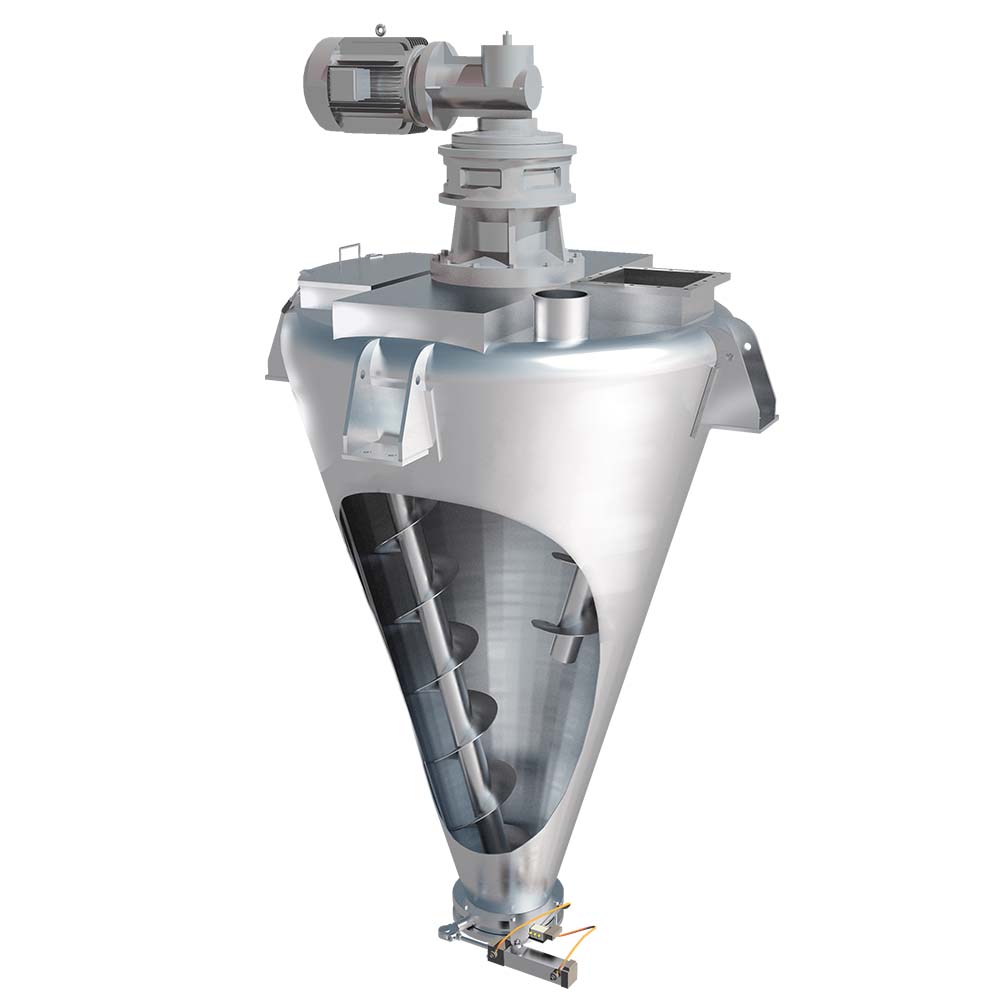
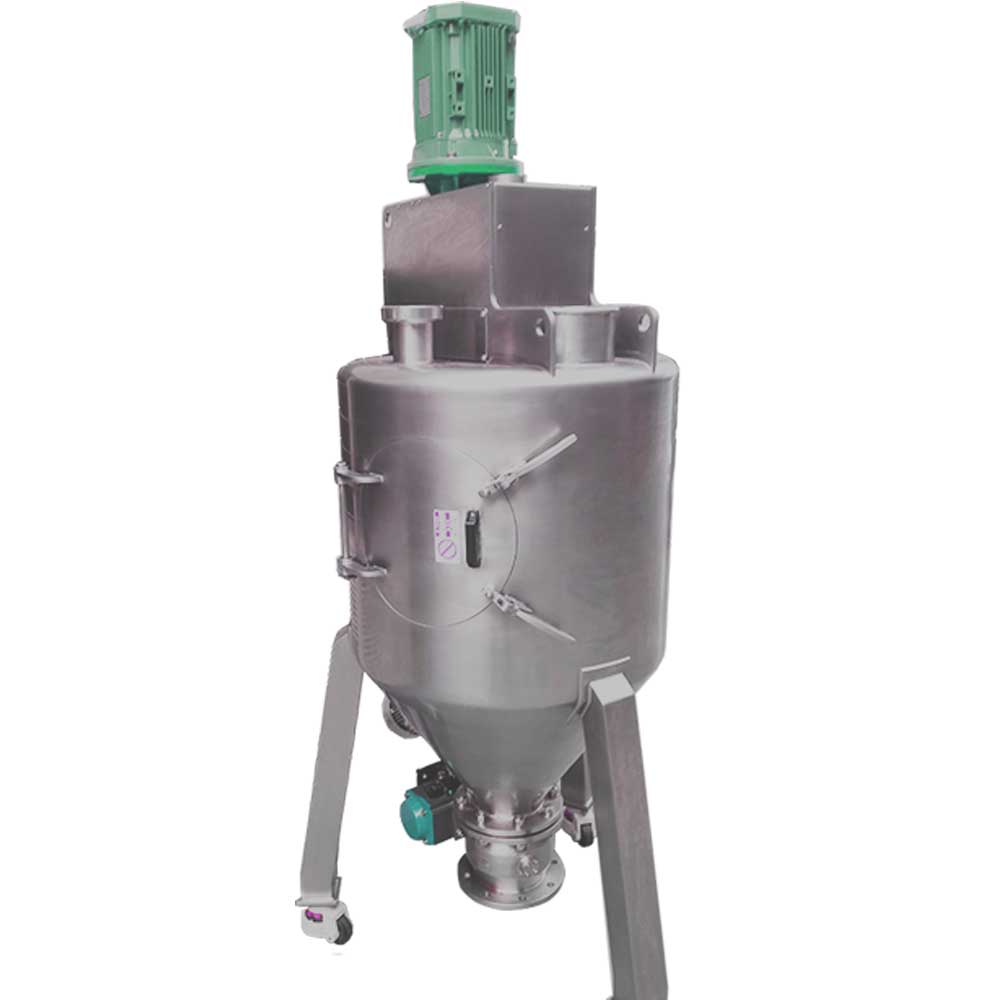
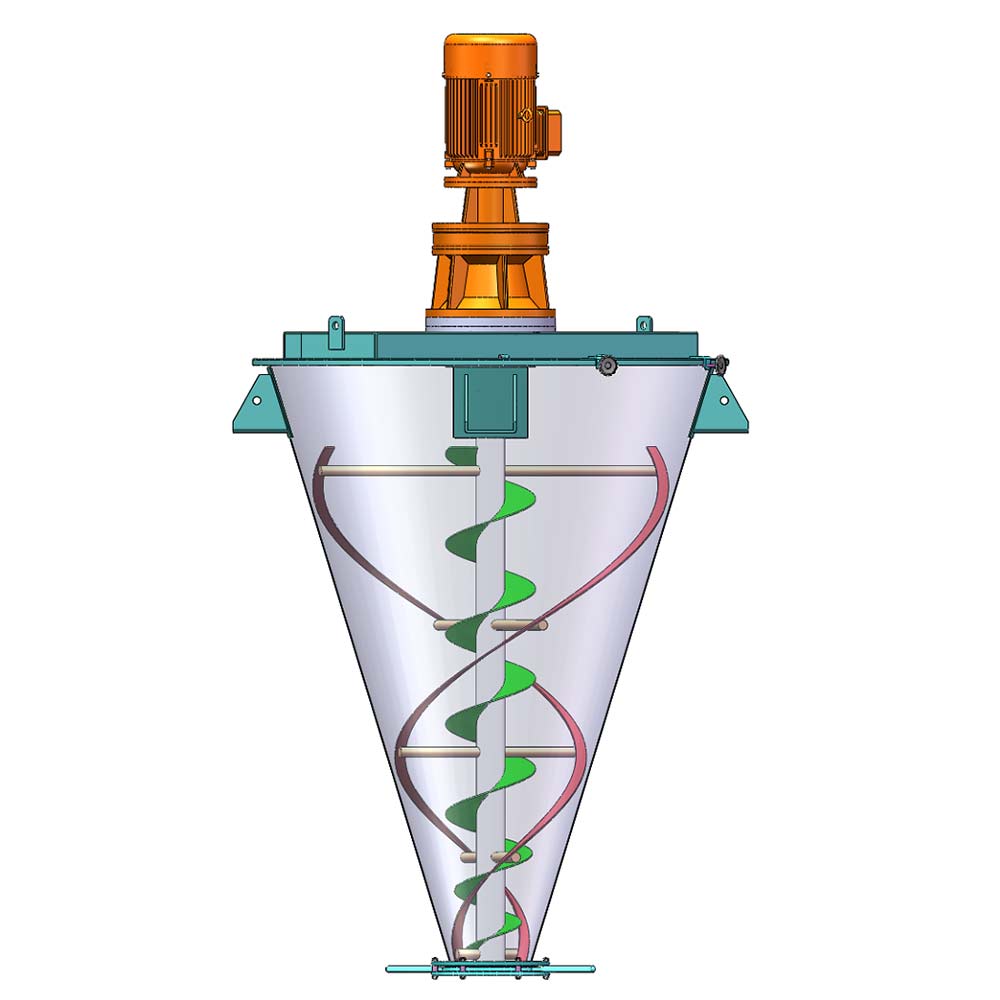
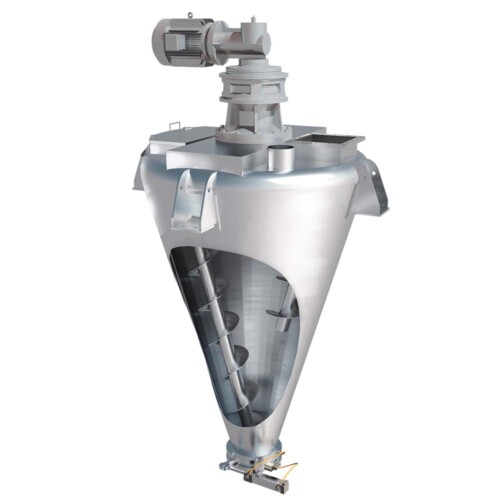
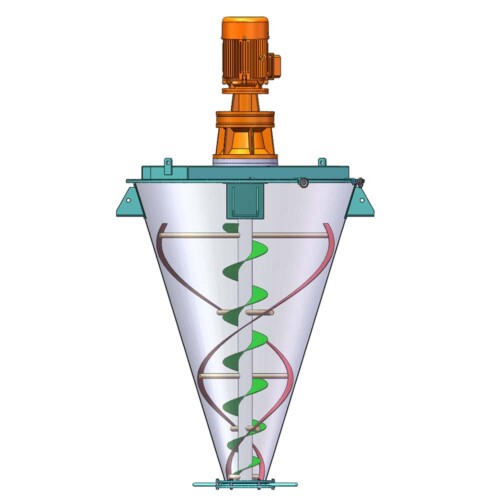
- Conical Twin-Screw Mixers
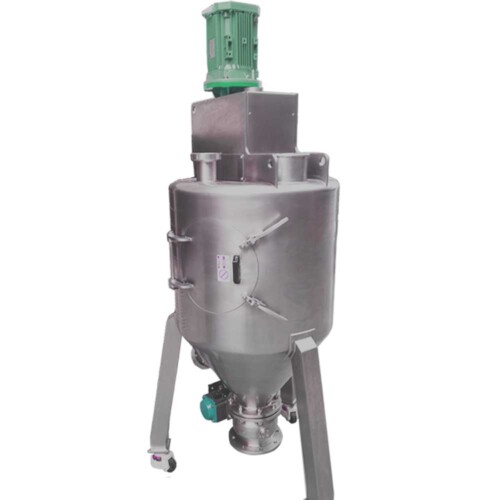
- Vertical Screw Ribbon Mixers
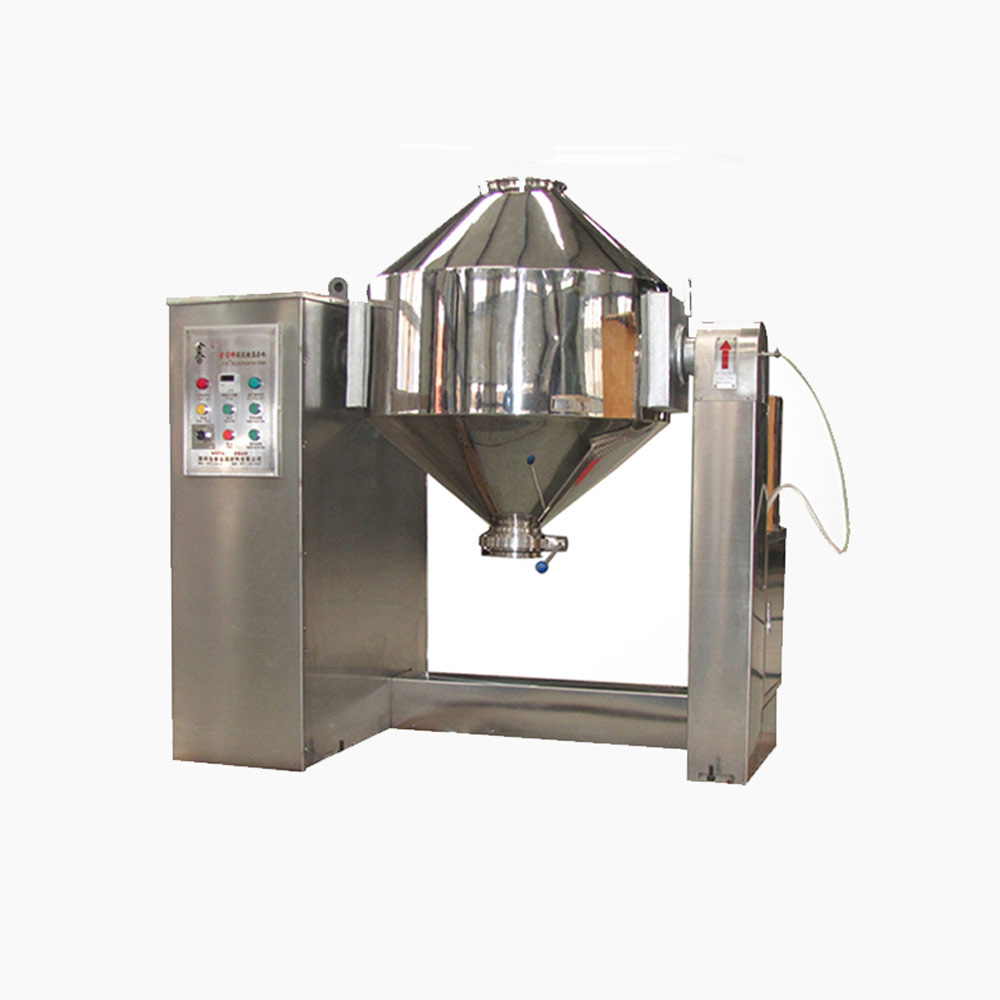
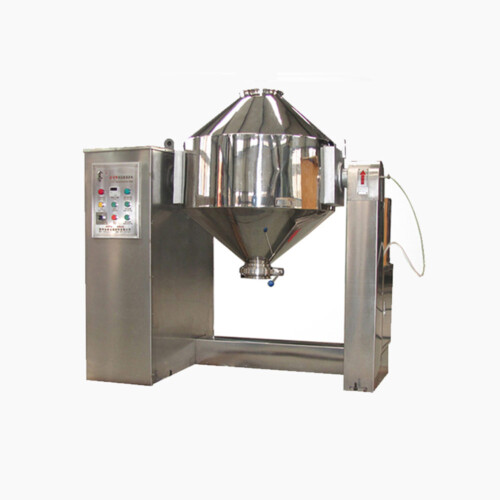
- Double Cone Mixers
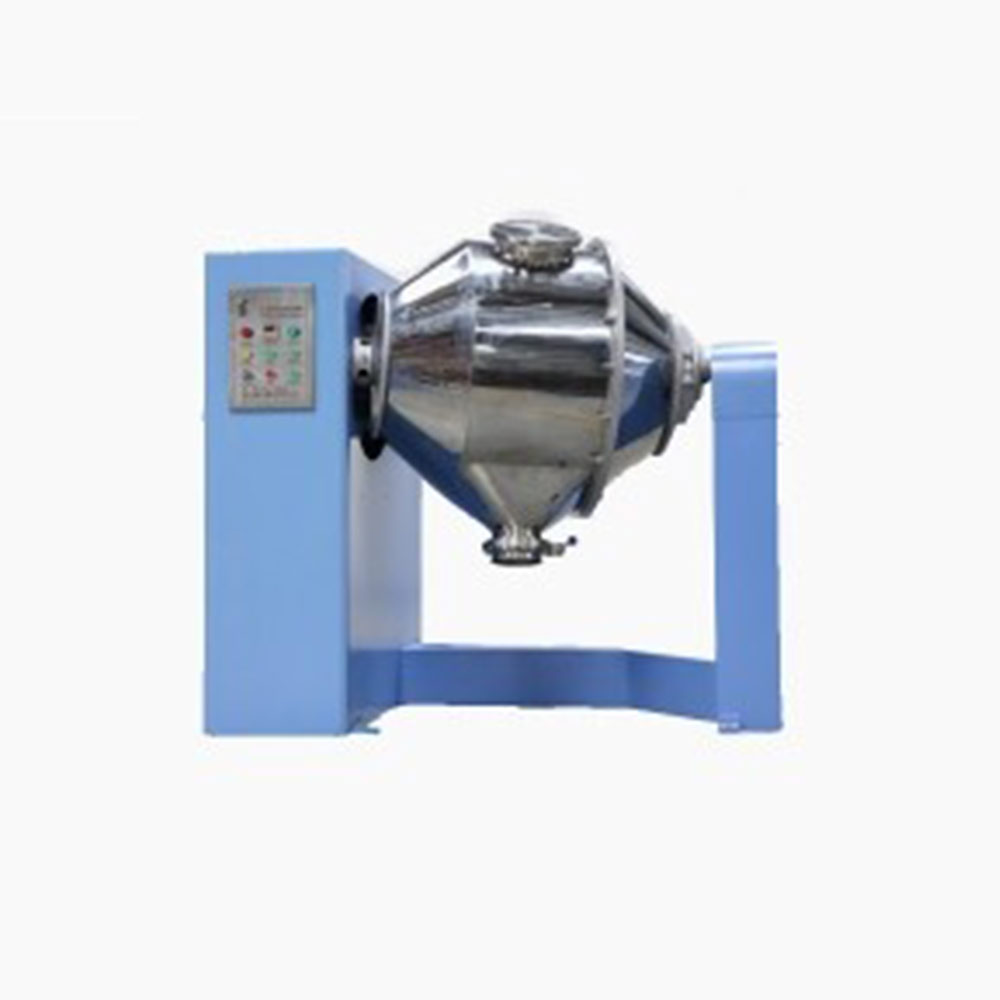
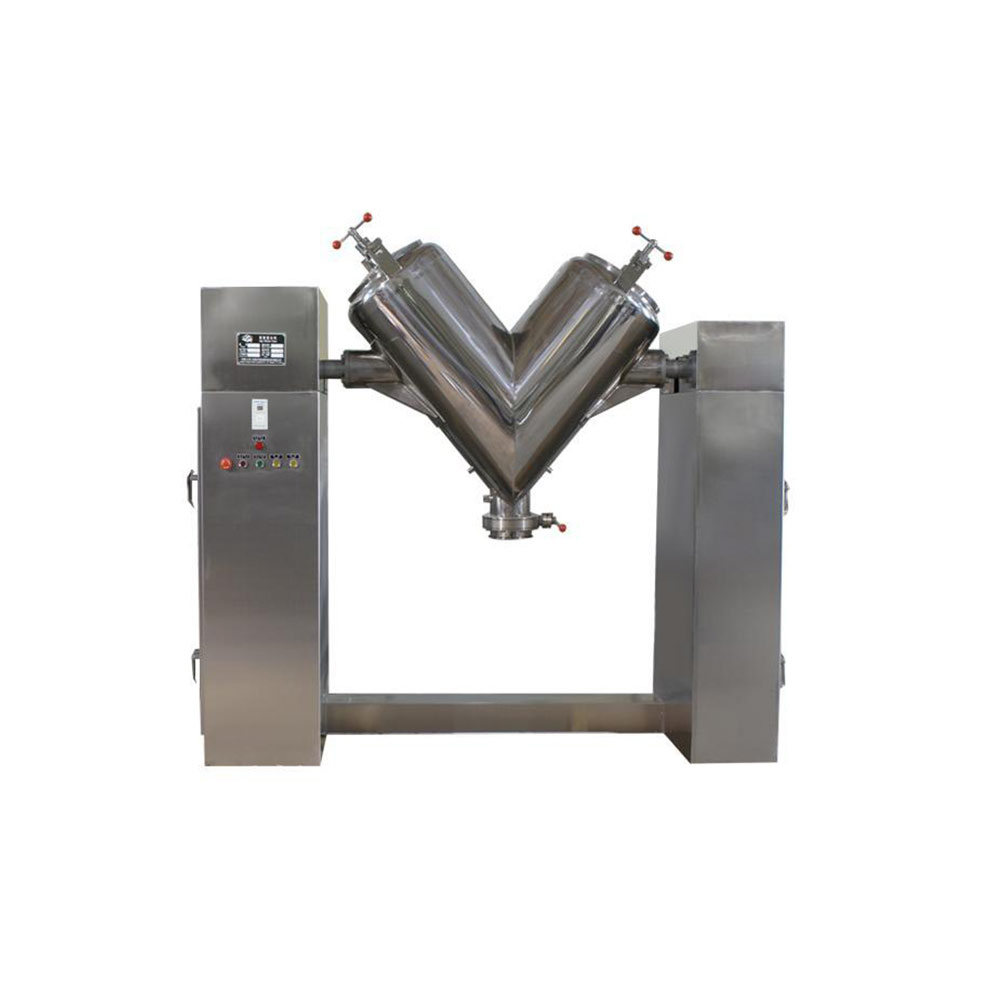
- V-Type Mixers
- 3D Motion Mixers
- Customized mixing systems and complete mixing lines
The most suitable mixer depends on your materials, production capacity, mixing ratio, required mixing time, and process conditions.
Mixer capacity should be evaluated using both the total vessel volume and the effective working volume. The required volume depends on material bulk density, batch weight, filling ratio and the mixing principle of the selected machine. A mixer should not normally be filled to its total geometric volume because sufficient space is required for material movement and effective mixing. For this reason, selecting a mixer based only on vessel volume can result in an unsuitable configuration.
The appropriate industrial powder mixer depends on several factors, including:
- Material characteristics
- Bulk density
- Particle size
- Required mixing uniformity
- Batch size or production capacity
- Moisture content
- Whether heating or drying is required
- Whether liquid addition is required
- Required discharge configuration
- Production and automation requirements
Vortex provides different powder mixer designs so that equipment can be selected according to the specific process requirements.
Vortex powder mixer selection depends on several factors, including:
- Material type and characteristics
- Bulk density and particle size
- Material flowability
- Moisture content
- Viscosity
- Mixing ratio
- Batch size or required production capacity
- Whether liquid addition is required
- Required mixing uniformity
- Temperature, pressure, vacuum, or other process requirements
Vortex engineers can recommend a suitable powder mixer based on your material and process requirements.
Yes, We can supply simple stand alone panels or automated PLC controlled systems. We normally install and test all controls on our mixers before they are shipped.
Yes, we normally test the mixers before they are shipped and mark out the wire need to connect on the control box.
We manufacture specialty mixing equipment for powder & bulk materials. Included are ribbon blender, plough mixer, conical screw mixer, twin shaft paddle mixer, V blender, double cone blender and other auxiliary equipment such as screw conveyor, quantitive auger filler.
We sell across the world, our cusotmers distribute 5 continents.
Share Us With Your Network
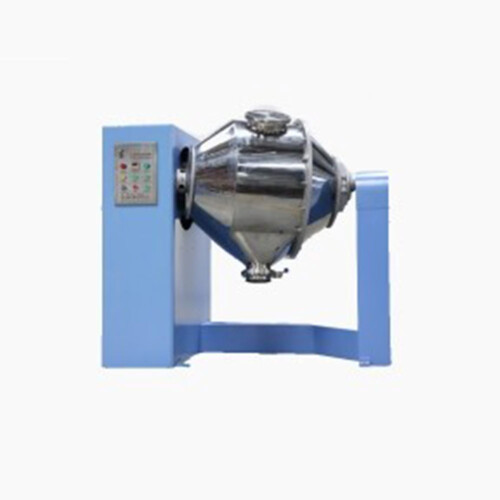
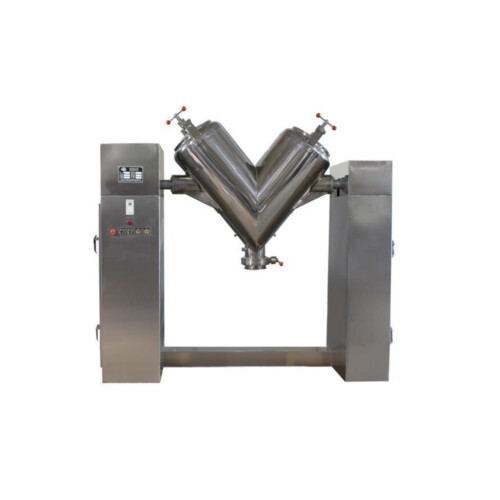
Industrial mixer
Industrial Mixers and Blenders are used to mix or blend a wide range of materials used in different industries including the food, chemical, pharmaceutical, plastic and mineral industries. They are mainly used to mix different materials using different types of blades to make a good quality homogeneous mixture. Included are dry blending devices, paste mixing designs for high viscosity products and high shear models for emulsification, particle size reduction and homogenization. Industrial mixers range from laboratory to production line scale.
They can operate at different temperatures and pressures for mixing different solutions and can also have internal or external heating systems added to them. Options also exist where spray nozzles, CIP, PLC and pneumatic or electric systems can be used. Systems can come equipped with hydraulic or electronic soft start mechanisms so that they start and stop smoothly.
In addition to performing typical batch mixing operations, some mixing can be done continuously. Using a machine like the Continuous Processor, one or more dry ingredients and one or more liquid ingredients can be accurately and consistently metered into the machine and see a continuous, homogeneous mixture come out the discharge of the machine. Many industries have converted to continuous mixing for many reasons. Some of those are ease of cleaning, lower energy consumption, smaller footprint, versatility, control, via Industrial mixer – Wikipedia, the free encyclopedia.
Ask An Expert