Ask An Expert
Frequently Asked Questions
Vortex mixers are designed for a wide variety of powders, granules, and powder-liquid mixtures.
Typical applications include chemical powders, food ingredients, pharmaceutical powders, animal feed, dry mortar, ceramics, battery materials, fertilizers, pesticides, minerals, refractory materials, and other bulk solids. The actual mixer configuration should be selected according to the physical and chemical properties of the material.
Vortex manufacture a wide range of industrial powder and bulk solids mixing equipment, including:
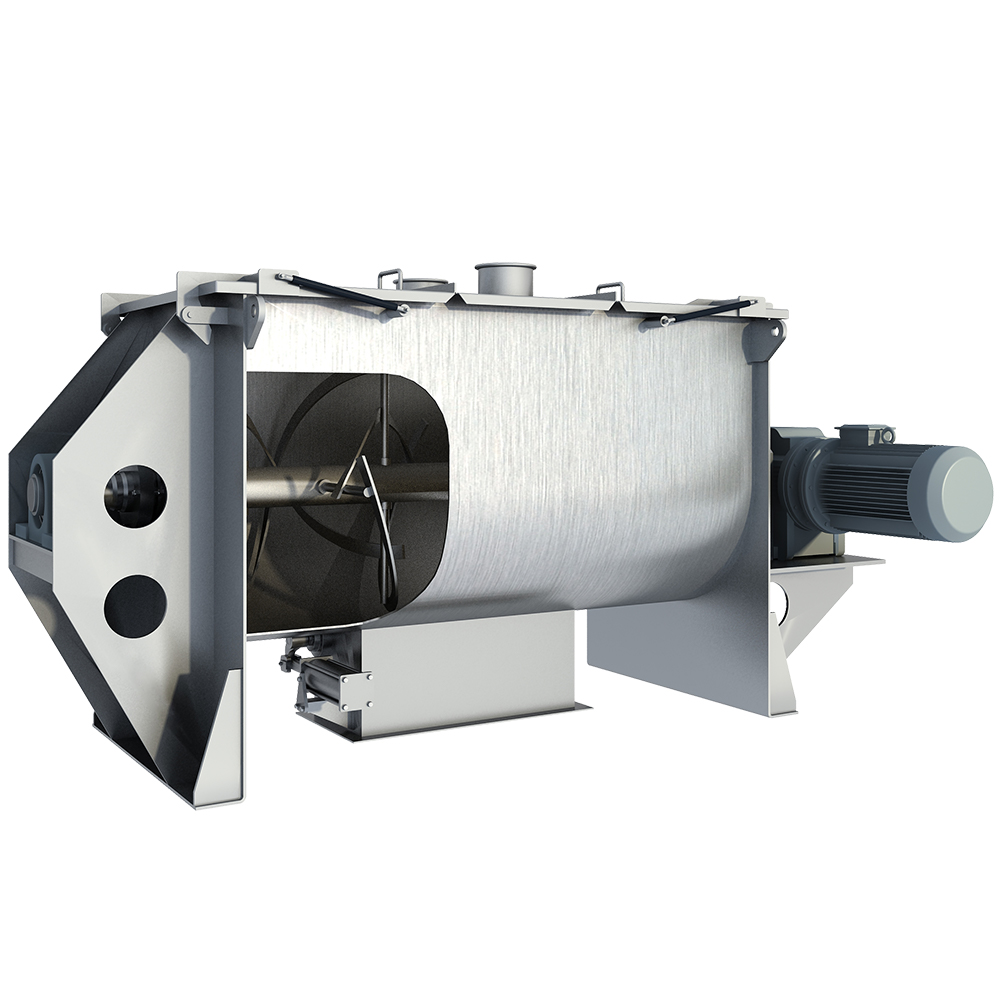
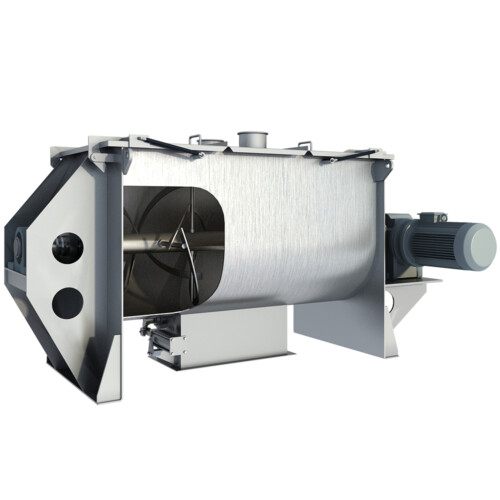
- Horizontal Ribbon Mixers
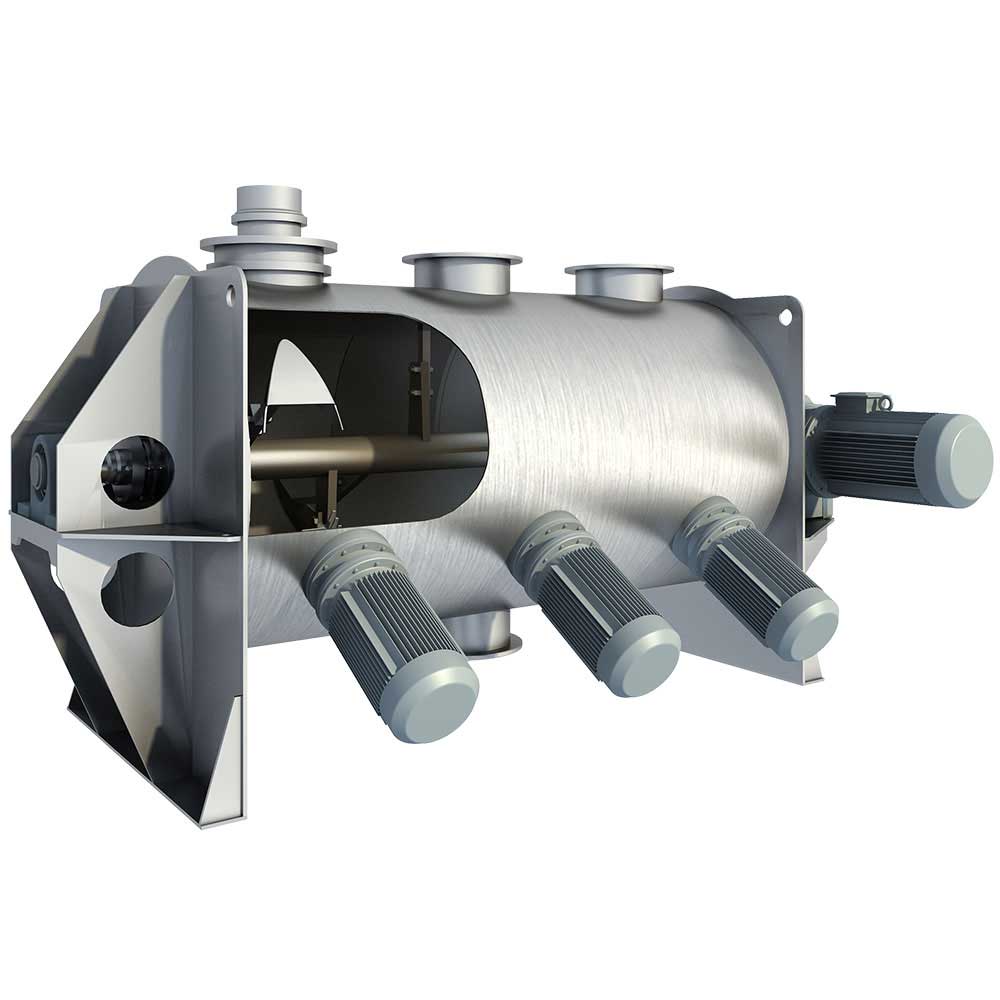
- Ploughshare Mixers
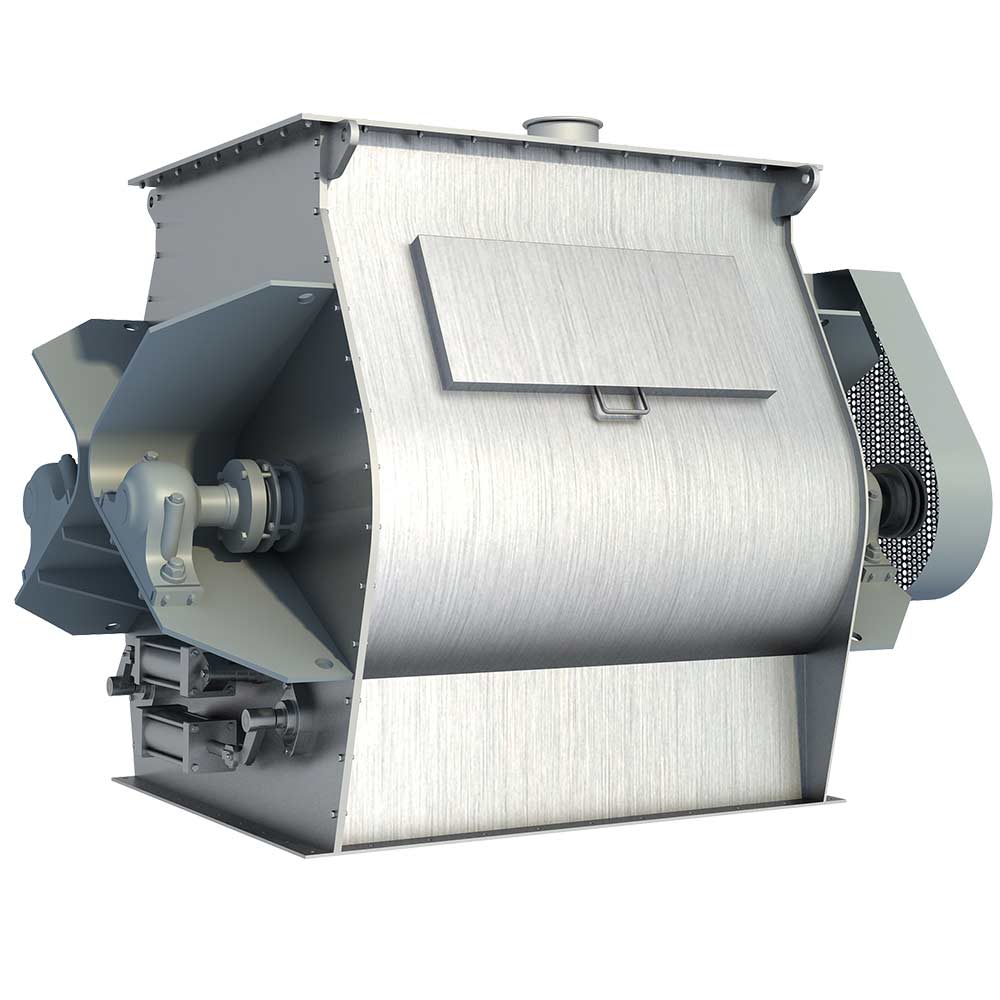
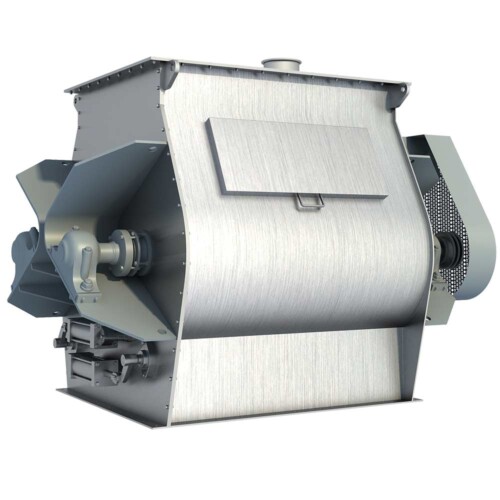
- Double Shaft Paddle Mixers (Paddle Mixers / “No-Gravity” Mixers)
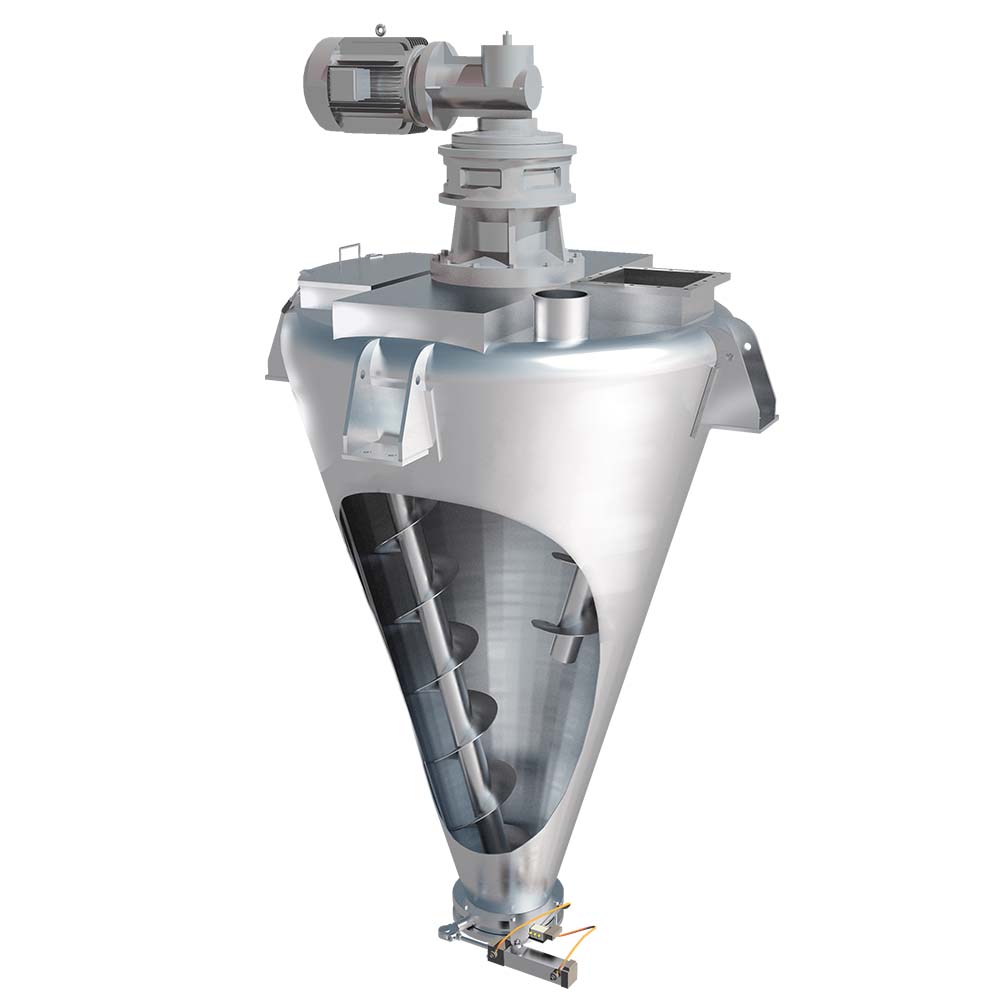
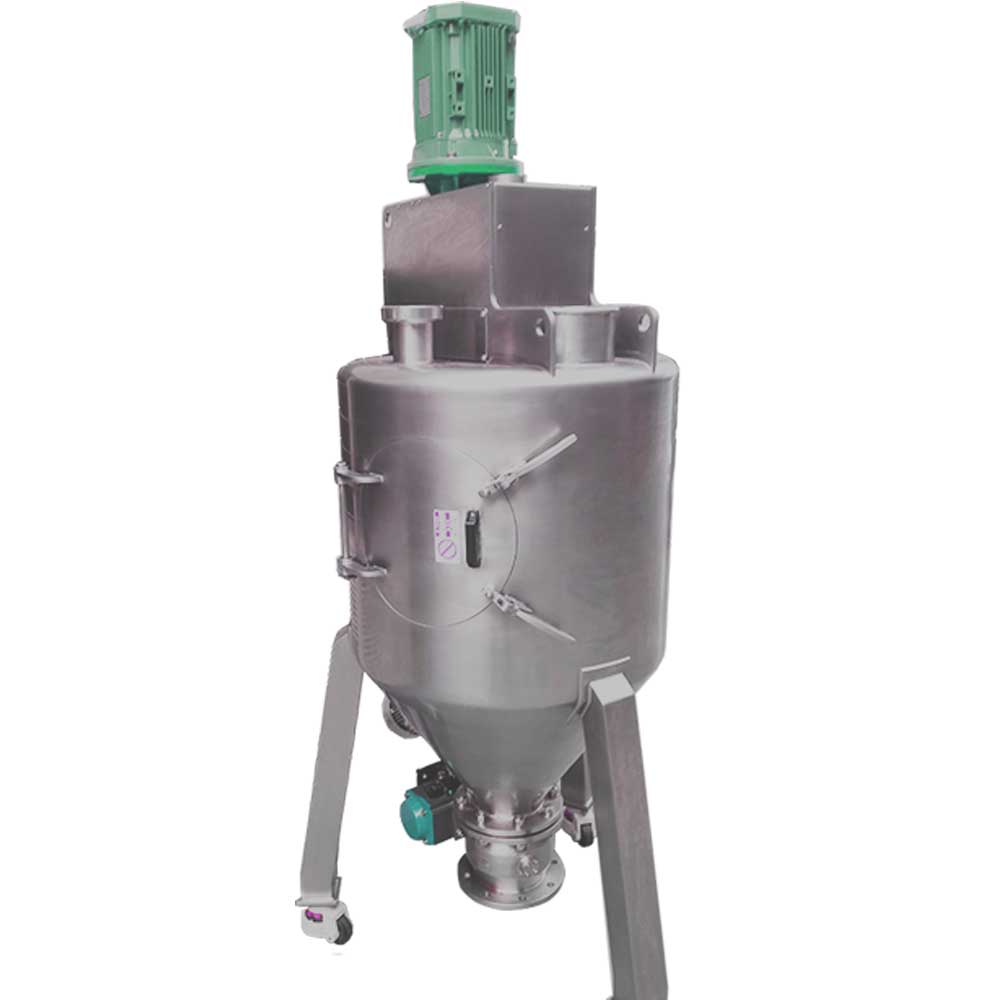
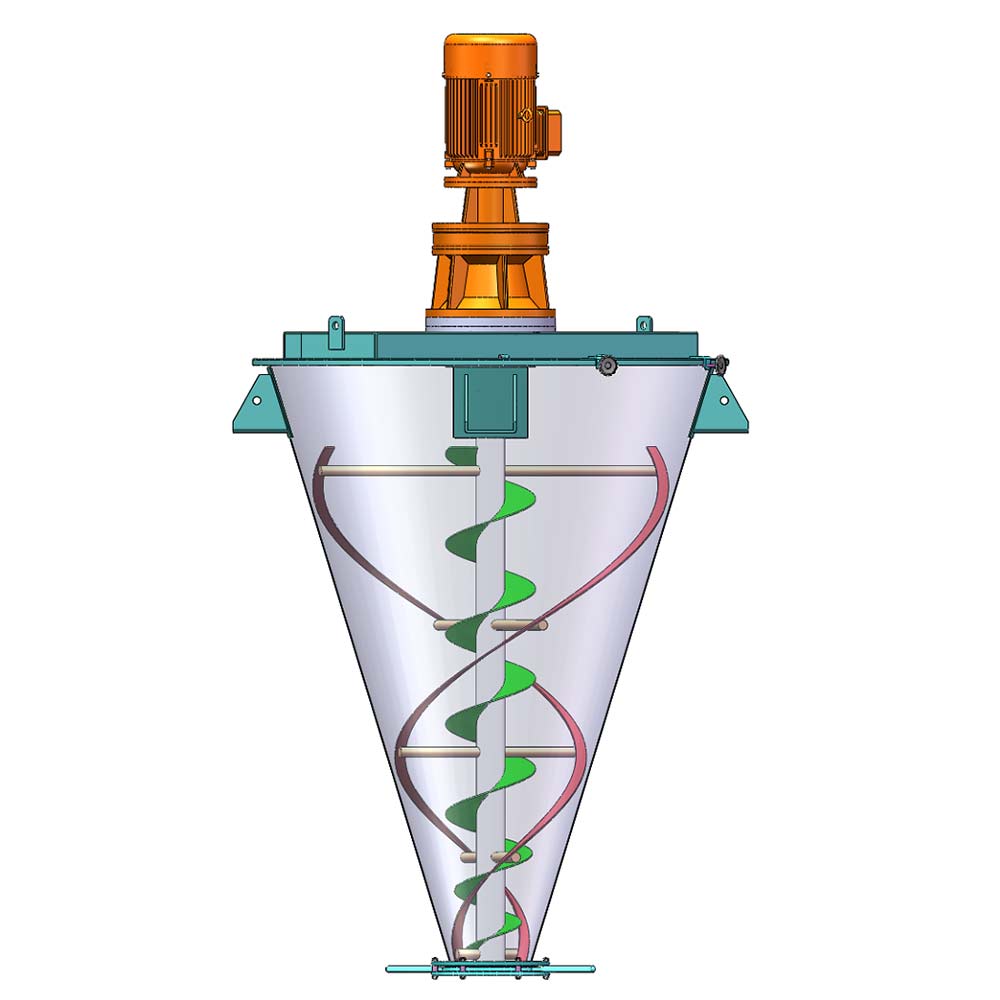
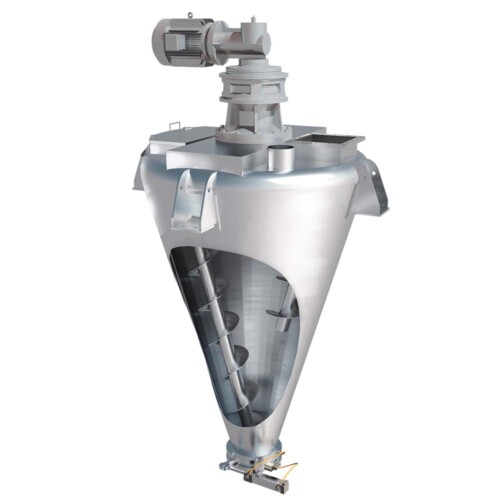
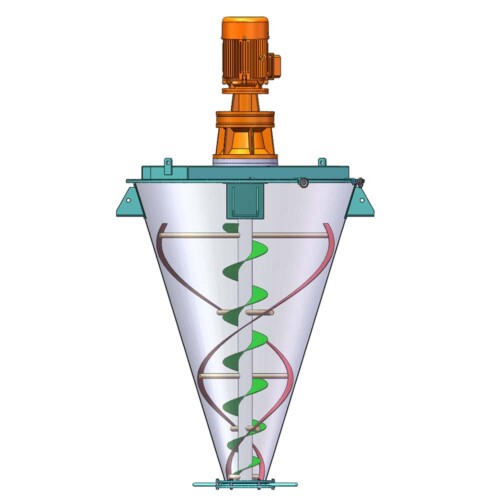
- Conical Twin-Screw Mixers
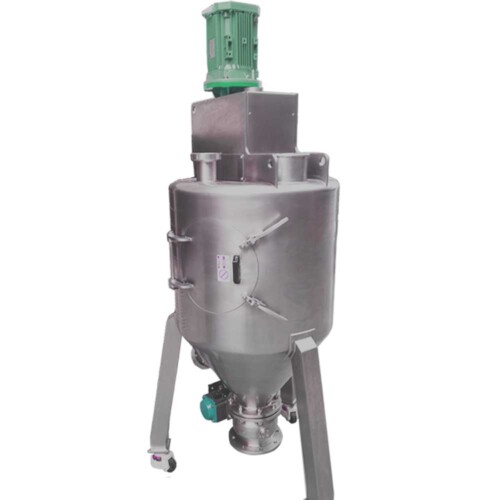
- Vertical Screw Ribbon Mixers
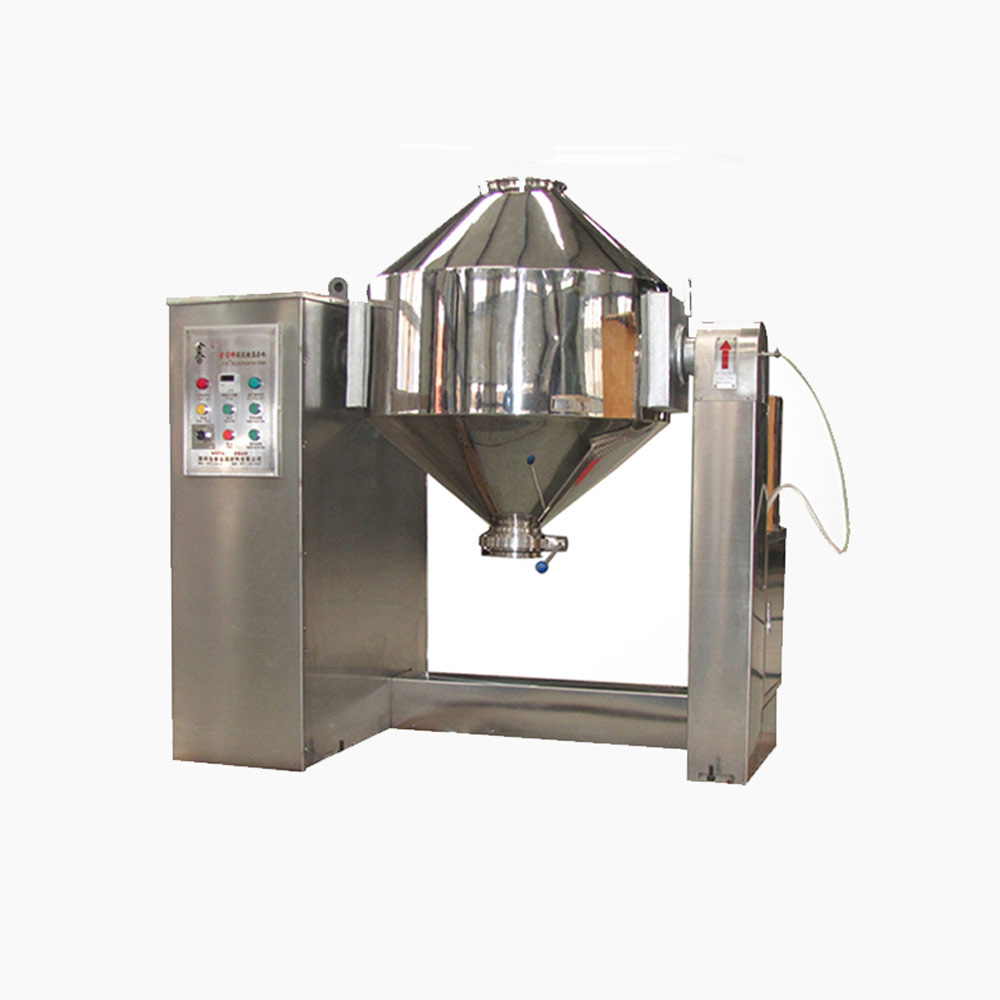
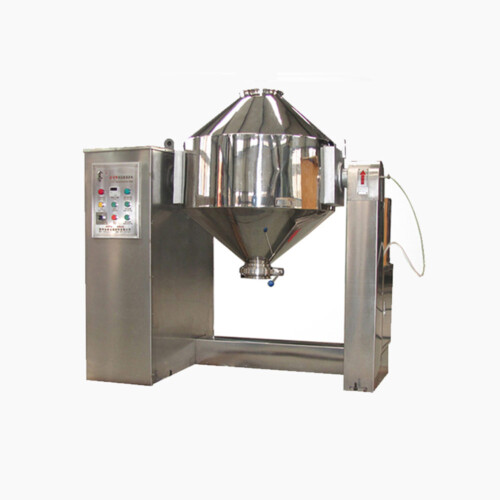
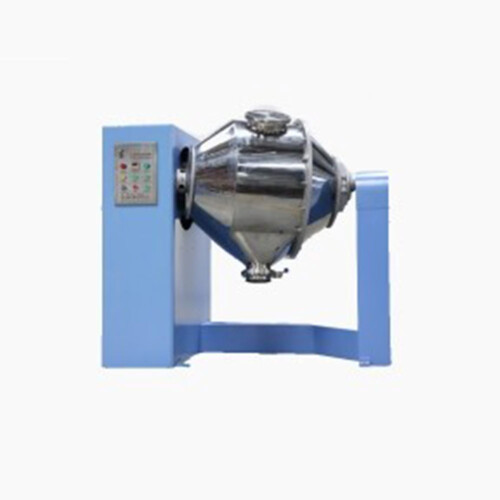
- Double Cone Mixers
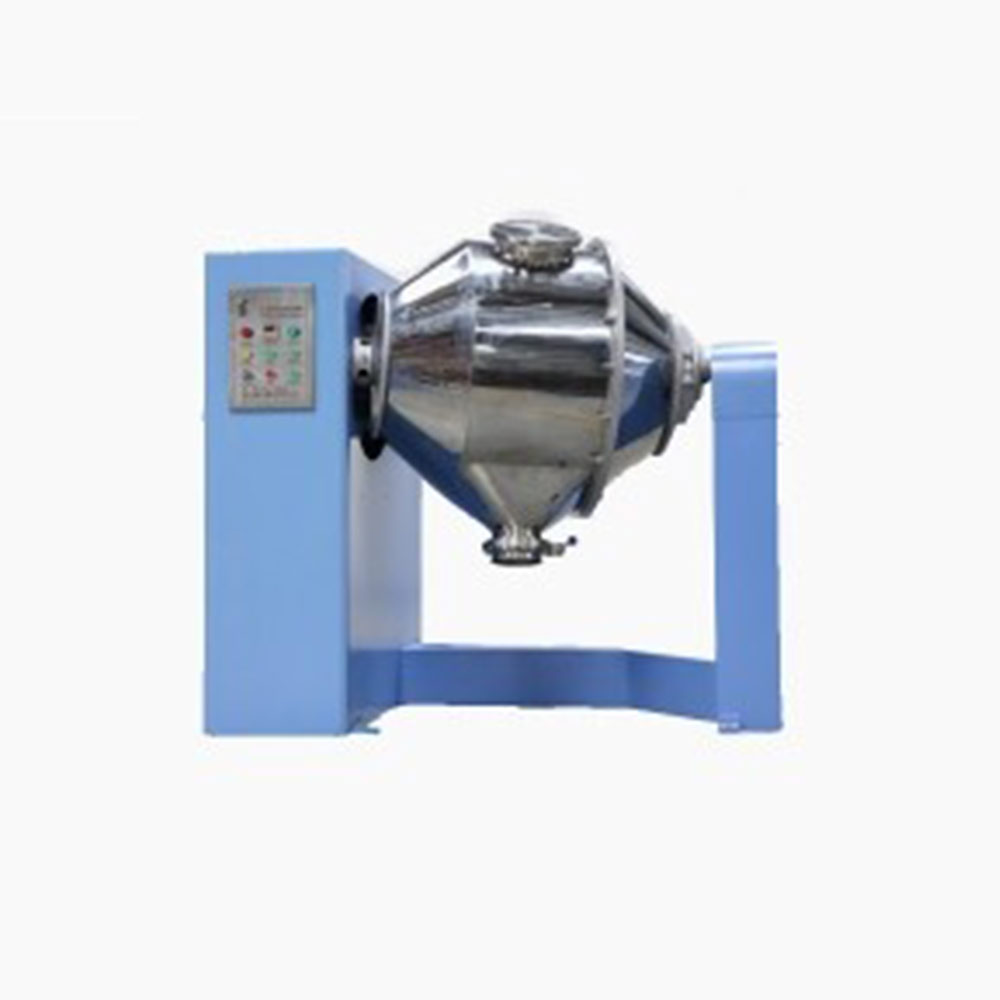
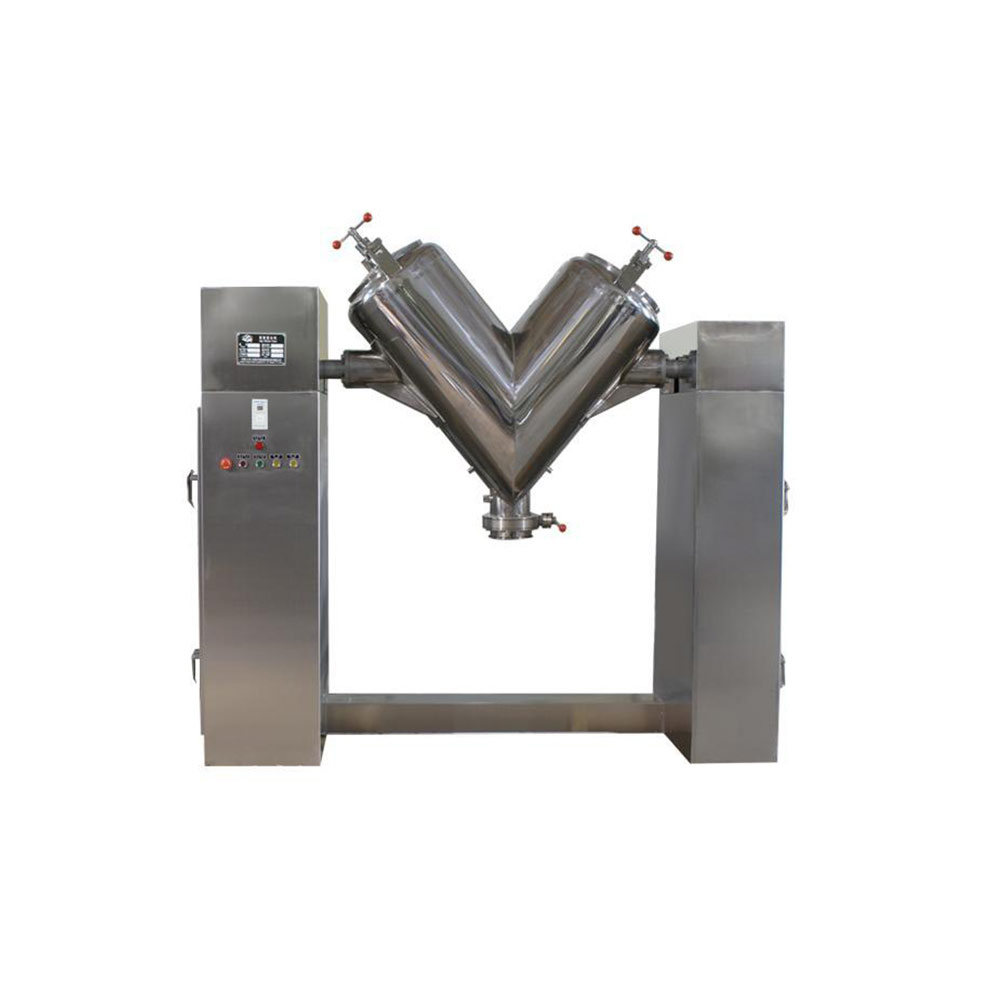
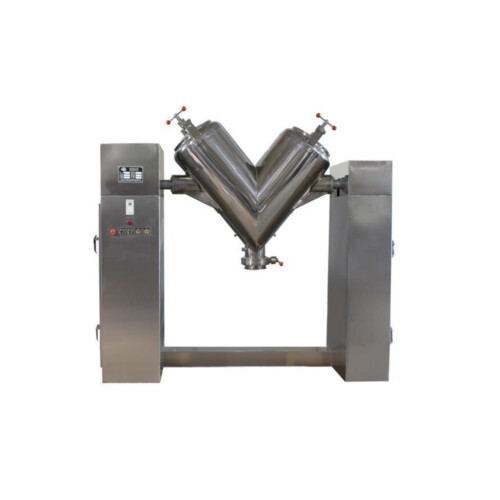
- V-Type Mixers
- 3D Motion Mixers
- Customized mixing systems and complete mixing lines
The most suitable mixer depends on your materials, production capacity, mixing ratio, required mixing time, and process conditions.
Mixer capacity should be evaluated using both the total vessel volume and the effective working volume. The required volume depends on material bulk density, batch weight, filling ratio and the mixing principle of the selected machine. A mixer should not normally be filled to its total geometric volume because sufficient space is required for material movement and effective mixing. For this reason, selecting a mixer based only on vessel volume can result in an unsuitable configuration.
The appropriate industrial powder mixer depends on several factors, including:
- Material characteristics
- Bulk density
- Particle size
- Required mixing uniformity
- Batch size or production capacity
- Moisture content
- Whether heating or drying is required
- Whether liquid addition is required
- Required discharge configuration
- Production and automation requirements
Vortex provides different powder mixer designs so that equipment can be selected according to the specific process requirements.
Vortex powder mixer selection depends on several factors, including:
- Material type and characteristics
- Bulk density and particle size
- Material flowability
- Moisture content
- Viscosity
- Mixing ratio
- Batch size or required production capacity
- Whether liquid addition is required
- Required mixing uniformity
- Temperature, pressure, vacuum, or other process requirements
Vortex engineers can recommend a suitable powder mixer based on your material and process requirements.
Yes, We can supply simple stand alone panels or automated PLC controlled systems. We normally install and test all controls on our mixers before they are shipped.
Yes, we normally test the mixers before they are shipped and mark out the wire need to connect on the control box.
We manufacture specialty mixing equipment for powder & bulk materials. Included are ribbon blender, plough mixer, conical screw mixer, twin shaft paddle mixer, V blender, double cone blender and other auxiliary equipment such as screw conveyor, quantitive auger filler.
We sell across the world, our cusotmers distribute 5 continents.
Share Us With Your Network
Ploughshare Mixer is Popular used in Various Industries
Ploughshare mixer has been developed in last century in Europe. It is very wide used in different industries and applications. Now, this technology was introduced in China and welcomed by many Chinese customers. According to the structure and mixing principle, plough mixer has many advantages that other mixers haven’t. Vortex cooperate with German to present a high performance ploughshare mixer.
How it Works:

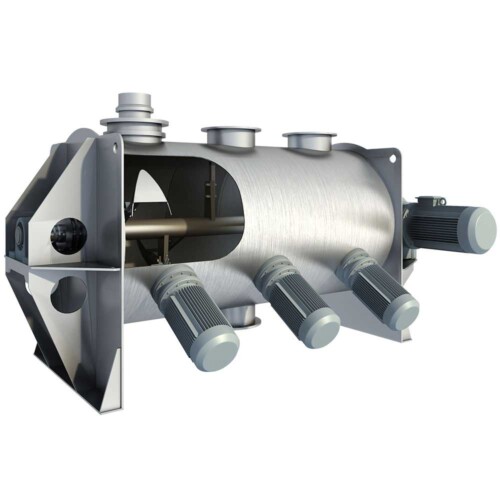
The plough shear mixer consists of a cylindrical drum containing plough shaped mixing elements that are mounted on a horizontal shaft. The agitator’s shaft is positioned in the centre of the drum and has welded / bolted arms on which the “Plough” shaped mixing elements are mounted. The plough shear mixer gets its name because of these plough shaped mixing elements. Independently driven high-speed choppers may be installed to disperse agglomerations and control granulation during the mixing process.
In operation, material is loaded through the top inlet. The working volume of the plough shear mixer ranges from 30% to 60% of the total drum volume. The shaft rotates at higher speed, producing a plough tip speed of more than 200 meters per minute to effect a fluidizing action. The ploughs throw the material upward, and the material settles in a random pattern. The size, shape, positioning, and peripheral speed of the ploughs are coordinated in such a way that they produce a whirling, three-dimensional product movement. The turbulence and material movement within the mixer container prevents formation of dead-spots or low-movement zones and ensures fast and homogenous mixing. The ploughs are designed to lift the material from the inside wall of the container without squashing the particles against the wall.
Application of Ploughshare Mixer
Processes
- Dry powder mixing – e.g. Food flavoring/additives, Sponge/cake mixes, Cosmetics, Pharmaceuticals, Cement, Powdered rubber
- Paste mixing – e.g. Biscuit creams, dough, PVC pastes, Car body fillers/putties, Sugar/marzipan paste, Toiletry pastes, Tile adhesives and grouts
- Mixing of wet slurries – e.g. Filter cake re-slurrying, dough, Fiber glass resin dough putty
- Wet granulation
- Liquid coating of powders and granules
- Fat and oil incorporation
- Vacuum drying
- Hot air drying
Plough Shear Mixer has applications in the following industries:
- Food Flavoring
- Sugar
- Chemicals
- Pharmaceuticals
- Ceramics
- Agrochemicals
- Veterinary
- Adhesives
- Brake linings
- Confectionery products
- Detergents
- Waste treatment
- Fiber Glass
- Rubber
Ask An Expert