Ask An Expert
Frequently Asked Questions
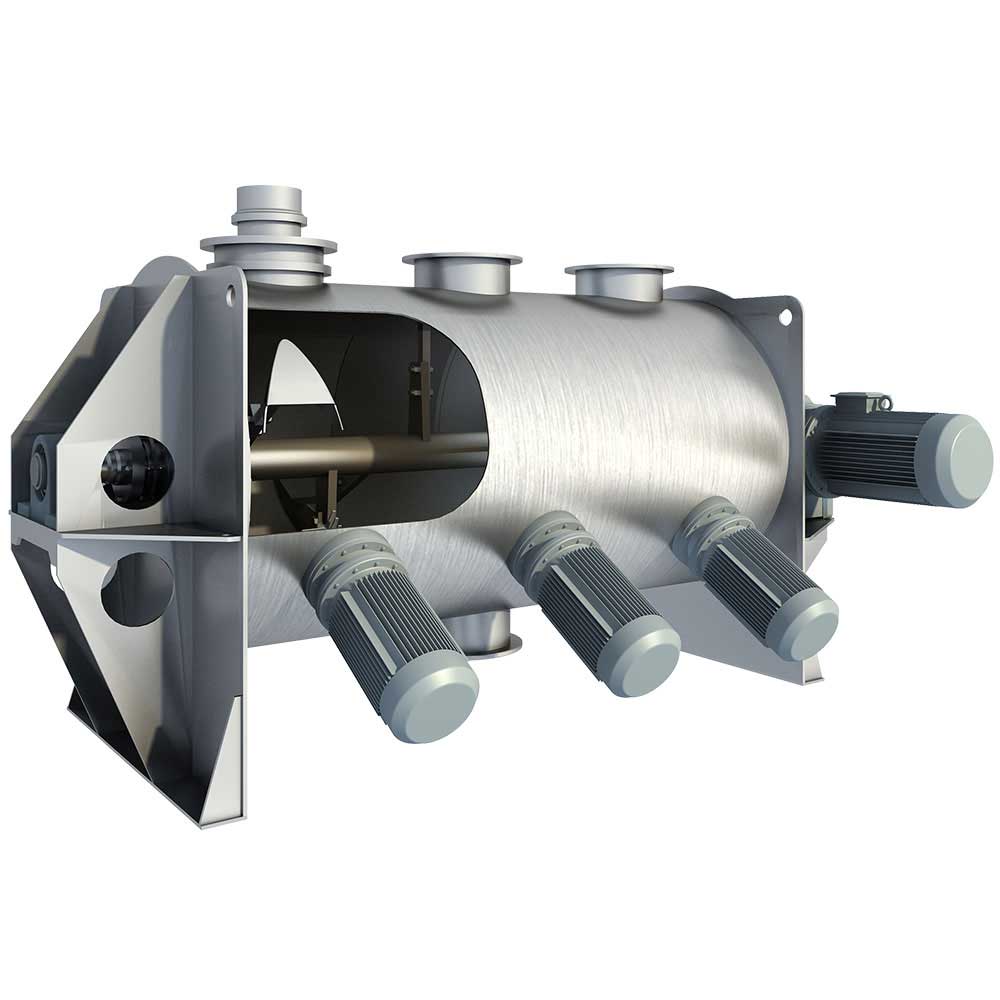
A Ploughshare Mixer is often suitable for materials that tend to agglomerate.
Its plough-shaped mixing tools generate intensive circulation of the material, while optional high-speed choppers can break up lumps and agglomerates during mixing.
The final selection should be based on the material characteristics and process requirements.
Vortex mixers are designed for a wide variety of powders, granules, and powder-liquid mixtures.
Typical applications include chemical powders, food ingredients, pharmaceutical powders, animal feed, dry mortar, ceramics, battery materials, fertilizers, pesticides, minerals, refractory materials, and other bulk solids. The actual mixer configuration should be selected according to the physical and chemical properties of the material.
Vortex manufacture a wide range of industrial powder and bulk solids mixing equipment, including:
- Horizontal Ribbon Mixers
- Ploughshare Mixers
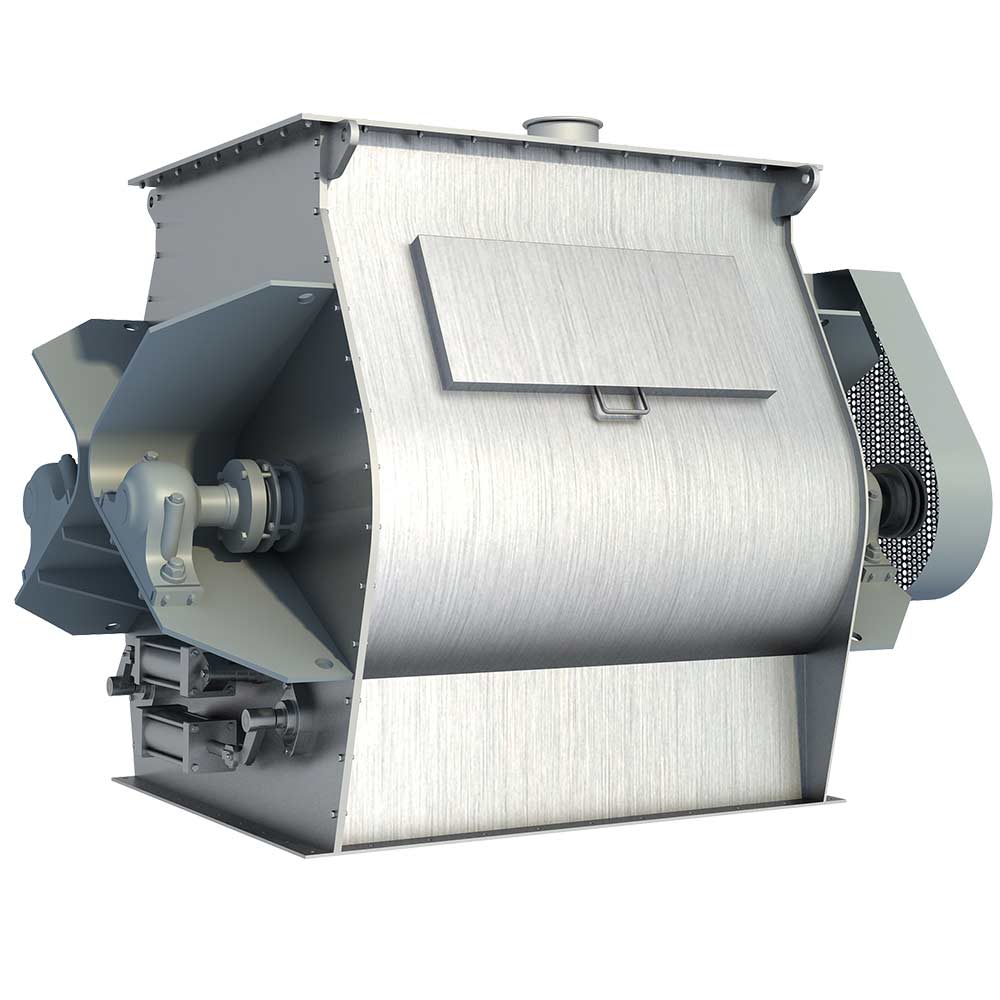
- Double Shaft Paddle Mixers (Paddle Mixers / “No-Gravity” Mixers)
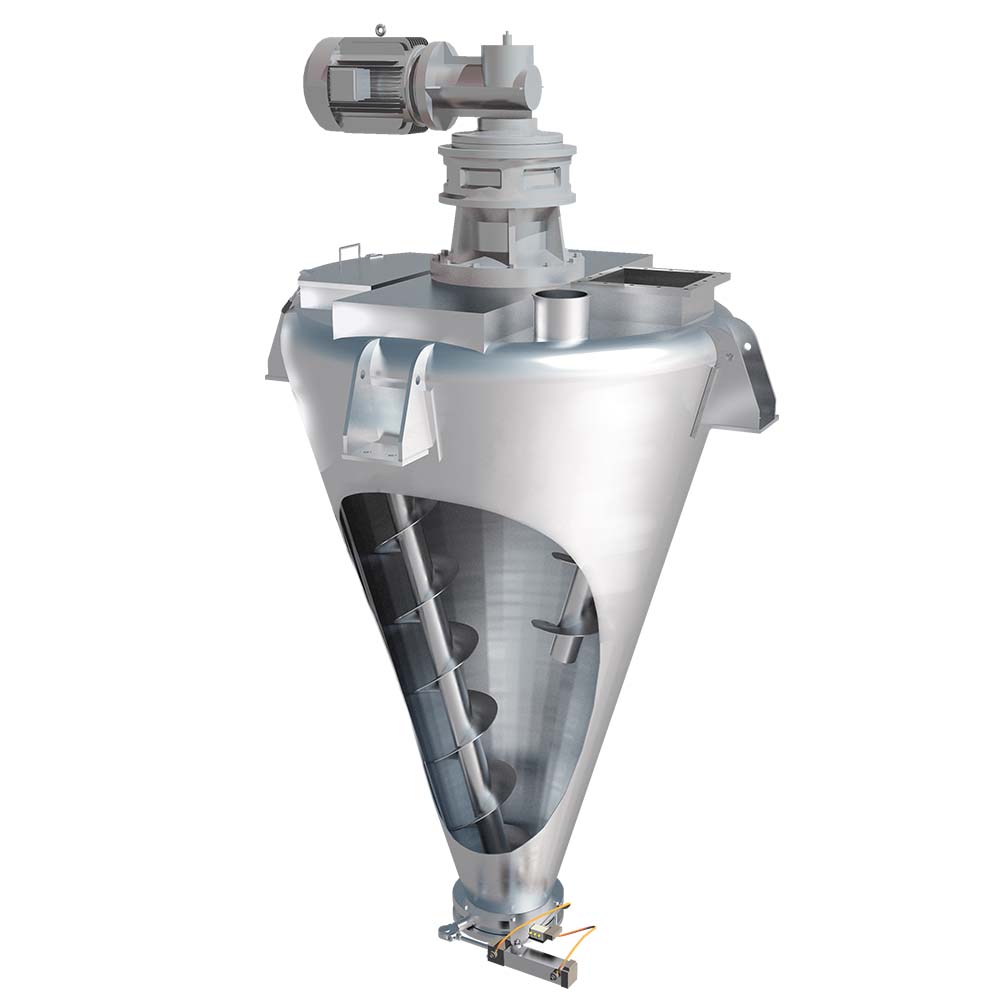
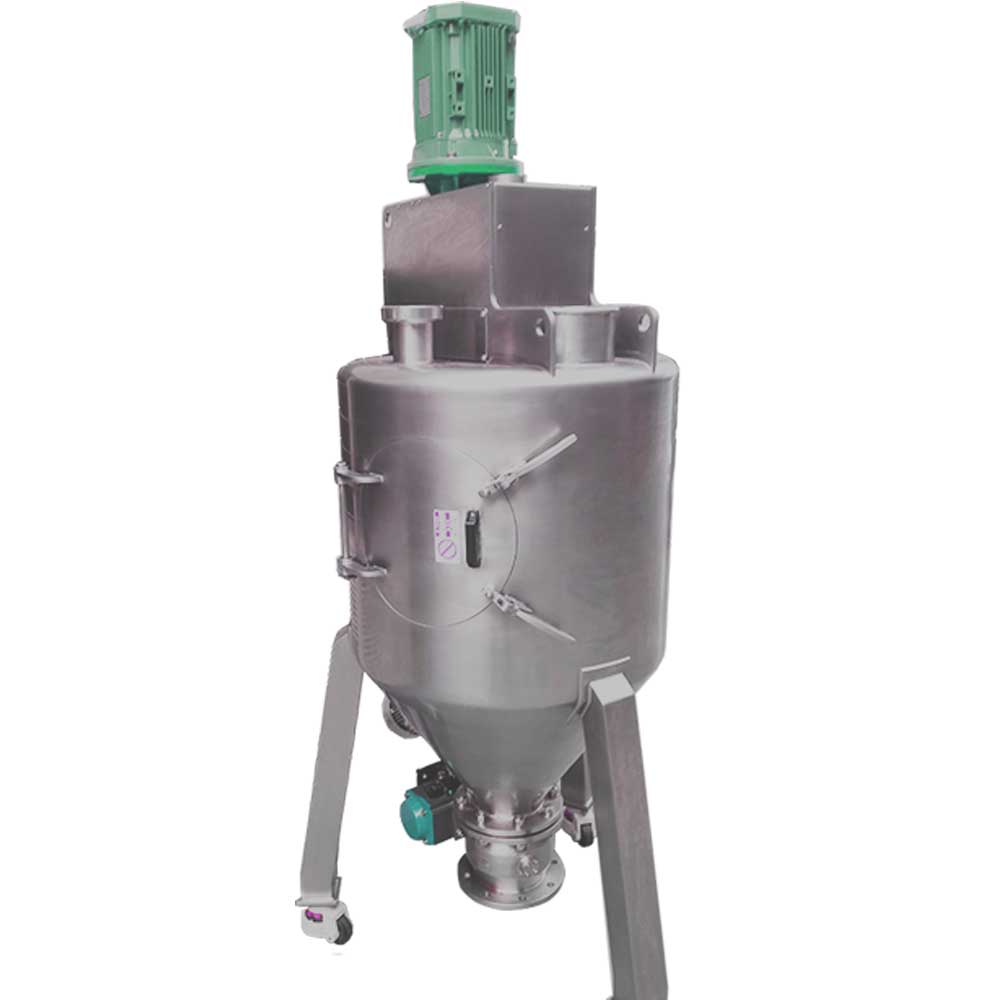
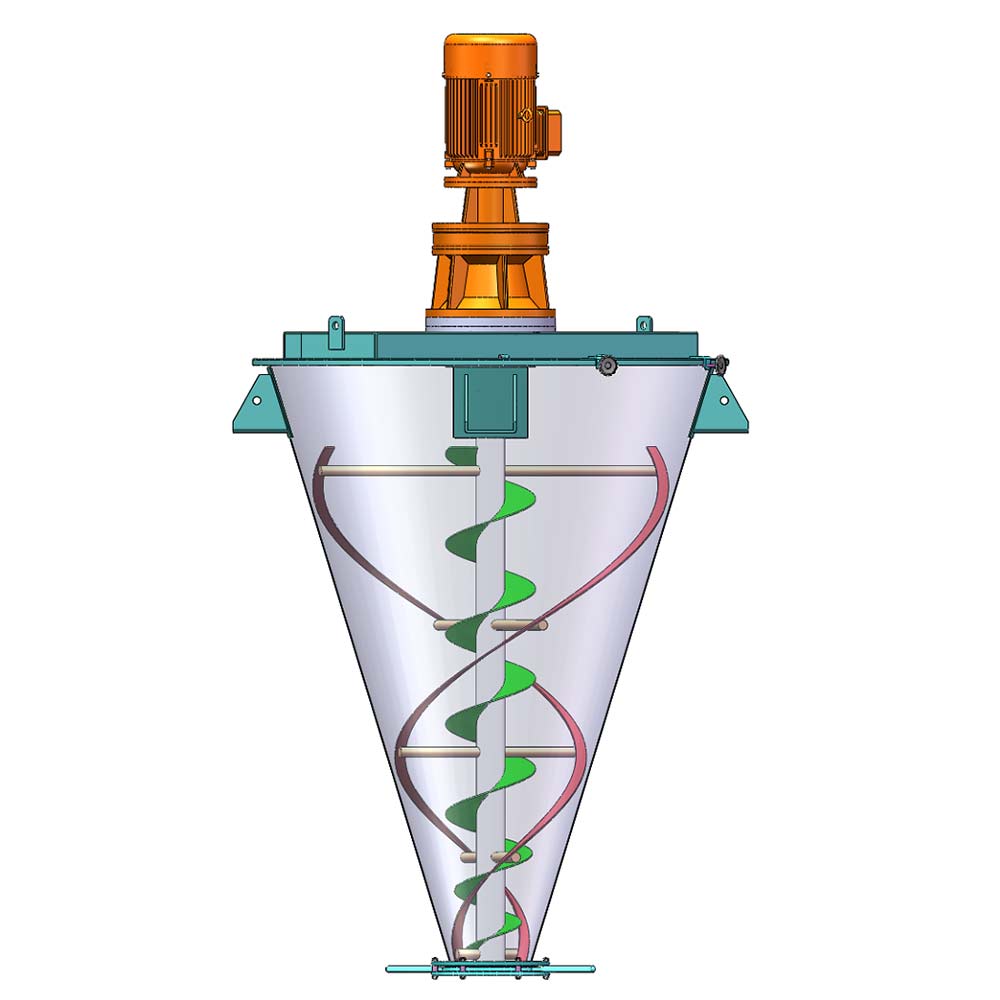
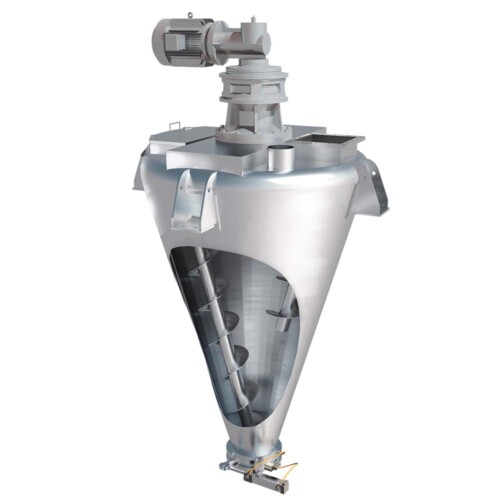
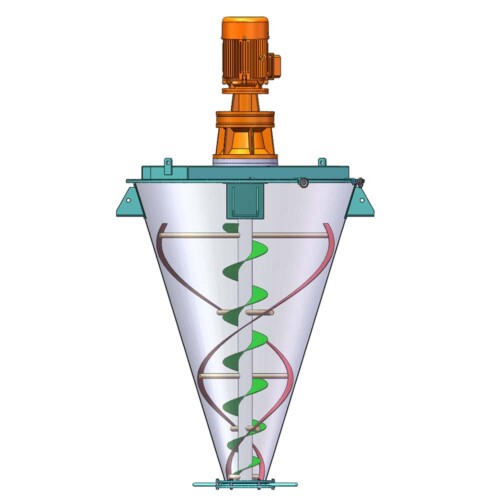
- Conical Twin-Screw Mixers
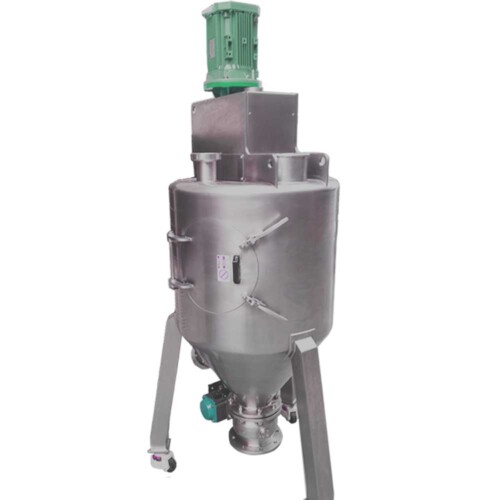
- Vertical Screw Ribbon Mixers
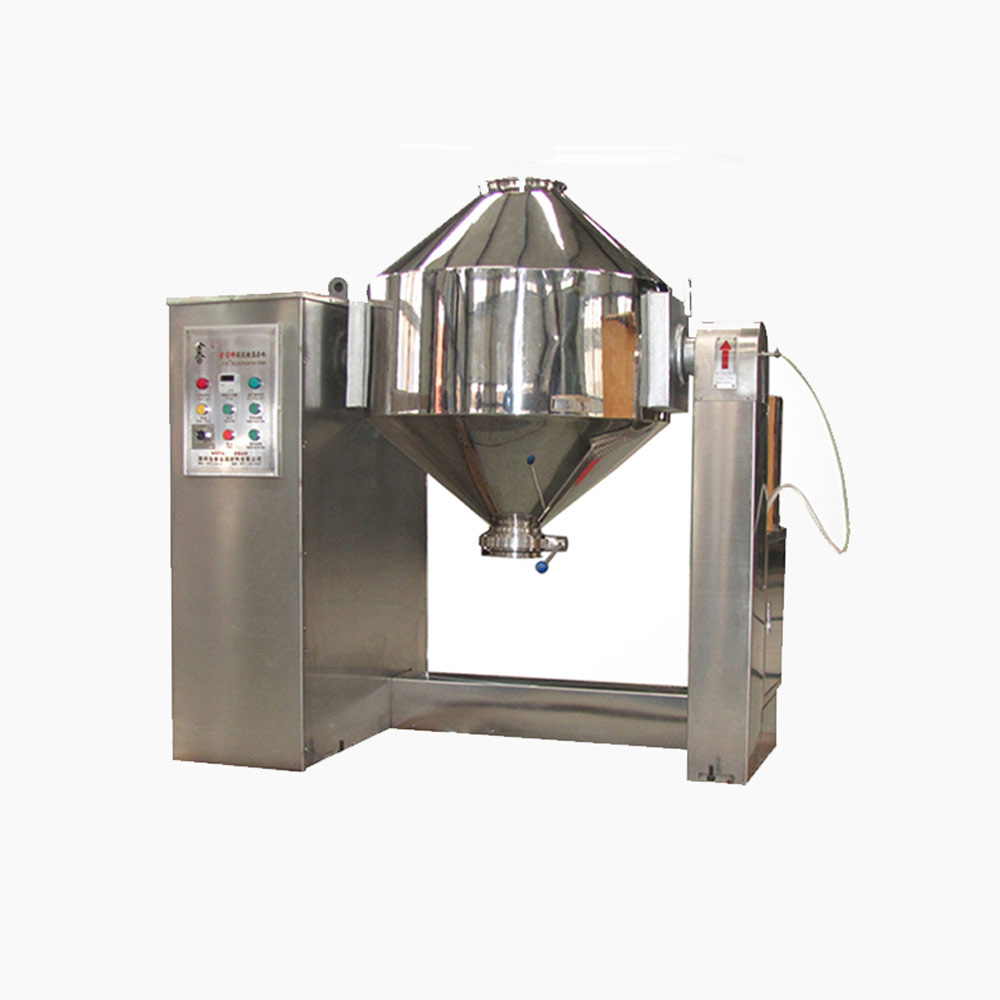
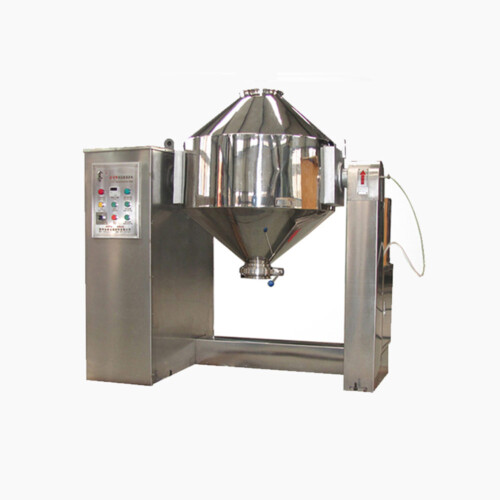
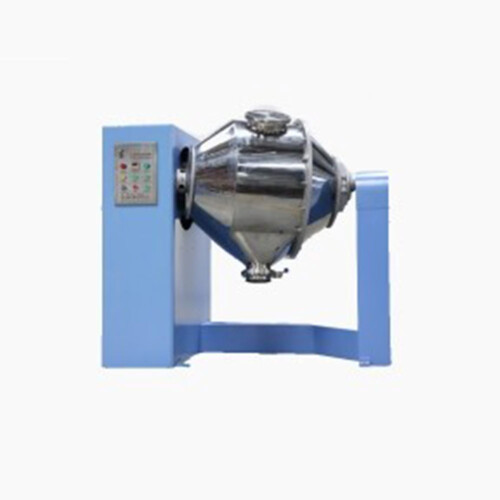
- Double Cone Mixers
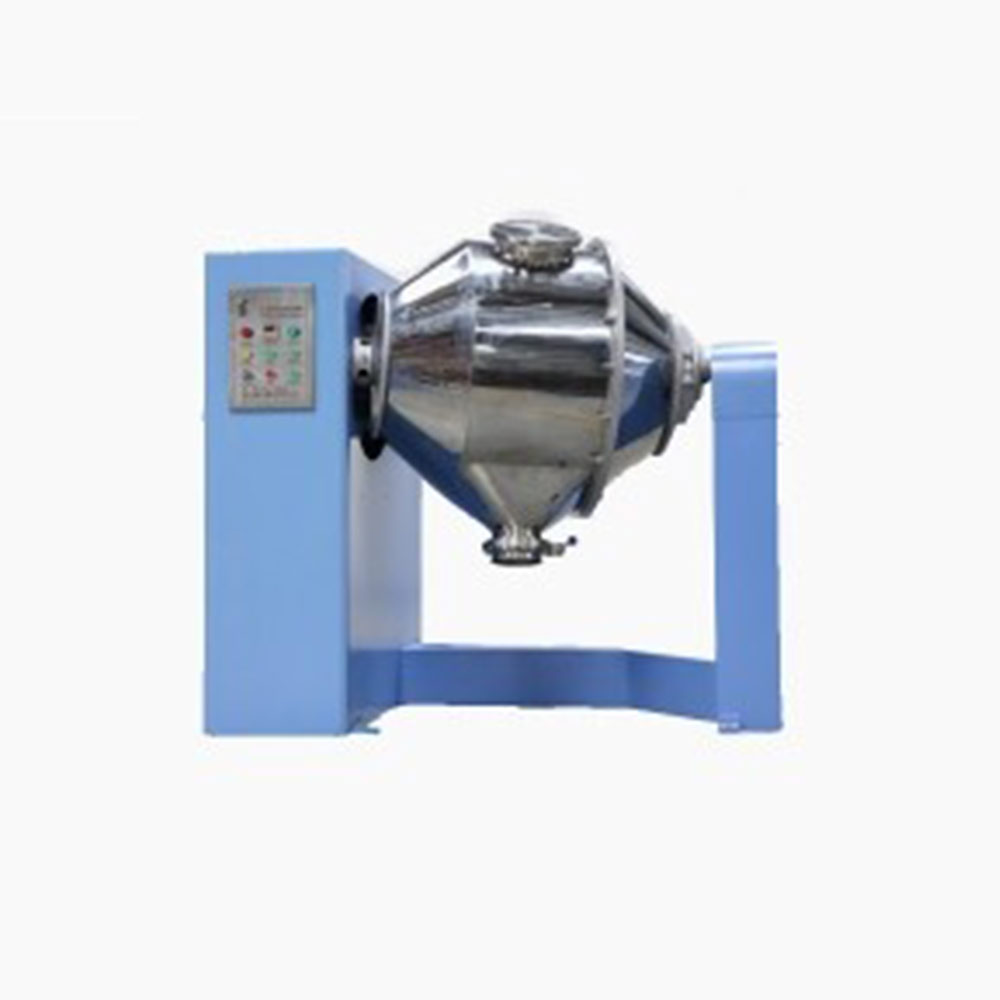
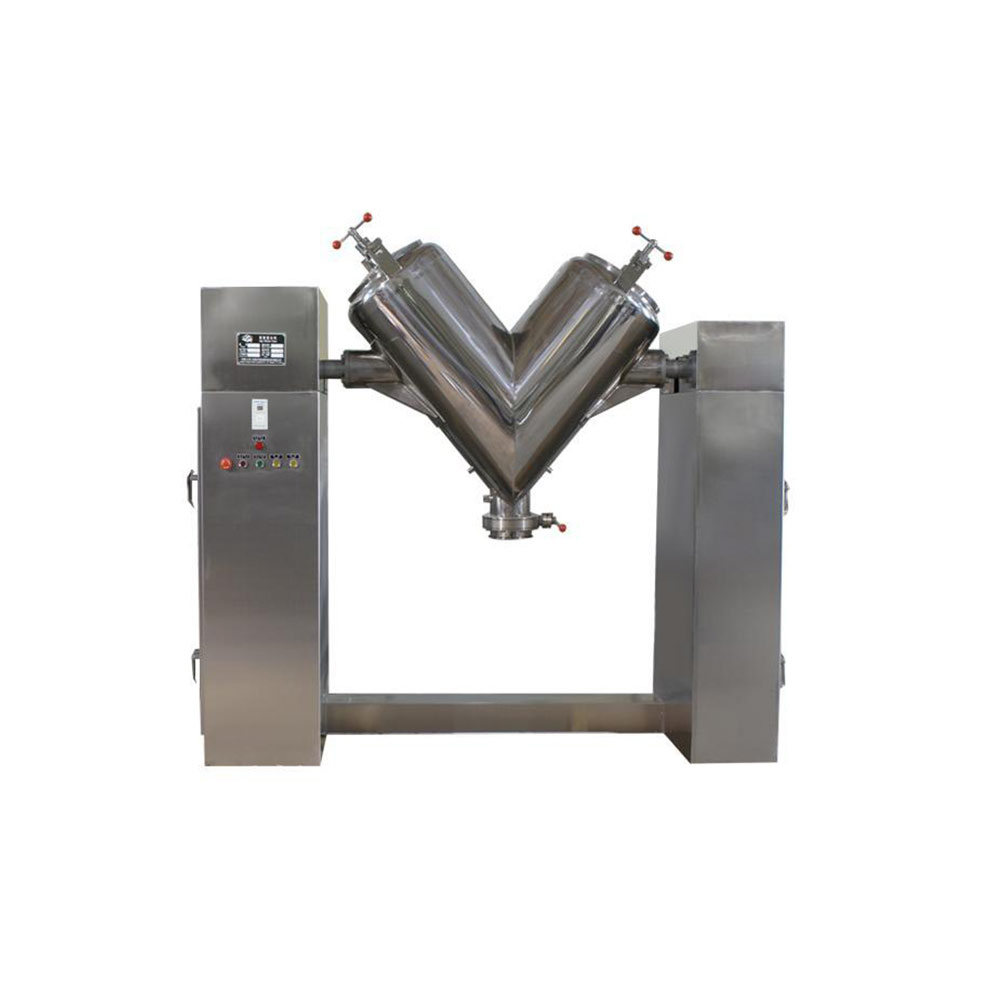
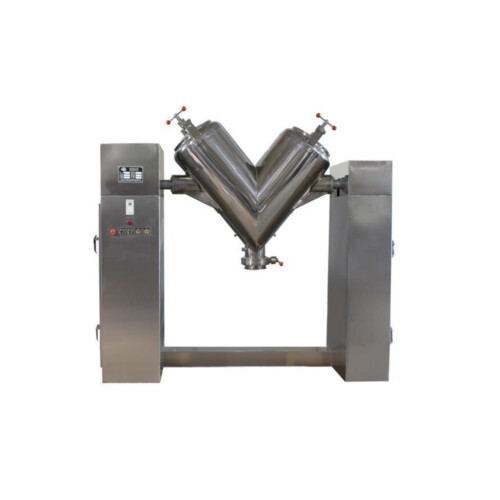
- V-Type Mixers
- 3D Motion Mixers
- Customized mixing systems and complete mixing lines
The most suitable mixer depends on your materials, production capacity, mixing ratio, required mixing time, and process conditions.
Mixer capacity should be evaluated using both the total vessel volume and the effective working volume. The required volume depends on material bulk density, batch weight, filling ratio and the mixing principle of the selected machine. A mixer should not normally be filled to its total geometric volume because sufficient space is required for material movement and effective mixing. For this reason, selecting a mixer based only on vessel volume can result in an unsuitable configuration.
The appropriate industrial powder mixer depends on several factors, including:
- Material characteristics
- Bulk density
- Particle size
- Required mixing uniformity
- Batch size or production capacity
- Moisture content
- Whether heating or drying is required
- Whether liquid addition is required
- Required discharge configuration
- Production and automation requirements
Vortex provides different powder mixer designs so that equipment can be selected according to the specific process requirements.
Vortex powder mixer selection depends on several factors, including:
- Material type and characteristics
- Bulk density and particle size
- Material flowability
- Moisture content
- Viscosity
- Mixing ratio
- Batch size or required production capacity
- Whether liquid addition is required
- Required mixing uniformity
- Temperature, pressure, vacuum, or other process requirements
Vortex engineers can recommend a suitable powder mixer based on your material and process requirements.
Yes, We can supply simple stand alone panels or automated PLC controlled systems. We normally install and test all controls on our mixers before they are shipped.
Yes, we normally test the mixers before they are shipped and mark out the wire need to connect on the control box.
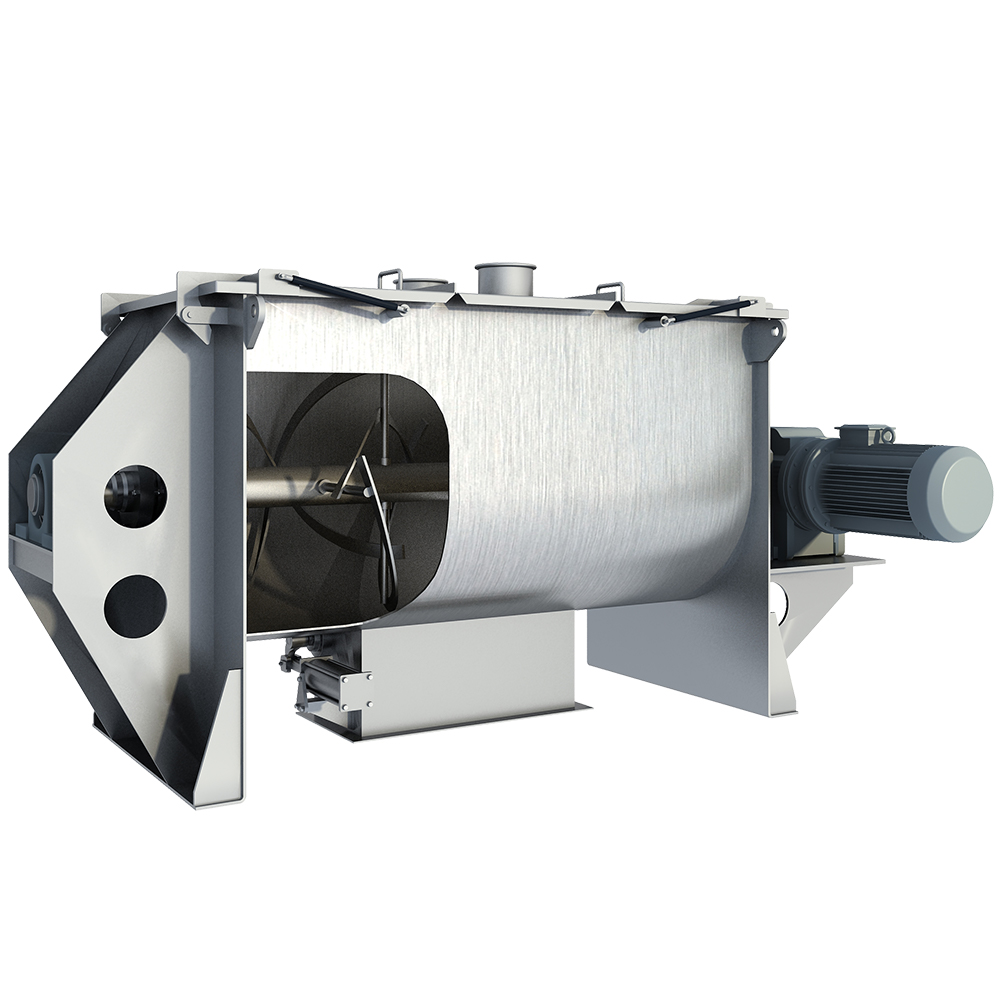
We manufacture specialty mixing equipment for powder & bulk materials. Included are ribbon blender, plough mixer, conical screw mixer, twin shaft paddle mixer, V blender, double cone blender and other auxiliary equipment such as screw conveyor, quantitive auger filler.
We sell across the world, our cusotmers distribute 5 continents.
Share Us With Your Network
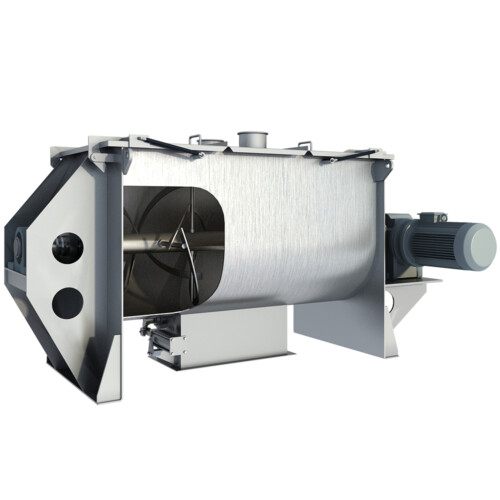
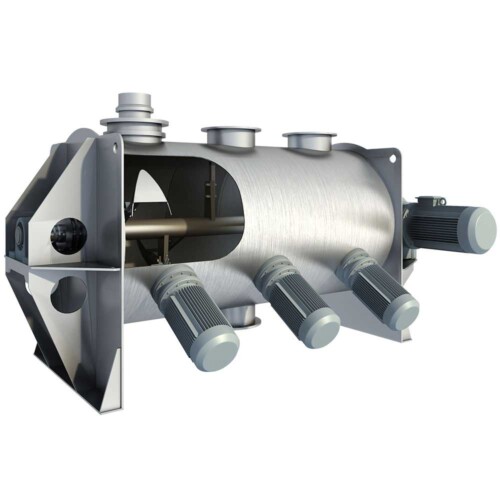
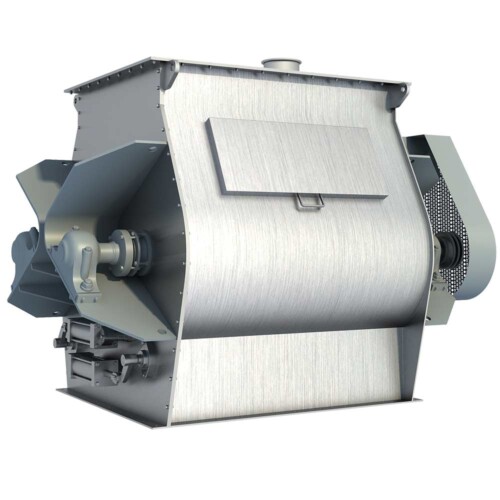
Specifying ribbon blender mixer
The multi-purpose ribbon blender mixer
The classic ribbon blender mixer is a familiar sight in production floors across the food & beverage, chemical, pharmaceutical, plastic, agricultural and other industries. Due to its versatility and economy, the ribbon blender is often the best choice for most mainstream blending applications.
Engineers tasked with procuring a new blender must recognize the different features and options that are available to optimize efficiency with respect to a specific application. Customizing the multi-purpose ribbon mixer blender to meet your own process needs does not have to entail drastic costs. A simple but comprehensive review of key process details helps guarantee that your equipment is not underspecified or over-engineered.
Some blender selection and specification considerations
•The desired batch volume determines the size of the blender but product bulk density determines if a standard or heavy-duty model is required. Industry-wide, most standard ribbon blenders can typically handle bulk densities of around 600 kg/m3. More robust blenders are available for denser products. If you are producing different blends in one blender, factor in the lowest and highest densities to calculate the right blender capacity and motor size. Keep in mind that optimal mixing in a ribbon blender requires enough batch material – equivalent to at least 30-40% of the rated volumetric capacity.
•Material of construction on the wetted parts must be compatible with all raw materials that will be processed in the blender. This includes the trough, cover, agitator, discharge valve as well as the spray bar and safety grating, if any. Internal surfaces must be well-polished and each weld should be radiused to prevent material buildup.
• The most reliable drive design for a ribbon blender is a one-piece motor reducer or gearmotor. This direct drive arrangement is cleaner and more compact compared to antiquated chain and belt drives. It also reduces noise in the plant and eliminates maintenance headaches. Gearmotors are designed to work well with electronic inverters which provide enhanced speed control, overload protection and adjustable starting torques.
• The ribbon agitator can be supplied with an interchangeable paddle-style agitator which is recommended for gentler blending of fragile applications.
• To reduce dusting, use clamps to secure the gasketed cover and a dust-tight knife gate discharge valve (or a ball valve if you also need the blender to be liquid-tight).
• Install lantern rings on the packing gland when handling fine or abrasive powders. Maintaining a slight positive pressure of air during blending will prevent particles from penetrating the ribbon blender’s stuffing box and wearing the shaft.
• Testing is very useful in confirming blend quality and batch times. Ask your blender manufacturer about testing services or rental/trial programs. The latter is an excellent resource that allows you to put new ideas for process improvements to the ultimate test – in actual production.
Ask An Expert