Ask An Expert
Frequently Asked Questions
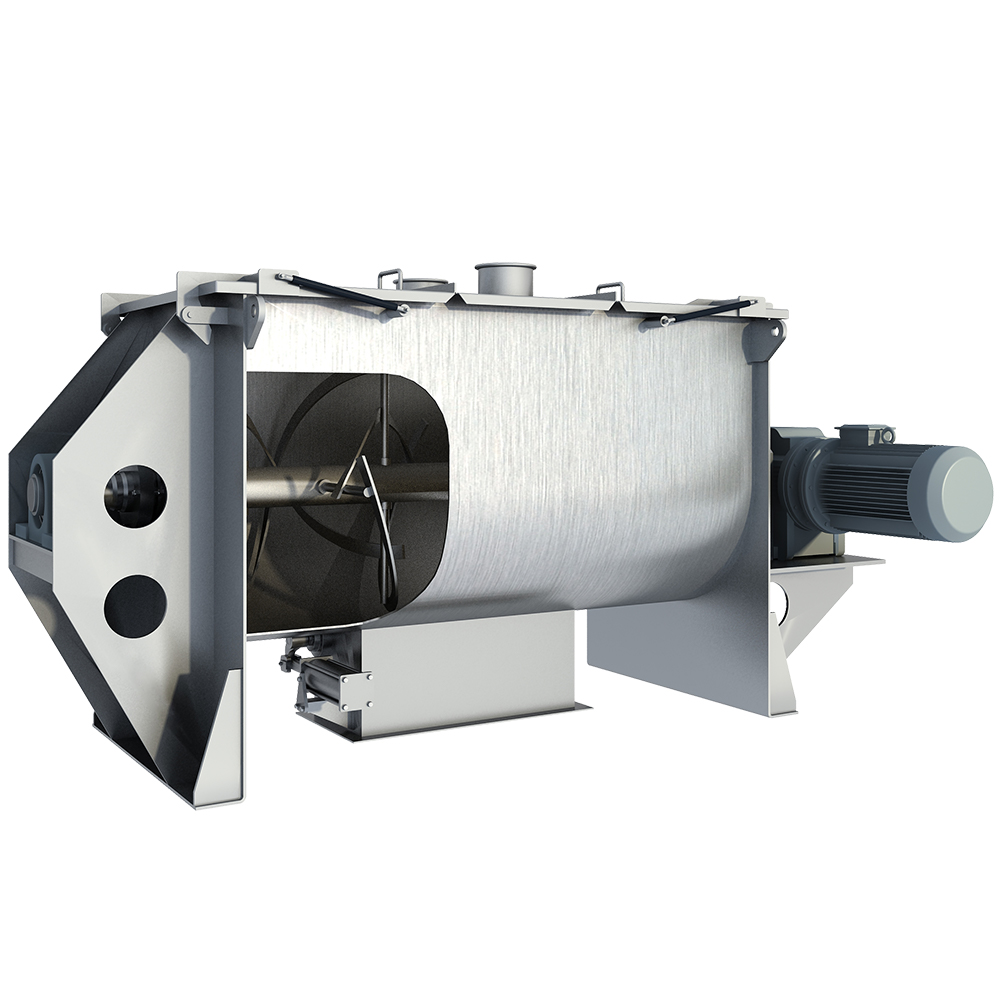
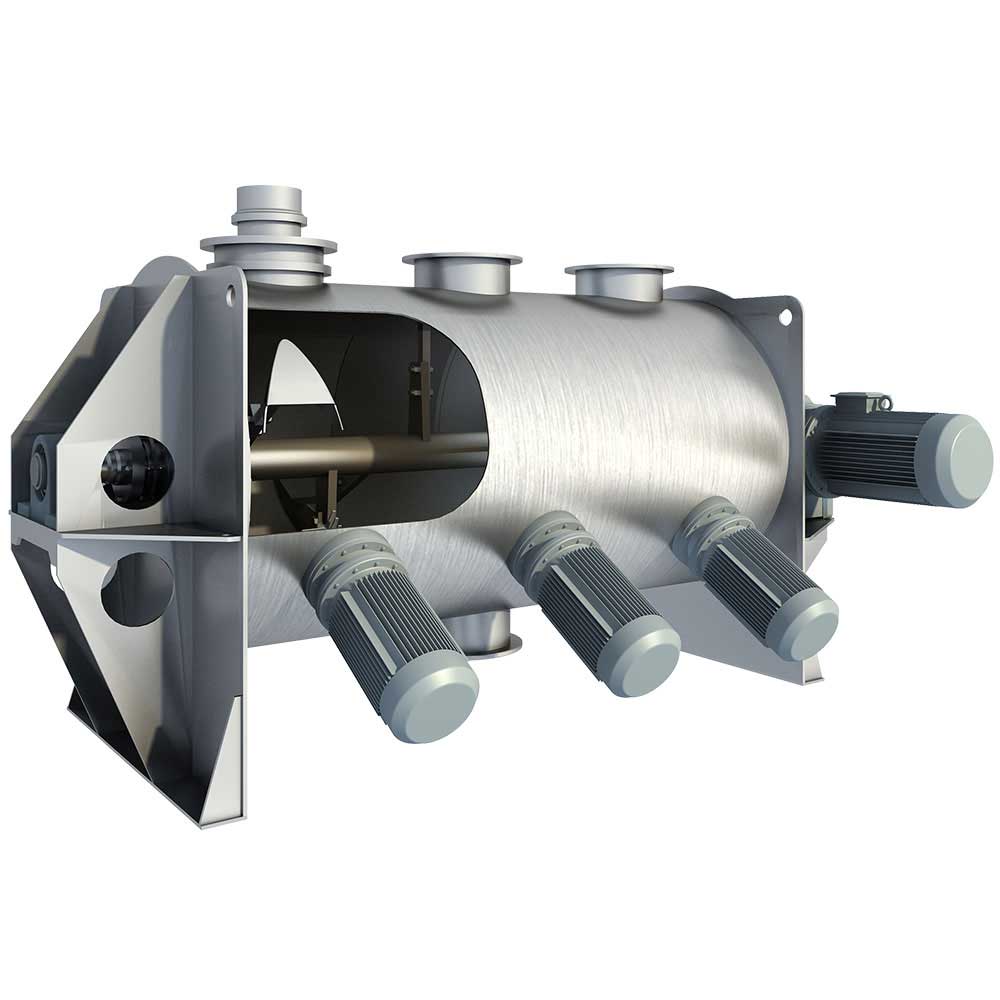
A Ploughshare Mixer is often suitable for materials that tend to agglomerate.
Its plough-shaped mixing tools generate intensive circulation of the material, while optional high-speed choppers can break up lumps and agglomerates during mixing.
The final selection should be based on the material characteristics and process requirements.
Vortex mixers are designed for a wide variety of powders, granules, and powder-liquid mixtures.
Typical applications include chemical powders, food ingredients, pharmaceutical powders, animal feed, dry mortar, ceramics, battery materials, fertilizers, pesticides, minerals, refractory materials, and other bulk solids. The actual mixer configuration should be selected according to the physical and chemical properties of the material.
Vortex manufacture a wide range of industrial powder and bulk solids mixing equipment, including:
- Horizontal Ribbon Mixers
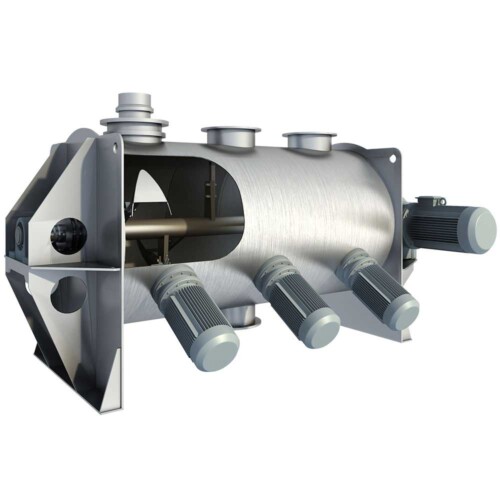
- Ploughshare Mixers
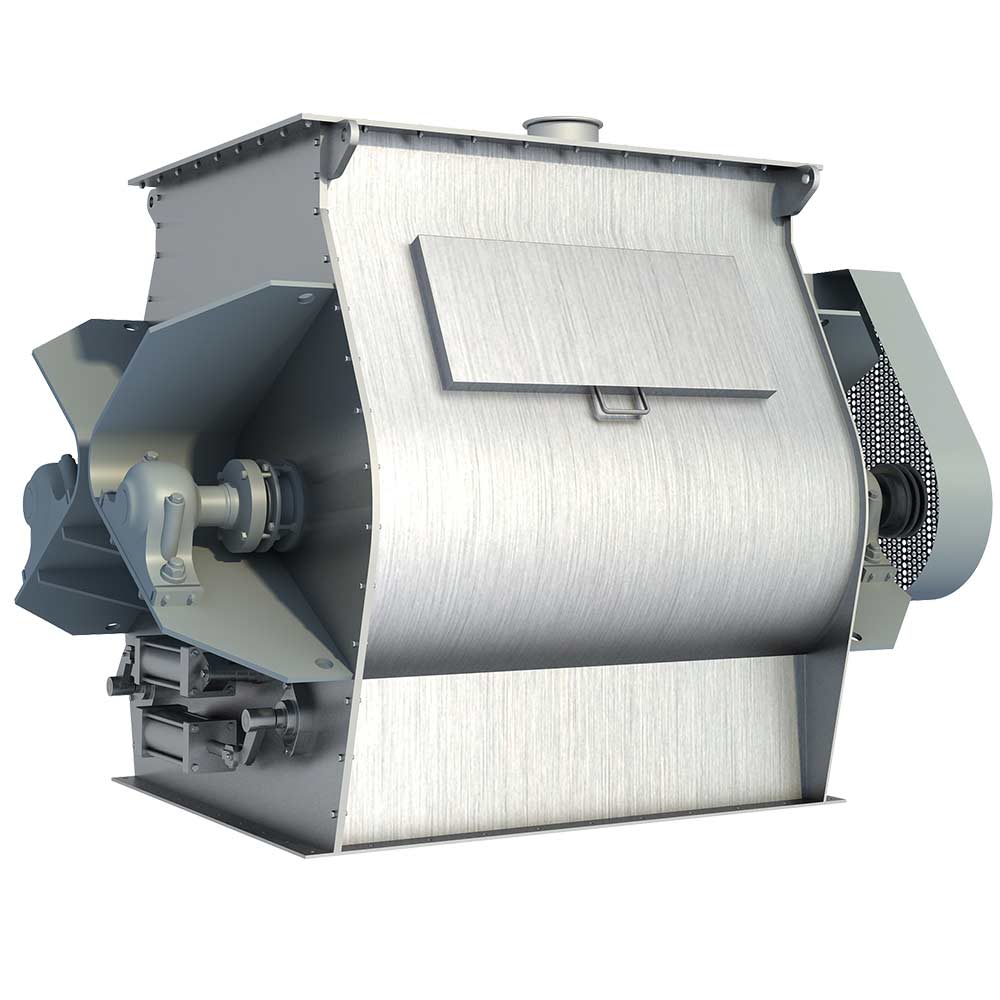
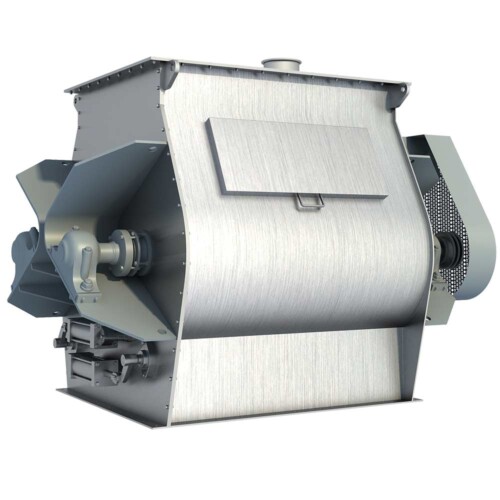
- Double Shaft Paddle Mixers (Paddle Mixers / “No-Gravity” Mixers)
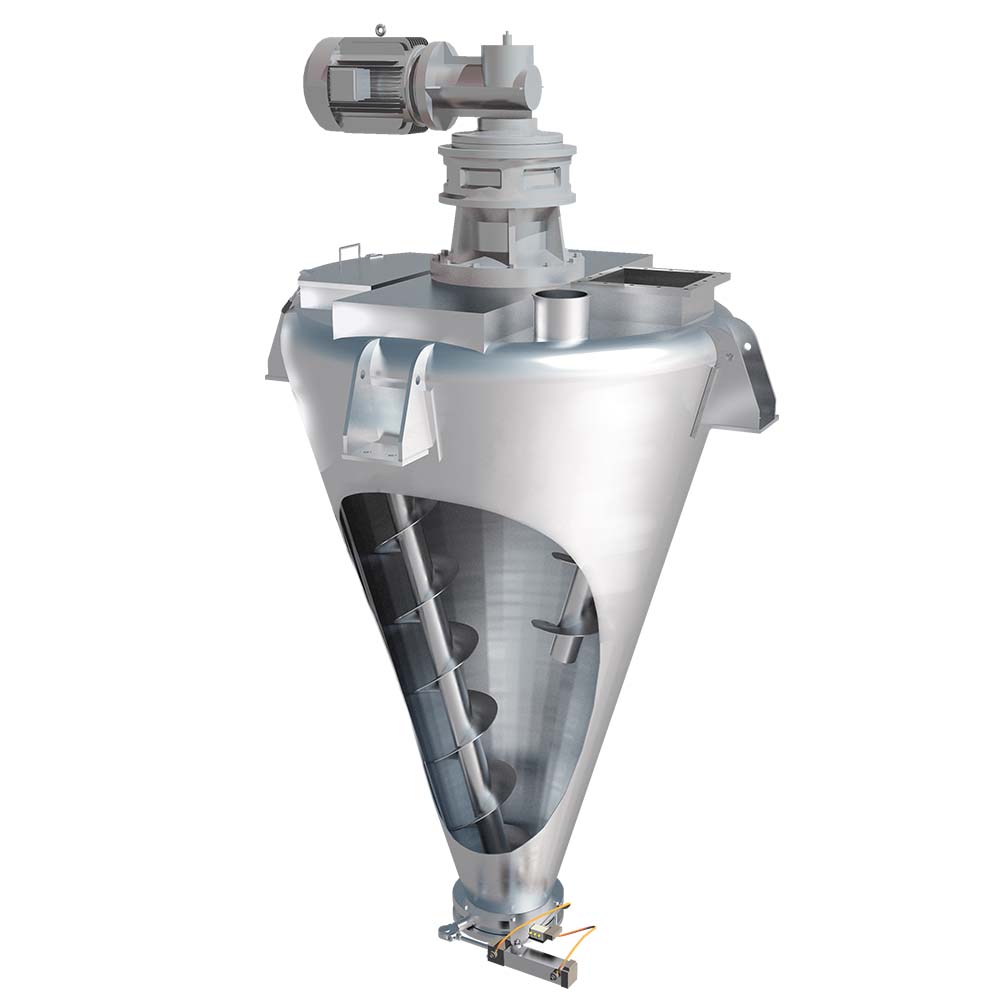
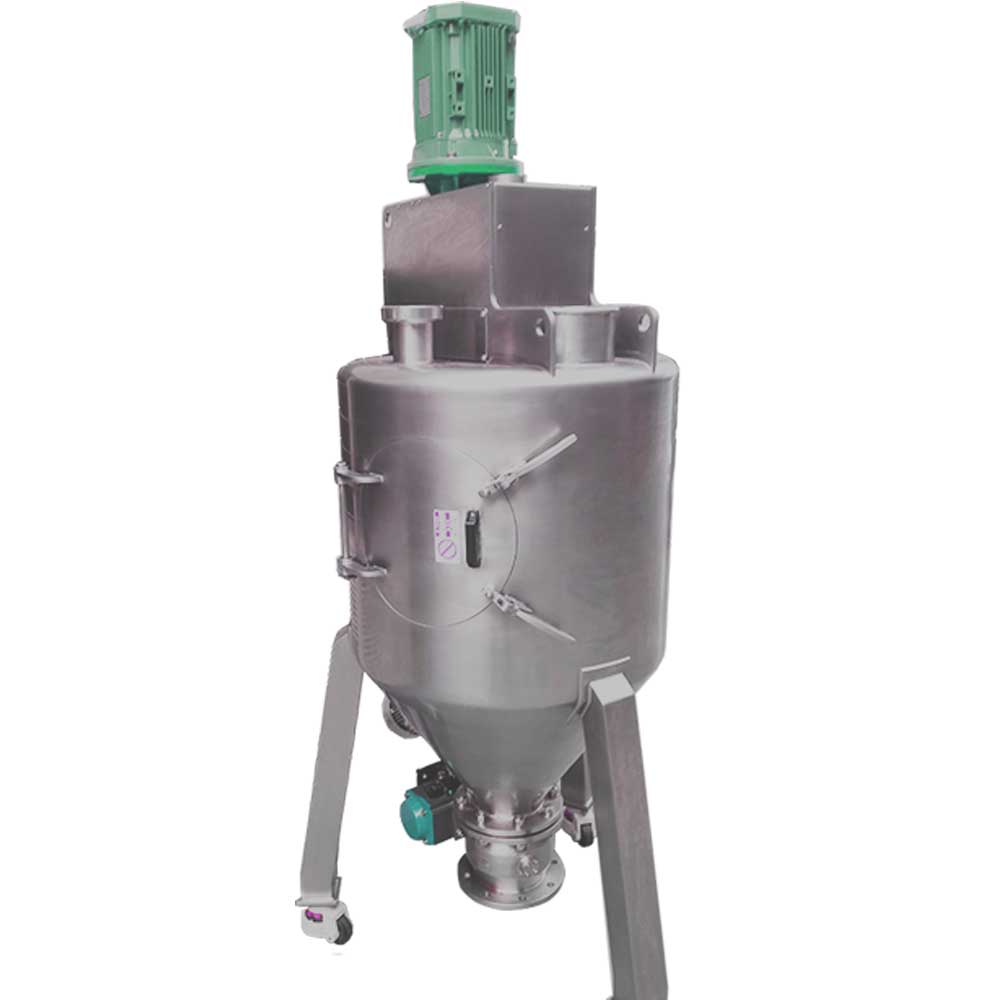
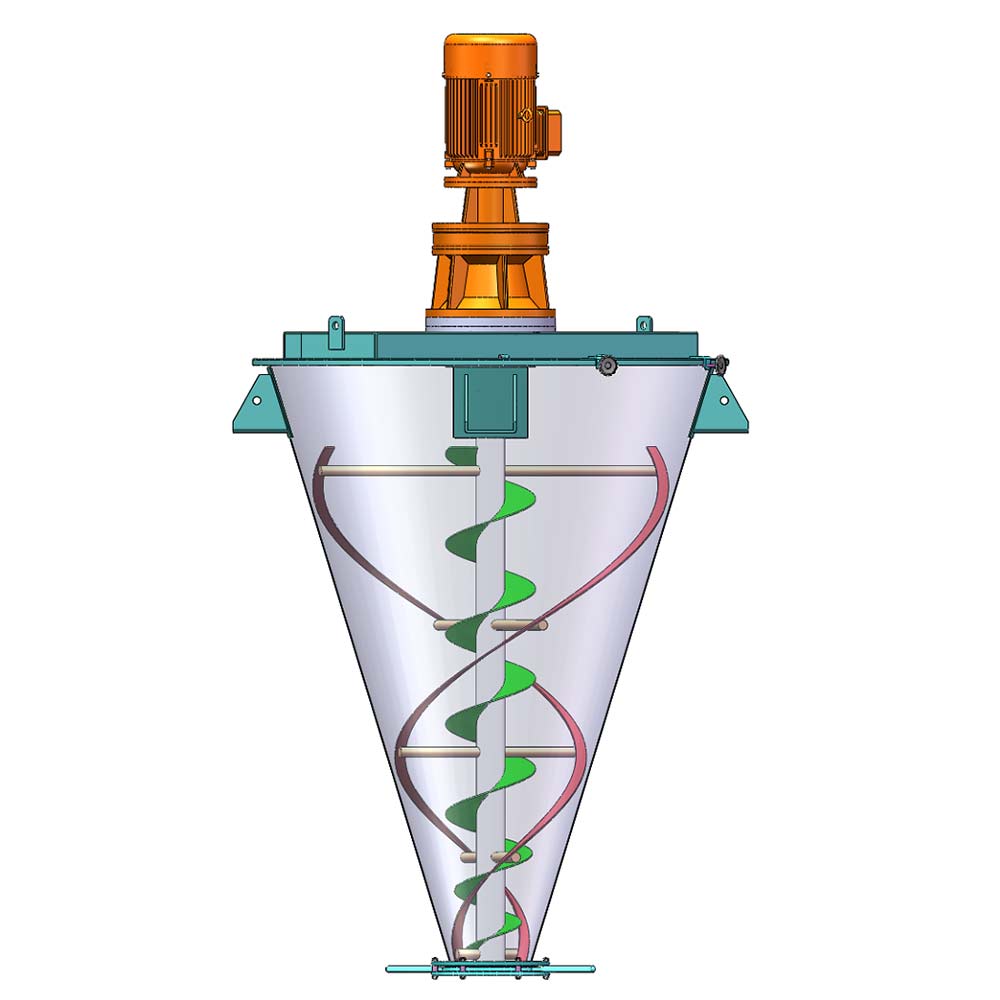
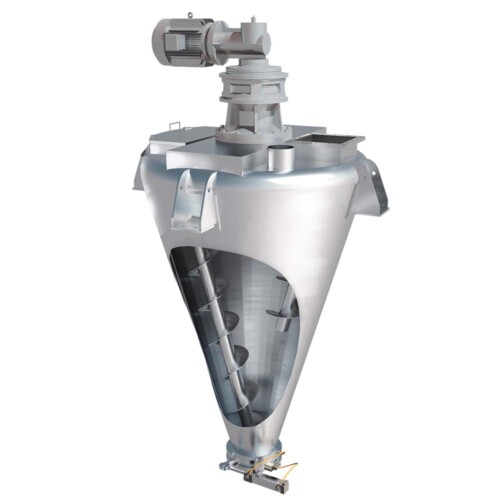
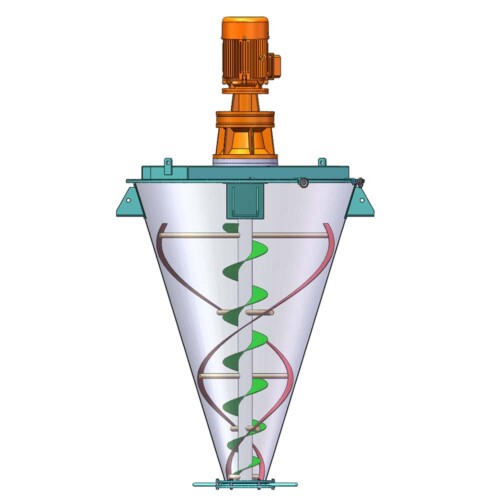
- Conical Twin-Screw Mixers
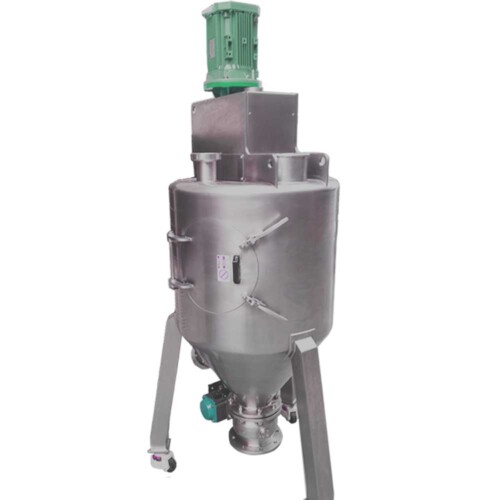
- Vertical Screw Ribbon Mixers
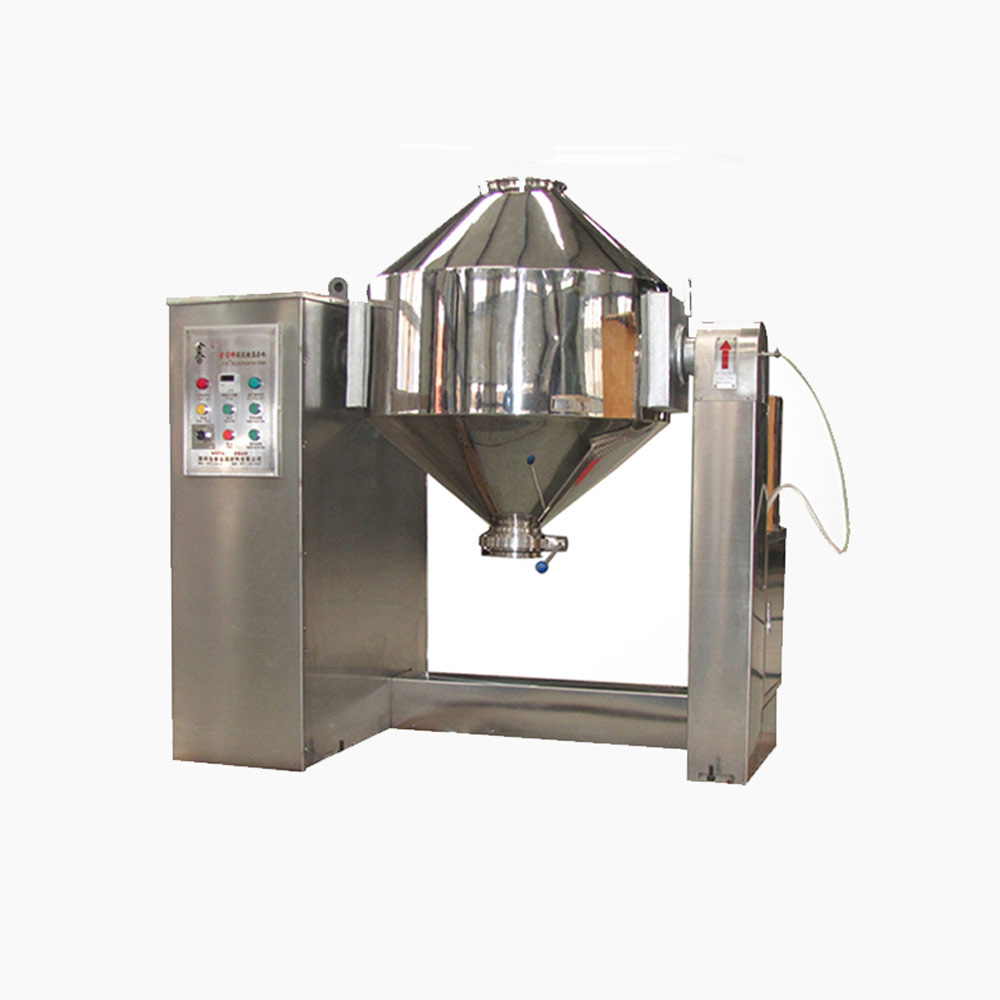
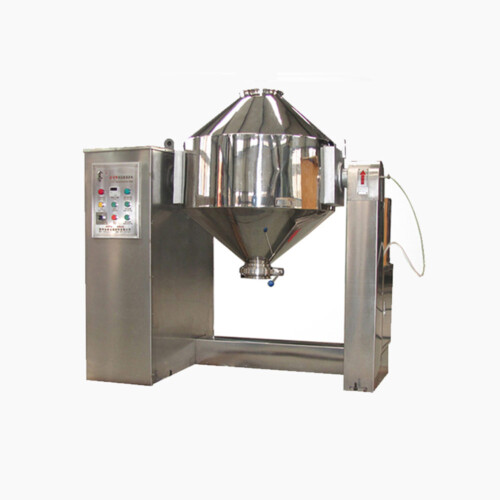
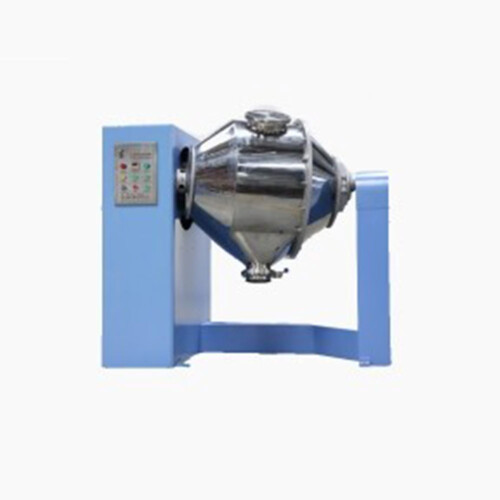
- Double Cone Mixers
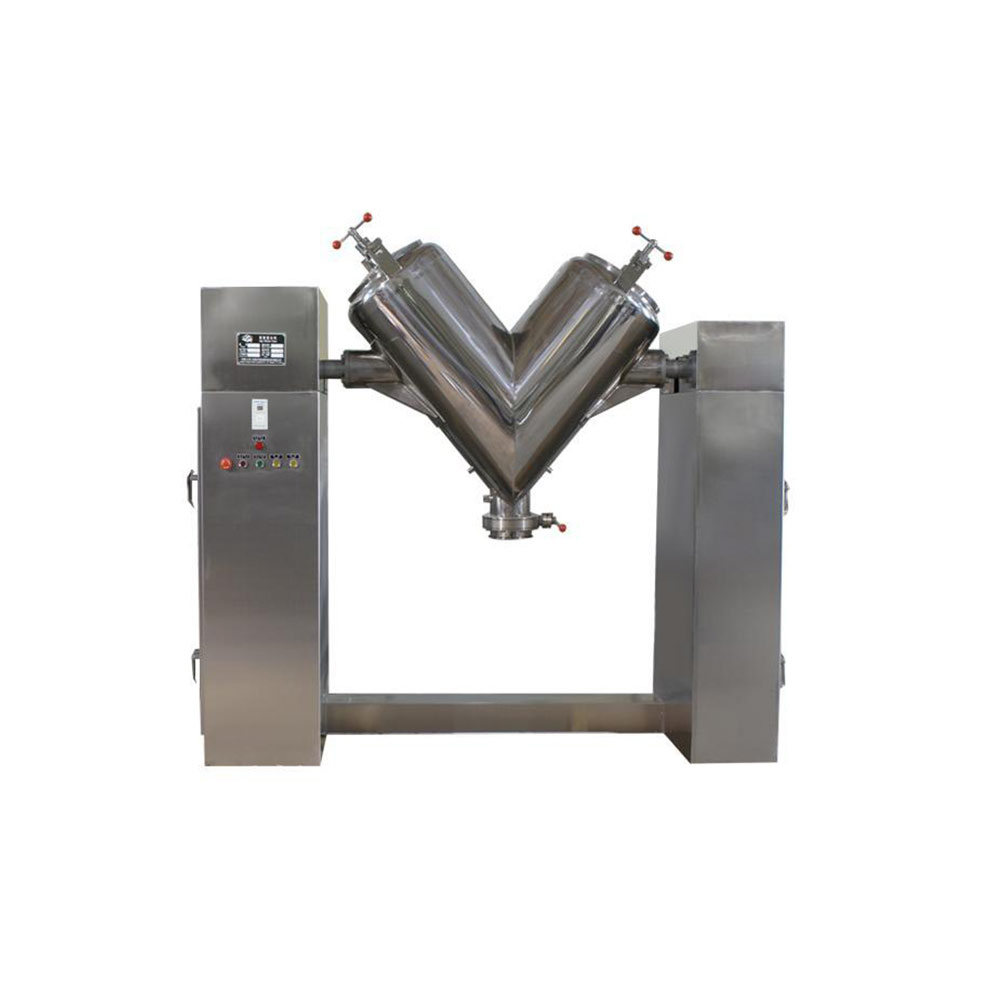
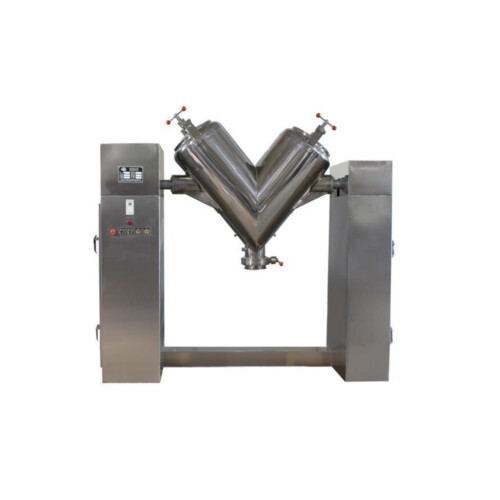
- V-Type Mixers
- 3D Motion Mixers
- Customized mixing systems and complete mixing lines
The most suitable mixer depends on your materials, production capacity, mixing ratio, required mixing time, and process conditions.
Mixer capacity should be evaluated using both the total vessel volume and the effective working volume. The required volume depends on material bulk density, batch weight, filling ratio and the mixing principle of the selected machine. A mixer should not normally be filled to its total geometric volume because sufficient space is required for material movement and effective mixing. For this reason, selecting a mixer based only on vessel volume can result in an unsuitable configuration.
The appropriate industrial powder mixer depends on several factors, including:
- Material characteristics
- Bulk density
- Particle size
- Required mixing uniformity
- Batch size or production capacity
- Moisture content
- Whether heating or drying is required
- Whether liquid addition is required
- Required discharge configuration
- Production and automation requirements
Vortex provides different powder mixer designs so that equipment can be selected according to the specific process requirements.
Vortex powder mixer selection depends on several factors, including:
- Material type and characteristics
- Bulk density and particle size
- Material flowability
- Moisture content
- Viscosity
- Mixing ratio
- Batch size or required production capacity
- Whether liquid addition is required
- Required mixing uniformity
- Temperature, pressure, vacuum, or other process requirements
Vortex engineers can recommend a suitable powder mixer based on your material and process requirements.
Yes, We can supply simple stand alone panels or automated PLC controlled systems. We normally install and test all controls on our mixers before they are shipped.
Yes, we normally test the mixers before they are shipped and mark out the wire need to connect on the control box.
We manufacture specialty mixing equipment for powder & bulk materials. Included are ribbon blender, plough mixer, conical screw mixer, twin shaft paddle mixer, V blender, double cone blender and other auxiliary equipment such as screw conveyor, quantitive auger filler.
We sell across the world, our cusotmers distribute 5 continents.
Share Us With Your Network
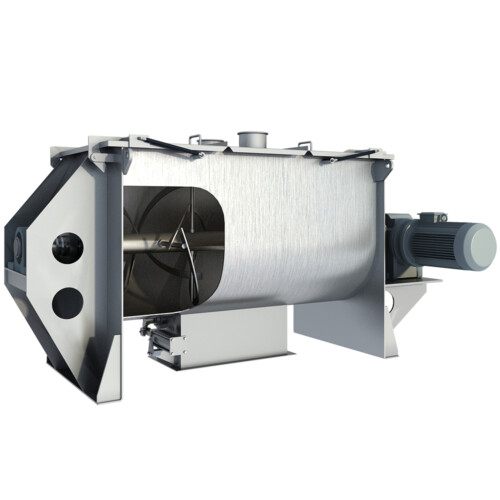
Thermosetting Resin Molding Material Using Ribbon Blender to Make Electronics Product
Customer: Panasonic is one of the largest electronics material manufacturers in the world. They produce thermosetting resin mold material to make insulation application in circuit board.
Project Name: New Building Plant in Guangzhou, China for supplying resin mold material in East Asia.
Raw Material Information: Thermosetting resin molding material will not get melted if meet heating.
Bulk Density: 0.7 g/cc
Corrosive: A bit
Abrasive: Yes
Angle of repose: 33 degree
Flow-ability: Not good
Solutions we offered to customer:
1. Plant structure dimension issue
Considering the plant is old existing one which was built by concrete floor structure, the plant dimension is very limited for placing two ribbon blenders in it. Through site dimension measure and discussion with customer, we designed chain drive type and motor installed on side and U vessel installed on platform directly to keep minimum height of the mixer.
2. Abrasive and corrosive issue
Due to raw material with big abrasive feature and corrosive, normal stainless steel is not suitable for this kind of material. So, we analyze the chemical component feature of steel and choose duplex stainless steel (S22053) for ribbon agitator, vessel and all material contact part. Duplex stainless steel is extremely corrosion resistant and hardenable alloys. Strengths of duplex stainless steel is double than normal austenitic stainless steel.
3. Seal Part issue
The customer’s material is very fine and light. If we use normal packing seal + air purge seal for ribbon blender, it will make much air go into vessel which will not good for material. So, we choose double layer packing seal adding air purge seal to avoid much air blow in vessel and we keep air pressure around 0.1-0.2 Mpa.
4. Ribbon Clearance
As we know that ribbon blender consists of U shape vessel, the bottom is semi-circle shape. Considering the resin material is a bit sticky, the customer want make the clearance between ribbon and semi-circle vessel (180 degree) around 5mm. So, it is a big challenging for us because generally speaking, the clearance is between ribbon and bottom of vessel not semi-circle vessel. In order to meet customer’s requirement, we make following steps:
A. We increased the thickness of vessel first and use Tensioning Device to keep roundness of semi-circle vessel.
B. Then, in order not to make deformation of vessel during open inspection door on side, we use laser cutting to keep shape and minimize deformation.
C. We use machine tool to process shaft and ribbon. After ribbon welded on shaft, we use machine tool to handle finished shaft finally.
After tested the ribbon blender by customer, the final product residues in ribbon blender after mixing is only 1% which is happy with it by Panasonic Production Manager.
Through Vortex hardworking and cooperation with customer, these two ribbon blenders have been used for three years and haven’t any problems for using. Panasonic worker is happy with our mixer’s quality and good performance which can replace their Japanese local mixer. Panasonic production manager Mr. Masahiko plan to build a new resin molding material product line in Thailand in 2015 and we are discussing details of ribbon blender with customer since June 2014. They want to increase production capacity of their product by 30% at the beginning of 2016.
Ask An Expert