Ask An Expert
Frequently Asked Questions
Vortex mixers are designed for a wide variety of powders, granules, and powder-liquid mixtures.
Typical applications include chemical powders, food ingredients, pharmaceutical powders, animal feed, dry mortar, ceramics, battery materials, fertilizers, pesticides, minerals, refractory materials, and other bulk solids. The actual mixer configuration should be selected according to the physical and chemical properties of the material.
Vortex manufacture a wide range of industrial powder and bulk solids mixing equipment, including:
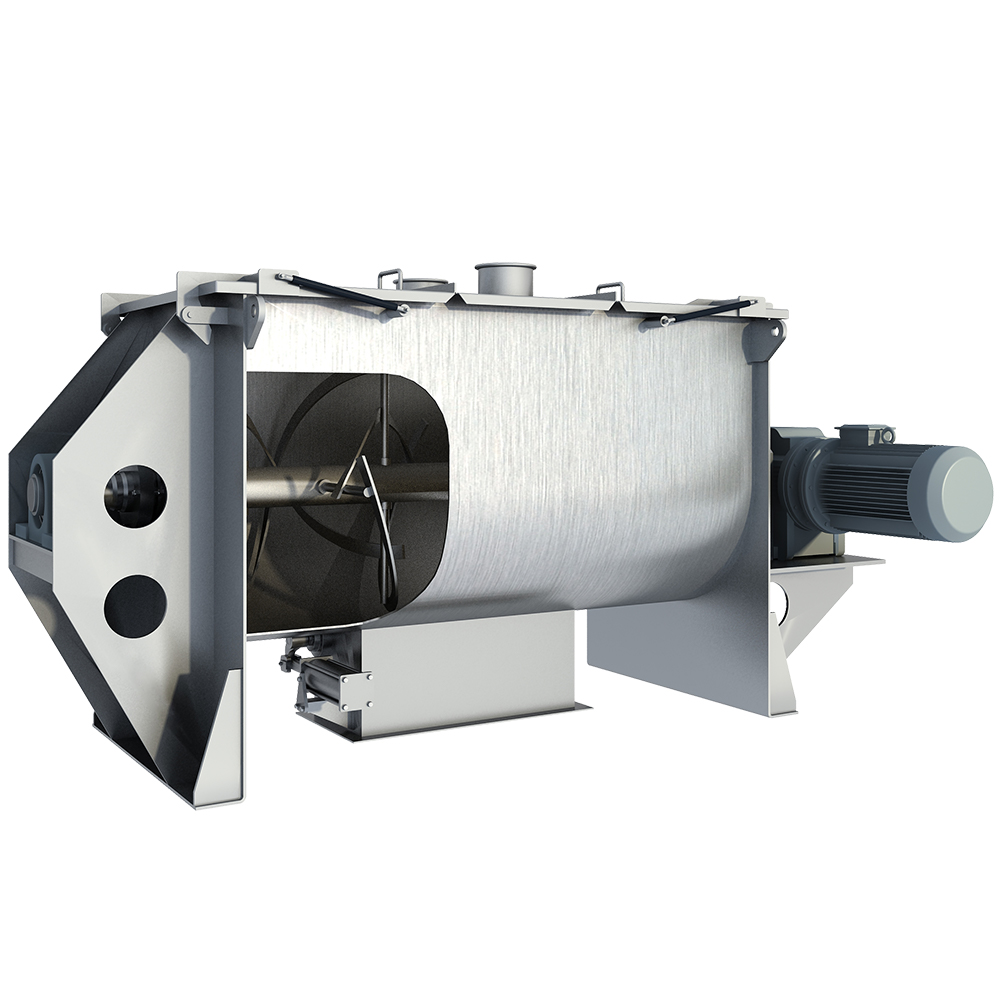
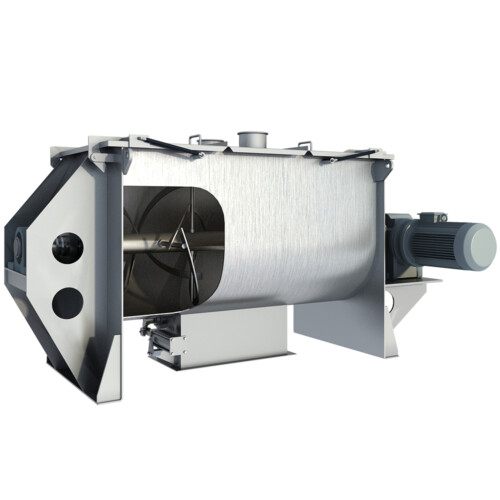
- Horizontal Ribbon Mixers
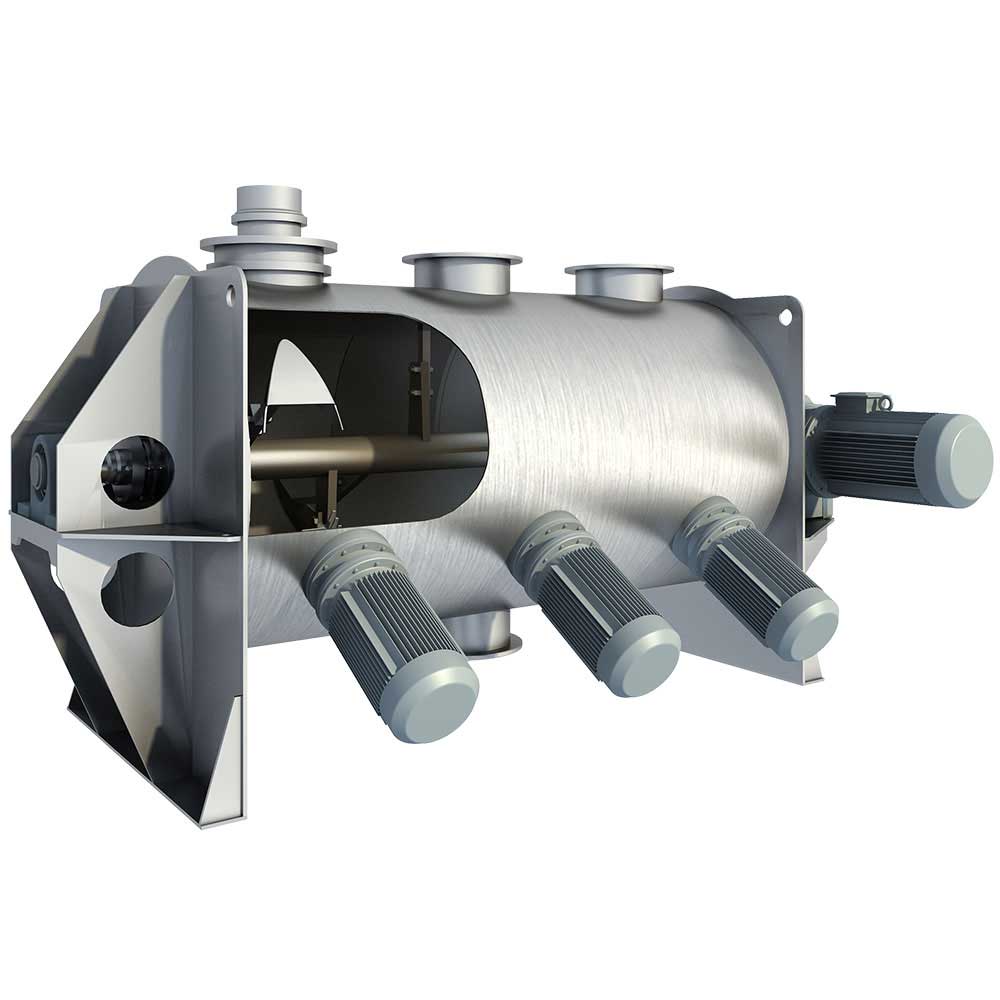
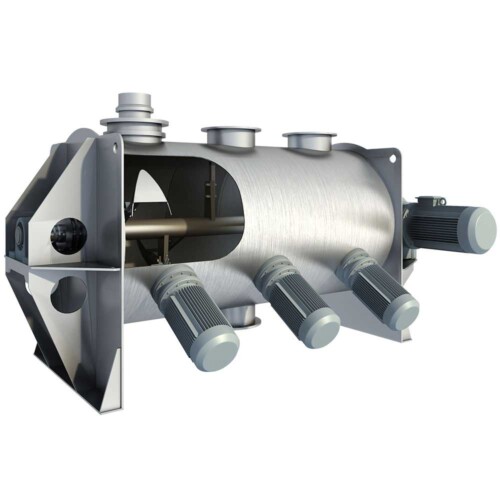
- Ploughshare Mixers
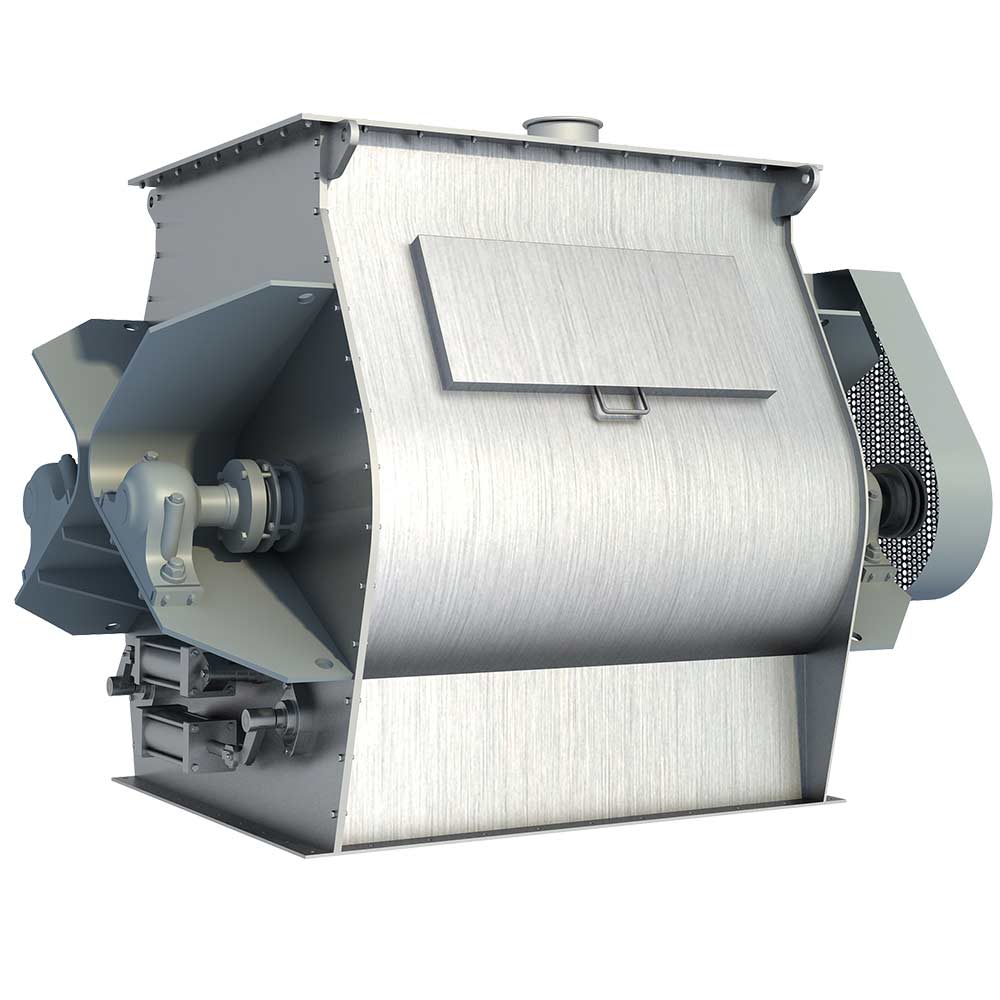
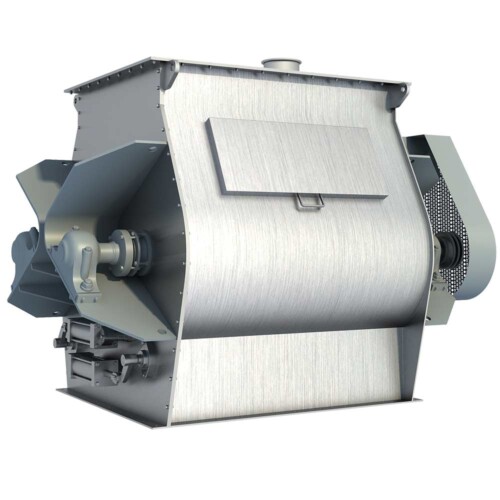
- Double Shaft Paddle Mixers (Paddle Mixers / “No-Gravity” Mixers)
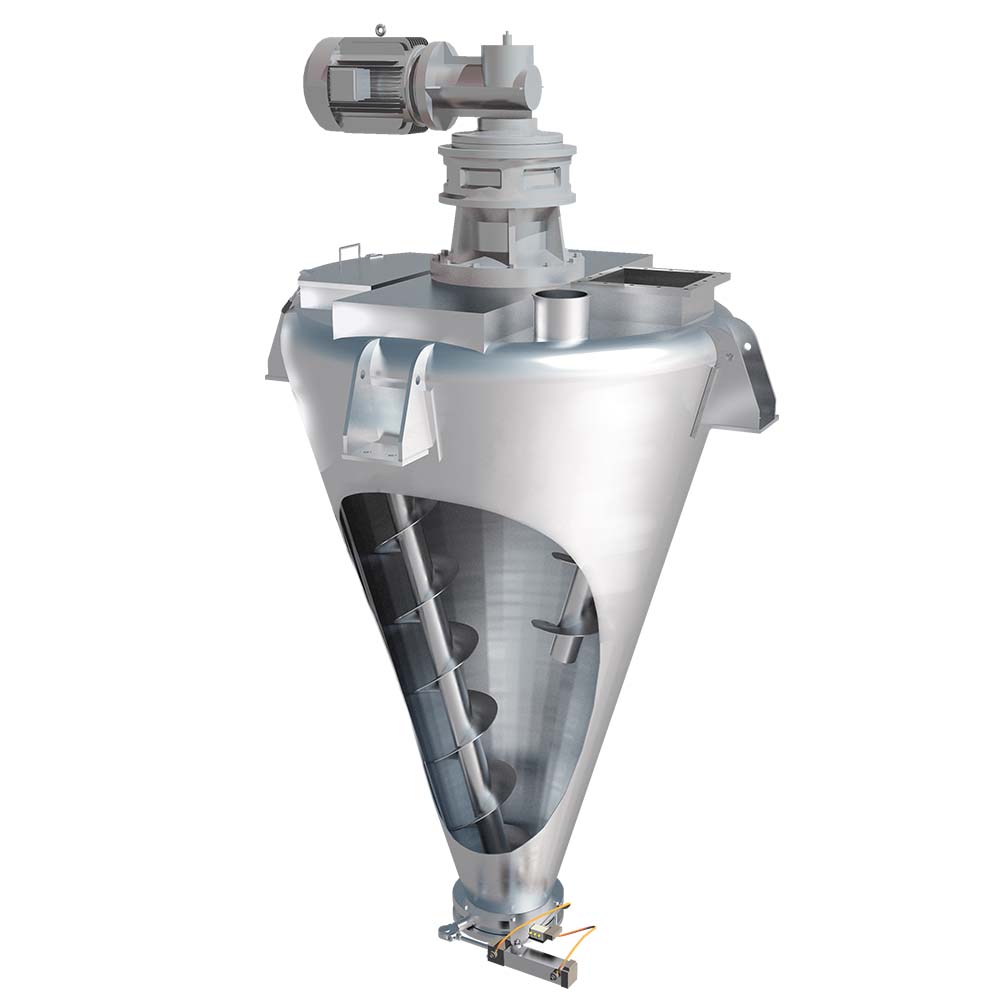
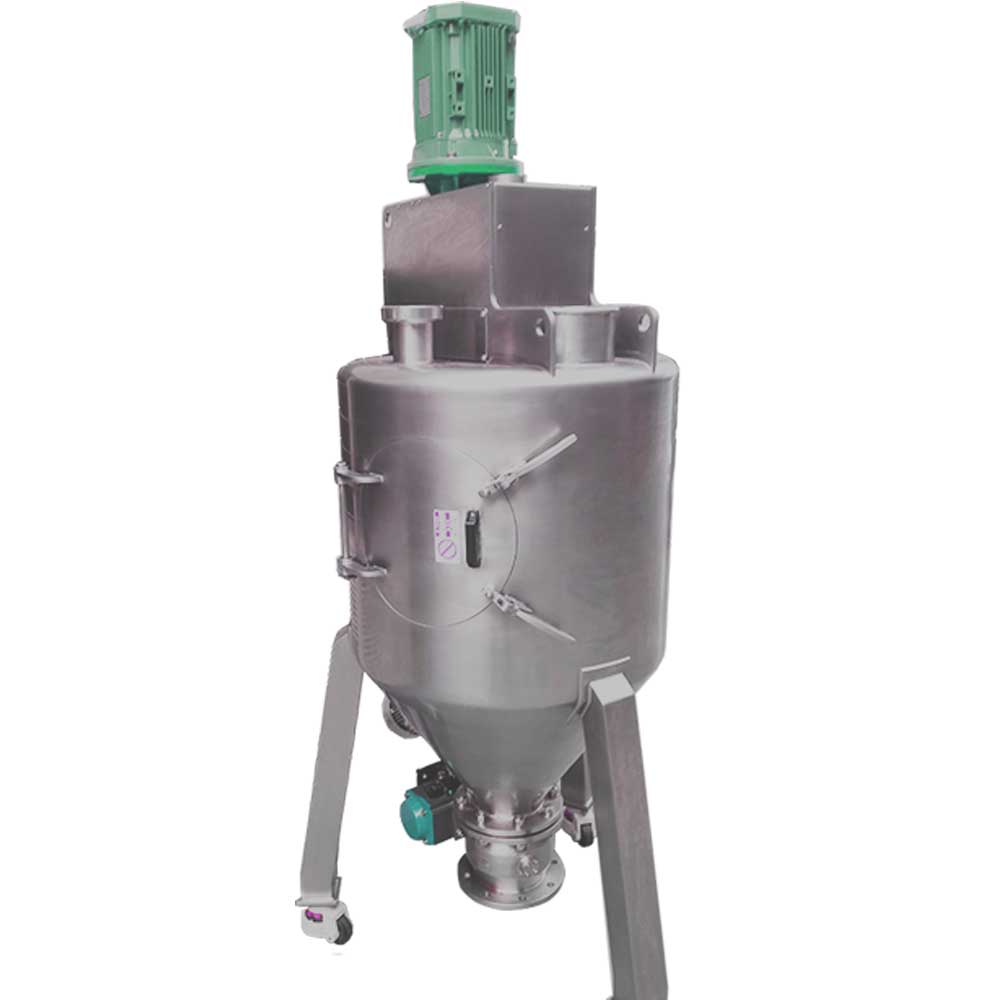
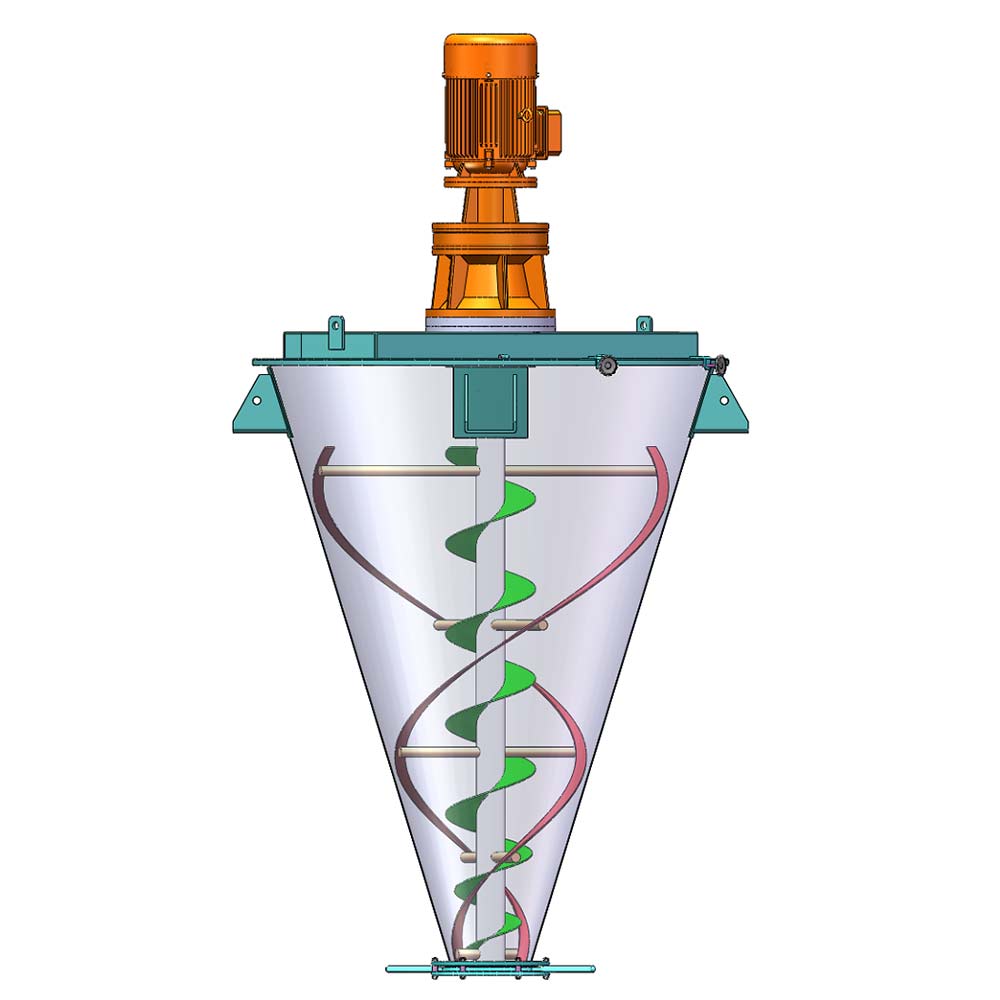
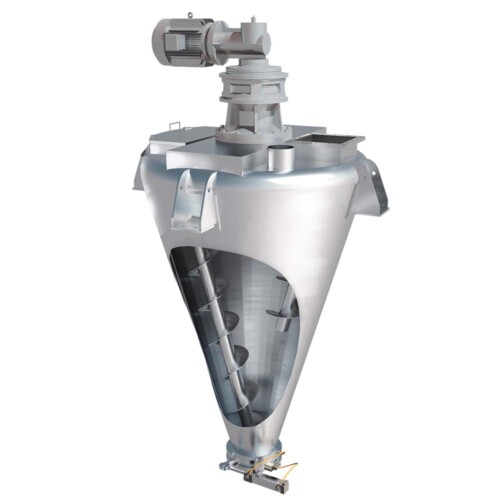
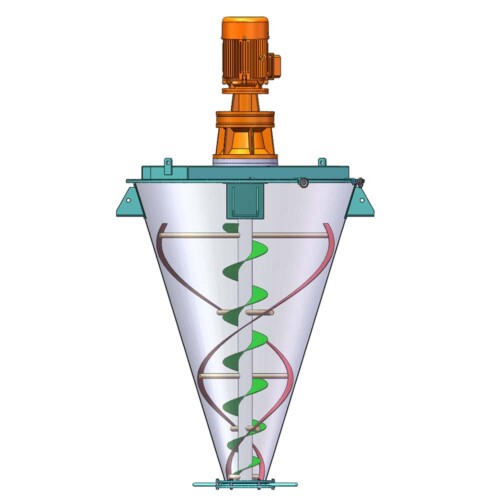
- Conical Twin-Screw Mixers
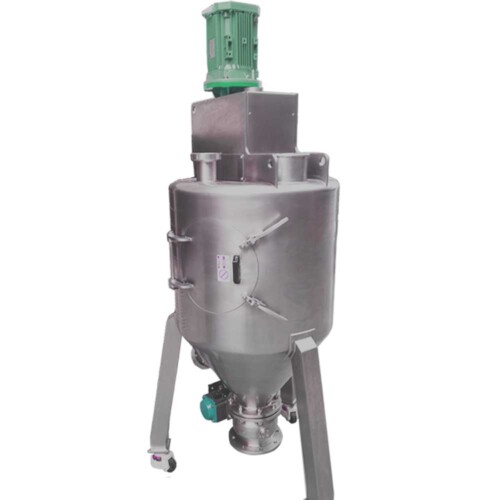
- Vertical Screw Ribbon Mixers
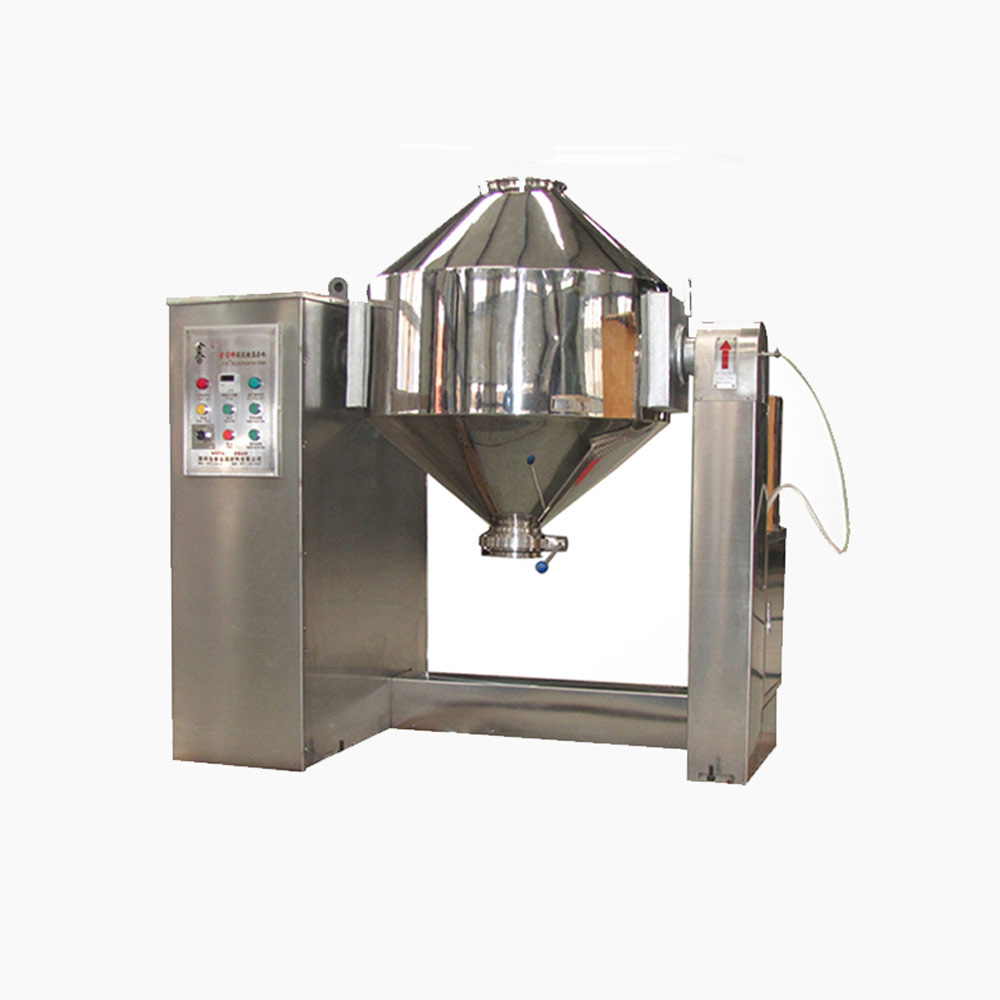
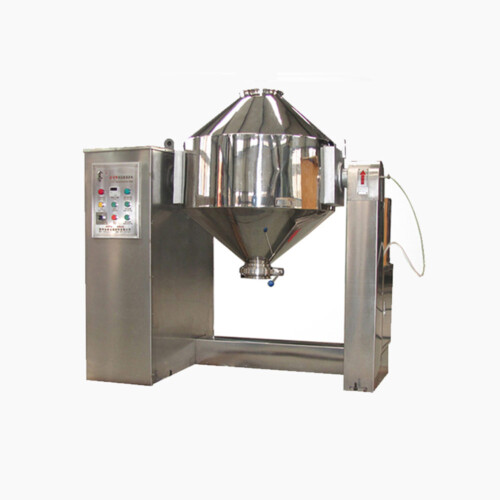
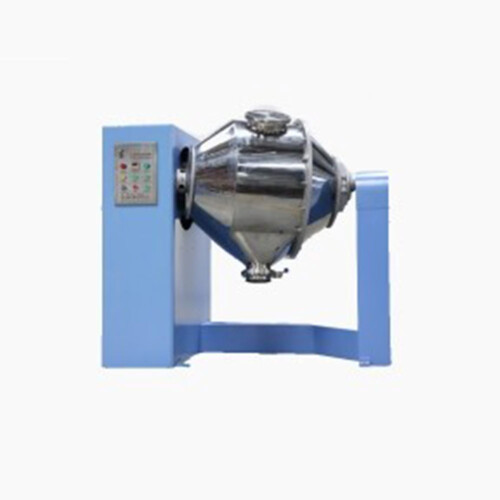
- Double Cone Mixers
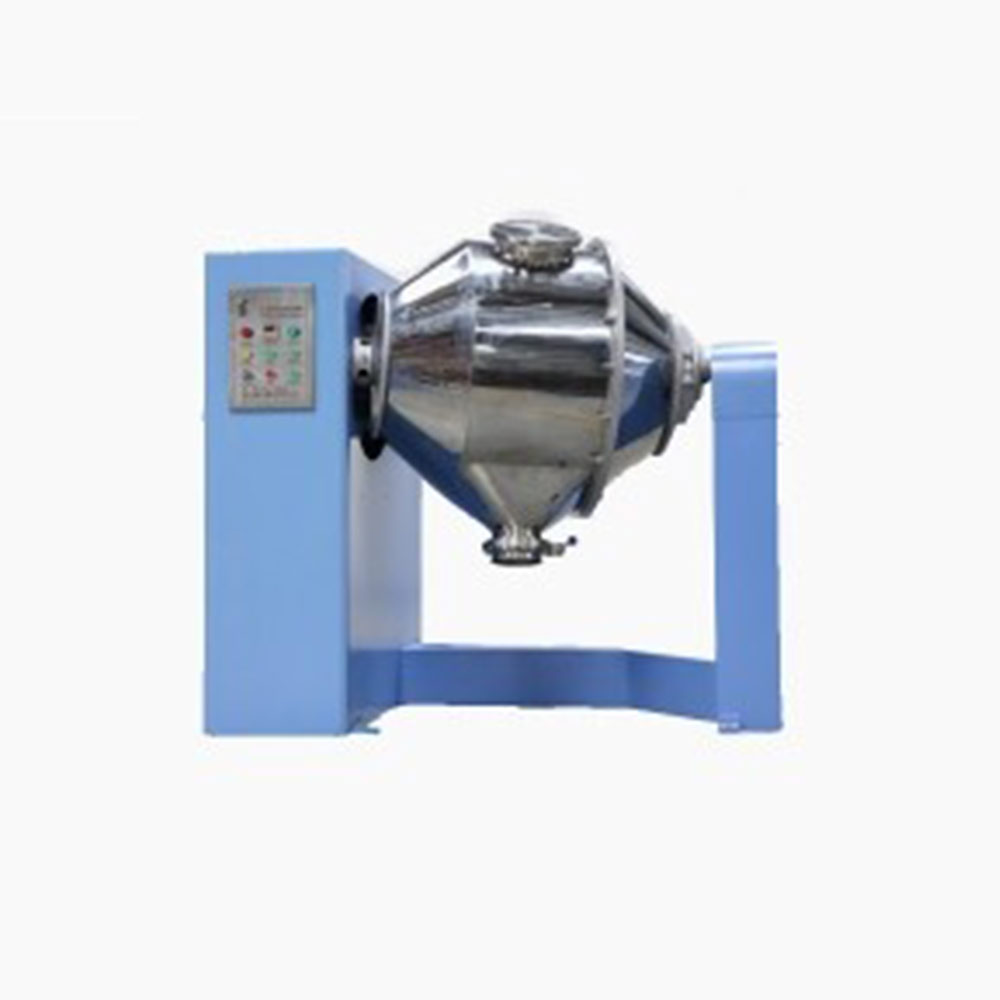
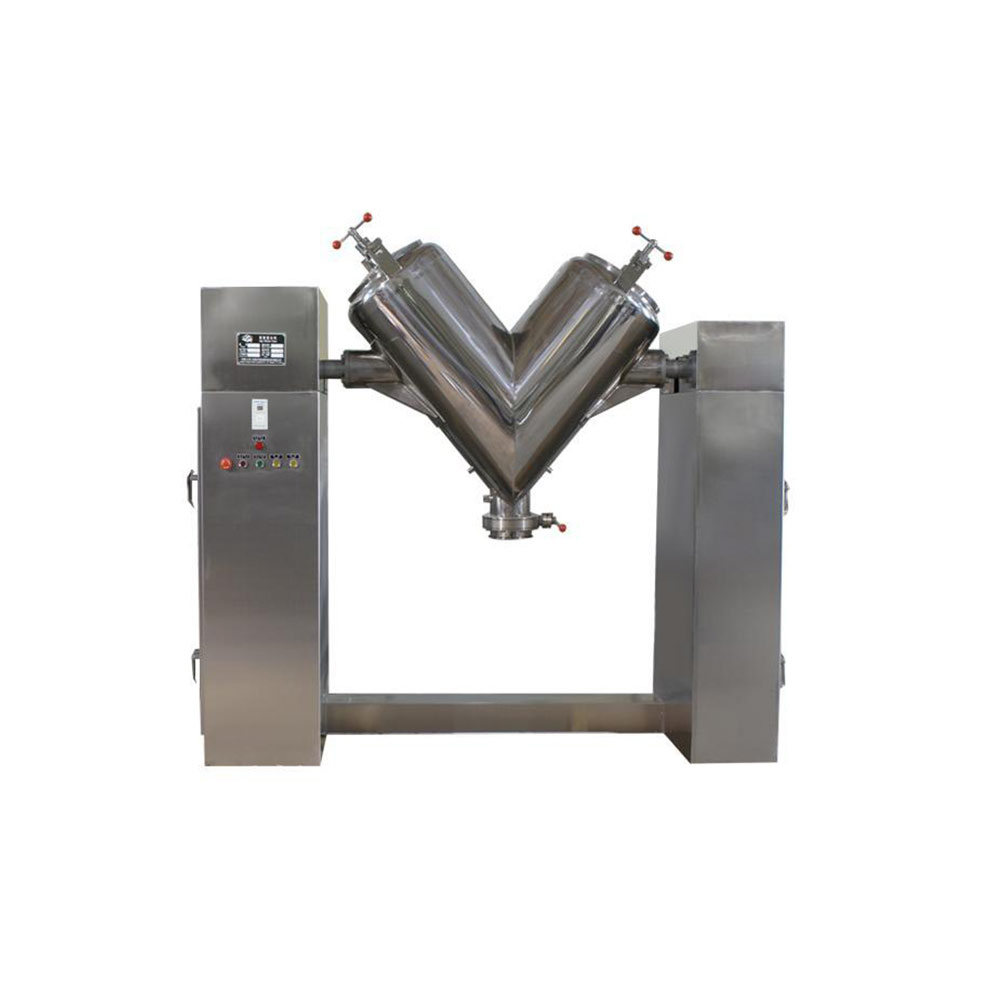
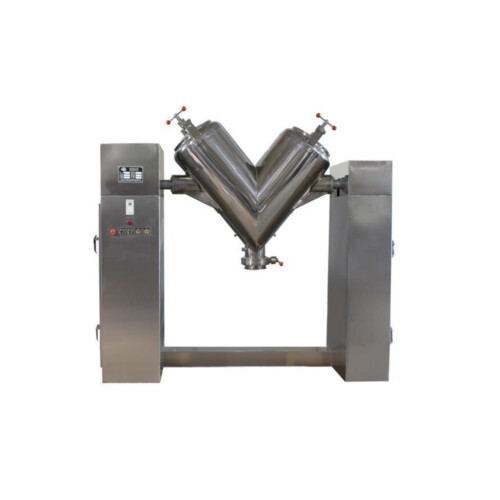
- V-Type Mixers
- 3D Motion Mixers
- Customized mixing systems and complete mixing lines
The most suitable mixer depends on your materials, production capacity, mixing ratio, required mixing time, and process conditions.
Mixer capacity should be evaluated using both the total vessel volume and the effective working volume. The required volume depends on material bulk density, batch weight, filling ratio and the mixing principle of the selected machine. A mixer should not normally be filled to its total geometric volume because sufficient space is required for material movement and effective mixing. For this reason, selecting a mixer based only on vessel volume can result in an unsuitable configuration.
The appropriate industrial powder mixer depends on several factors, including:
- Material characteristics
- Bulk density
- Particle size
- Required mixing uniformity
- Batch size or production capacity
- Moisture content
- Whether heating or drying is required
- Whether liquid addition is required
- Required discharge configuration
- Production and automation requirements
Vortex provides different powder mixer designs so that equipment can be selected according to the specific process requirements.
Vortex powder mixer selection depends on several factors, including:
- Material type and characteristics
- Bulk density and particle size
- Material flowability
- Moisture content
- Viscosity
- Mixing ratio
- Batch size or required production capacity
- Whether liquid addition is required
- Required mixing uniformity
- Temperature, pressure, vacuum, or other process requirements
Vortex engineers can recommend a suitable powder mixer based on your material and process requirements.
Yes, We can supply simple stand alone panels or automated PLC controlled systems. We normally install and test all controls on our mixers before they are shipped.
Yes, we normally test the mixers before they are shipped and mark out the wire need to connect on the control box.
We manufacture specialty mixing equipment for powder & bulk materials. Included are ribbon blender, plough mixer, conical screw mixer, twin shaft paddle mixer, V blender, double cone blender and other auxiliary equipment such as screw conveyor, quantitive auger filler.
We sell across the world, our cusotmers distribute 5 continents.
Share Us With Your Network
Product Line for Seasoning Mixing
Seasoning Mixing is a leading country for food seasoning in Asia and we have many customers using mixers for mixing their various seasoning powder every year. In 2014, we successfully completed a food seasoning product line for a Thailand customer who provides Seasonings & Spices and Food Ingredients that are either essential elements or enhance specific product characteristics such as taste, texture, appearance, color and odor.
At first, that Thailand customer came to our factory to do the test by our trial mixer in 2013. After final test and analysis, ploughshare mixer is the best one to mix their product because they want to add 1% liquid additives into ingredient and need choppers to make homogeneously mixing and break agglomerates.
 Through communication between each other, we designed 1000L plough shear mixer and material fed manually by dumping station. Then, there is an intermediate hopper with rotary valve under mixer to control the material flow rate and then goes into centrifugal sifter. The process is as following: ploughshare mixer to intermediate hopper to centrifugal sifter to final IBC tank.
After agreement on this process, details design will be focused. The mixer is the most important part in this line. Following specifications on plough shear mixer are what customer cared.
- Mixing Tool: The customer doesn’t want any bolt and screw inside mixer. So, our engineer design the plough shovel welded on shaft.
- Shaft Seal: Considering GMP requirement, the seal part needs to be cleaned frequently. The packing seal shall be replaced and taken out easily by worker. So, we choose split packing seal and air purge seal as option.
- Inspection Door: The door must be big enough for worker to access every corner inside mixer.
- Surface Treatment: Well polish at least Ra 0.8 for material contact part is necessary to meet food grade requirement.
- As for intermediate hopper, it should make every corner round and without dead space. The cover of hopper shall also be cone type to avoid flange.
Generally speaking, the design philosophy is to make process simple, easy operate and no dead space. The machines shall be easy to clean because ingredient change and frequent clean is needed for most foodstuff manufacturers.
Ask An Expert