Ask An Expert
Frequently Asked Questions
Vortex powder mixer selection depends on several factors, including:
- Material type and characteristics
- Bulk density and particle size
- Material flowability
- Moisture content
- Viscosity
- Mixing ratio
- Batch size or required production capacity
- Whether liquid addition is required
- Required mixing uniformity
- Temperature, pressure, vacuum, or other process requirements
Vortex engineers can recommend a suitable powder mixer based on your material and process requirements.
Yes, We can supply simple stand alone panels or automated PLC controlled systems. We normally install and test all controls on our mixers before they are shipped.
Yes, we normally test the mixers before they are shipped and mark out the wire need to connect on the control box.
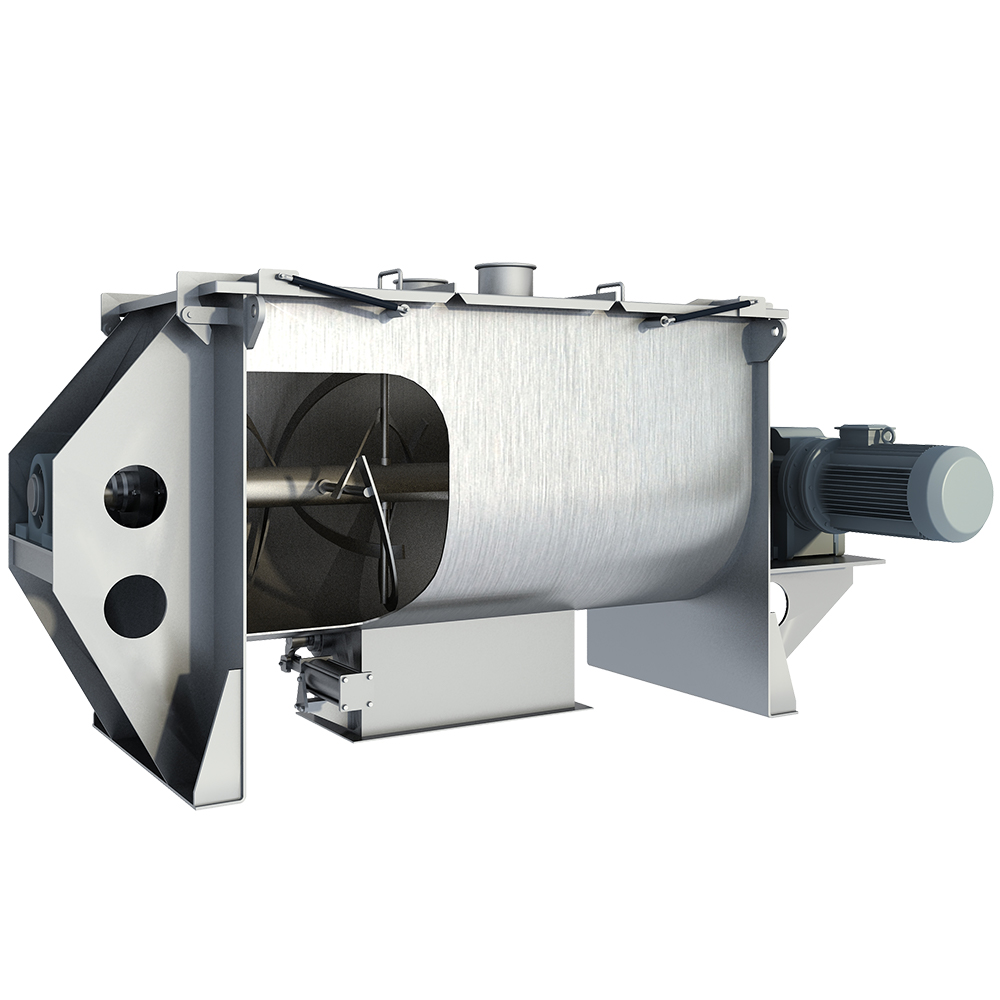
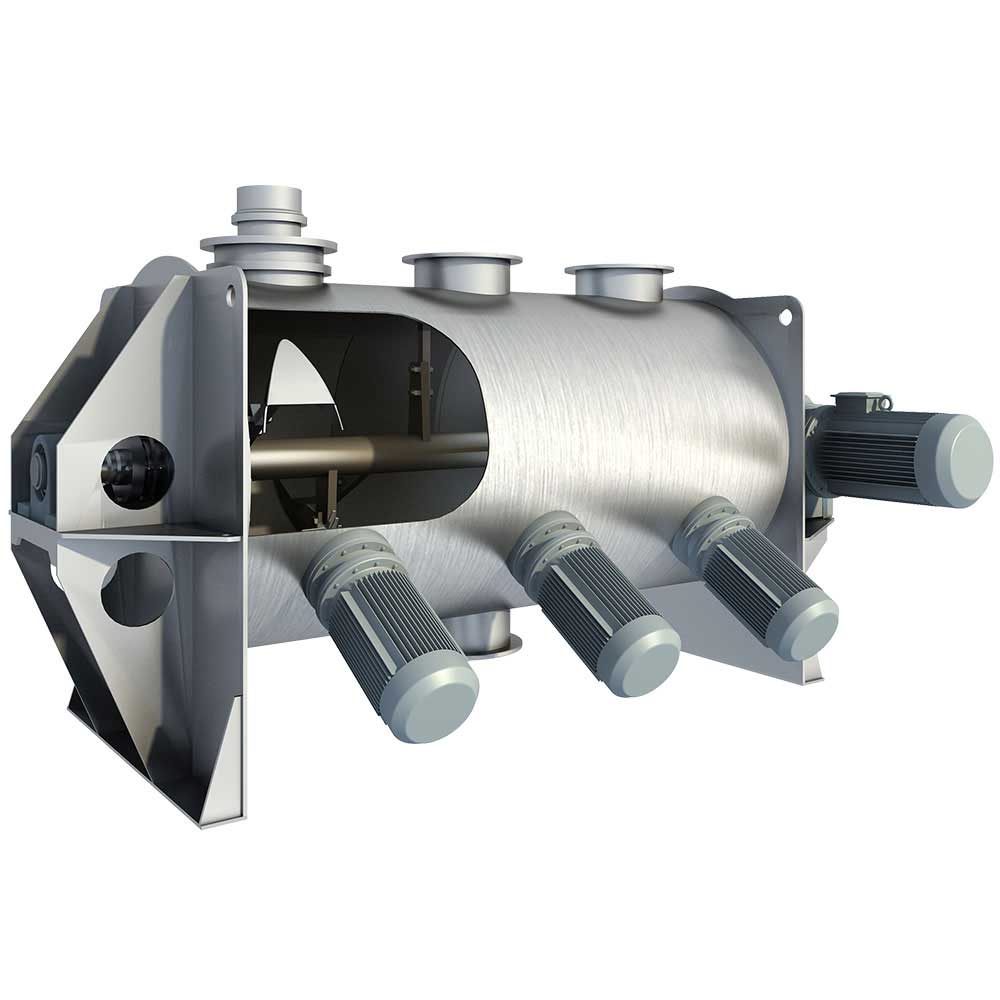
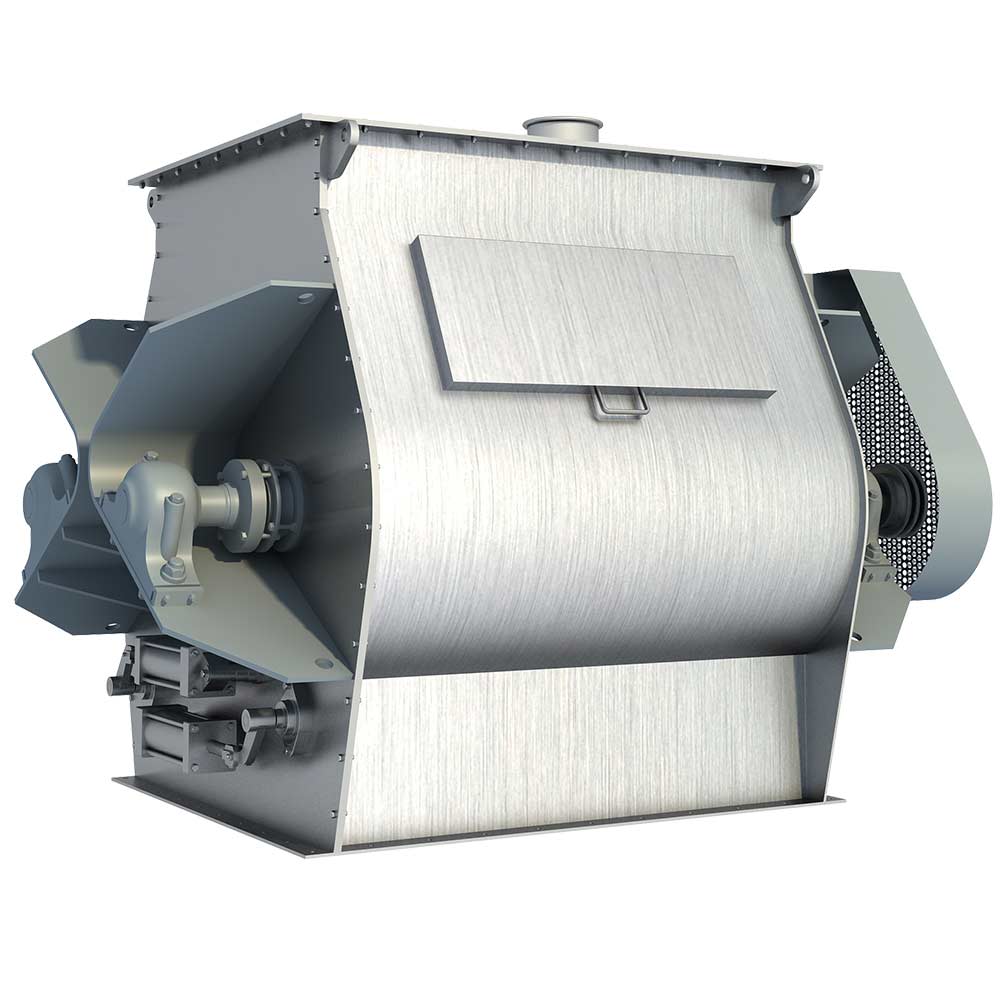
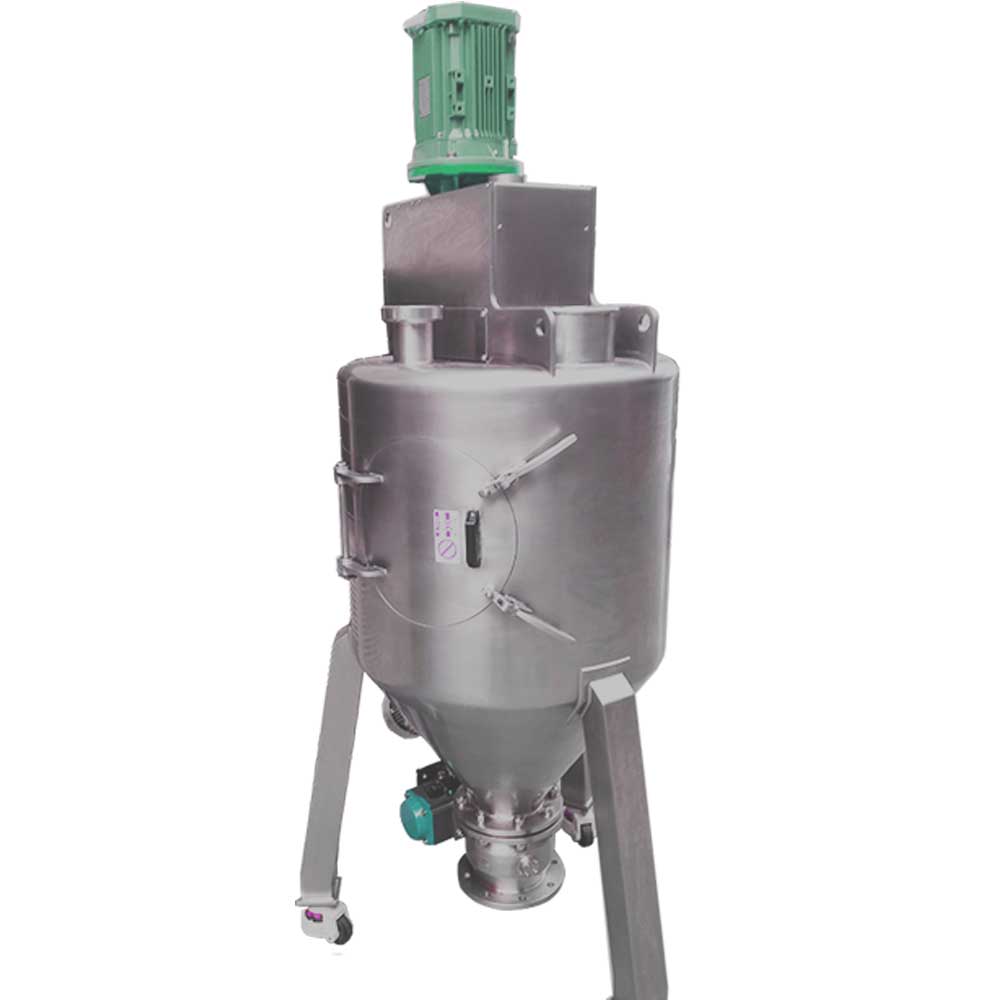
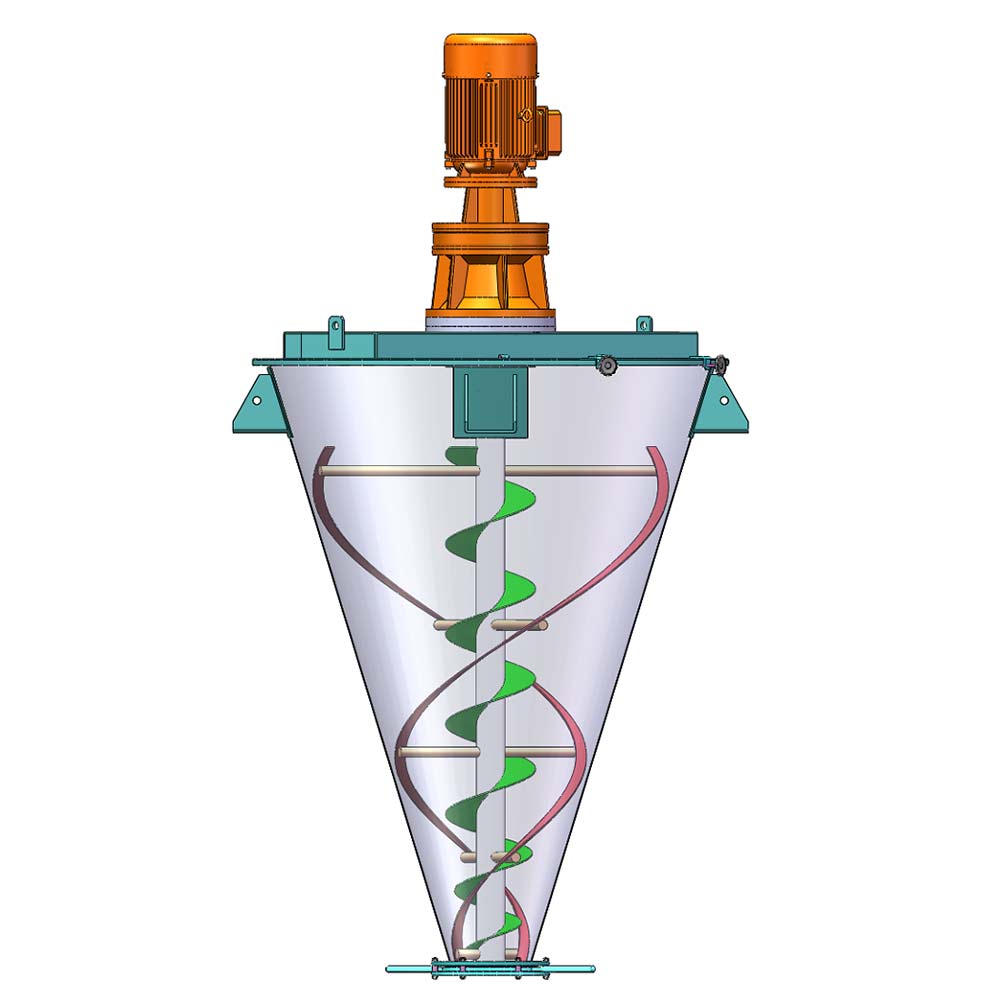
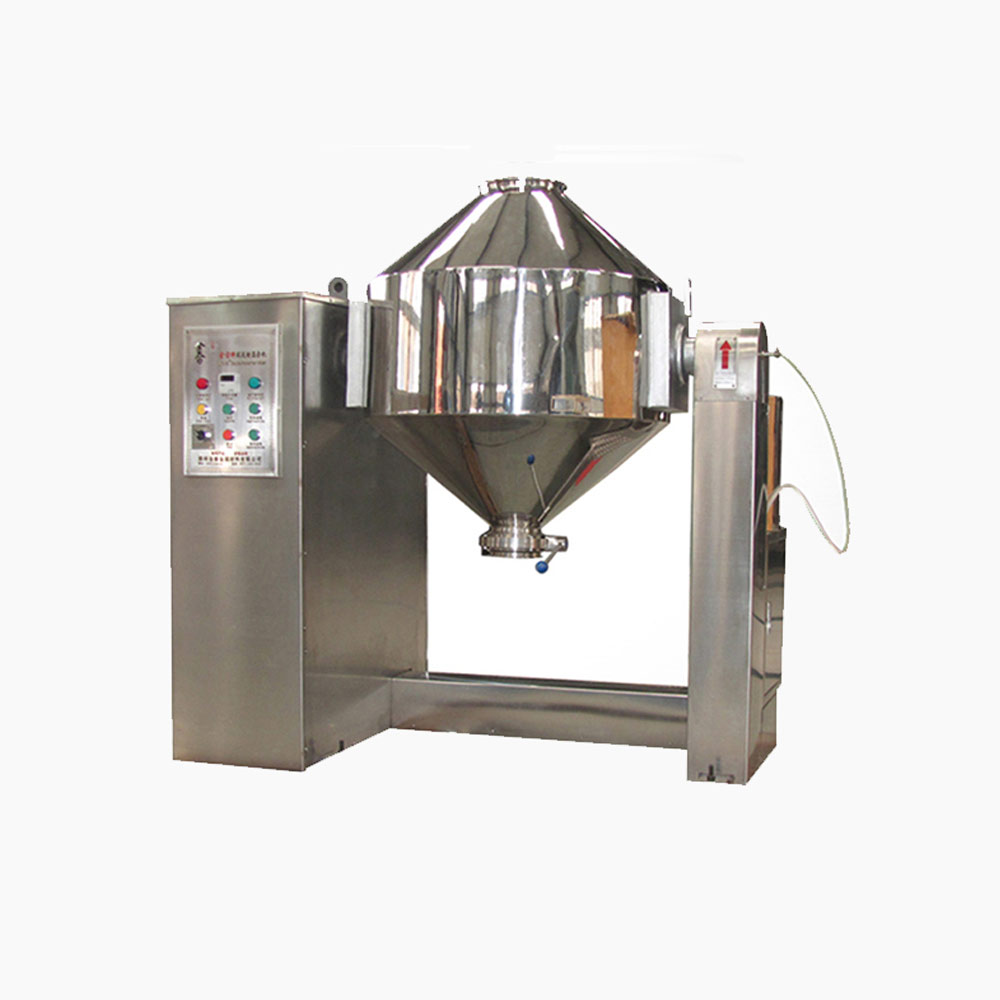
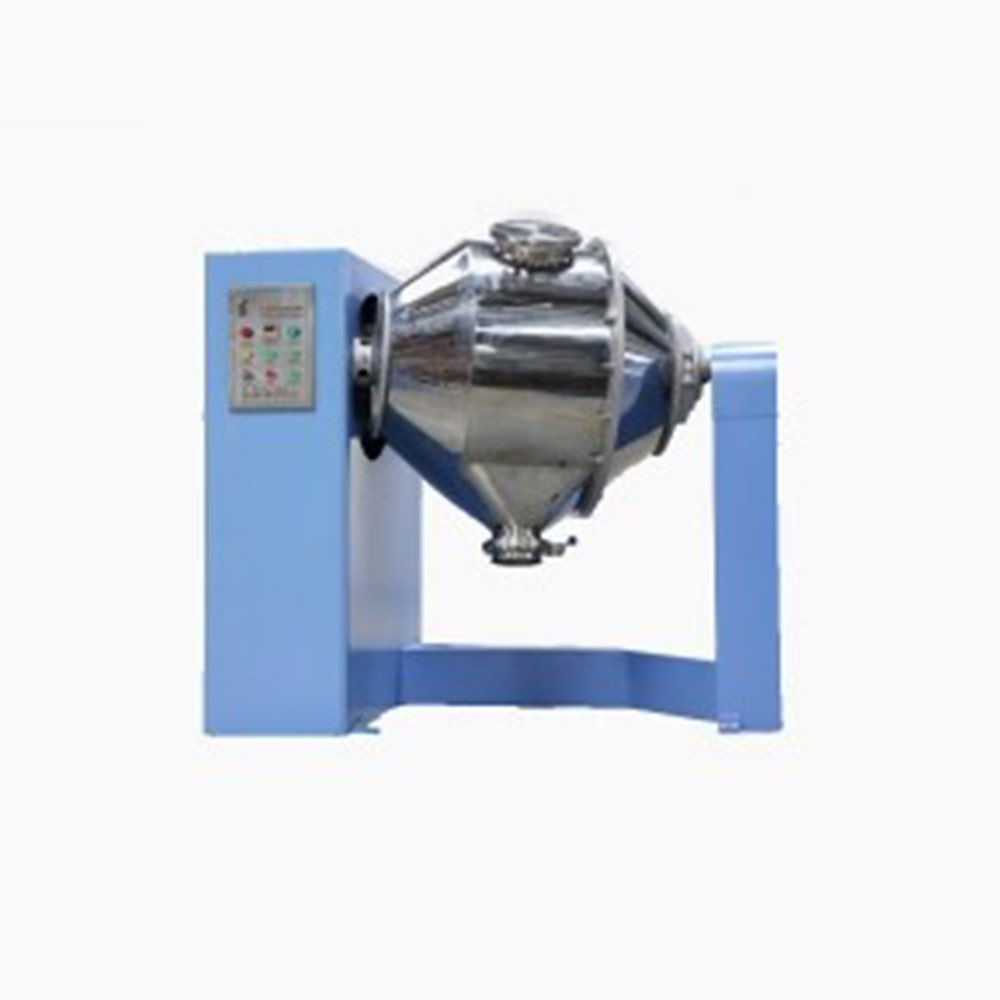
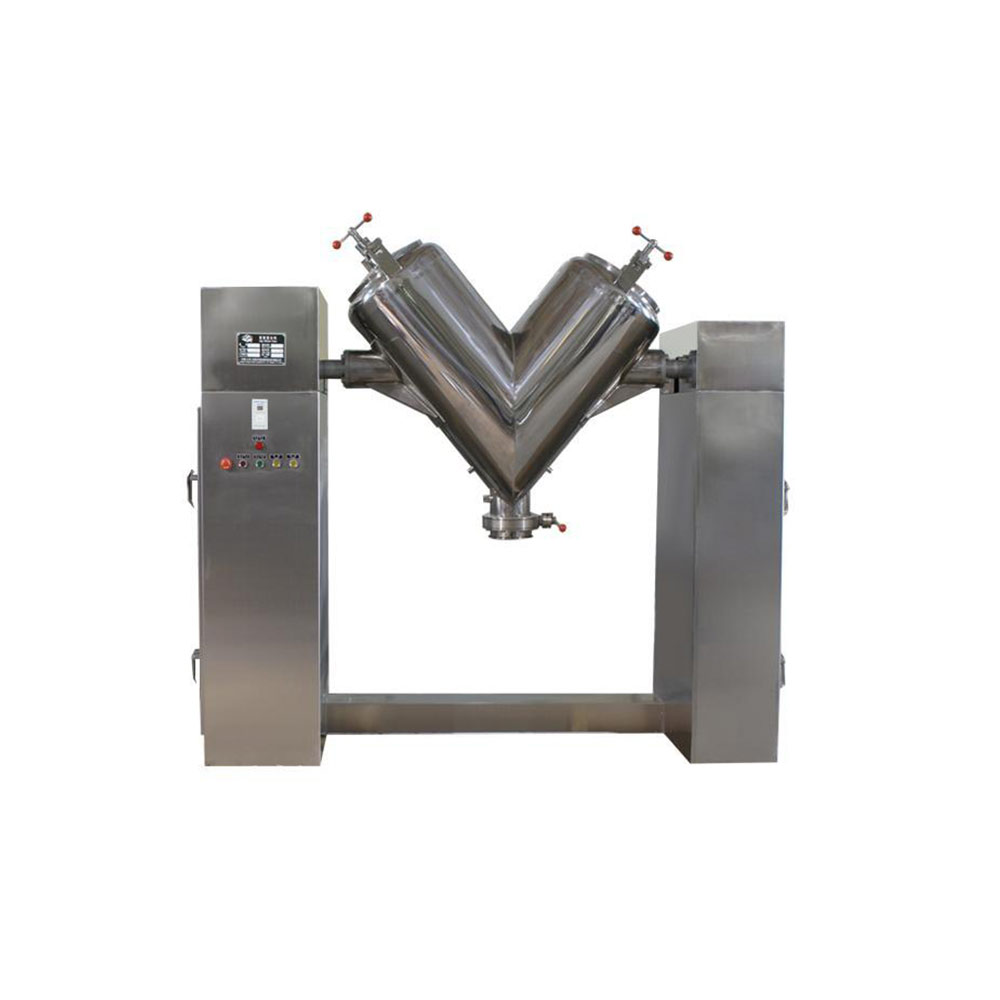
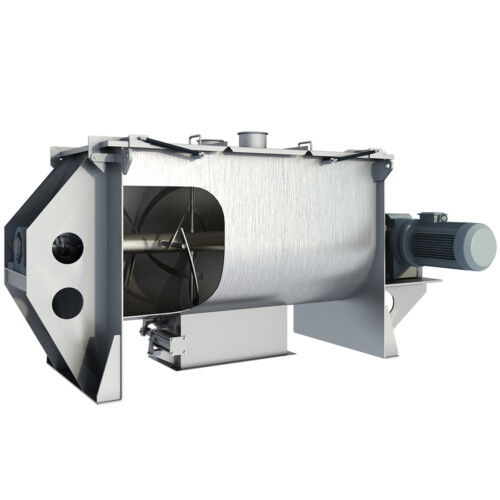
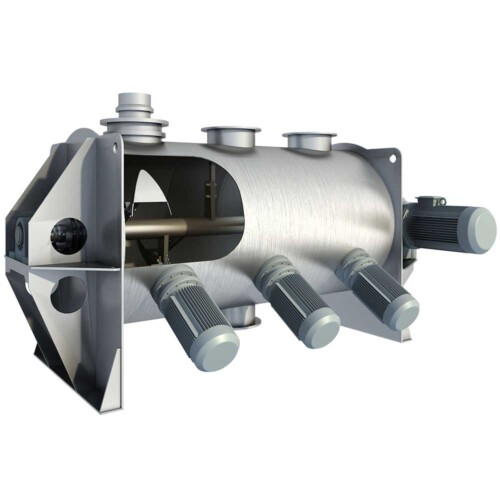
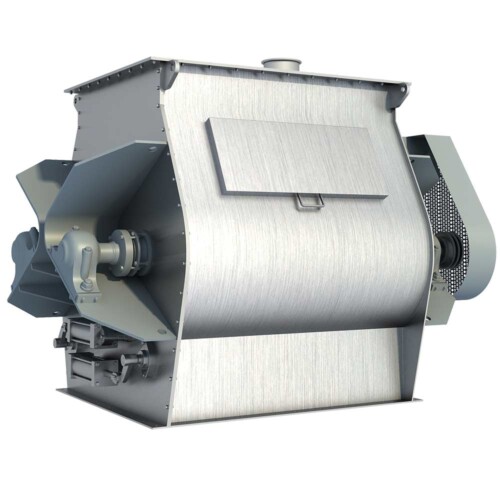
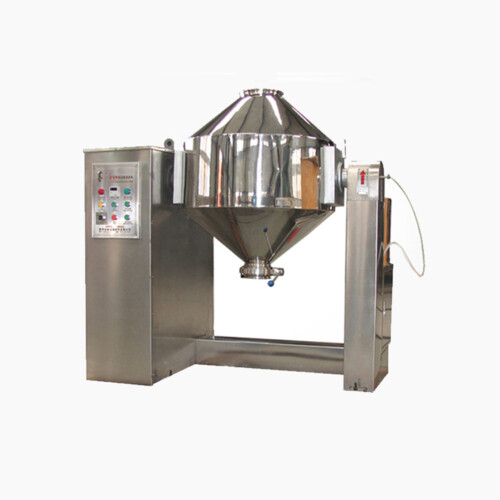
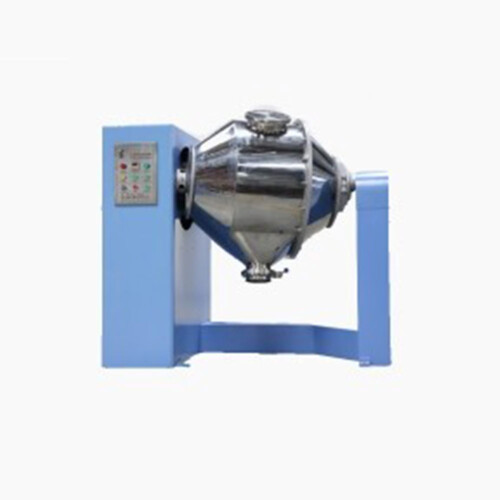
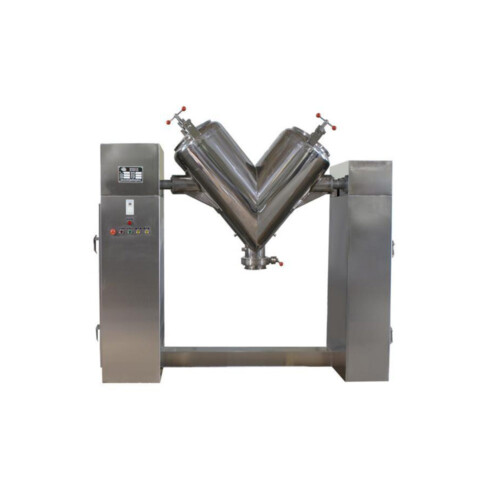
We manufacture specialty mixing equipment for powder & bulk materials. Included are ribbon blender, plough mixer, conical screw mixer, twin shaft paddle mixer, V blender, double cone blender and other auxiliary equipment such as screw conveyor, quantitive auger filler.
We sell across the world, our cusotmers distribute 5 continents.
Share Us With Your Network
The Role of Heat Jackets in Industrial Mixers: When and Why You Need Them
INTRODUCTION:
Temperature is a critical factor in industrial production in productivity and quality of the products. It can be either powders, pastes, or even granules, but regardless of the choice, it is best to have a good temperature when you are going through the process as it makes you have the same results and you can also be able to tell the material properties. Here is where the heat jackets come in.
A heat jacket may be incorporated into the shell of industrial mixers which enables the heating or cooling of the mixing vessel under control. It aids in the reduction of moisture, activation of ingredients, coating adhesion, and coating uniformity.
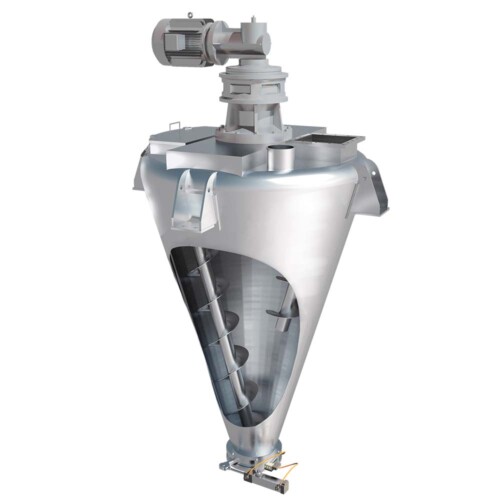
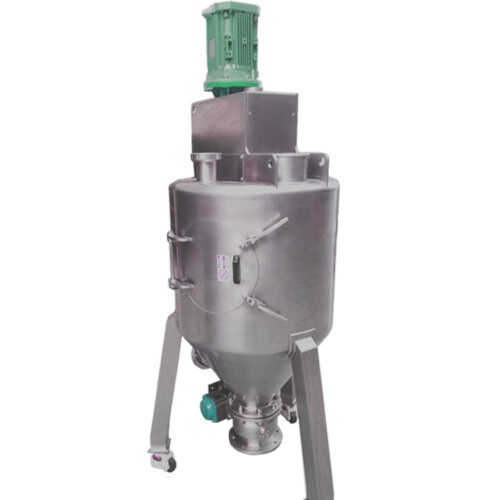
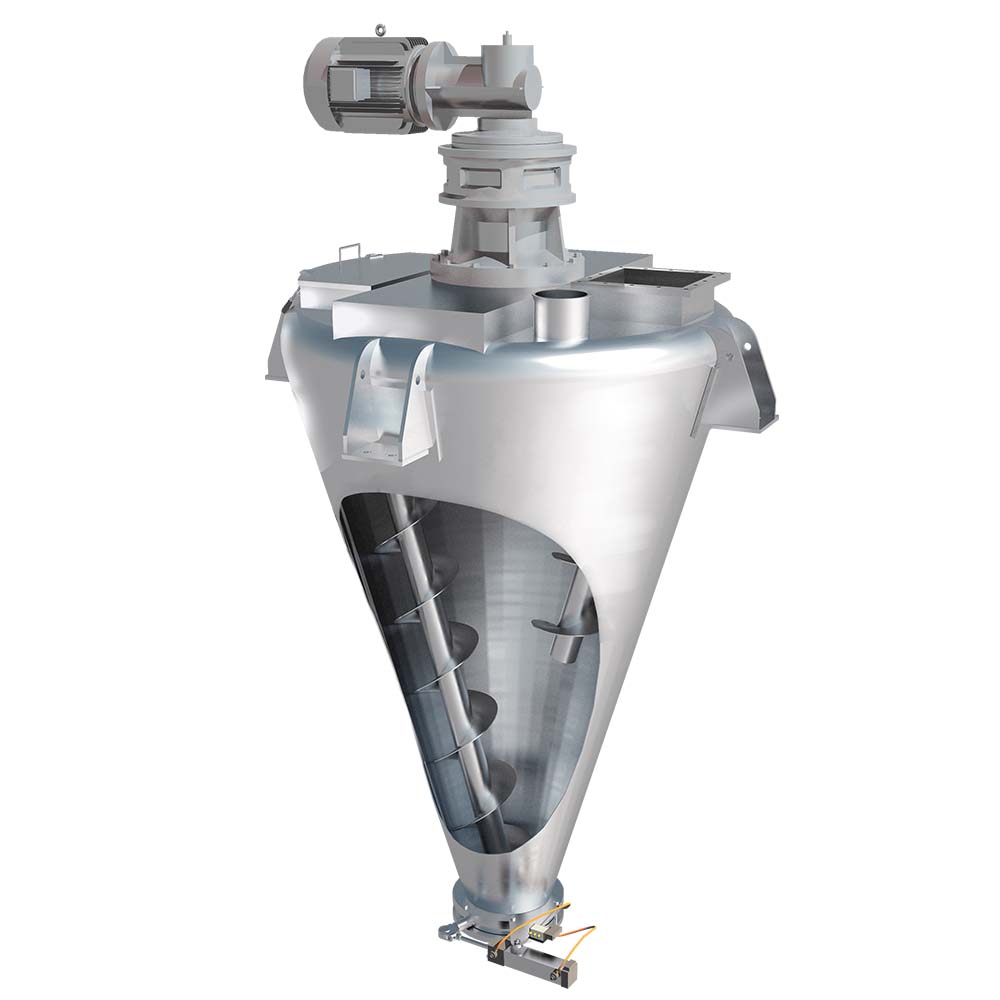
At Vortex Mixing Technology, advanced heat jacket designs are used in mixers such as the Conical Screw Mixer (Nauta Mixer) to optimize performance and product quality in industries like pharmaceuticals, chemicals, food, and construction materials.
Heat Jackets in Industrial Mixers From the Viewpoint of Understanding
A heat jackets is the secondary or the outer layer that envelops the main body of the mixing chamber. In this jacket, a transfer medium that is a heat transfer medium, i.e., hot water, steam, oil or cooling liquid, is flowed to control the temperature of the inside of the mixing vessel.
The main aim of the heat jacket is to indirectly heat or cool, by making sure that the desired temperature is maintained in the product within the mixer in the course of the mixing cycle. This controlled temperature can particularly be necessary in the case of the materials that are highly sensitive to temperature variation or humidity.
Heat jackets are used in modern equipment, and may be integrated with either vacuum or spray nozzles so that drying, granulation or coating may take place within the same mixer.
How Heat Jackets Work
Heat jackets are operated on the principles of heat transfer. The energy is exchanged with the mixing chamber walls on a heating or cooling medium that circulates through the channels of the jacket. This energy is slowly absorbed in the product causing even distribution of temperatures.
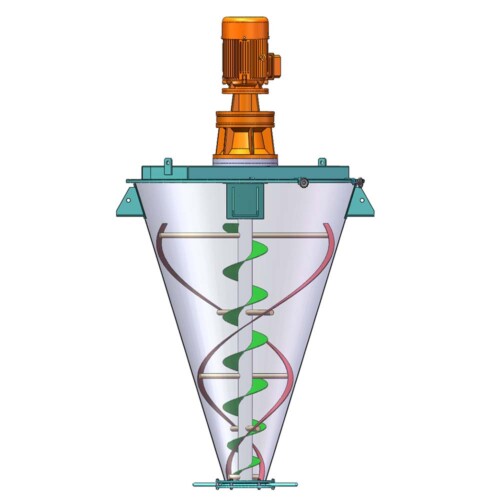
For example, in a conical screw mixer, the jacketed cone allows hot oil or steam to circulate evenly around the vessel. With the screw agitator, the product is lifted, folded; this exposes all of the particles to a uniform amount of heat and the product is dried and mixed evenly.
Influential heat transfer mechanisms are:
Conduction: The heat moves through the vessel wall by the jacket to the material.
Convection: This is where the rate of heat transfer is increased by the moving heating medium (e.g. steam or oil).
Radiation: This is a small part, in which heat is emitted through the surface of the metal into the product.
This integration makes it have a very efficient temperature management system that facilitates other industrial processes.

When You Require Heat Jackets in Industrial Mixing?
A heat jacket is not needed in all mixing processes. Nevertheless, at the point when temperature regulation is required in order to obtain the required quality of the material, a jacketed mixer has definite benefits. Some of the typical circumstances in which heat jackets are required are listed below.
-
The Moist Powders or Granules should be dried
Drying has also been used in conjunction with mixing in fields like pharmaceuticals and chemicals in order to conserve time and space. Heat jackets facilitate the elimination process of moisture by subjecting the agitating process to low intensity and steady heat. This can be very efficient when combined with a vacuum system and allows oxidation and thermal degradation to be avoided.
-
Preserving Slurries and Pastes Viscosity
Some products such as adhesives, coating or resins require certain viscosities. When the temperature decreases, they may become thick making them hard to mix. The viscosity of the heat jackets does not change and blending is made easy and smooth.
-
Chemical reactions are facilitated by the interaction of molecules with complexes of the catalysts
The heat is needed to either start or maintain some chemical or polymerization reactions. A jacketed mixer provides good control of temperature; this is important in stability and safety of a reaction.
-
Avoidance of Product Solidification
Such materials as fats, waxes, and paraffin are more likely to solidify at lower temperature in food, cosmetic and chemical industries. A heat jacket maintains these materials in fluid condition so that they are always mixed together without forming clumps or blockages.
-
Minimization of Drying Time in Powder Processing
In the case of bulk powders, a heat jacket speeds up moisture drying processes, which is faster and more energy efficient than the conventional dryer.
-
Optimizing Coating and Encapsulation
Heat jackets enhance the dispersion and curing of fluids when combining powders with liquid additives or coating as a result of which the coating thickness is more even and the coating or substance performs better.
The Benefits and Advantages of using Heat Jackets
Heat jackets have a number of benefits in industrial processing. High control of temperature enhances product reliability, safety and energy efficiency.
-
Improved Process Control
A heat jacket allows operators to have accurate temperature profiles during the process. This is necessary in temperature sensitive materials to prevent overheating or under heating.
-
Better Product Quality
Even heating does not allow the formation of hot spots or puddles in some parts of the batch, so the texture, color, and composition will be homogenized in the entire batch.
-
Energy Efficiency
The modern jackets are more efficient in terms of transfer and heat loss. Less energy is used as there is stabilization of the conditions of the processes thus, there is less waste of energy in comparison to external heating systems.
-
Multi-Sensing in Diverse Industries
Jacketed mixers have found application in many industries with different thermal requirements such as in powder drying and polymer processing, food blending and pharmaceuticals.
-
Enhanced Safety
Indirect heating with a jacket helps to eliminate the threats of contamination of products and to decrease the exposure to the open heat sources. It also provides a superior control of the exothermic reactions.
-
Combination with Vacuum and Cooling systems
Heat jackets are compatible with vacuum systems or cooling circuits, and allow the flexible control of the whole mixing and drying cycle.
The Role of Heat Jackets in Conical Screw Mixers
The Conical Screw Mixer (Nauta Mixer) from Vortex Mixing Technology is a perfect example of efficient heat jacket integration.
This mixer has a combination of a conical vessel and a rotating screw agitator that picks materials up and keeps the material in a continuous cycle. The heat jacket covers the whole vessel and can be of heating or cooling, depending on the nature of the process.
Producing Heat jackets on Conical Mixers is a smart idea since it offers the following advantages:
- Even temperature distribution of the product.
- Suited in case of drying heat-sensitive materials under vacuum.
- Shortened mixing and drying periods.
- Ability to put on liquid spray or coating during heating.
- Low operation and maintenance energy consumption.
Applications include:
- Drying of pharmaceutical powder
- Chemical granulation and coating
- Food powder processing
- Materials used in additive manufacturing
Selecting the appropriate Design of Heat Jacket
There are a variety of different designs of heat jackets that depend on the application requirements, and the heating media available. The most common types are:
Dimple Jacket: This is used when the pressure involved is low to medium, and is commonly used with viscous substances.
Half-Pipe Coil Jacket: This type of jacket can be used in high pressure and temperature.
Conventional Jacket: This is used when there is a general application, and it offers uniform heat distribution.
This choice is related to the temperature of work, pressure, and the fluid medium to be applied (steam, oil or water). At Vortex Mixing Technology, jackets can be customized to fit your exact process conditions and mixer type.
Heat Jacketed Mixers used in industries
Pharmaceutical Industry – To dry the active ingredients and blend the heat sensitive powders.
Chemical Industry – To carry out exothermic reactions in a safe and uniform manner.
Food Processing – To combine and dry the food materials like starches, proteins, and flavors.
Cosmetic and Personal Care – To have a smooth feel and prevent crystallization of creams and lotions.
Building Materials – To dry and add pigments to cement, when they are to be controlled.
Conclusion
The process of using heat jackets in industrial mixers is much deeper than a temperature regulation. They are efficient, increase the quality of products, and permit various steps of processes, i.e. mixing, drying, coating, to take place in a single system. Drying out, keeping the consistency, or some chemical reactions, a heat-jacketed mixer can guarantee the consistency and performance.
When it comes to the manufacturing setting of today, with precision and efficiency as the primary concern, the purchase of a mixer with a heat jacket is a wise move. The Conical Screw Mixer (Nauta Mixer) by Vortex Mixing Technology exemplifies how advanced jacketed designs can transform powder processing operations.
Visit IncMachine.com to explore high-quality industrial mixers equipped with heat jackets, vacuum systems, and customized features to meet your production needs.
Ask An Expert